The US States That Export The Most Electricity
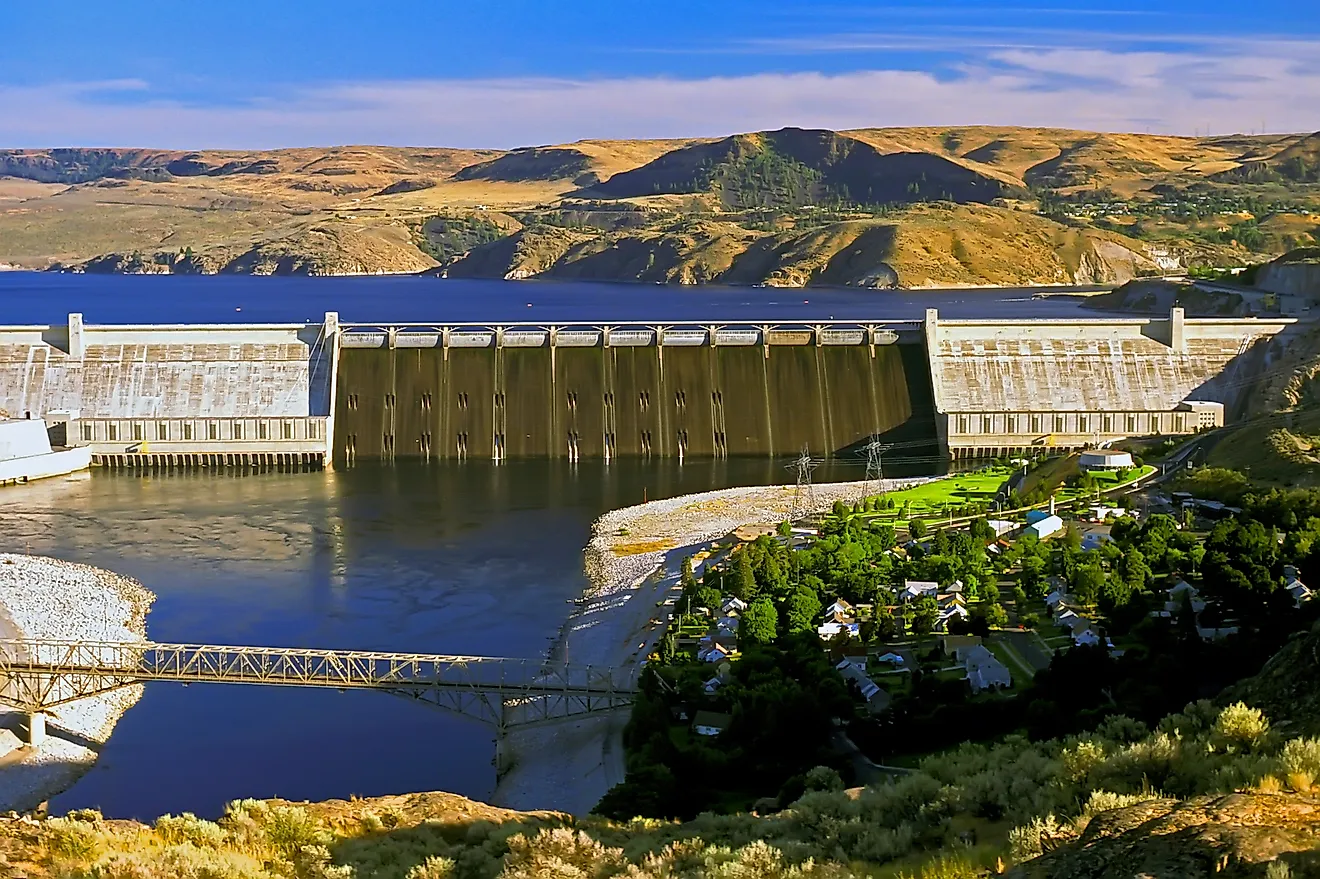
The electricity running your lights may have been generated in a state you have never set foot in. A small group of states make far more power than they use and send the surplus across state lines, keeping the grid steady everywhere else. Pennsylvania leads them, shipping out a net 84.7 billion kilowatt-hours in 2024, nearly twice Alabama's second-place total, with plants that reach homes in New Jersey and Maryland. Here is how the top exporters keep the rest of the country supplied.
Pennsylvania

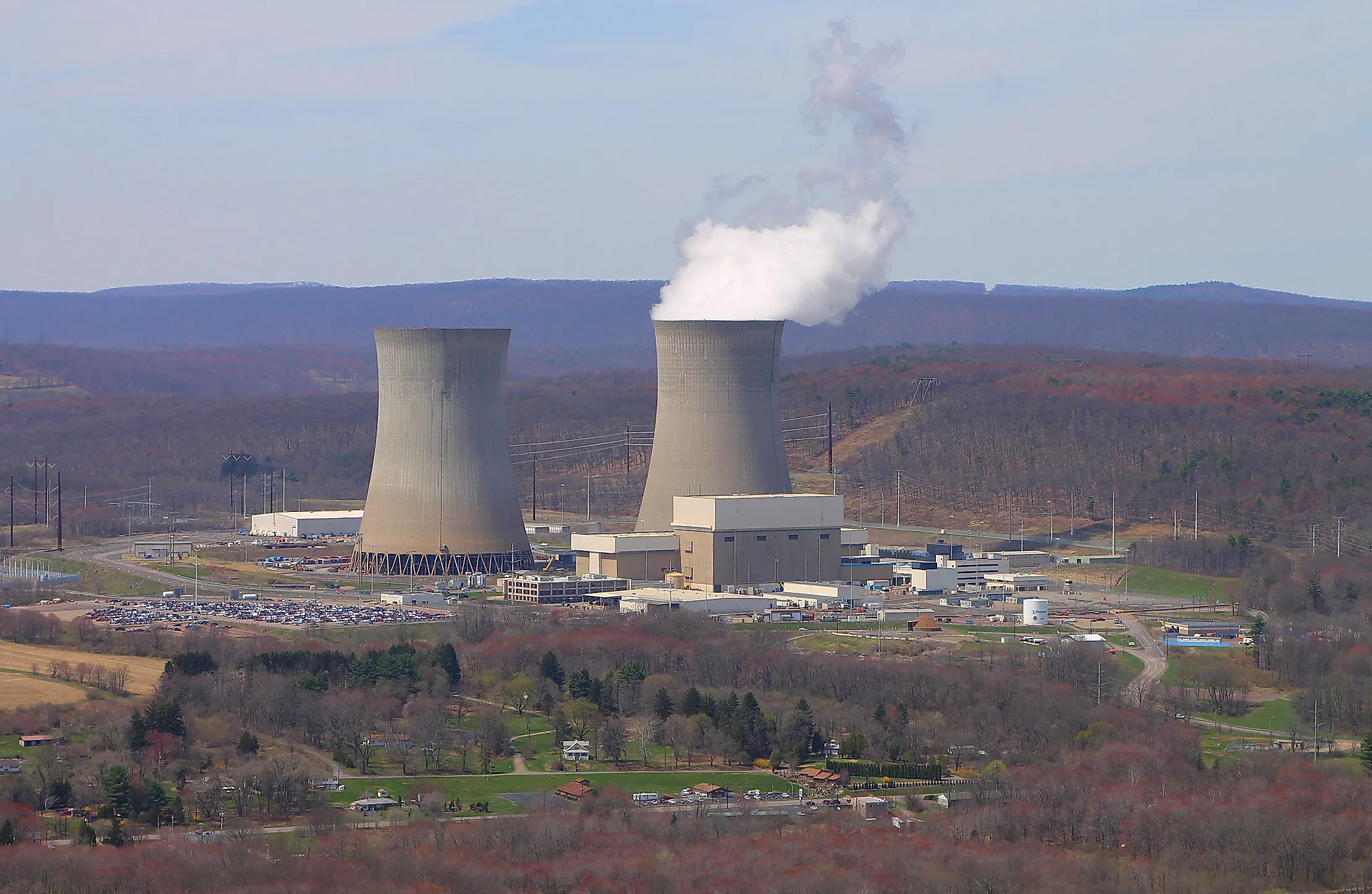
Pennsylvania's 84.7 billion kilowatt-hours in net exports amounted to roughly 35% of its electricity generation in 2024. Natural gas produced about 60% of its electricity, following a major shift toward fuel extracted from the Marcellus Shale. Gas overtook coal in Pennsylvania's annual electricity generation in 2016 and nuclear power in 2019. Combined-cycle plants use heat from gas turbines to produce steam for a second turbine, extracting more electricity from the fuel.
Yet Pennsylvania's four biggest individual power producers in 2024 were all nuclear plants. Peach Bottom generated the most, followed by Susquehanna, Limerick, and Beaver Valley. Pennsylvania participates in PJM, the grid operator serving all or parts of 13 states and Washington, D.C. That territory includes neighboring New Jersey and Maryland, both net electricity importers in 2024.
Alabama

The Tennessee Valley Authority's largest nuclear plant, Browns Ferry, operates three reactors near Athens, Alabama. It produced 29.4 billion kilowatt-hours in 2024, more than any other Alabama power plant. It supplies TVA's regional system, which crosses state boundaries.
Alabama finished second nationally with 45.4 billion kilowatt-hours in net interstate exports. Natural gas supplied about 45% of the state's generation, and nuclear power contributed another 31%. Browns Ferry and the Farley nuclear station together generated more electricity than all of Wyoming's power plants that year.
Coal also remained a substantial source. The James H. Miller Jr. plant generated 18.6 billion kilowatt-hours in 2024, placing it between Browns Ferry and Farley among Alabama's largest producers.
Illinois

Illinois has 11 operating nuclear reactors at six plants, more reactors than any other state. Their combined output reached 99.2 billion kilowatt-hours in 2024, exceeding half of Illinois' electricity generation. Even with the Chicago metropolitan area's demand, the state finished third in net interstate exports at 41.9 billion kilowatt-hours.
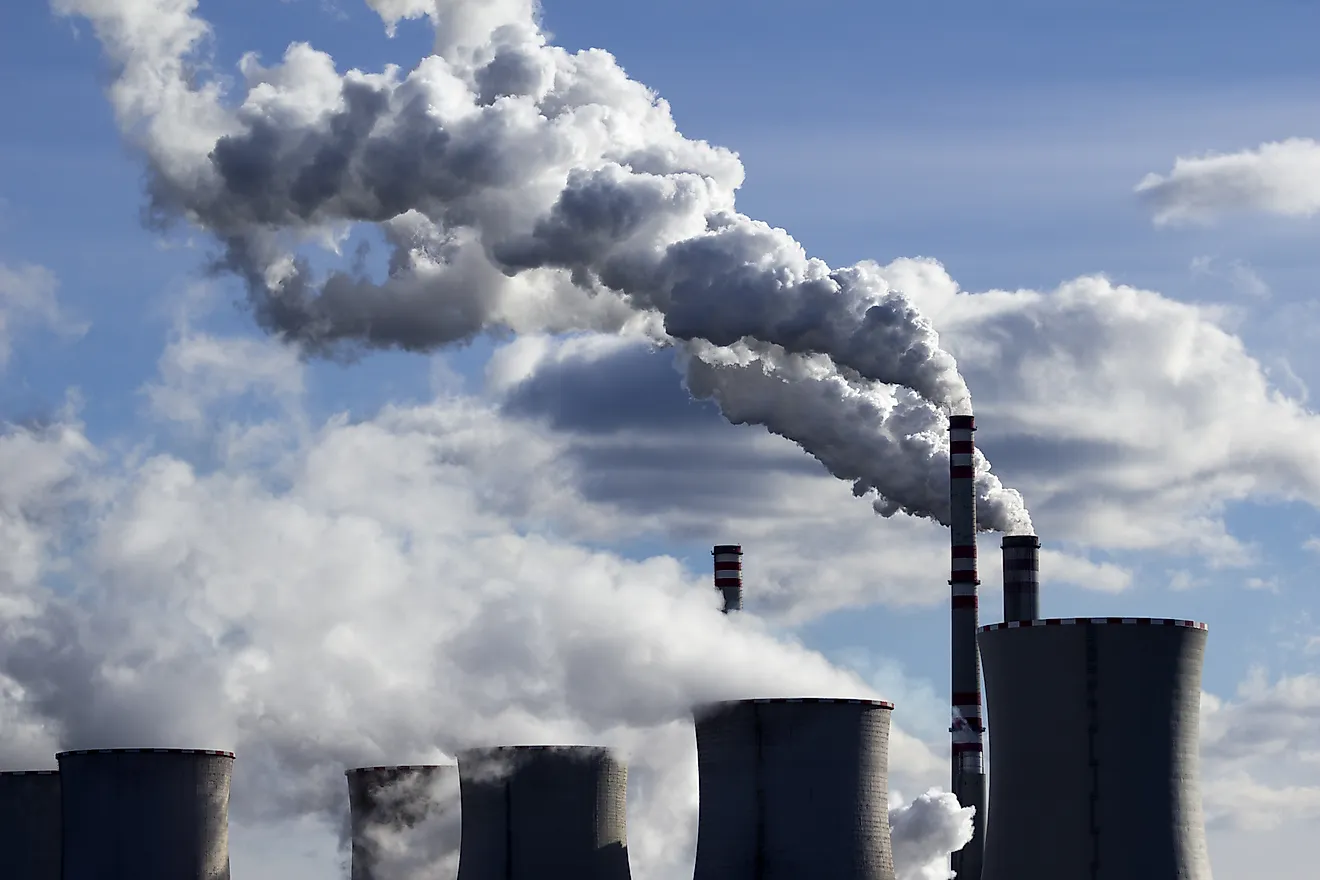
Byron's twin cooling towers overlook the Rock River Valley, above a station whose two reactors made it Illinois' largest electricity producer that year. Byron, LaSalle, and Braidwood each produced more than 19 billion kilowatt-hours in 2024. Wind adds another substantial source across Illinois' agricultural landscape. Its turbines generated 24.9 billion kilowatt-hours in 2024, approaching the output of the state's coal plants.
Mississippi

Mississippi's largest individual power producer has just one reactor. Grand Gulf, near Port Gibson, is the nation's largest single-reactor nuclear plant by net summer generating capacity, at about 1,400 megawatts. It generated 10.7 billion kilowatt-hours in 2024, around 14% of the state's electricity. The much larger share, about 78%, came from natural gas plants spread across Mississippi.
That generating fleet left Mississippi with 24.1 billion kilowatt-hours in net interstate exports, the fourth-highest total. Several major stations are operated by utilities serving a wider region. TVA operates the Magnolia gas plant and Caledonia near Columbus, where the facility connects with TVA's transmission network and neighboring systems. Magnolia and Caledonia together produced about 11.8 billion kilowatt-hours in 2024.
Wyoming

Wyoming's net electricity exports were larger than all the electricity its utilities sold to customers within the state. The outgoing surplus reached 21.0 billion kilowatt-hours in 2024, compared with 17.2 billion in retail sales. Coal supplied about 60% of generation, and wind contributed another 22%. Near Wheatland, Laramie River Station receives coal by rail from surface mines near Gillette. That plant and Jim Bridger were Wyoming's two largest electricity producers in 2024, together generating roughly 14.6 billion kilowatt-hours. Wyoming ships coal to power plants elsewhere and sends electricity out from plants within its own borders. Its wind turbines generated 9.0 billion kilowatt-hours that year, more than any single power station in the state.
Arizona

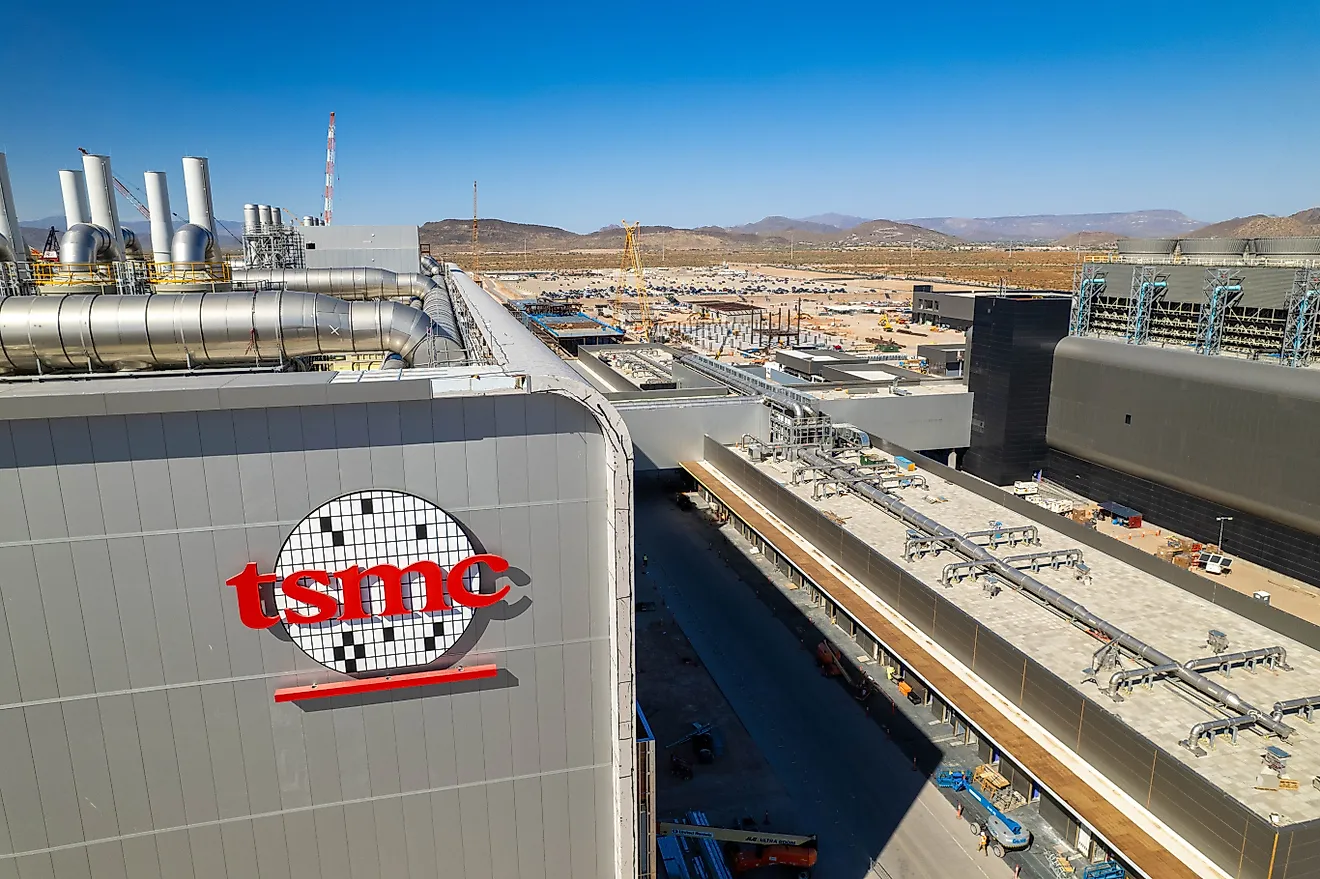
West of Phoenix, the Palo Verde nuclear station uses treated wastewater from surrounding communities in its cooling system. It recycles more than 20 billion gallons annually, allowing a large nuclear plant to operate in the desert without sitting beside a river or lake. Its three reactors generated 32.4 billion kilowatt-hours in 2024, making it Arizona's largest power producer by a wide margin.
Arizona's net interstate exports totaled 19.7 billion kilowatt-hours, placing it sixth. Natural gas produced the largest share of Arizona's electricity in 2024, about 47%. Palo Verde supplied roughly 28%, while utility-scale solar facilities produced another 10.8 billion kilowatt-hours.
Palo Verde has multiple utility owners, including Southern California Edison and the Los Angeles Department of Water and Power.
Michigan

The Donald C. Cook nuclear plant stands on Lake Michigan's shore at Bridgman, but its operator is Indiana Michigan Power. Its two reactors serve a utility system spanning both states. In 2024, Cook generated 18.0 billion kilowatt-hours, making it Michigan's largest individual electricity producer.
Michigan ranked seventh in net interstate exports, with an annual surplus of 18.5 billion kilowatt-hours. Natural gas supplied about 45% of its generation, while nuclear power and coal each contributed around one-fifth. Cook and the Fermi nuclear station together generated 26.3 billion kilowatt-hours. The Monroe coal plant was also a major producer, generating 13.1 billion. Those stations supplied a state whose retail customers bought almost 99 billion kilowatt-hours during the year.
Oklahoma

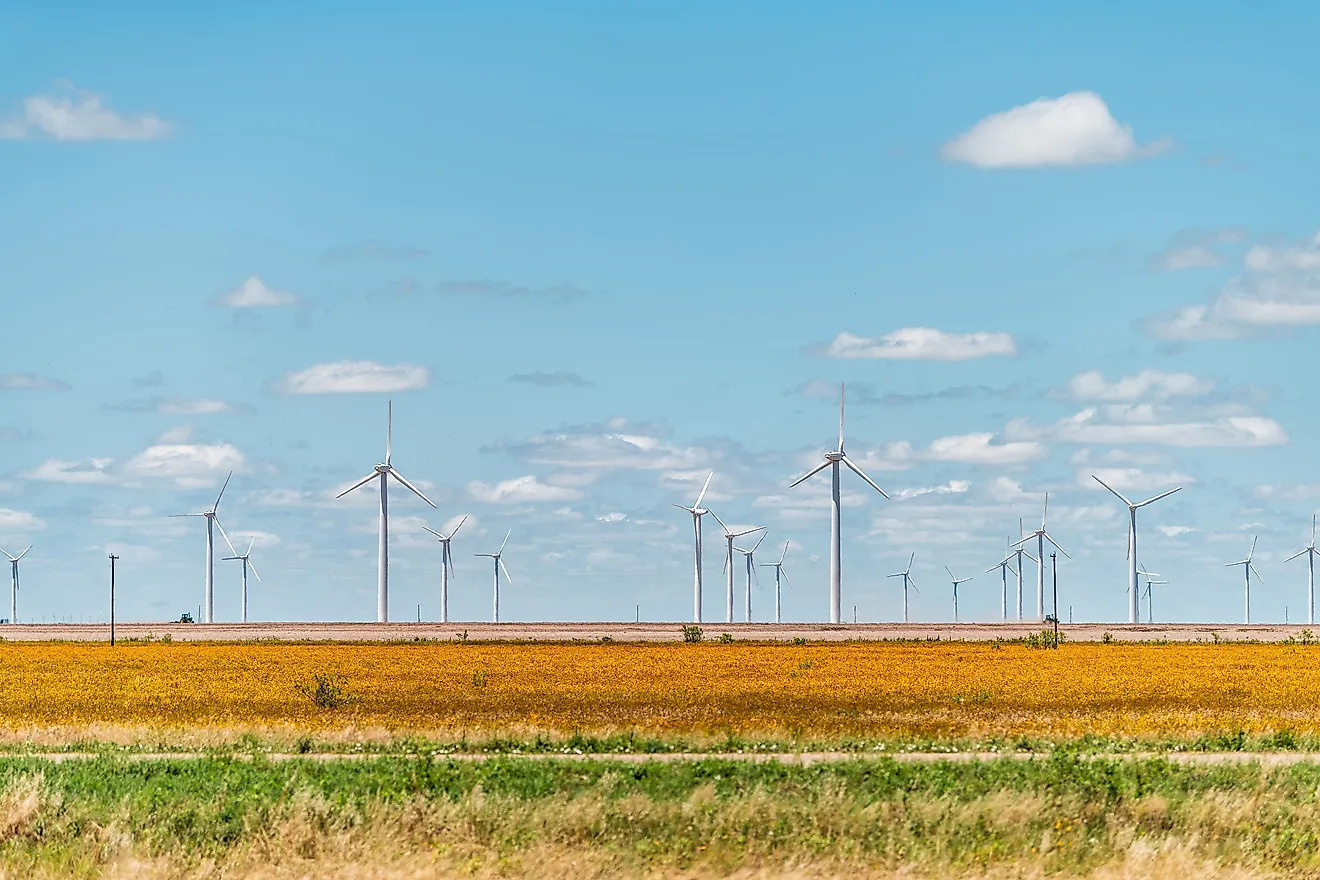
At the Traverse Wind Energy Center, 356 turbines spread across Blaine and Custer counties produce electricity for a project with customers beyond Oklahoma. Traverse belongs to Public Service Company of Oklahoma and Southwestern Electric Power Company. The wider North Central wind development was approved to serve customers in Oklahoma as well as Arkansas and Louisiana.
Oklahoma exported a net 17.2 billion kilowatt-hours to other states in 2024, placing it eighth. Wind generated about 40% of the state's electricity, while natural gas supplied roughly 51%. Traverse began operating in 2022 with 998 megawatts of generating capacity, adding a large new source to that mix. The project also brings lease payments to landowners and property-tax revenue to the area.
West Virginia

Coal generated about 85% of West Virginia's electricity in 2024. The state sent a net 15.1 billion kilowatt-hours to other states, placing ninth nationally. At Winfield, the John Amos plant supplies Appalachian Power's system, including customers in Virginia. John Amos produced 9.6 billion kilowatt-hours in 2024; only Harrison generated more within the state. Mountaineer, in New Haven, also serves Appalachian Power's Virginia customers. In 2020, the utility sought Virginia approval to recover costs for environmental improvements at both plants. All five of West Virginia's biggest electricity producers that year used coal as their primary fuel. Its wind turbines generated about 2.0 billion kilowatt-hours, a small fraction of the 43.1 billion produced from coal.
Connecticut

Connecticut exported a net 15.0 billion kilowatt-hours in 2024, almost matching West Virginia. At Waterford, the Millstone nuclear station supplies electricity to the wider New England system. The plant produced 16.9 billion kilowatt-hours that year, making it Connecticut's largest individual generator and accounting for about 38% of statewide output.
Natural gas plants collectively generated more, contributing about 58%. Lake Road and CPV Towantic were the largest gas-fired producers, each generating more than 5 billion kilowatt-hours. Millstone's reactors and those gas stations together supplied a state that generated 44.8 billion kilowatt-hours while retail customers bought only 27.4 billion. Connecticut's net exports were equivalent to more than half of those retail purchases.
Texas generated 566.5 billion kilowatt-hours in 2024, more than twice Pennsylvania's output, yet remained a net interstate importer. It received about 4.9 billion kilowatt-hours more than it sent to other states. Retail sales within Texas alone exceeded 505 billion kilowatt-hours. On the western side of the state, El Paso Electric makes the connection with an exporting state particularly clear. The utility serves customers in west Texas and southern New Mexico and owns a 15.8% share of Arizona's Palo Verde nuclear station. Its transmission arrangements carry that power east toward its service area. Part of the electricity supplying the El Paso region therefore comes from a power station whose cooling system uses municipal wastewater outside Phoenix.