10 US States With The Highest Number Of Farms
America runs on a surprising number of farms, though that number keeps shrinking. The 2022 Census of Agriculture, the once-every-five-years headcount run by the US Department of Agriculture, tallied 1,900,487 farms nationwide, down about 7% from 2017 and the lowest total on record. The land keeps consolidating too: farmland slipped to 880 million acres while the average farm grew to 463 acres, meaning fewer operators are working bigger spreads. But the map of where those farms sit has barely budged at the top, and one state towers over the rest. These are the ten states with the most farms, according to the latest census.
Texas

The saying about everything being bigger in Texas holds up in the farm count. Texas recorded 230,662 farms in 2022, more than double the next state on the list and nearly 12% of every farm in the country. It also holds the most farmland of any state, most of it family owned, and it leads the nation in cattle by a wide margin.
The scale runs to the individual operation, too. The King Ranch in South Texas covers about 825,000 acres, which makes it the largest ranch in the United States and, for the record, larger than the entire state of Rhode Island. Founded in 1853, it still runs cattle, grows crops, and gave the world an entire breed of cattle, the Santa Gertrudis, developed on its own range. Texas farms also skew toward livestock, cotton, and dairy, and the state has been shedding farms slowly for decades, down from roughly 420,000 in the 1940s, even as it stays comfortably in first place.
Missouri

Missouri holds second place with 87,887 farms, and it does so without a single dominant crop to point at. Missouri spreads its roughly 28 million acres of farmland across soybeans, corn, broiler chickens, hogs, and cattle, which is part of why its farm count stays high: a lot of mid-sized, family-run operations rather than a few giants. The state sits at the meeting point of the Corn Belt and the cattle country to its south, and its farms reflect that split personality, half row crops, half pasture.
Iowa

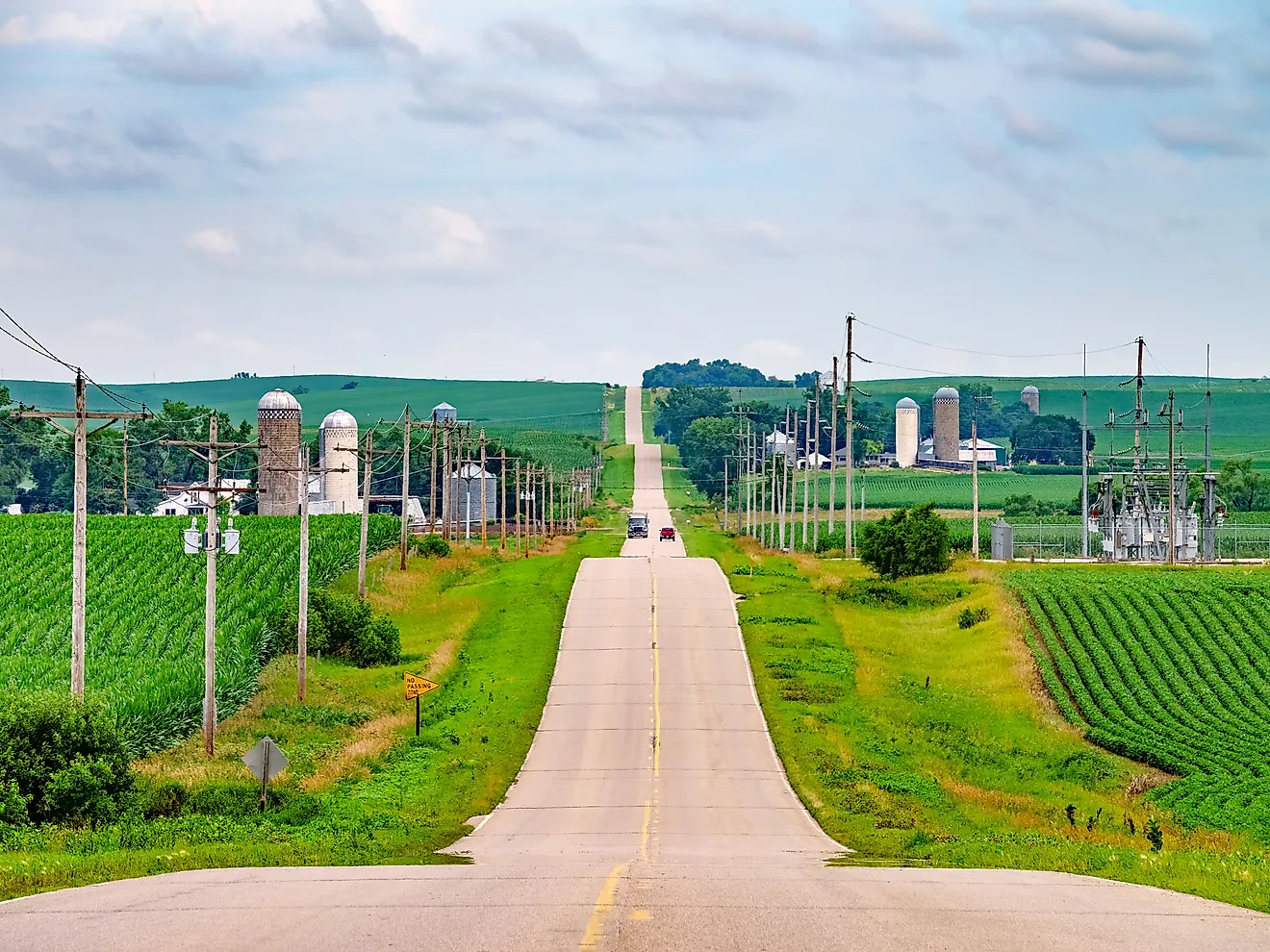
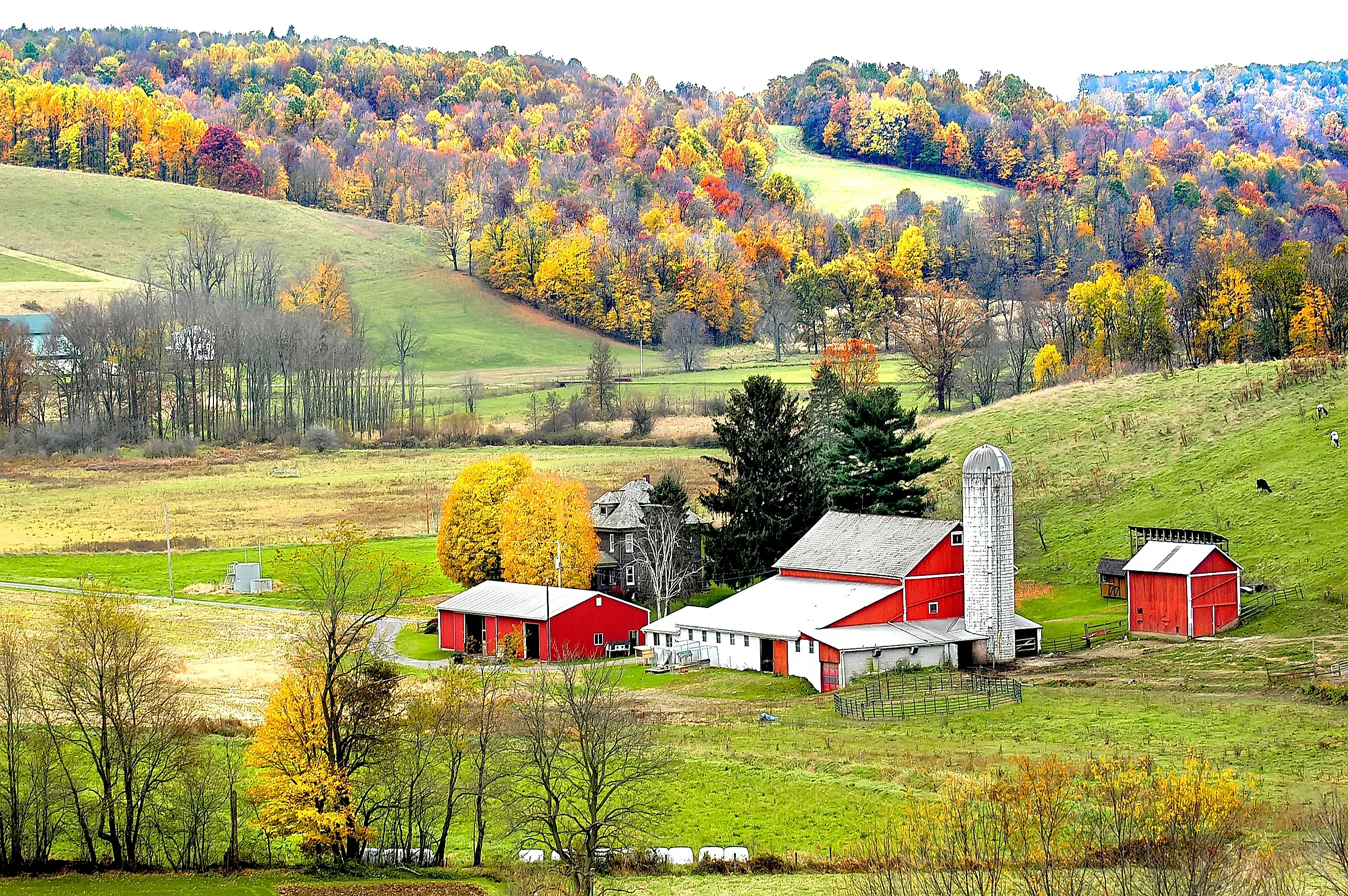
Iowa comes in third with 86,911 farms, a hair behind Missouri, but by almost any other measure it is the most thoroughly farmed state in the country. Farmland covers roughly 84% of Iowa, one of the highest shares anywhere, and the state is the nation's top producer of both corn and eggs. The average Iowa farm runs about 346 acres, and the landscape backs up the statistics: barns, grain bins, and hog and poultry buildings stitched across nearly the whole state. Iowa also ranks second nationally in total agricultural sales, trailing only California, which is remarkable for a state most people could not pick out of a Midwestern lineup.
Ohio

Ohio is the quiet climber on this list, up to fourth place with 76,009 farms and a notable jump in the rankings since the last census. Ohio pairs a dense patchwork of small and mid-sized farms with strong output in soybeans, corn, dairy, and poultry, and its position near eastern markets keeps a lot of those operations viable. It is a reminder that the farm-count leaderboard is not just a Great Plains and Texas story; the eastern Corn Belt holds more small farms than its low profile suggests.
Illinois

Illinois rounds out the top five with 71,123 farms, and it is arguably the heart of the Corn Belt. Illinois is consistently one of the top two states for both corn and soybeans, and its deep, dark prairie soils are the kind agronomists write love letters about. The farms here trend larger and more row-crop focused than Ohio's, which is why Illinois posts fewer farms but enormous production, and it ranks among the top handful of states for total agricultural sales.
The Rest of the Top Ten
Below the top five, the numbers cluster tightly, and this is where the 2022 census reshuffled the deck. Oklahoma holds sixth with 70,378 farms, its mix of cattle ranches and wheat country keeping the count high. Kentucky follows in seventh at 69,425, still shaped by the decline of tobacco and the rise of cattle and poultry in its place. Minnesota takes eighth with 65,531, a Corn Belt heavyweight that also leads in turkeys and sugar beets. California, despite generating far more agricultural money than any other state, sits ninth by farm count at 63,134, because its farms are fewer, larger, and astonishingly productive per acre. Tennessee closes out the list in tenth at roughly 63,000, having slipped about 10% since 2017. The notable absence is Wisconsin, a longtime fixture on this list that dropped out of the top ten as its dairy farms continued to consolidate.
How American Farming Is Changing
The headline trend is consolidation. The country loses tens of thousands of farms every census, almost all of them small and mid-sized, while the largest operations grow larger and claim an ever-bigger share of sales. In 2022, farms selling $1 million or more made up fewer than 6% of all farms but sold more than three-quarters of all agricultural products, a lopsidedness that would startle most people picturing the family farm of popular imagination.
Technology is reshaping the rest. Precision agriculture, satellite imagery, soil sensors, and GPS-guided equipment now let a single operator manage acreage that once required a crew, which is part of why average farm size keeps climbing even as the farm count falls. At the same time, the census found a genuine bright spot: a rise in new and beginning farmers and in producers under 35, a small but real counterweight to an aging farm population. The map of American farming is being redrawn, but it is not emptying out.
| Rank | State | Number of farms (2022 Census) |
|---|---|---|
| 1 | Texas | 230,662 |
| 2 | Missouri | 87,887 |
| 3 | Iowa | 86,911 |
| 4 | Ohio | 76,009 |
| 5 | Illinois | 71,123 |
| 6 | Oklahoma | 70,378 |
| 7 | Kentucky | 69,425 |
| 8 | Minnesota | 65,531 |
| 9 | California | 63,134 |
| 10 | Tennessee | ~63,000 |
Source: USDA National Agricultural Statistics Service, 2022 Census of Agriculture (released February 2024).