Country Names With 10 Letters
Exactly 18 countries have names that consist of exactly 10 letters when counted without spaces. This intriguing group, listed alphabetically from Azerbaijan to Uzbekistan, is predominantly Asian, where the "-stan" suffix contributes significantly to the count. More fascinating than the coincidence itself is how these names originated: very few countries chose their own names. Most were assigned by outsiders, often based on a fortress, a savior, a nomadic people, or, in some cases, a man who never appeared. Below, each of these 18 countries is briefly explained, highlighting their commonalities and noting if any names are longer. If you're in a rush, you can go directly to the full list.
Azerbaijan
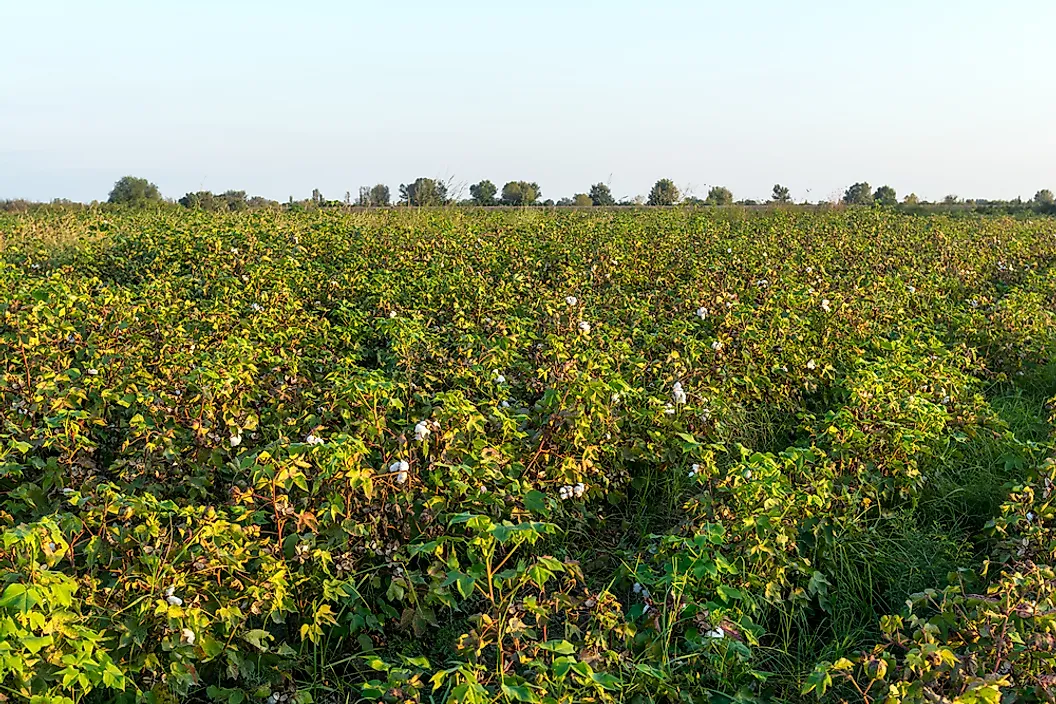
Azerbaijan sits at the crossroads of Western Asia and Eastern Europe, and its name is genuinely ancient. It traces to Atropates, a Persian satrap, or provincial governor, who ruled the region around the time of Alexander the Great in the 4th century BC. His name is thought to mean something like "protected by fire," a nod to the Zoroastrian fire temples of the area, which is why Azerbaijan is still nicknamed the "land of fire." The modern country adopted the name in 1918, when the Azerbaijan Democratic Republic formed after the collapse of the Russian Empire.
Bangladesh
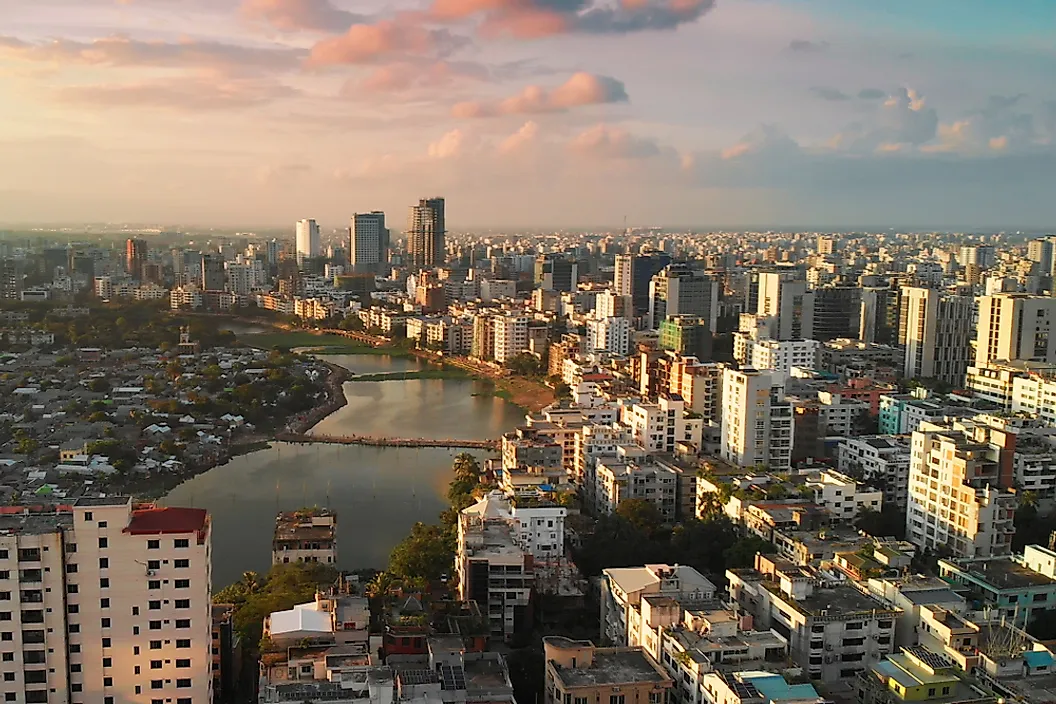
Bangladesh is one of the most straightforward names on the list. It joins "Bangla," meaning the Bengal region and its language, with "desh," from Sanskrit for "country" or "land," to produce "the land of Bengal." The root "Bangla" reaches back to the ancient kingdom of Vanga. The country adopted the name when it broke from Pakistan in 1971, choosing an old regional identity over the borrowed one it had carried as East Pakistan.
El Salvador
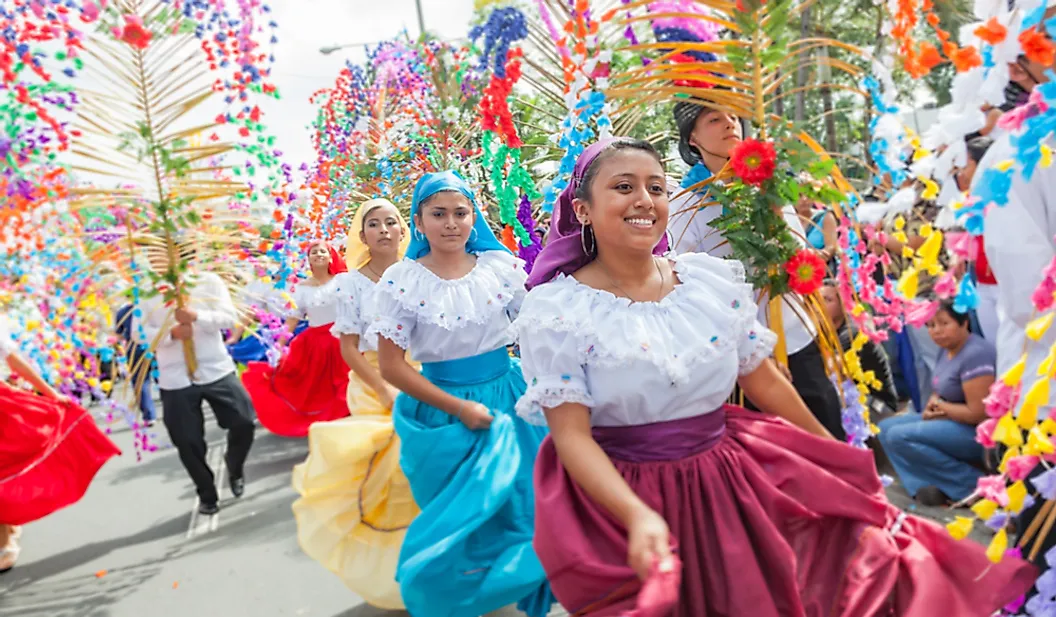
El Salvador is the only country in the Americas with a 10-letter name, and the smallest, most densely populated country in Central America. The Spanish named it, and they did not overthink it: "El Salvador" means "The Savior," a reference to Jesus Christ, dating to the early colonial period. The country kept the name straight through to independence in 1821. It is, in effect, a country named after a religious title.
Kazakhstan
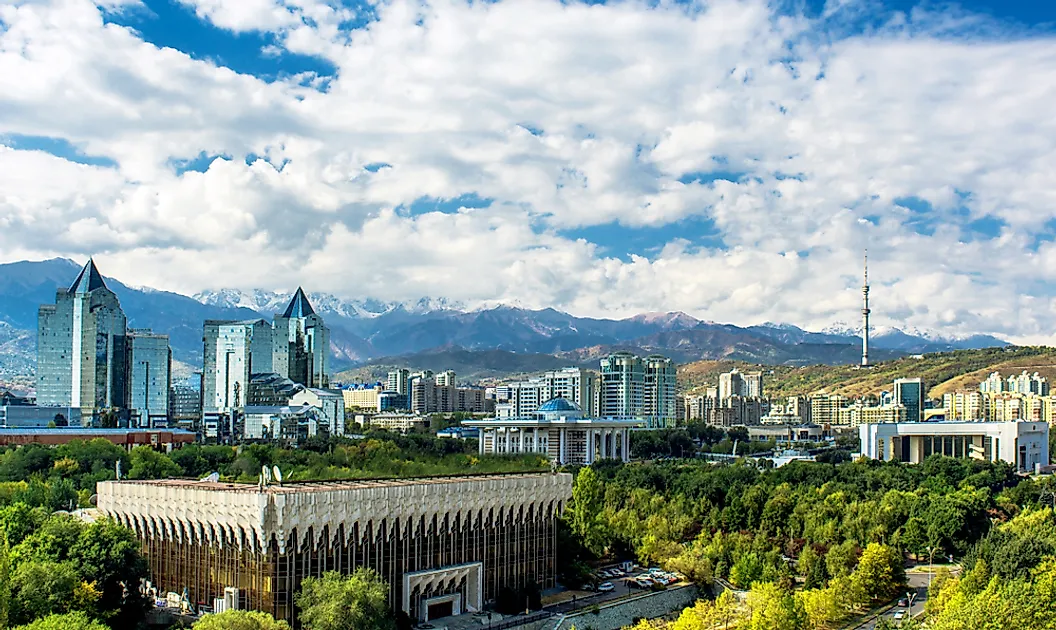
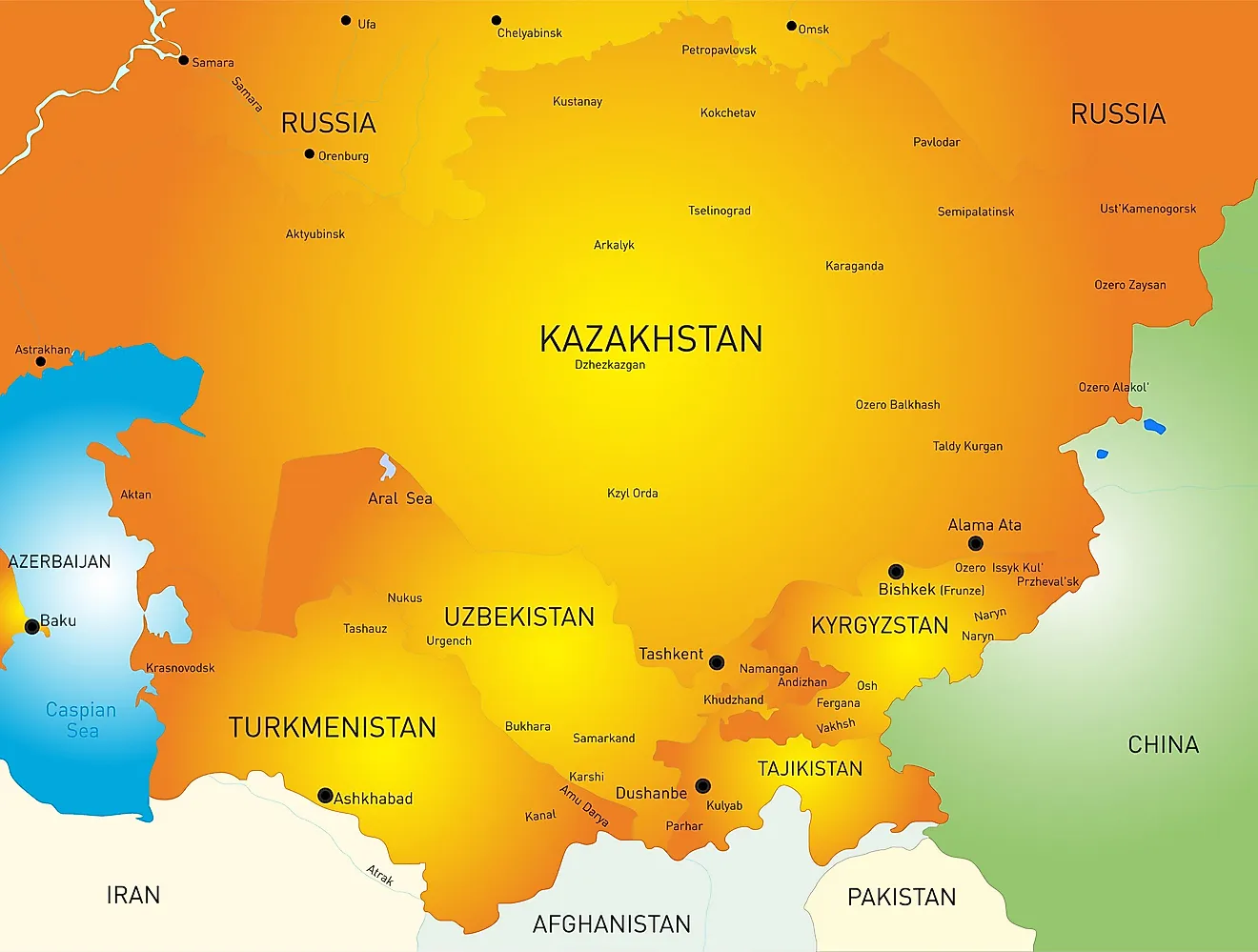
Kazakhstan is the ninth-largest country on Earth and the giant of the Central Asian "-stan" cluster. The name breaks neatly in two. "Kazakh" comes from an old Turkic root, "qaz," meaning "to wander," a fair description of the nomadic herding life of the early Kazakhs, and "-stan" is the Persian suffix for "land." Put them together and Kazakhstan means, more or less, "the land of the wanderers." Several of its neighbors on this list follow the exact same recipe.
Kyrgyzstan
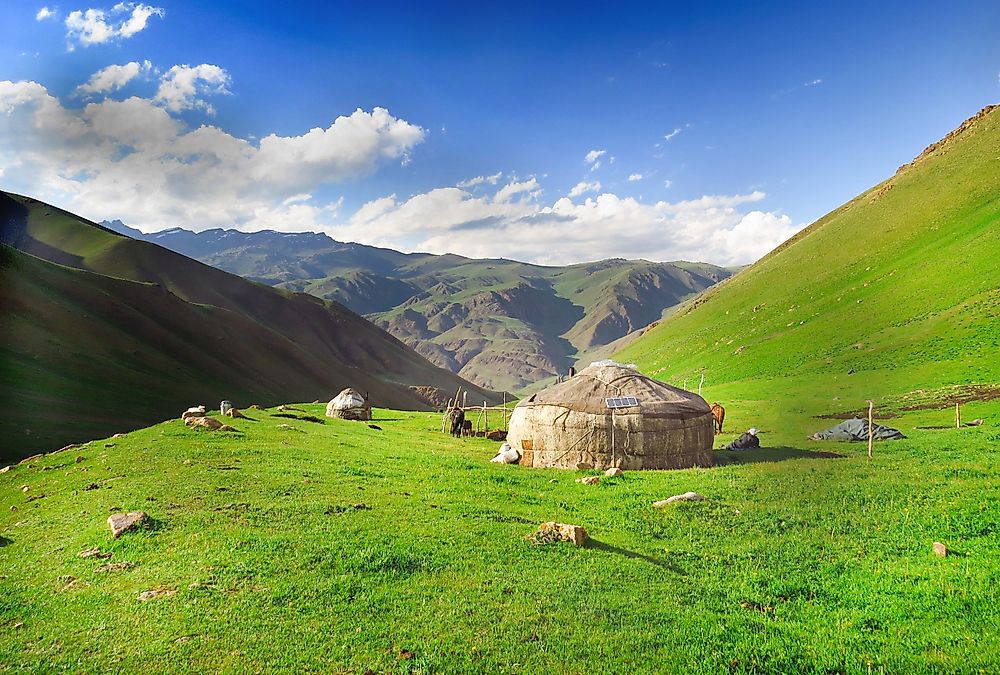
Kyrgyzstan keeps the pattern going with a twist. "-stan" is again "land," but the first part is thought to come from the Turkic word "kyrk," meaning "forty," giving a name that translates to something like "the land of the forty tribes," a reference to the forty clans of Kyrgyz legend said to have been united by the hero Manas. It is the only country whose name may contain a specific number.
Luxembourg
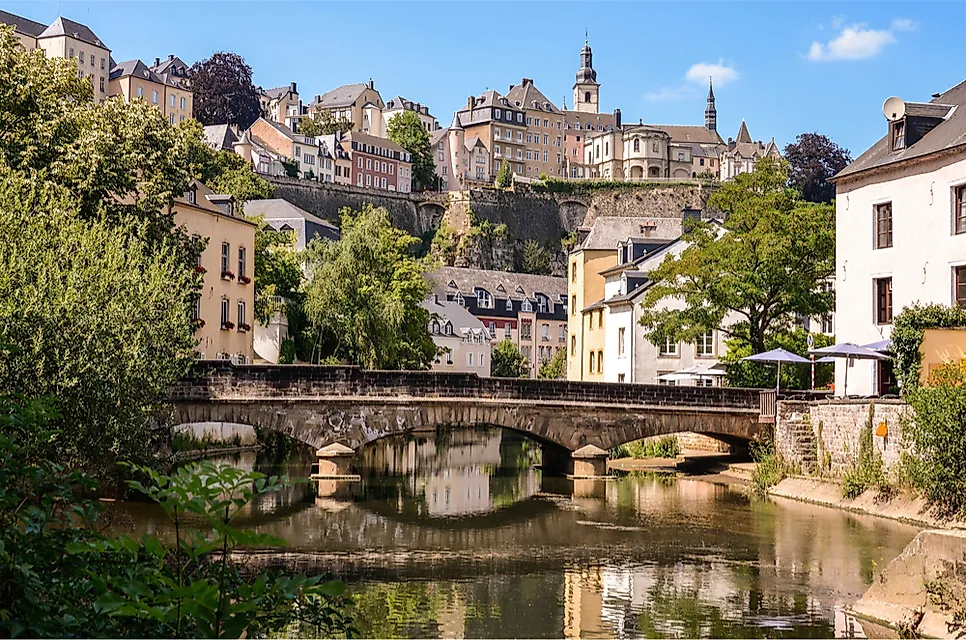
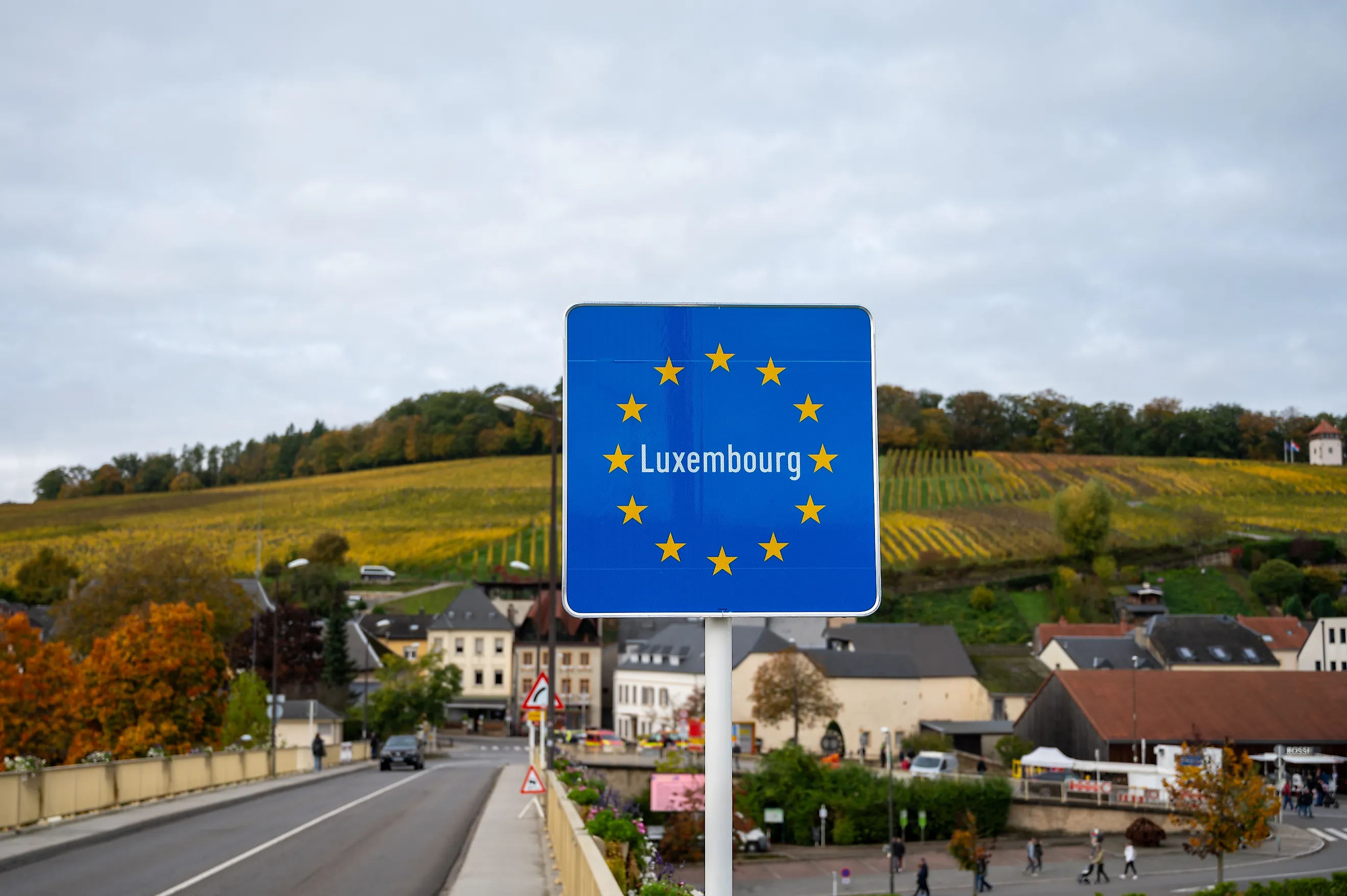
Tiny, landlocked Luxembourg is named after a castle, and a small one at that. In 963 AD, Count Siegfried of the Ardennes acquired a fortification on a rocky promontory called Lucilinburhuc, which translates roughly to "Little Fortress." A town grew up around it, then a county, then a Grand Duchy, and the old name softened over the centuries into the modern Luxembourg. The joke writes itself: the "Little Fortress" grew into one of the wealthiest nations in the world.
Madagascar
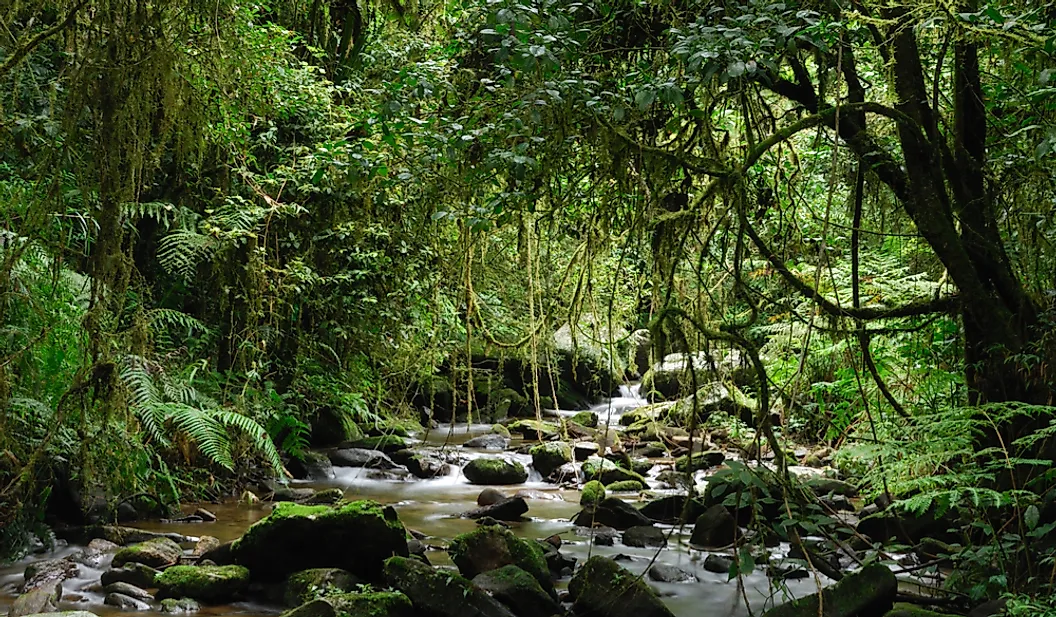
Here is the best story of the bunch. The Republic of Madagascar may owe its name to a 13th-century clerical error. The leading theory holds that Marco Polo, hearing about the island secondhand, confused it with Mogadishu, the Somali port, and wrote it down as "Madageiscar." European mapmakers then copied the mistake onto their charts, and it stuck. The island's own people had long called it something closer to "Madagasikara," but the name that circled the globe was essentially a famous traveler's mishearing that nobody ever corrected.
Mauritania
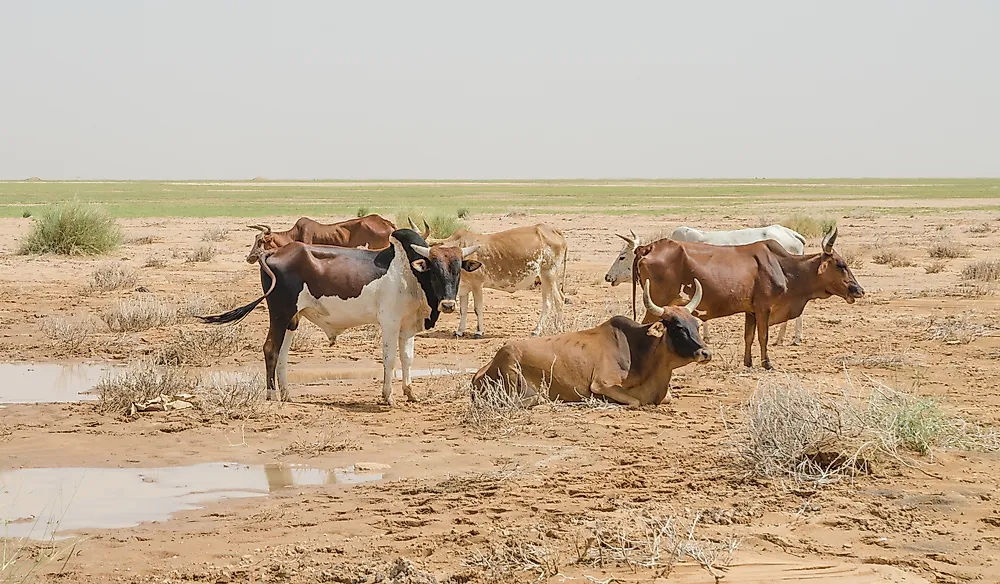
Mauritania is, in a sense, misnamed. It borrows from the classical kingdom of Mauretania in what is now northern Morocco and Algeria, which itself took its name from the Mauri, a Berber people, giving the Latin sense of "land of the Moors." The catch is that ancient Mauretania sat well to the north of the modern country, so present-day Mauritania carries a name that historically belonged to somewhere else entirely.
Montenegro
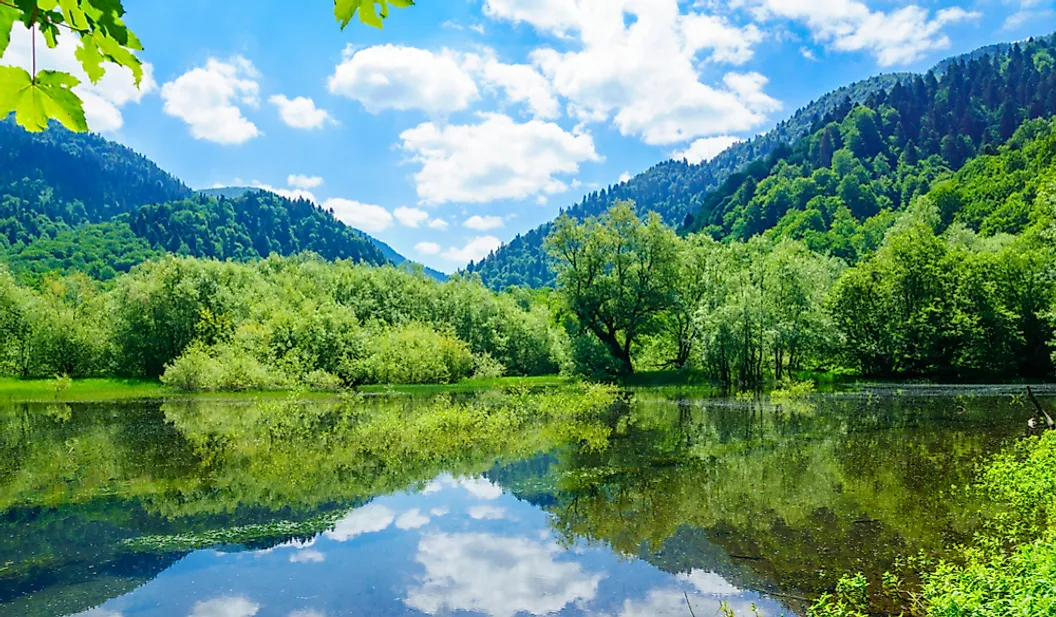
Montenegro means exactly what it looks like in a Romance language: "black mountain." The name is a Venetian rendering that spread into wide international use, describing the dark, forested peak of Mount Lovcen that looms over the old coastal heartland. The country's own people call it Crna Gora, which carries the identical meaning in their language. It is a rare case of a name that is purely descriptive of the landscape.
Mozambique
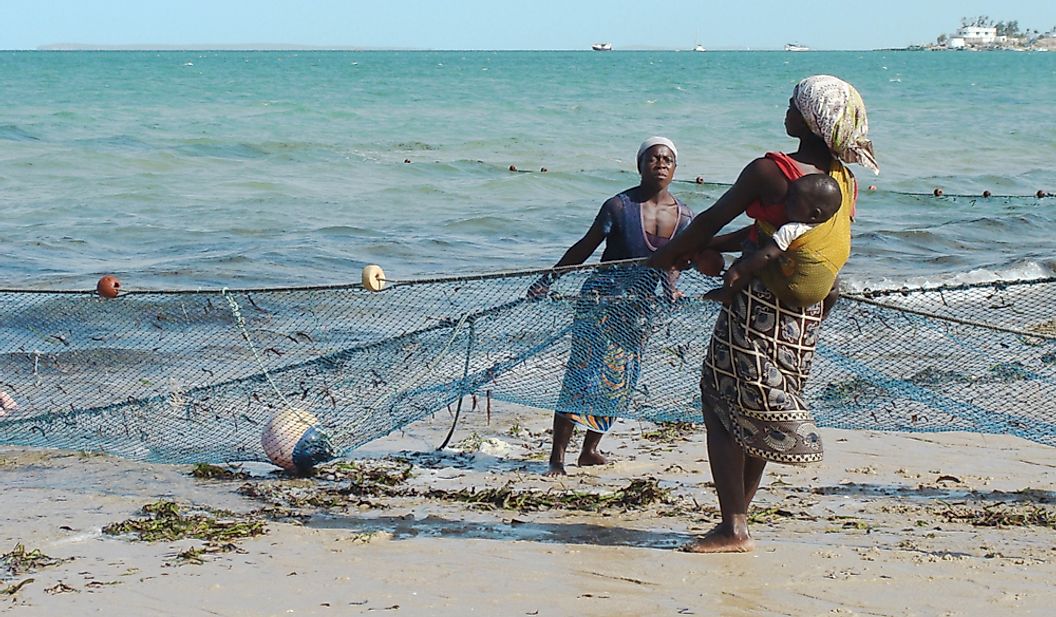
Mozambique is named after a person, though not a king or an explorer. When Portuguese ships arrived on the southeast African coast, a small offshore island was ruled by Mussa Bin Bique, a wealthy Omani merchant and respected Muslim sheikh. The Portuguese took his name for the island, and over time it spread to the entire mainland colony and eventually the independent nation. An entire country of more than 30 million people carries the name of one 15th-century trader.
New Zealand
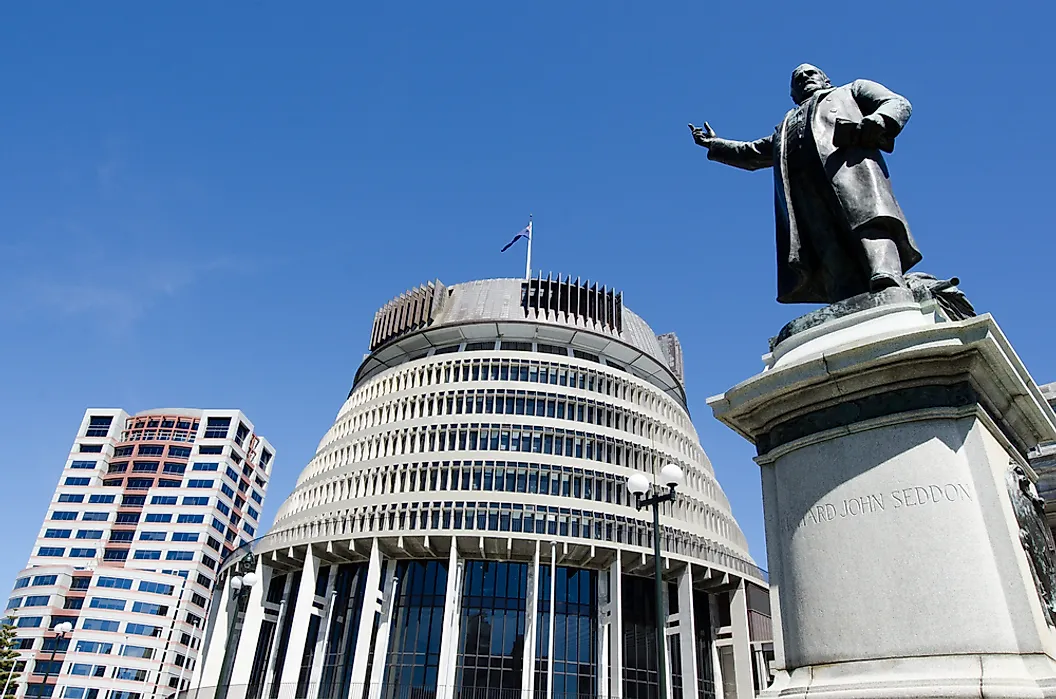
New Zealand owes its name to a Dutch mapmaker who never went there. Explorer Abel Tasman sighted the islands in 1642 and first called them Staten Landt, wrongly guessing they connected to South America. Once that was disproven, Dutch cartographers relabeled the land Nova Zeelandia, after the province of Zeeland ("sea-land") back home, and Captain James Cook later anglicized it to New Zealand. The Maori name, Aotearoa, "land of the long white cloud," now often travels alongside it.
North Korea
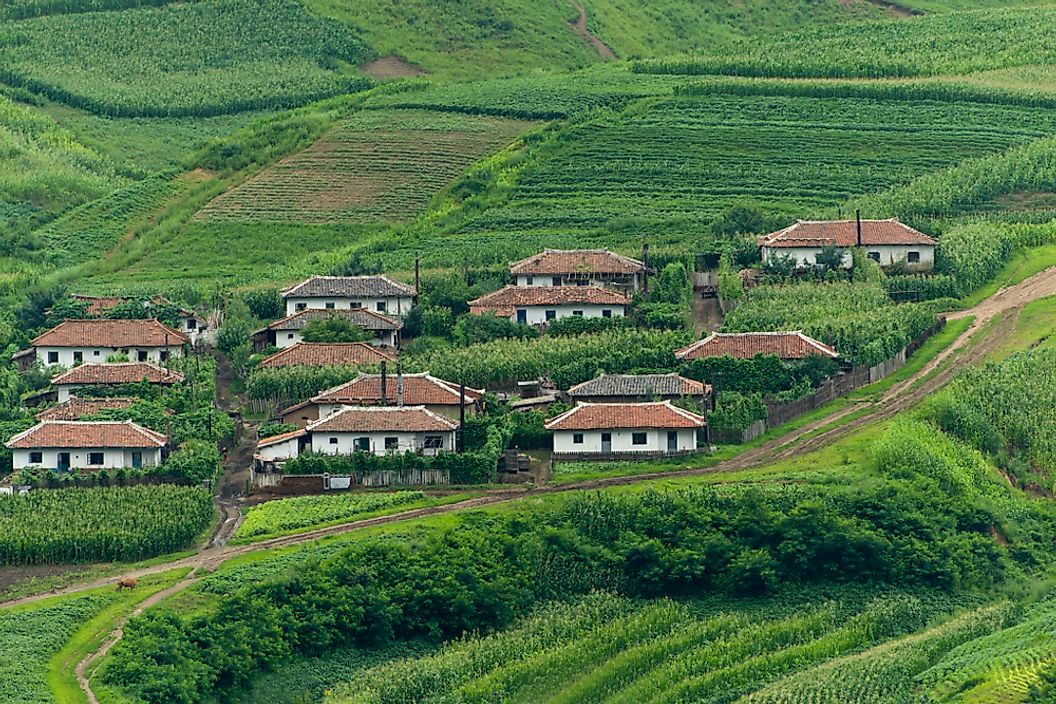
North Korea shares the "Korea" half of its name with its southern neighbor, and that word comes from the medieval Goryeo dynasty, which Persian merchants carried westward as "Korea." The "North" simply marks the division of the peninsula after 1945. Tellingly, North Koreans do not call their country Korea at all in their own language; they use "Joseon," after an earlier dynasty, while South Koreans say "Hanguk."
Saint Lucia
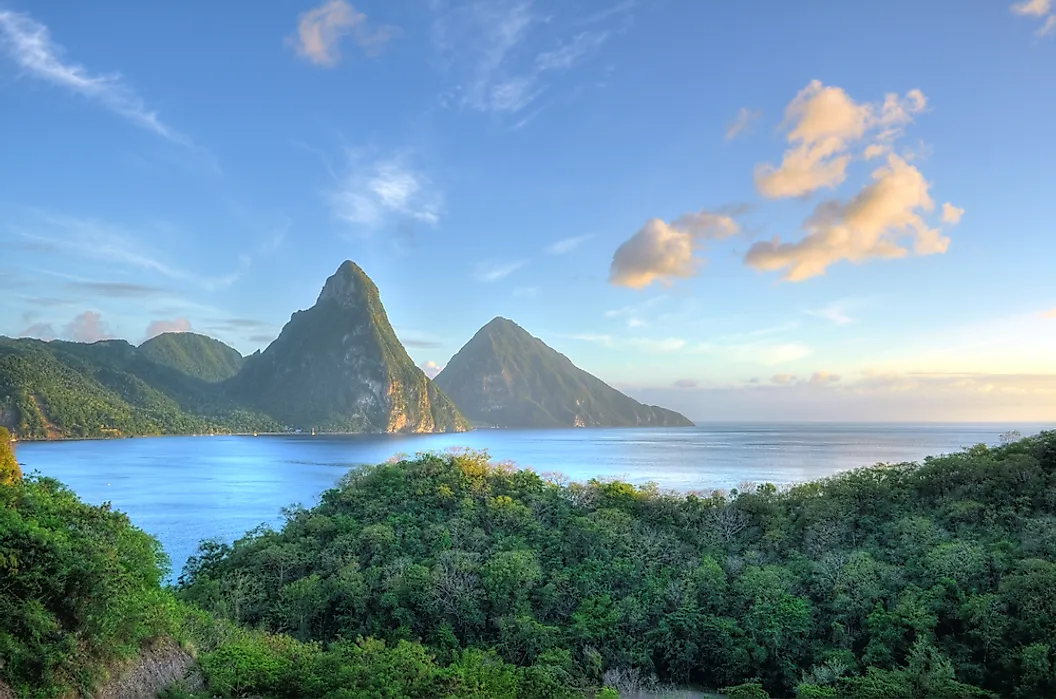
Saint Lucia, an eastern Caribbean island, is named after Saint Lucy of Syracuse, and French sailors are generally credited with the choice, supposedly landing on or near her feast day. That gives the island a distinction often repeated with pride: it is widely described as the only sovereign nation named after a woman. Whether or not the feast-day story is exact, the female namesake sets it apart from every other country here.
Seychelles

The Seychelles, a scatter of islands in the Indian Ocean, wins the prize for the most arbitrary namesake on this list. When France claimed the islands in the 1750s, they named them after Jean Moreau de Sechelles, Louis XV's finance minister at the moment of the claim. He held the post for about two years before a stroke ended his career, and he never once visited the islands that now bear his name and hold a seat at the United Nations. It is a strong argument for having a memorable job title at the right time.
South Korea
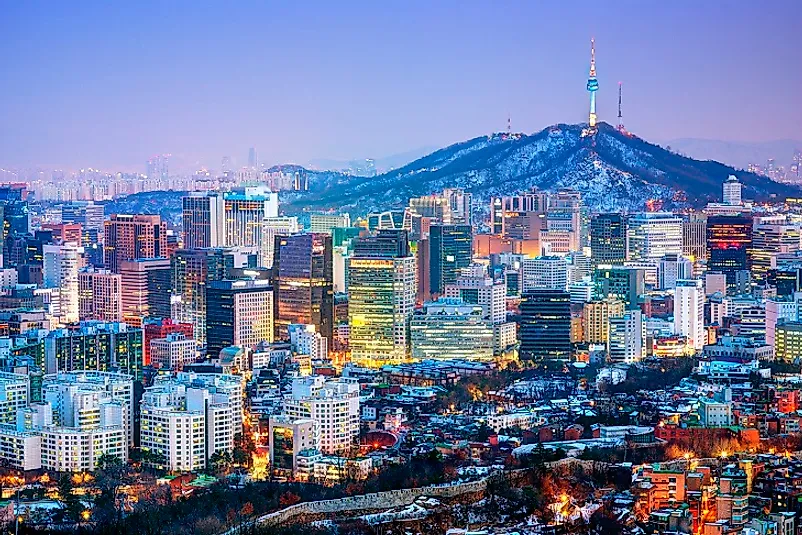
South Korea is the mirror image of its neighbor: same "Korea," from the Goryeo dynasty by way of medieval traders, with "South" marking the postwar split. In everyday Korean, South Koreans call their country Hanguk, drawn from the ancient Three Han confederacies, a reminder that "Korea" is very much an outsider's word for the place, even as the country has made it globally famous.
South Sudan
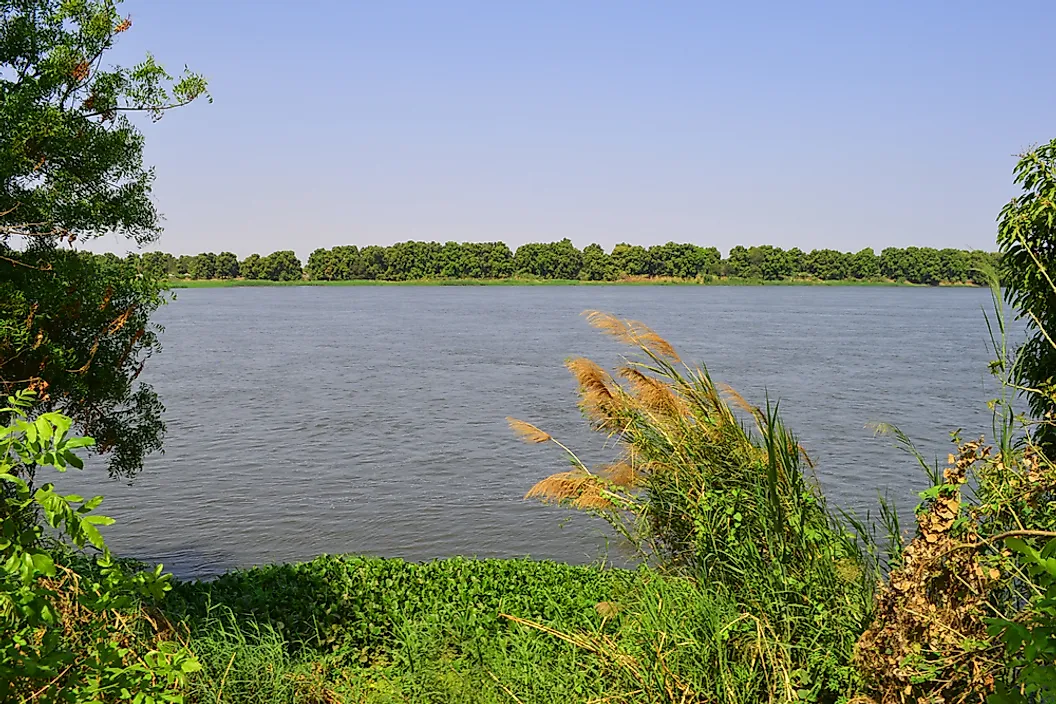
South Sudan is the newest country in the world, having split from Sudan in 2011. The "Sudan" half comes from the Arabic phrase "bilad as-sudan," meaning "land of the Blacks," a medieval term for the belt of Africa south of the Sahara. The "South" reflects the new nation's position, making this a name that is part ancient Arabic geography and part very recent politics.
Tajikistan
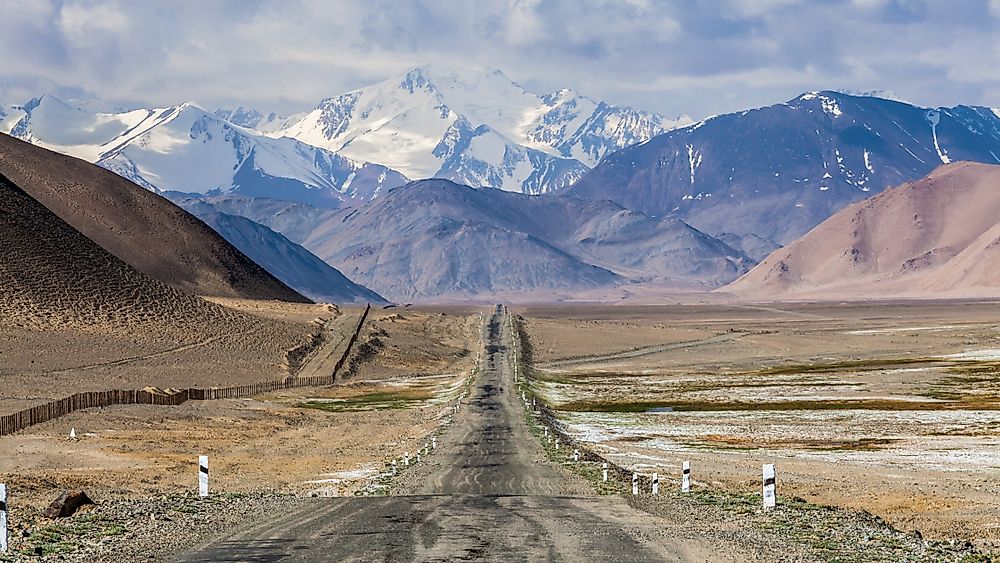
Tajikistan is another "-stan," the "land of the Tajiks," the Persian-speaking people who make up most of the population and set the country apart from its Turkic-speaking neighbors. Mountainous and landlocked, it is the smallest country in Central Asia by area, but its name follows the same simple formula as the giants around it: a people, plus the word for land.
Uzbekistan
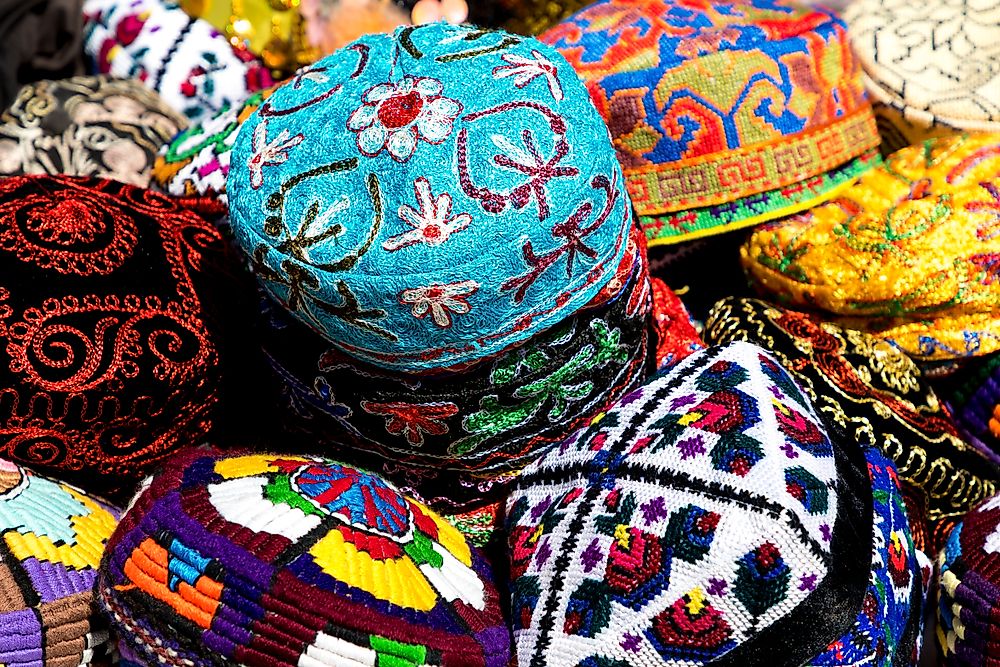
Uzbekistan completes the Central Asian set as the "land of the Uzbeks." It is the only country in the world doubly landlocked, meaning every neighbor is itself landlocked too, so a boat would have to cross two borders just to reach an ocean. Its Silk Road cities, Samarkand and Bukhara among them, were trading centers long before the modern nation took the name it carries today.
What These Names Have in Common
Line the 18 up and a few patterns jump out. The biggest is the "-stan" family: Azerbaijan, Kazakhstan, Kyrgyzstan, Tajikistan, and Uzbekistan all land on 10 letters, which is why Asia dominates the list. The second pattern is that most of these countries did not name themselves. The Portuguese named Mozambique, the French named the Seychelles and Saint Lucia, the Spanish named El Salvador, the Dutch named New Zealand, and a medieval Italian may have accidentally named Madagascar. Whether a name honors a fortress, a savior, a wandering people, or a finance minister who never showed up, the through-line is the same: a country's name is usually a fossil of whoever held the pen when the map was drawn.
Are There Longer Country Names?
Easily. Ten letters is barely past the midpoint. Among one-word English names, Liechtenstein runs to 13 letters, and Turkmenistan and Afghanistan both hit 11. Push into official names and the counts balloon: the "Democratic Republic of the Congo" and the "United Kingdom of Great Britain and Northern Ireland" leave any 10-letter name in the dust. That is exactly why this list uses common English short names rather than official ones. Counting "Republic of Kazakhstan" instead of "Kazakhstan," or "Democratic People's Republic of Korea" instead of "North Korea," would produce a completely different and much longer set. Small connecting words like "the," as in "the Seychelles," are also left out of the totals.
The Full List
All 18 sovereign countries whose common English names contain exactly 10 letters, in alphabetical order. Eight are in Asia, five in Africa, two each in Europe and North America, and one in Oceania.
| Country | Continent |
|---|---|
| Azerbaijan | Asia |
| Bangladesh | Asia |
| El Salvador | North America |
| Kazakhstan | Asia |
| Kyrgyzstan | Asia |
| Luxembourg | Europe |
| Madagascar | Africa |
| Mauritania | Africa |
| Montenegro | Europe |
| Mozambique | Africa |
| New Zealand | Oceania |
| North Korea | Asia |
| Saint Lucia | North America |
| Seychelles | Africa |
| South Korea | Asia |
| South Sudan | Africa |
| Tajikistan | Asia |
| Uzbekistan | Asia |