The National Forests Where You Can Cut Your Own Christmas Tree
Many of America's National Forests allow visitors to harvest their own Christmas trees with a permit. The tradition is about more than holiday spirit, however; cutting small trees from densely wooded areas can also help maintain healthy forests by giving the remaining trees more room to grow. Permits are generally available through Recreation.gov, although each forest has its own designated cutting areas, tree-size limits, and restrictions. Before heading out, purchase your permit, review the current regulations, and check road conditions. Here are seven National Forests where you can cut down your own Christmas tree this season.
Arapaho and Roosevelt National Forests - Colorado

Located in north-central Colorado, the Arapaho and Roosevelt National Forests, administered alongside Pawnee National Grassland, total approximately 1.5 million acres. Christmas tree cutting is permitted in authorized areas, including the Sulphur Ranger District in Grand County and designated areas of the Canyon Lakes Ranger District in Larimer County. Cutting is prohibited in the Boulder and Clear Creek Ranger Districts. Visitors must remain at least 75 feet from roads, trails, trailheads, and developed recreation sites. Trees marked with blue paint or located in posted no-cutting areas must also be left alone. Permits must be displayed on the harvested tree or on the vehicle dashboard, and the entire tree must be cut near ground level rather than removing only its top. With mountain scenery and thick evergreen forests, the area offers a fitting setting for a holiday tree-cutting trip.
Custer Gallatin National Forest - Montana and South Dakota

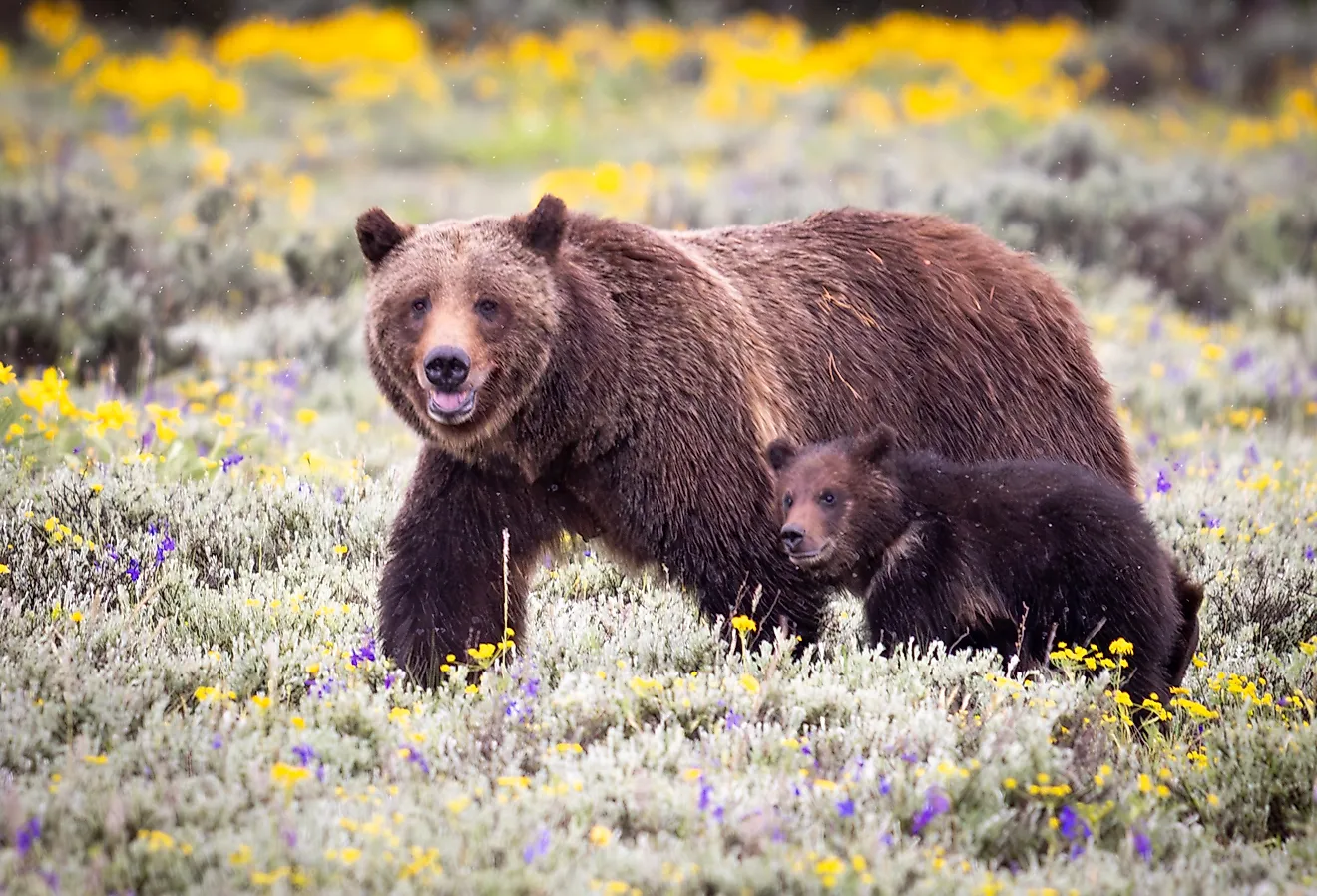
Encompassing more than 3 million acres across Montana and South Dakota, Custer Gallatin National Forest features mountains, valleys, grasslands, and extensive conifer forests. Christmas tree permits allow cutting in eligible areas throughout the forest, except in developed recreation sites, wilderness areas, riparian zones, active timber sales, and reforestation areas. Tree-height limits vary by ranger district, generally ranging from 12 to 15 feet, and stumps must be no taller than six inches. Five-needle pines, including limber pine and whitebark pine, cannot be harvested. The forest is also home to black bears and grizzly bears, although bear activity generally decreases during colder months. Visitors should review local wildlife guidance and winter road conditions before traveling into the forest.
White Mountain National Forest - New Hampshire and Maine

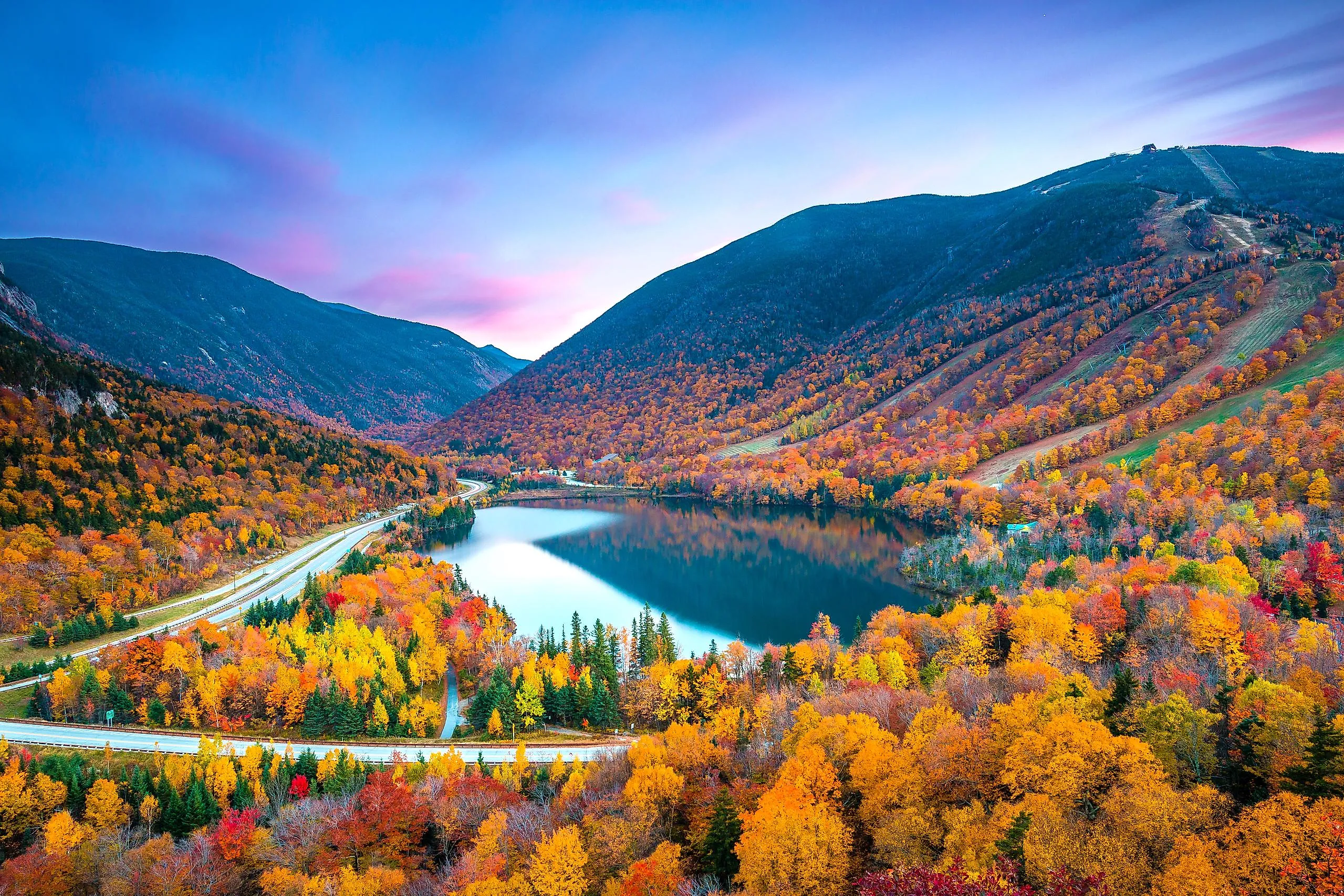
Spanning the White Mountains of New Hampshire and western Maine, White Mountain National Forest offers mountain streams, scenic valleys, and forests of spruce, fir, and other tree species. Christmas tree cutting is allowed with a permit, subject to restrictions protecting developed recreation areas and sensitive forest habitats. Trees must have a stump diameter of no more than six inches, and the remaining stump cannot exceed 10 inches in height. Chainsaws are prohibited, so visitors must use a handsaw, ax, or another permitted hand tool. Cutting is prohibited within 100 feet of campgrounds, picnic areas, trailheads, paved roads, and bodies of water, as well as within 50 feet of dirt roads. Wilderness areas, experimental forests, existing tree plantations, and active timber sales are also excluded. Visitors must take the entire tree rather than cutting down a larger one and removing only the top.
Monongahela National Forest - West Virginia

Established in 1920, Monongahela National Forest encompasses nearly one million acres of mountainous terrain across eastern West Virginia. Christmas tree cutting is permitted in authorized portions of the Greenbrier, Marlinton, and Gauley Ranger Districts, with permits issued for specific districts. Each household is limited to one tree. Harvested trees cannot exceed 12 feet in height or four inches in trunk diameter measured at breast height, approximately 4.5 feet above the ground. Visitors must select a conifer, such as a pine or spruce, and cannot cut hemlocks or hardwoods such as oak and maple. Cutting is prohibited within 100 feet of roads and in wilderness areas, developed recreation sites, and existing tree plantations. The Forest Service also encourages choosing trees growing in dense groups rather than isolated specimens and cutting stumps as close to the ground as possible.
Ocala National Forest - Florida

Ocala National Forest offers a different kind of Christmas tree-cutting experience, with sandy pine forests, freshwater springs, and lakes instead of snowy mountains. Located in central Florida, the forest allows permitted Christmas tree harvesting within designated areas marked by signs. Permits authorize the cutting of up to five trees, with a maximum height of 25 feet per tree. Stumps must be no taller than six inches, and visitors must harvest the entire tree rather than cutting down a large specimen and taking only its top. Sand pines are among the native trees available in this Florida setting. Because cutting takes place in designated areas, visitors should download the official harvest maps before traveling. It is also a good idea to inspect the branches for insects before bringing a freshly cut tree indoors.
Prescott National Forest - Arizona

Prescott National Forest in central Arizona features pine-clad mountains, chaparral-clad hillsides, and rugged terrain surrounding the Prescott area. Christmas tree permits have included much of the Bradshaw and Chino Ranger Districts, along with the western portion of the Verde Ranger District on Mingus Mountain. Visitors must consult the current season's maps to identify approved cutting locations. Each household is limited to one permit, and harvested trees must be no taller than 10 feet, with stumps no higher than eight inches. Cutting is prohibited in wilderness areas, on private property, within 200 feet of designated campgrounds and recreation areas, and in active timber sales or recently planted areas. The forest's varied elevations provide opportunities to search for a holiday tree among the conifers of Arizona's high country.
Modoc National Forest - California

Located in northeastern California, Modoc National Forest features volcanic landscapes, forested mountains, and broad high-desert plateaus. Christmas tree permits allow households to harvest up to two trees, subject to the forest's cutting regulations. Trees cannot exceed 20 feet in height, and their stump diameters must be no greater than six inches. Stumps must also be left no taller than 12 inches. Pine, fir, and cedar trees are eligible for cutting, but hardwoods such as aspen and oak are prohibited. Visitors are encouraged to select trees from dense stands rather than isolated specimens growing in open areas. Cutting is prohibited within 200 feet of campgrounds, paved roads, and administrative sites, as well as in areas posted against woodcutting. Permits must be carried while harvesting and transporting trees.
Cutting your own Christmas tree offers an opportunity to explore a National Forest while creating a holiday tradition. These seven forests provide settings as different as Colorado's mountains and Florida's pine woods for finding a fresh tree. Remember that permits, cutting boundaries, and seasonal restrictions can change, so always review the latest Forest Service guidance before visiting. With a permit, the right equipment, and a little preparation, a trip into the woods can become one of the most memorable parts of the holiday season.