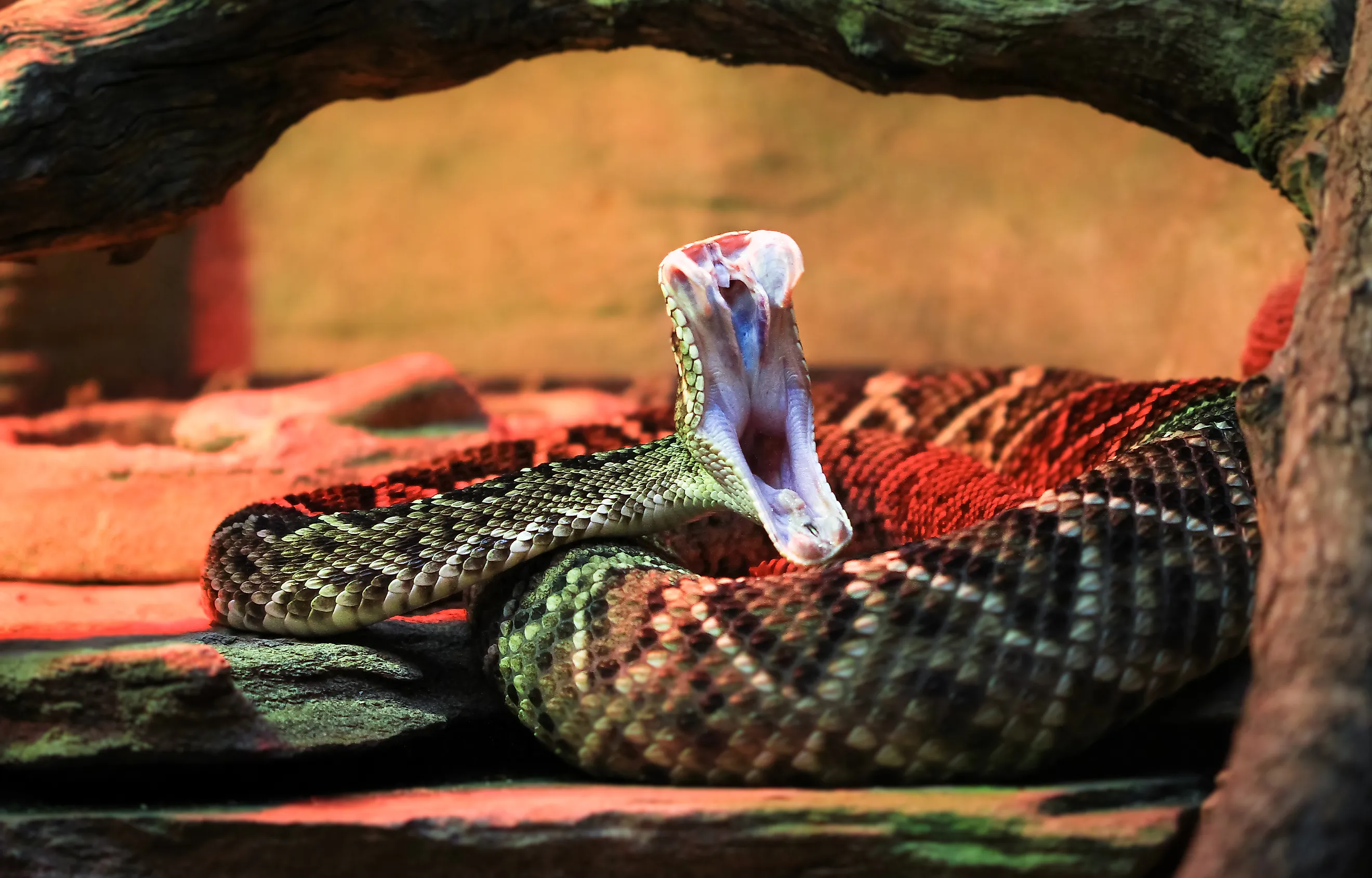
How Many People Have Ever Died Of A Snakebite In A National Park
The National Park Service mortality dataset has recorded 4,932 deaths across all national park units from 2007 to 2026. Wildlife incidents caused 10 of these deaths. None of them was caused by snakebites. Motor vehicle crashes, drownings, and falls are the top three leading causes of unintentional deaths in national parks. Although venomous snakes inhabit several national parks across the contiguous United States, encountering one is rare, and being bitten is even rarer. Historical records, however, suggest that at least one person may have died following a rattlesnake bite in Yosemite National Park.
How Common Are Snakebites in the United States?

Snakes are found in every single state, except for Alaska, and Hawaii. Timber rattlesnakes (Crotalus horridus) once extended to Maine and Rhode Island, but have since been extirpated. Venomous snakes are found in every other contiguous state. According to the Centers for Disease Control and Prevention, between 7,000 and 8,000 people are bitten by venomous snakes in the United States each year. Approximately five people die from these bites.
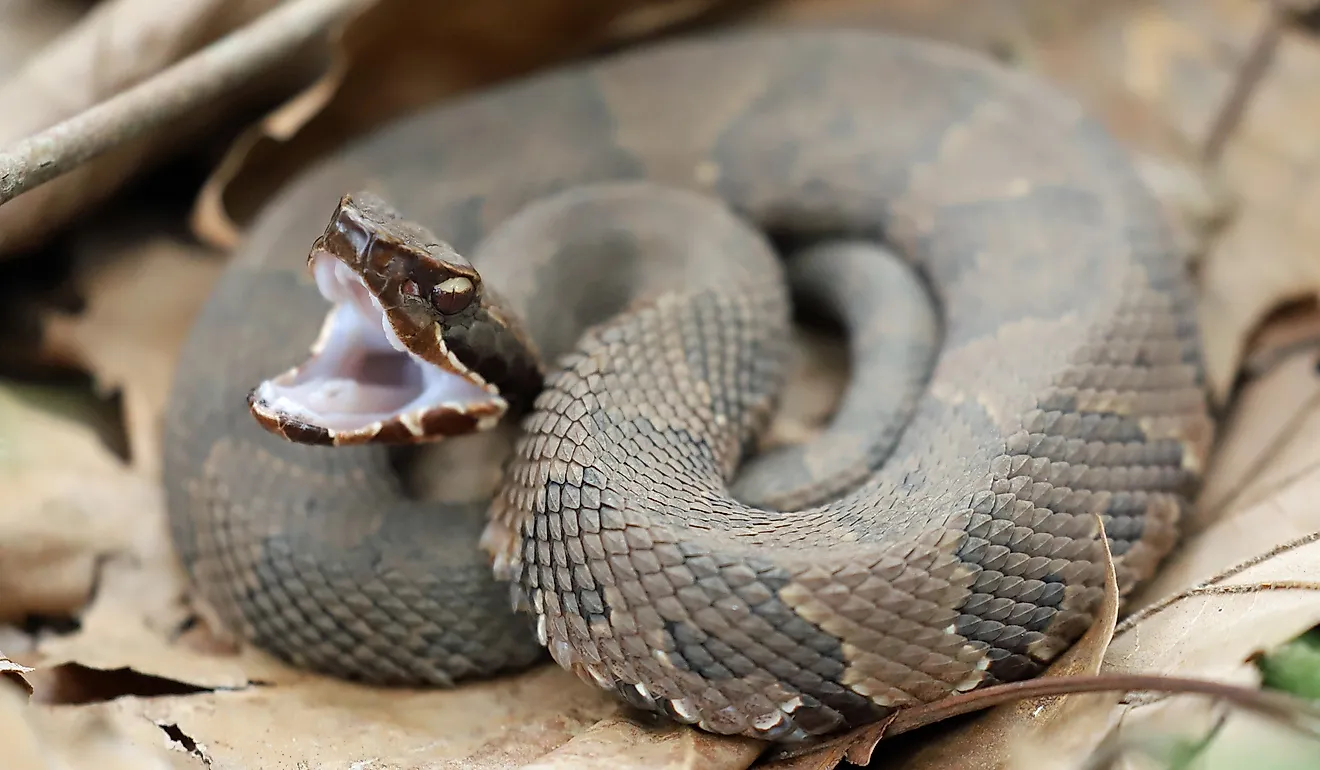
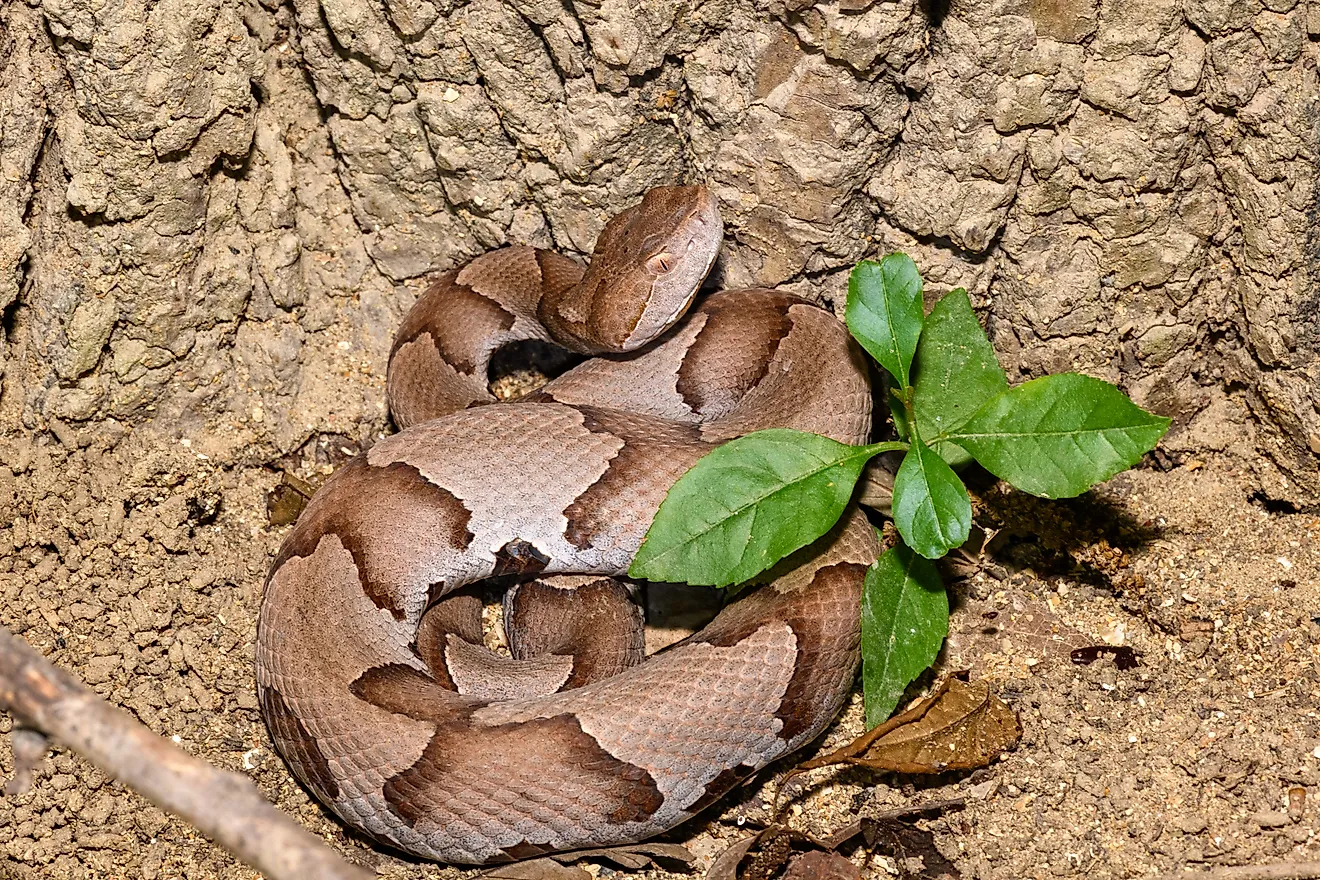
The University of Hartford conducted a study on 332 media-reported venomous snakebites in the United States between 2011 and 2013. Their findings reported that copperheads (Agkistrodon contortrix) accounted for one-third of all reported bites.
A 2025 study published by the Western Journal of Emergency Medicine noted that approximately 90% of copperhead envenomations are classified as minor or moderate. Although copperhead bites can be fatal, most result in mild-to-moderate symptoms, like localized swelling, pain, and nausea and vomiting.
Why Are Snakebite Deaths So Rare in National Parks?

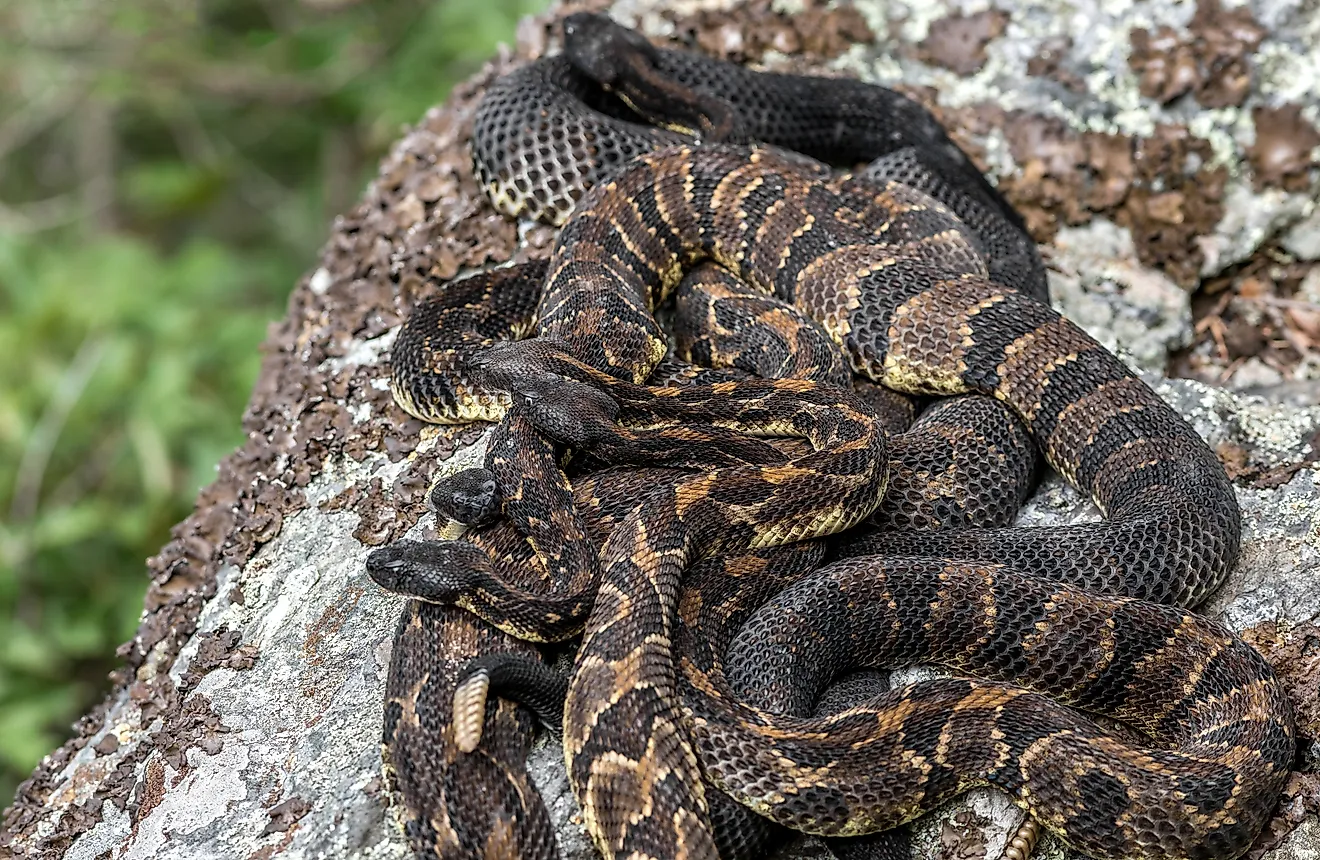
Snakes are found throughout the entire contiguous United States, however, nonvenomous species in national parks are generally more common than venomous species. Great Smoky Mountains National Park is home to 23 species of snakes, two of which, the northern copperhead (Agkistrodon contortrix mokasen) and timber rattlesnake (Crotalus horridus), are venomous. These species are shy and generally avoid people in the Great Smoky Mountains. The chances of encountering a venomous snake, much less being bitten by one, are extremely low. As such, there have been no recorded human fatalities from snakebites in the park.
Five confirmed snake species occur in Yellowstone National Park. Only the prairie rattlesnake (Crotalus viridis) is venomous. It is limited to the lower Yellowstone River areas in the park, where the climate is generally warmer and drier. There have only been two known snakebites in the entire history of the park, neither of which was fatal.
Did a Rattlesnake Kill Someone in Yosemite in 1931?

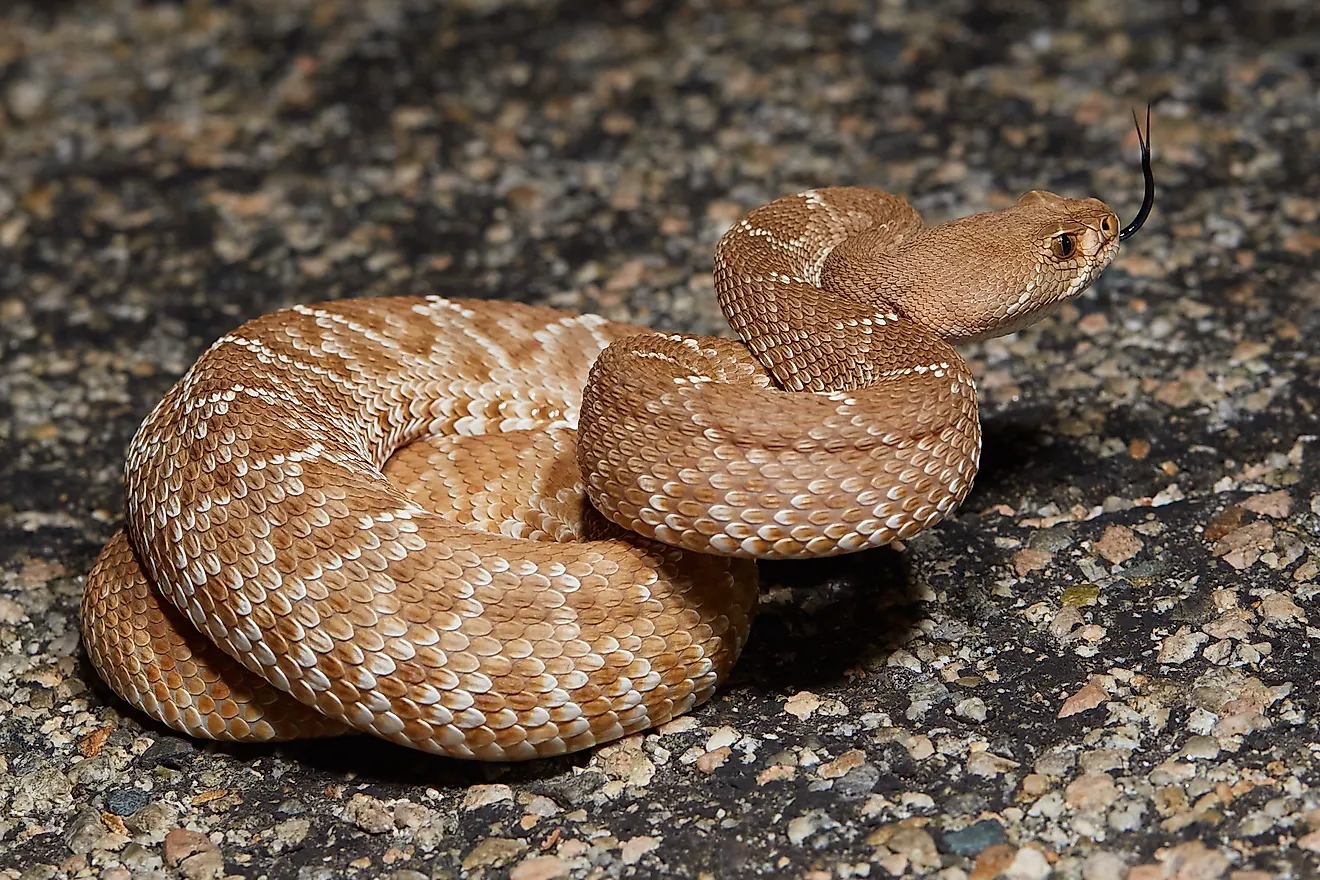
Yosemite National Park's history includes a questionable account of a fatal rattlesnake bite in 1931. Out of the 13 documented species of snakes that inhabit the park, only the northern Pacific rattlesnake (Crotalus oreganus) is venomous. They usually occur in areas with adequate cover, such as rocks, logs, and woodpiles, up to a maximum elevation of around 9,000 feet (2,743 meters). Unlike other species of rattlesnake, northern Pacific rattlesnakes seldom rattle, opting to remain still and silent to avoid detection.
The Superintendent's Annual Report from 1931 states that one Mrs. Louise R. Barnes of Hermosa Beach, California, died following a rattlesnake bite. However, the report does not explicitly state where the bite occurred, if it was within Yosemite at all. It therefore is not a confirmed snakebite-related death within a national park.
Avoiding Snakebites in National Parks

When hiking in parks inhabited by venomous snakes, the National Park Service advises precautions to reduce the chances of snakebites. In rocky areas like Pinnacles National Park or Yosemite National Park, rattlesnakes are known to occupy rocky ledges, cracks, and crevices. Hikers should therefore refrain from placing their hands and feet into places they cannot see, like when climbing or scrambling, as there could be a snake amongst the rocks. Furthermore, remaining on designated, clear trails devoid of dense brush and other ground debris makes it easier to see venomous snakes on the trail.
If venomous snakes are encountered, it is important to behave accordingly, as you would towards any wildlife. Snakes should be given plenty of room to move away, without being handled or provoked into moving. It is also important not to assume that a snake is harmless simply because it lacks a rattle. Baby rattlesnakes have a small button on the end of their tail which will gain new segments each time they shed, while adult rattlesnakes can break theirs off.
The Sparsity of Snakebites

Snakebites in general are rare in national parks, and fatalities are rarer still. However, the absence of confirmed deaths from snakebites since 2007 does not mean they cannot happen in the future. The severity of a snakebite depends on several factors, including the species of snake, the amount of venom injected, and the victim's age and any underlying health conditions. Visitors should therefore remain cautious and aware of venomous snakes, even when encounters are uncommon.