The State Parks With The Most Red Diamond Rattlesnakes
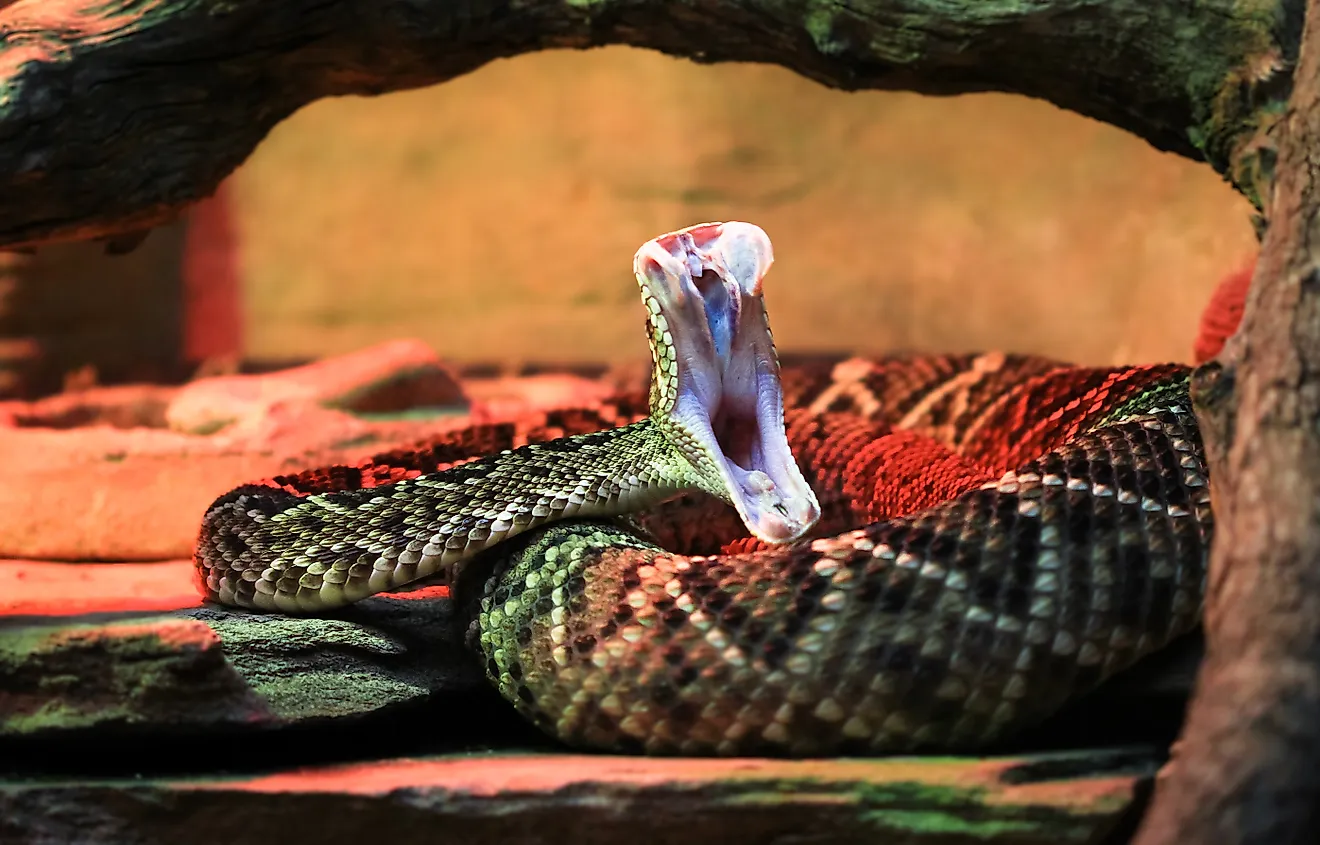
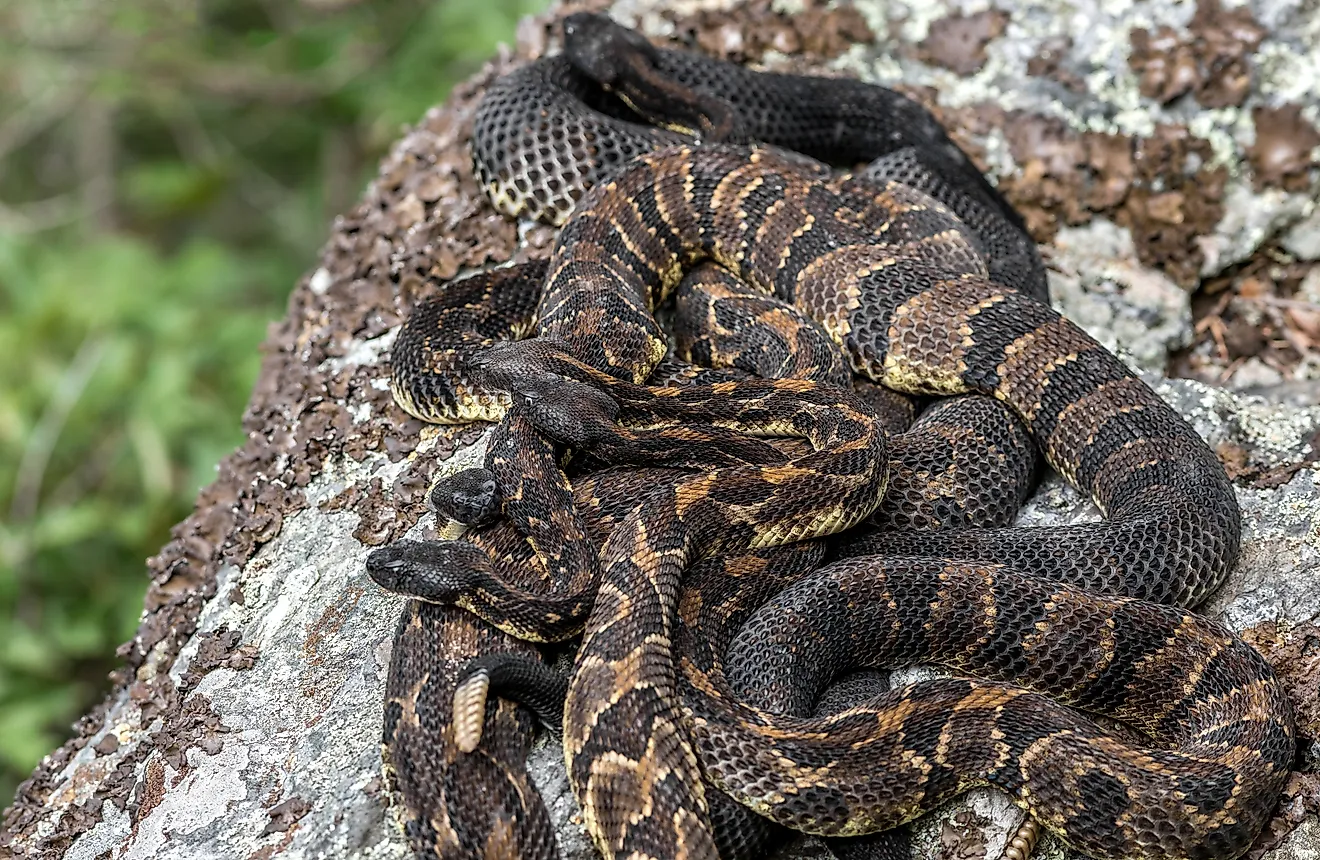
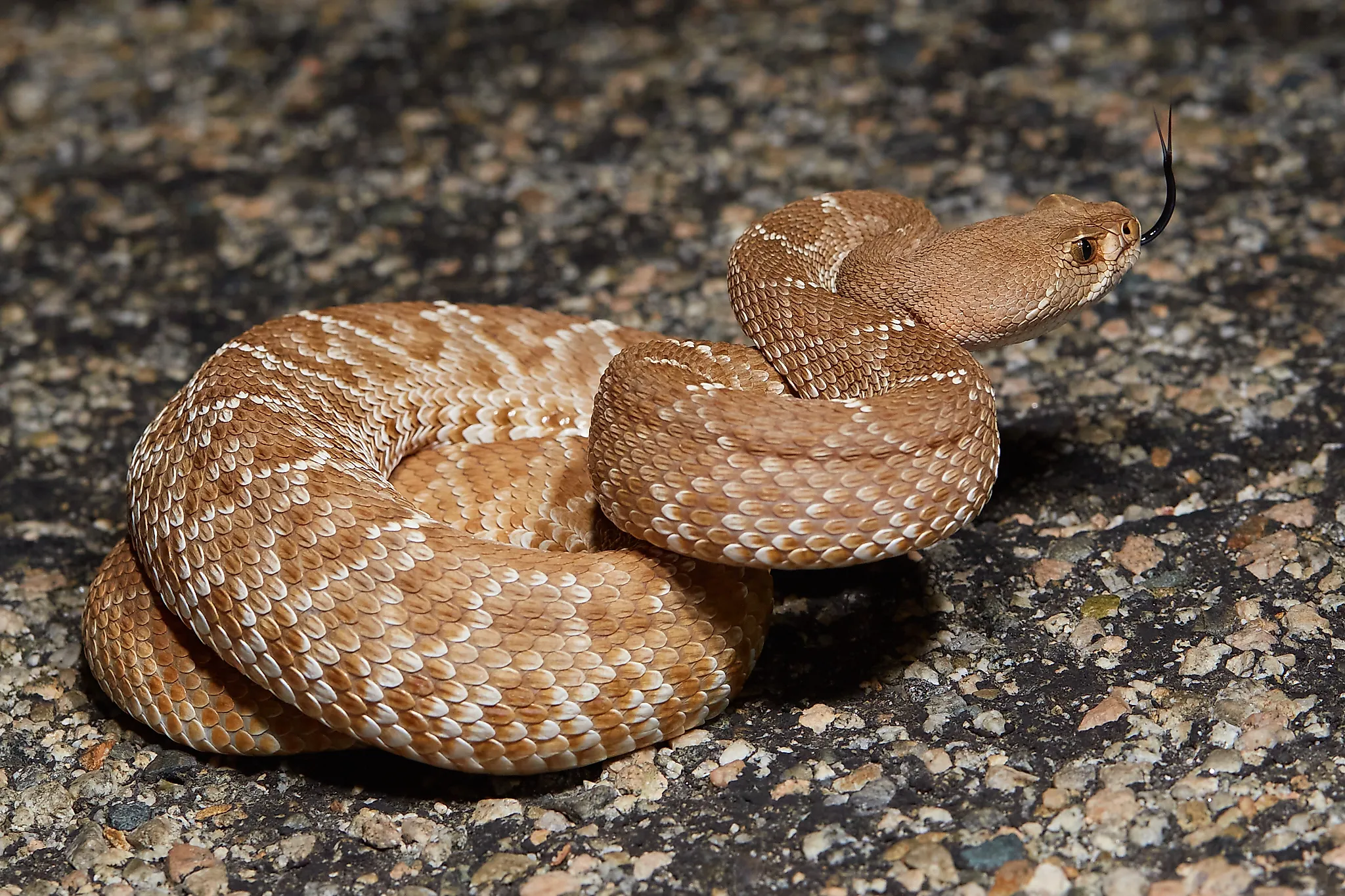
California law lets you kill almost any rattlesnake you come across. Not this one. The red diamond rattlesnake is the only snake the state forbids anyone to take or kill. It is also San Diego County's largest rattlesnake, a brick-red animal marked with pale-edged diamonds and a black-and-white tail that can pass five feet.
In the United States, it lives nowhere but California's southwestern corner, in the rocky hills between the Pacific and the desert. Right now, in late November, most red diamonds are coiled in winter dens, the same rock crevices they used last year, and only a warm afternoon will bring one out to bask. Come spring, the sightings start again. And one state park records more than ten times as many as all the others combined.
Anza-Borrego Desert State Park

Anza-Borrego Desert State Park, California's largest state park at about 600,000 acres, covers the desert end of the red diamond's range. It holds the richest concentration of lizards and snakes in the state, more than 50 species, and three other rattlesnakes share it with the red diamond, the sidewinder among them. iNaturalist users have recorded 382 red diamonds inside the park. None turn up in January. Sightings climb through March and peak in April, during the spring stretch when the species mates, then fall off over the summer, rise again in September, and dwindle to a handful by December.
About 60 percent of the mapped records fall in the western part of the park, where the mountain fronts break into a row of canyons such as Borrego Palm and Hellhole. Culp Valley holds the park's highest campground, at about 3,400 feet in the San Ysidro Mountains. Shade there comes from boulder piles and tall brush, and red diamonds have been recorded in the valley.
Lower down, the trail into Borrego Palm Canyon runs a mile and a half to a palm oasis, past boulders that flash floods carried down from the mountain. Snakes shelter in the winding crevices among those rocks.
Lake Perris State Recreation Area

The snake seen most often at Lake Perris State Recreation Area, in the inland valleys of western Riverside County, is the nonvenomous gopher snake. The red diamond lives here too, in the band of its range between the desert and the coastal hills, and its reddish body and the black bands near its rattle set it apart. It favors the dense chaparral and boulders on the low ridges that wall the valley on three sides, where cactus grows among the rocks, and it hunts rabbits and ground squirrels there. On the south faces of the Russell Mountains and the Bernasconi Hills, that cover is brittlebush and sagebrush mixed with cactus, and hiking-only trails from near the museum and the amphitheater climb through it toward the overlook on Terri Peak. Most of the 15 red diamonds recorded in the park were seen between March and May, and spring is when a hiker is most likely to meet one on those slopes.
Chino Hills State Park

Chino Hills State Park names the red diamond as one of the two rattlesnakes hikers see most often, alongside the southern Pacific rattlesnake. The park lies close to the northern limit of the red diamond's range, in the hills where Orange County meets Riverside and San Bernardino counties, and it spans the north end of the Santa Ana Mountains and the Puente-Chino Hills.
Telegraph Canyon Trail cuts through the middle of the park between Rolling M Ranch on the east side and the Carbon Canyon Trail on the west, following a creek shaded by oak and sycamore. Rattlesnakes here use the creek banks and the cover under rocks as well as the trails themselves. Higher up, on the Scully Ridge Trail, a red diamond was photographed in May 2019. Ten have been recorded in the park, and one of them was out in January, when a warm day can draw a red diamond out of its den. Hikers who meet a rattlesnake are asked to stop and wait until it leaves on its own, and never to try to move or pick it up.
Crystal Cove State Park

A path called the Rattlesnake Trail links up with Redtail Ridge in the backcountry of Crystal Cove State Park, where the red diamond's range meets the Pacific on the Orange County coast. Behind the beaches, the land rises out of Moro Canyon, whose trail stays below 200 feet, onto ridges that reach about 725 feet. Coastal sage scrub, habitat for rattlesnakes and gopher snakes, covers most of it.
All 10 red diamonds recorded in the park were seen between April and July, with June the busiest month, so sightings on the coast run weeks behind the March and April surge at Anza-Borrego. Wood rats live in the park as well, and in a study of red diamond diets, wood rats were the most common prey.
Each of these parks protects a large block of undeveloped rock and brush, and that suits a snake that avoids developed areas and is reluctant to cross roads. The four parks reach across the red diamond's American range, with Anza-Borrego on the Colorado Desert side and Crystal Cove on the coast. California lists the red diamond as a Species of Special Concern and names urbanization and the fragmentation of habitat as its primary threats. At Cabrillo National Monument, on San Diego's Point Loma peninsula, it is listed among the reptiles that have disappeared from the peninsula. In the desert, a red diamond can stay active for more than eight months of the year, while the coastal records cluster in early summer. The young, about a foot long at birth, arrive between July and September.