The Cheapest Beautiful Towns To Live In The United States
A house on California's redwood coast usually costs a fortune. In Crescent City, the typical one runs about $368,000. Bristol sits in the Virginia mountains with home values near $207,000. Every town here comes in under the national average home value of $372,000. Every town here also has real jobs, real schools, and real hospitals. In each one, the scenery and a working local economy come at the same low price.
Hickory, North Carolina

For a median home value of $300,000, a resident of Hickory gets 105 miles of lake shoreline within city limits. Lake Hickory sits on the northern edge of town, with roughly 4,223 acres of open water for fishing and boating. The 2.3-mile Riverwalk traces the Catawba River below the lake through a run of waterfront and woodland. Above it all, the forested ridges of the Blue Ridge Mountains mark the western horizon.
The rest of the town is built for people who stay. Hickory keeps 26 city parks, six recreation centers, and two senior centers running for that same $300,000 buy-in. Kids attend Hickory City Schools, an award-winning district in North Carolina that runs on a K-64 model tying classrooms to local careers. Adults head to Catawba Valley Community College, one of the higher-ranked two-year colleges in the country.
Cambridge, Maryland

Bald eagles nest 20 miles south of downtown Cambridge, at the Blackwater National Wildlife Refuge. The refuge spreads across 30,000 acres of tidal marsh, forest, and wetland, and it ranks among the East Coast's best spots to watch nesting bald eagles. Back in town, Long Wharf Park runs down to the Choptank River on Chesapeake Bay's eastern shore. Paved paths there connect to the town pier, and large shade trees stand over the picnic lawns.
At an average home value of $266,000, Cambridge undercuts most of the Chesapeake waterfront. The location does double duty. Washington, D.C. sits about 90 miles west, with Baltimore a short drive farther, so two big-city job markets stay within commuting range of a small-town address. For care closer to home, the University of Maryland Shore Medical Center covers diagnostic, therapeutic, and emergency needs.
Bristol, Virginia

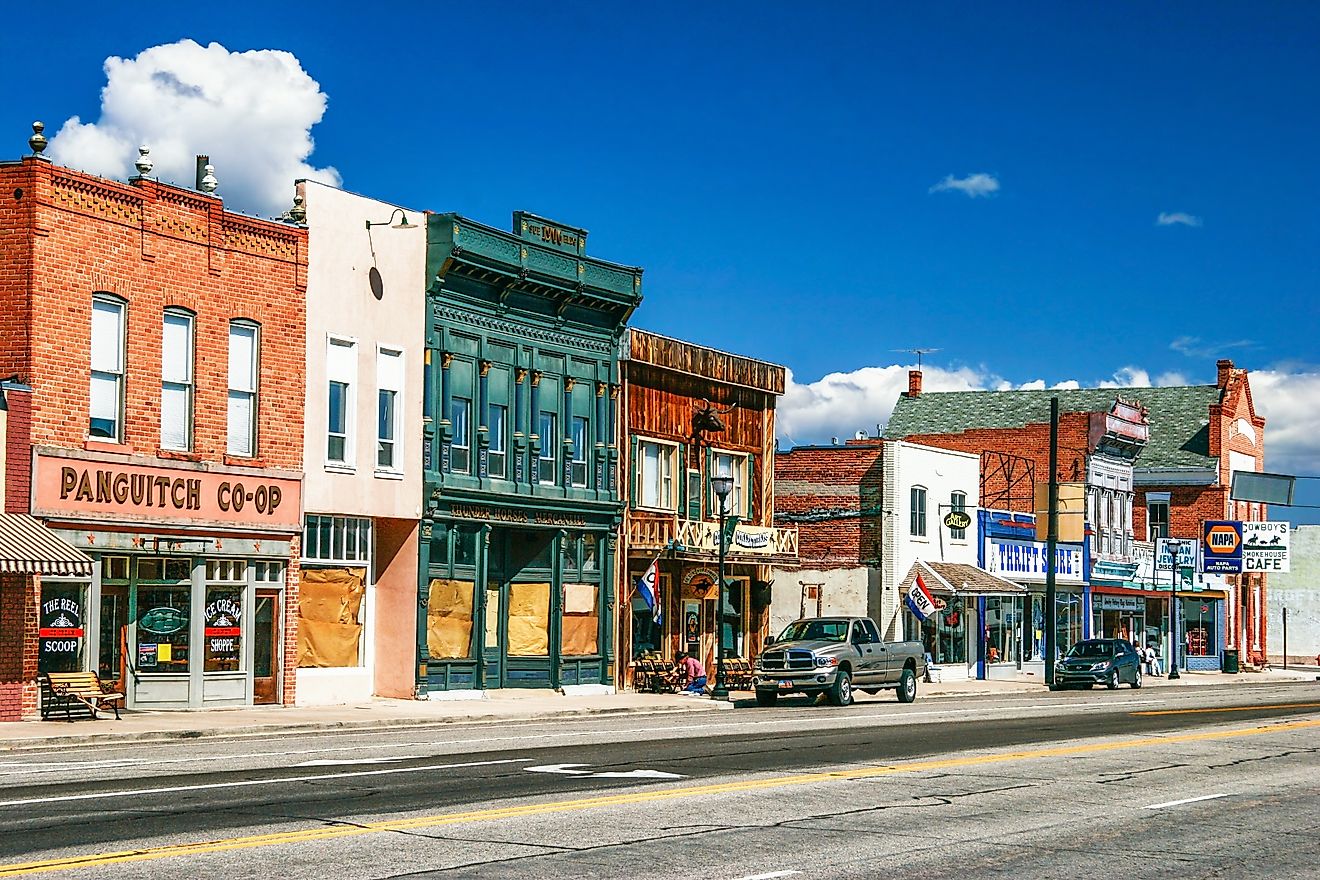
The Birthplace of Country Music Museum stands in downtown Bristol, on the Virginia side of the state line. That heritage still pays the bills locally, and the Hard Rock Hotel and Casino has added live music and well-paid jobs to the district. The city straddles the border with Tennessee, though the Virginia half stays the quieter of the two.
Just outside town lie the Appalachian Mountains. South Holston Lake covers 7,850 acres along the range's western edge, with the Cherokee National Forest along about two-thirds of its shore. The surrounding woods change color through the year, with spring wildflowers early on and copper and crimson leaves by fall. An average home value of $207,000 sits under all of it, among the lowest of any mountain town in Virginia.
Apalachicola, Florida

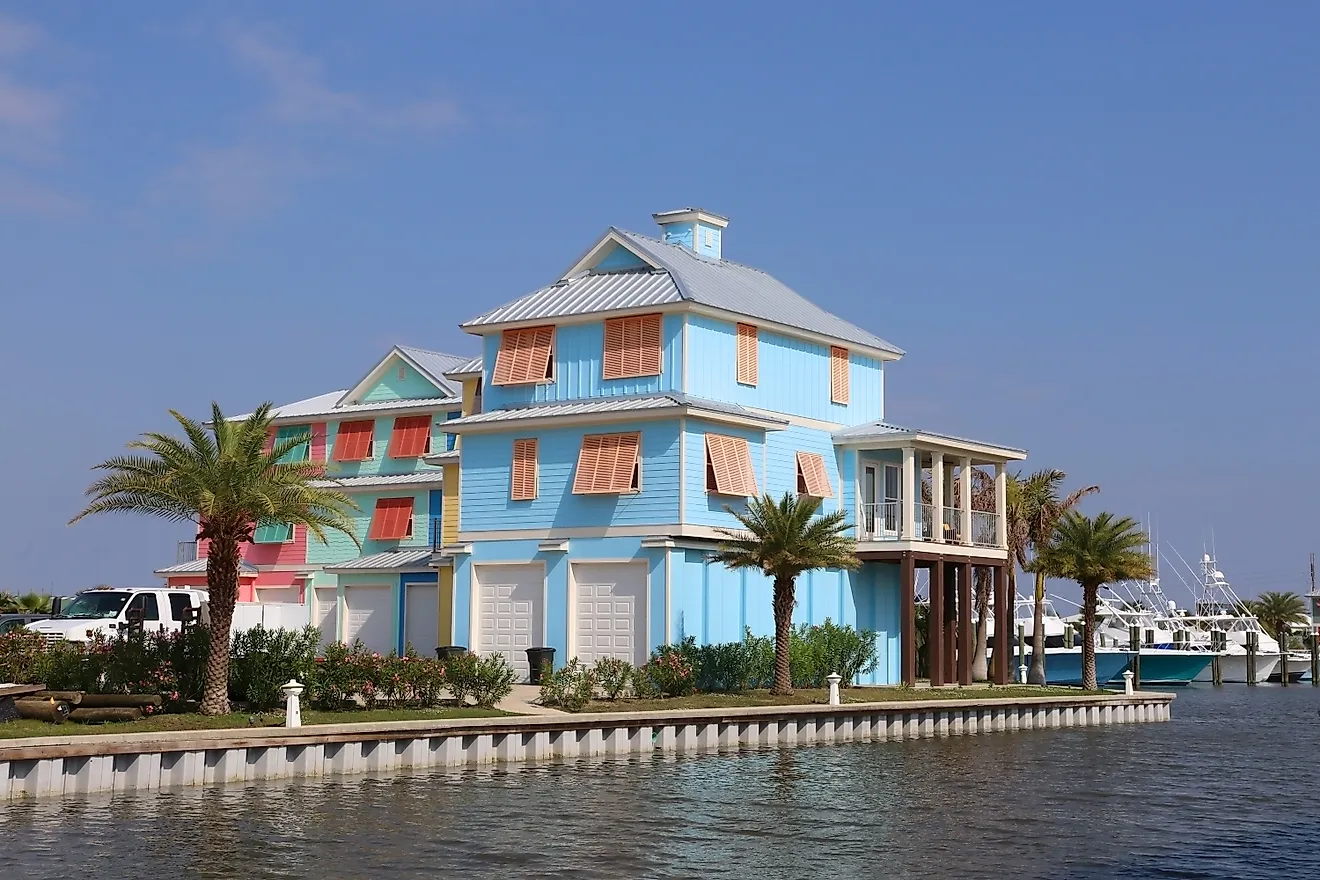
Locals call Apalachicola "Oystertown," a name earned over generations of oyster harvesting at the mouth of the Apalachicola River. That seafood and commercial-fishing trade still runs alongside tourism and hospitality as the backbone of the local economy. The Weems Medical Center handles healthcare despite the town's spot out on the Forgotten Coast. A quiet Old Florida pace comes with an average house value of $300,000.
The wild side starts nine miles southwest, at the St. Vincent National Wildlife Refuge on Apalachicola Bay. There is no visitor center, no potable water, and no public phone, just two islands totaling 12,492 acres. A boat is the only way in, and the reward is hiking, biking, kayaking, and wildlife on one of Florida's most isolated stretches of the Gulf of Mexico. Closer to home, Battery Park frames an open sunset view across the bay.
Anaconda, Montana

Rocky Mountain resort towns rarely come cheap. Anaconda breaks that pattern at a median home value of $308,000, low for a place set in a mile-high valley below the Rocky Mountains. The Pintler Mountains, a subrange of the Rockies, stand beyond downtown. Six miles north, Lost Creek State Park holds limestone cliffs and granite walls that rise 1,200 feet over the canyon floor, plus a 50-foot drop at Lost Creek Falls. Trails past the falls continue into the Beaverhead-Deerlodge National Forest.
The copper smelter at the town's founding closed long ago, yet the local economy stayed healthy without it. Work now spans education, healthcare, tourism, hospitality, and construction. Butte lies 26 miles east for anyone who wants a wider field, including Montana Tech, St. James Healthcare, and active mining operations. Scenery this big usually carries a resort price tag; here it does not.
Trinidad, Colorado

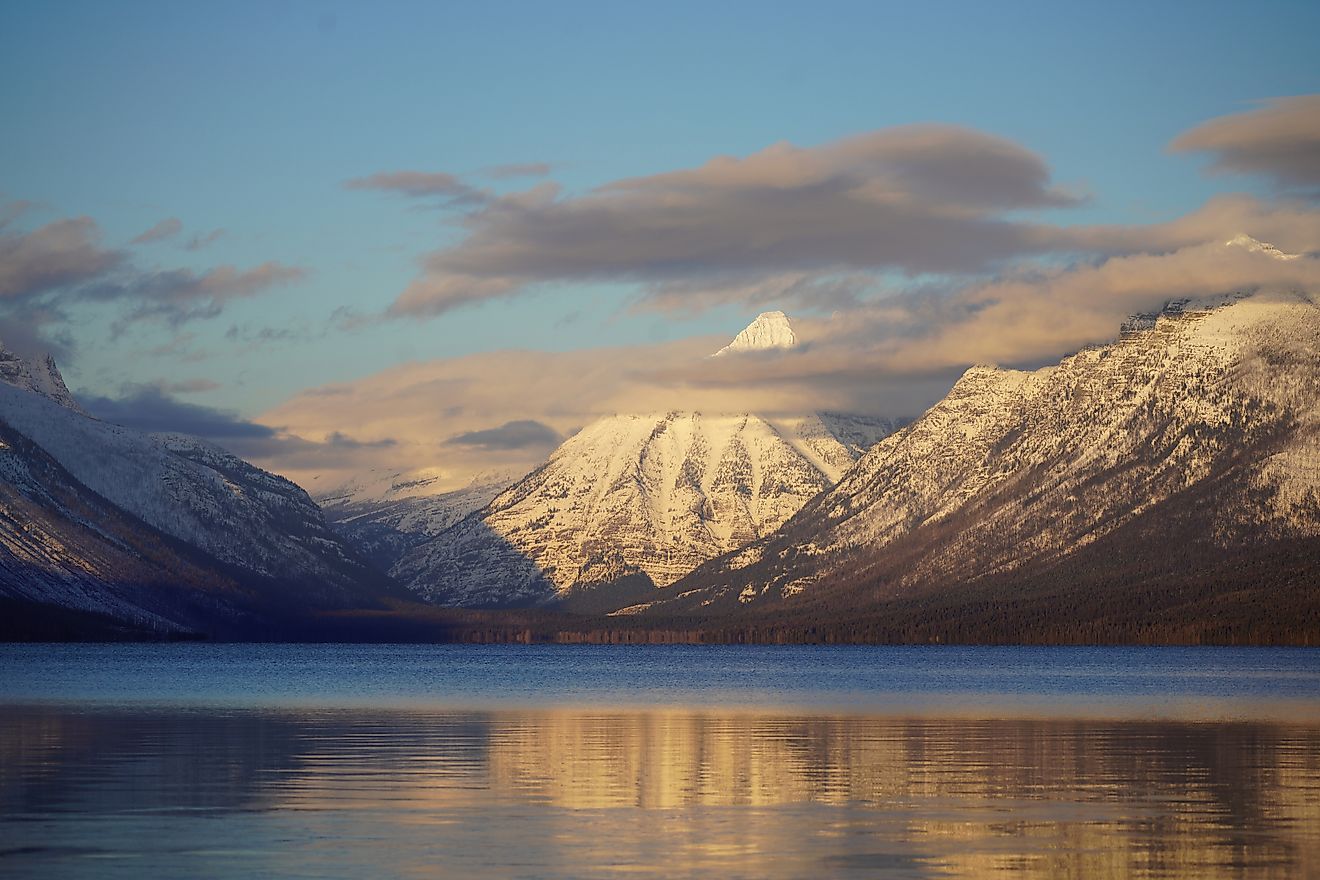
Southern Colorado stays mild enough for year-round trail use around Trinidad. More than nine miles of paved and unpaved biking paths stay open through all twelve months, alongside ten miles of hiking across grassland, forest, cliff, and pond. Four miles west, Trinidad Lake State Park spreads 2,700 acres around Trinidad Lake, with the snow-capped Sangre de Cristo Mountains across the water. In summer, swimmers and boaters take over the lake.
Tourism built around that state park drives much of the local economy, and visitors spend at nearby businesses. Beyond tourism, the paychecks come mostly from healthcare, education, and retail. Trinidad State College adds a steady base of degree tracks and vocational training in the middle of the city. The median home value holds at $234,000.
Marquette, Michigan

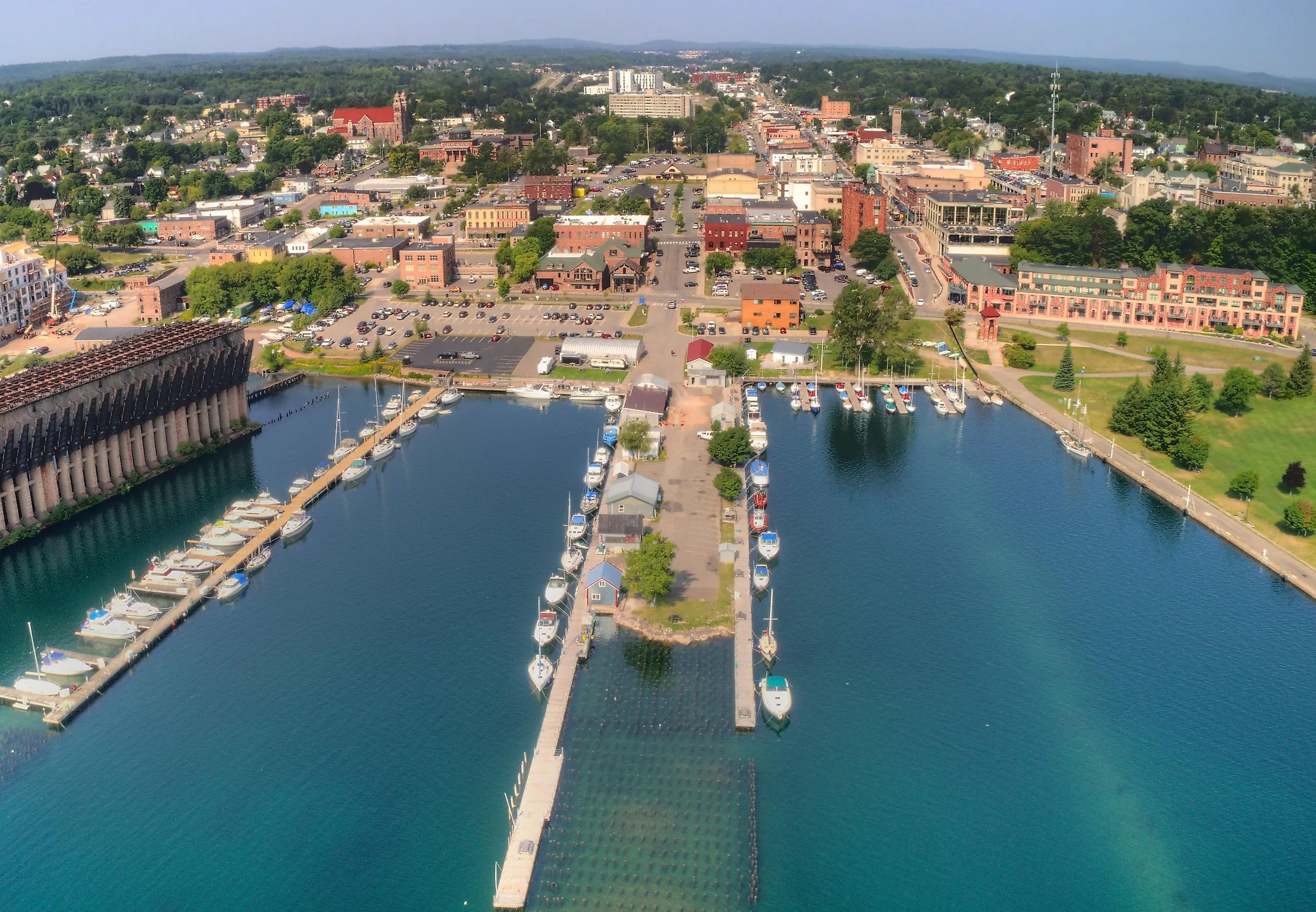
Sugarloaf Mountain rises 470 feet over Lake Superior, and its three observation decks open onto Marquette, Presque Isle Park, and the open water at once. Presque Isle itself pushes out into the lake, threaded with hiking trails through a central forest. On the park's east side, a sandstone cliff overlooks the clear water and the coves cut into the shore over centuries. All of it sits amid the dense hardwoods of Michigan's Upper Peninsula.
Waterfront living in Michigan here means an average home value of $348,000. As the Upper Peninsula's largest city, Marquette runs a broad economy across government, healthcare, retail, food service, construction, manufacturing, and mining. Two big institutions hold the center of it: Northern Michigan University and UP Health System-Marquette, the region's main hospital.
Crescent City, California

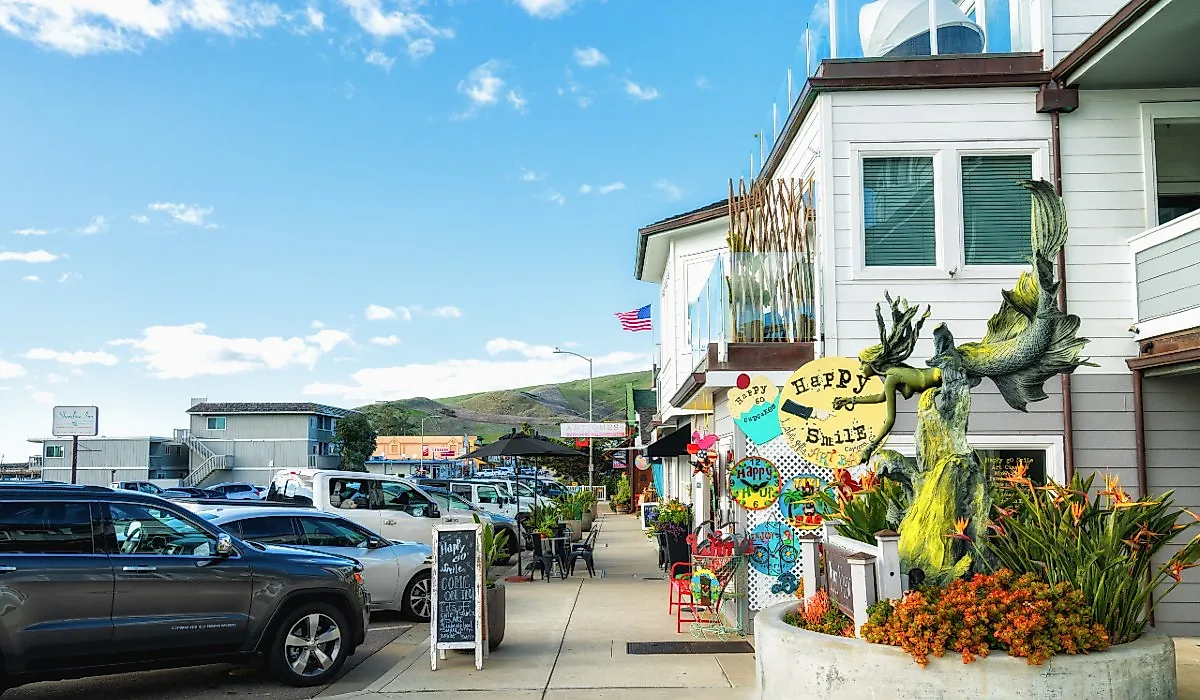
Living on California's coast usually means six- or seven-figure real estate. Crescent City breaks that rule at a median home value of $368,000. The town sits between the Pacific Ocean and the towering redwoods of the Redwood National and State Parks. Jedediah Smith Redwoods State Park and Del Norte Coast Redwoods State Park both start just outside town, which puts ancient forest and rugged coast minutes from a resident's door.
Most of the local economy centers on the Crescent City Harbor, through commercial fishing, waterfront recreation, and retail. Across the water stands Battery Point Lighthouse, one of the first lighthouses on the California coast, reachable on foot at low tide. Sutter Coast Hospital, the only hospital in this rural corner of the state, stands in town. Highway 101 runs north into Oregon and south into the rest of Northern California, so the remote address still connects.
Spectacular Surroundings, Cheap Living
Cheap towns often skimp on the scenery. Beautiful ones usually cost a fortune. These nine break the pattern from both directions. They sit on Lake Superior, in the foothills of the Rockies and the Appalachians, and on the Pacific coast, and every one of them functions as a real town. Low home prices sit next to strong job markets, working schools, and real hospitals. People here do more than get by.