The State Parks With The Most Eastern Diamondbacks
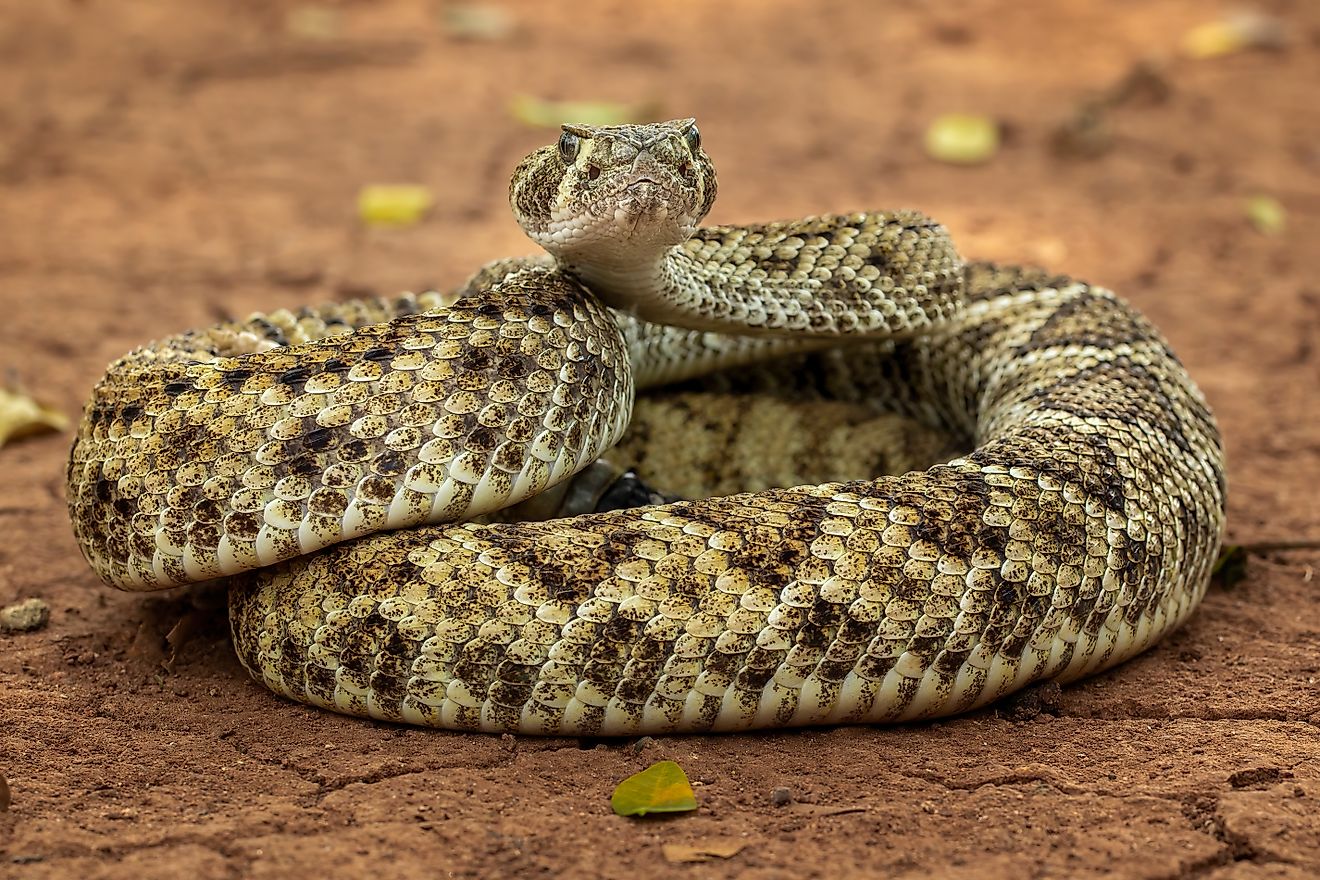
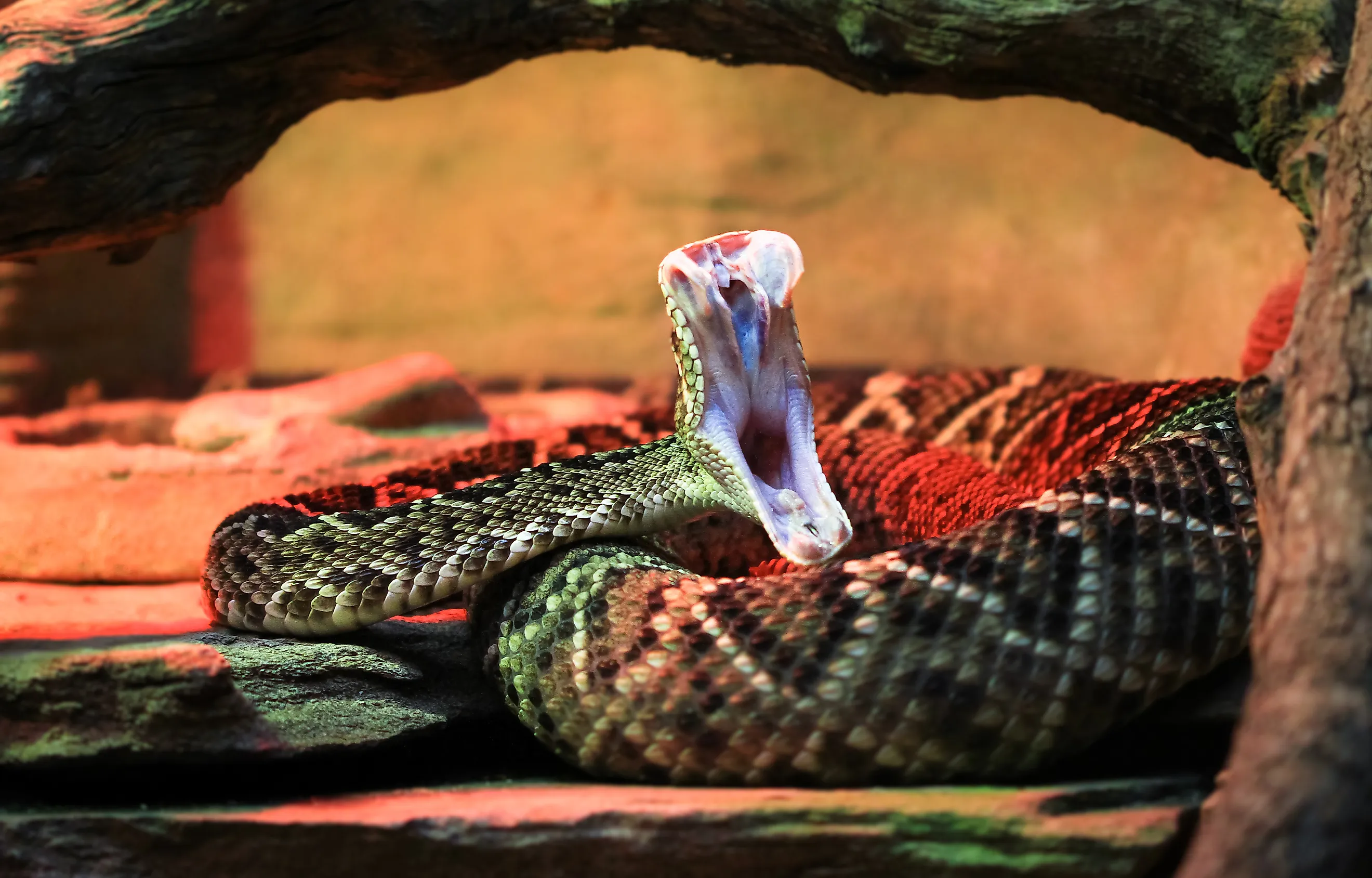
Eastern diamondback rattlesnakes, the heaviest venomous snakes in North America, cover some of their greatest distances in the fall. Radio-tracking studies have recorded increased movements during these months, likely associated with mating. In Florida, where winters are relatively warm, many remain active nearly year-round. Farther north, on Georgia's coast, diamondbacks retreat into underground shelters during colder weather, and biologists on Jekyll Island have begun constructing artificial refuges to help protect them.
Eastern diamondbacks inhabit open, sandy environments, including pine flatwoods, scrub, and coastal dunes, where gopher tortoise and armadillo burrows provide shelter. A Florida Fish and Wildlife Conservation Commission assessment compiled 1,663 diamondback records from 2001 through 2016, with 78% originating on conservation lands, including state parks and forests. The following state parks support documented diamondback populations or suitable habitat, with several conducting active conservation and management programs.
Jekyll Island State Park, Georgia

Biologists with the Jekyll Island Authority, which manages Jekyll Island as a Georgia state park, have treated the eastern diamondback as a conservation priority since 2011. Their research has documented 63 adult snakes across three main habitat types: upland marshes, dune systems, and maritime forests. The island's diamondbacks are also genetically distinct from their mainland relatives. Jekyll's 24 miles of bike trails pass through several of these habitats, including the North Loop, which travels through maritime forest and marsh near Driftwood Beach and Horton Pond. Visitors are encouraged to remain on designated trails and permitted beach areas.

Only a handful of diamondback sightings are reported annually, and the Jekyll Island Authority reports no recorded rattlesnake bites involving humans on the island. As temperatures fall, the snakes seek underground shelter, sometimes crossing roads and developed areas. To reduce these risks, conservation staff have installed artificial refuges, including one on an elevated ridge beside a salt marsh and another constructed after a tracked snake was discovered in an active construction zone during winter. Researchers have also explored designs that use culvert pipes to replicate the protective conditions within gopher tortoise burrows.
Paynes Prairie Preserve State Park, Florida

At Paynes Prairie Preserve State Park, south of Gainesville, eastern diamondbacks occupy the drier habitats surrounding the wet prairie. The park's management plan identifies the species in mesic flatwoods, upland pine, mesic hammock, and abandoned pasture. The La Chua Trail, on the preserve's northern side, provides views across the wetlands toward Alachua Sink, although the surrounding wet prairie is not the snake's primary habitat.

The Chacala Trail offers access to the preserve's drier environments through a series of loops crossing pine flatwoods, hardwood forest, and old fields. A primitive group campsite accommodating up to 20 people lies approximately 1.85 miles along the trail. These upland environments provide the open ground and protective cover eastern diamondbacks use for hunting and shelter.
Kissimmee Prairie Preserve State Park, Florida

Several eastern diamondback rattlesnakes have been relocated away from campgrounds at Kissimmee Prairie Preserve State Park in Okeechobee County. The park's management plan explains that the camping areas are surrounded by suitable habitat and that snakes occasionally pass through as they move within their home ranges. The preserve encompasses roughly 54,000 acres, including approximately 20,939 acres of Florida dry prairie. Its camping options include family, equestrian, primitive, and astronomy sites.

More than 100 miles of multi-use trails cross the preserve, including the Prairie Loop and the Gum Slough Prairie Trail. Approximately 721 acres of scrubby flatwoods provide additional habitat for the species. The surrounding dry prairie experiences periodic flooding and naturally recurring fires, while the preserve's open pine habitats offer conditions commonly associated with eastern diamondbacks.
Jonathan Dickinson State Park, Florida

Jonathan Dickinson State Park, near Hobe Sound on Florida's Atlantic coast, protects extensive areas of coastal scrub and pine flatwoods. The park contains approximately 1,863 acres of scrub and more than 2,200 acres of scrubby and mesic flatwoods. Its species records document the presence of eastern diamondbacks in these habitats. Visitors can also follow a short boardwalk to an observation tower atop Hobe Mountain, an ancient sand dune rising 86 feet above sea level.

The park's management plan identifies eastern diamondbacks as one of the wildlife species requiring attention during encounters with visitors. Staff may monitor or relocate snakes that appear in developed areas. The plan describes rattlesnake encounters as uncommon and notes that problems are most likely when someone approaches or disturbs a snake, fails to notice one nearby, or allows a dog to approach off leash. Remaining on designated trails and giving snakes adequate distance reduces the likelihood of an encounter.
Honeymoon Island State Park, Florida

Honeymoon Island State Park lies across the Dunedin Causeway on Florida's Gulf Coast. The park encompasses approximately 2,810 acres, including coastal habitats occupied by eastern diamondback rattlesnakes. Official park materials identify the species as one of the island's wildlife, alongside gopher tortoises and raccoons. Eastern diamondbacks are capable swimmers, allowing them to reach and inhabit coastal islands.

The Osprey Trail passes through pine flatwoods containing one of the region's remaining stands of old-growth South Florida slash pine. Named for the numerous osprey nests found along its route, the trail also crosses suitable rattlesnake habitat. A 2014 guide published by Friends of the Island Parks warns that rattlesnakes are common along the trail and advises visitors to remain on the designated path.
Sharing Fall Trails With Eastern Diamondbacks
November brings different conditions for eastern diamondbacks across these parks. On Jekyll Island, snakes increasingly seek winter shelters, while Florida's warmer climate allows them to remain active through much of the cooler season. The campgrounds at Kissimmee Prairie and the pine habitats of Honeymoon Island remain potential areas for encounters. Eastern diamondbacks can strike a considerable distance when threatened, making it important to remain on maintained trails, watch where hands and feet are placed, and give any snake encountered a wide berth.