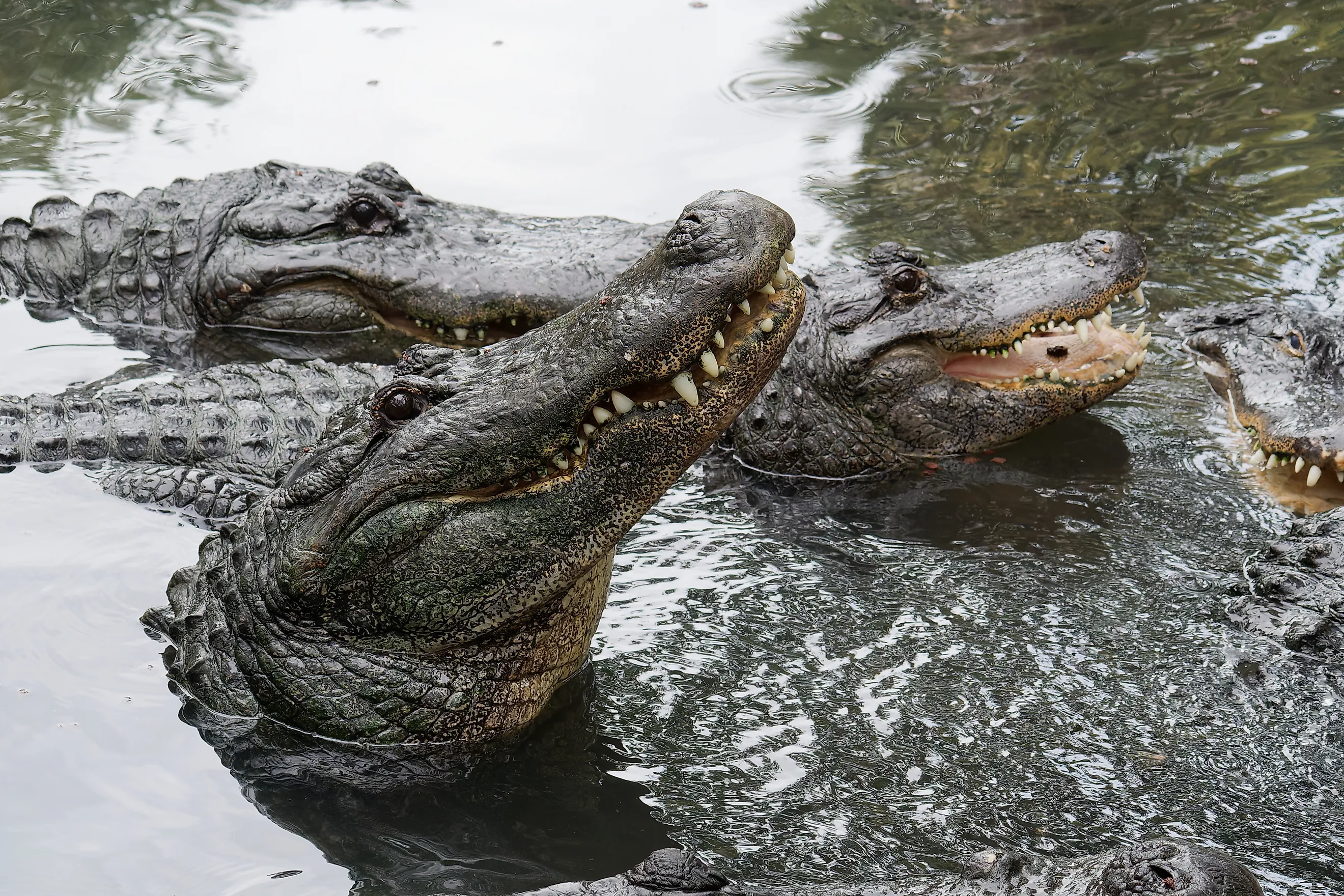
Why Alligators End Up In Backyard Pools When It Turns Cold
Few winter surprises in the Deep South top stepping outside on a chilly morning to find a 10-foot alligator floating serenely in your backyard swimming pool. Yet it happens somewhere in Florida or along the Gulf Coast with almost every cold snap, and the resulting photos reliably go viral. It seems backward at first, since you would expect a cold-blooded reptile to hunker down and disappear when the temperature drops, not head off for a leisurely swim. But the cold is precisely what sends them looking, and a pool happens to be nearly perfect for exactly what they need. Here is why alligators end up in backyard pools when it turns cold, and what to do if one decides to pick yours.
Cold Sends Them Hunting for Warmth
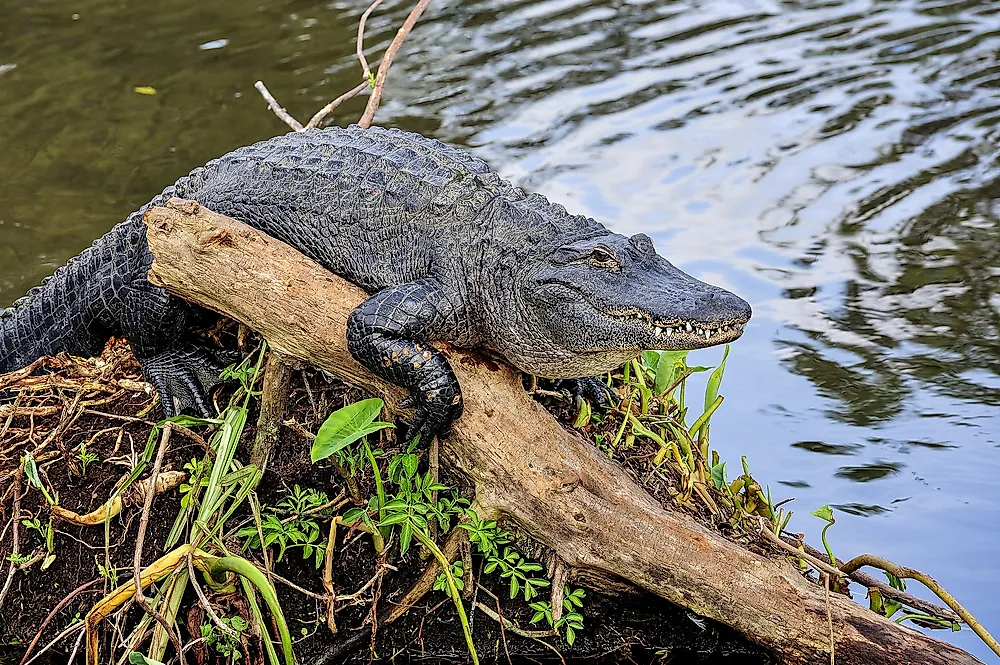
Alligators are cold-blooded, which means they cannot generate their own body heat and depend entirely on their surroundings to stay warm. When temperatures slide below about 70°F, they start to slow down, and once it drops below roughly 55°F, they become dormant, entering a hibernation-like state called brumation. They cannot simply shut down just anywhere, though. To survive a cold stretch, an alligator needs the warmest, most temperature-stable water it can find, which is why they retreat into deep water, dig dens into muddy banks, or gather together in warm-water refuges. A sudden cold snap, in other words, does not make an alligator vanish. It sends it out searching for somewhere better.
A Pool Is a Warm Stable Pond

This is where your swimming pool becomes a problem. To an alligator, a pool looks and behaves a lot like the ponds and canals it already lives in, just with far better temperature control. A pool holds the day's heat well, and a heated or solar-warmed one can stay considerably warmer than a chilled natural pond. It is also deep and stable, and, crucially, it does not freeze over the way a shallow pond can during a hard freeze, which makes it a genuinely safer refuge. So when the water in a gator's usual haunts turns cold and uncomfortable, a nearby pool can look like the warmest, cushiest option for miles. It is essentially an irresistible heated pond that happens to come with a diving board.
A Southern Problem, and They Get Stuck

This scenario plays out wherever alligators and swimming pools overlap, which means Florida, Louisiana, Georgia, Texas, and the rest of the Gulf Coast. Cold fronts are the usual trigger, since the dropping temperatures and shifting conditions get gators on the move in search of better water, and they tend to travel most at dusk and dawn. A wandering alligator can waddle out of the woods, cross a yard, and slip into a pool before anyone even notices. The real trouble is that once it is in, it often cannot get back out. Pool walls are smooth and vertical, offering a heavy reptile nothing to grip, so the gator ends up trapped, fouling the water and waiting, which is exactly why a licensed trapper usually has to come and haul it out. Alligators do turn up in pools during the warm months too, mostly during spring breeding and dispersal, but the cold-weather version is all about the hunt for warmth.
What to Do If One's in Your Pool

The single most important rule is to keep your distance. A cold alligator may look sluggish and half-asleep, but it is still a large, powerful, and genuinely dangerous animal that can lunge with startling speed if it feels cornered, and it will absolutely defend itself. Never try to remove, poke, feed, or get close for a photo, and keep children and pets well back and indoors until it is gone. Instead, call your state wildlife agency's nuisance-alligator hotline or a licensed trapper, both of whom are trained and equipped to handle the animal safely; in Florida, for instance, the Fish and Wildlife Conservation Commission runs a dedicated gator hotline for exactly this situation. To avoid a repeat visitor, keep pool enclosures and screens in good repair and fence off the yard where you can. Treat the gator as the professionals' problem, give it plenty of room, and your uninvited winter guest will soon be relocated far from your deep end.