These 11 Towns In Minnesota Were Ranked Among US Favorites In 2026
Whatever you love most about a vacation, you can probably find it somewhere in Minnesota. The variety is the whole point. River towns like Stillwater and Red Wing and Winona are the classic picks. North woods adventure waits in Grand Marais and Ely. New Ulm carries a German heritage while Northfield and Lanesboro lean into the arts. These are 11 Minnesota towns that travelers keep coming back to.
Stillwater

Considered to be the birthplace of Minnesota, Stillwater sits along the edge of the peaceful St. Croix River, just across from Wisconsin. Victorian-era brick architecture is the star of the very walkable downtown. There are 21 buildings on the National Historic Registry and over 100 Heirloom Homes throughout the town. Downtown is packed with unique boutiques, top restaurants, cafes, and antique shops. Many of the restaurants and breweries are right on the water's edge, where you can watch all manner of boats make their way past your table. It's gorgeous at any time of year, but vibrant autumn colors or snow-covered trees are particular times to enjoy it. Get even closer by taking a ride on a riverboat cruise or gondola. The iconic Stillwater Lift Bridge that connects Minnesota and Wisconsin is both pedestrian and bike friendly. From it, on either side, you can connect to the 5-mile St. Croix River Crossing Loop Trail. One of the best aspects of Stillwater is its proximity to the Twin Cities, just 40 minutes to the west.
Grand Marais

Grand Marais is uniquely situated to take advantage of the favorite highlights along the North Shore of Lake Superior. Access to hundreds of miles of hiking trailheads and waterfalls are just outside of town, including the Gun Flint Trail that heads northwest and then circles around to terminate close to the Canadian Border, which is just 34 miles away. In the fall, these trails offer some of the best tree colors the state has to offer, and in the winter, cross country skiing winds into sparkling white snow. The protected double harbor has a rare tombolo, which is a spit of land that connects to an island at the harbor's edge. The marina is a popular spot to catch chartered fishing cruises, sailing, and kayaking. Grand Marais has much to offer aside from its natural setting. It's known for its arts scene and numerous festivals, such as the Plein Air Festival in September.
Duluth

Duluth is one of the largest cities in the state, originally put on the map as a fur trading mecca. It soon became a boom town because of the steel industries, which led to it becoming a major port for Great Lakes freighters. Ships containing iron ore, salt, and grain still make their way to Duluth, and a tourist favorite is to go to Canal Park and watch the freighters navigate through it from Lake Superior into the harbor. Over the canal is the Duluth Aerial Lift Bridge. This rises, using massive counterweights, to make room for arriving freighters to pass through the canal. Watching that happen is also part of the "theater" of the park. Visit historic mansions from the Gilded Age. The most infamous of these is Glensheen, a 39-room Jacobean Revival mansion built on the lakefront in 1905. In 1977 it was the site of a detailed plot to grab some of the family's wealth and terminated in a gruesome murder. Beyond the fascinating history is the beautiful shoreline of Lake Superior with beaches and hiking trails. It's also just a hop to Wisconsin and all of the opportunities for outdoor fun there.
Red Wing

The town of Red Wing hovers above the rolling waters of the Mississippi River on a bluff. Along those same bluffs you'll find no end of scenery, and you can sit and soak it in from one of many restaurants. During the fall, the trees intertwined into the bluffs are infused with deep reds and golds. Red Wing's pottery industry took off in 1877 and ran until the original Red Wing Potteries closed in 1967, and that legacy is preserved today at the Pottery Museum of Red Wing. It is largely because of that industry that a pottery and artisan culture developed here, one that later potters have carried on in smaller local studios. A broad range of festivals happen, from indigenous craft fairs to the Minnesota Children's Book Fair. A 30-mile drive to the south, along the river's edge, will bring you to the National Eagle Center, where you can learn more about these intelligent birds or go on a guided eagle tour. Red Wing is beautiful year-round, but spring, summer, and autumn will bring greater opportunities for nearby water activities, hiking, and biking.
Winona

Summertime in Winona means festivals. The Great River Shakespeare Festival, the Minnesota Beethoven Festival, and the Winona Steamboat Days are a sample. There are over 100 buildings on the National Register of Historic Places, mostly from the opulent Victorian lumber era. As well, Winona is known as the stained-glass capital of the country and many of them are genuine Tiffany creations. Entrepreneur James E. Hauser started a glass studio here after World War II for the purpose of restoring windows in nationwide churches. It soon spawned more than a dozen other glass studios and today you can see many examples of glass work in buildings around town. Set directly along the Mississippi, water recreation is easily had. Five different state parks and two national refuges are right outside of town. The village is surrounded by majestic limestone bluffs, and two overlooks offer spectacular views of the river and surrounding area.
Excelsior

Walk through the town of Excelsior and you can imagine yourself in a time when this was the summer playground for residents of the Twin Cities. Back then, visitors arrived via streetcar and within a few steps were on the beach and picnics or a boat ride. You can get a taste of that by visiting the Minnesota Streetcar Museum and taking a short ride on a restored trolley. And of course, water access to Lake Minnetonka is still just at the end of the main street. Sit back on an authentic paddlewheel river boat or, better yet, have a sunset dinner cruise on one. Lake Minnetonka is quite large and great for boating and fishing or for driving the shores to see luxurious homes. Excelsior is also home to a number of high-end shops and restaurants. You'll find this town most fun to visit in the summer months when you can take full advantage of water recreation and concerts.
Ely

The town of Ely is the true gateway to the Minnesota northern wilderness. For many, this is the jumping off point for canoeing and camping in the Boundary Waters Area Canoe Wilderness (BWACW). Within this iconic collection of lakes and waterways, some of which need to be portaged, you'll have an opportunity to view all kinds of wildlife, including bears, bald eagles, and the common loon, and if you're lucky, rarer predators such as the Canada lynx, and bobcats. Tamer experiences are available at two wildlife centers, the North American Bear Center and the International Wolf Center, both of which are home to wild animals. Ely is truly a year-round paradise. Dog sledding, snowmobiling, cross country skiing, and fat tire biking are all possible in the winter (but be aware, it's very cold). Miles and miles of hiking trails are available in nearby state parks and other protected wilderness areas. The downtown is walkable and locals are very welcoming to tourists, whom they depend heavily on economically.
Northfield

Because Northfield is a college town, it's full of pubs, cafes, cozy bookshops, and lots of great restaurants. Listening to live folk, jazz, and classical music is a favorite activity in local pubs and concert venues. In the summer, River Walk Market Fair and other festivals offer even more live music. Because the Cannon River flows right through the center of town, it's easy to kayak or walk along the water's edge. If you like history, you'll enjoy exploring the town's past as a milling center. The North family settled here in 1857 and because of their strong belief in women's rights, abolition, and education, they attracted many like-minded people. It became the perfect place for the two colleges that are here, St. Olaf's and Carleton College. Music, pubs, and cafes are available year-round, along with the historical features, but during the school term, the area is quite a bit more crowded. At the same time, the energy of learning and young people can be exciting.
Lanesboro

Lanesboro is within the "Driftless Area" of Minnesota, so called because it is a section that was left largely untouched by the Ice Age. Left behind were beautiful bluffs, everywhere along the southern portion of the Root River, which runs through the town. A dam that was constructed in 1868 creates a sparkling waterfall backdrop to the village, often thought to be one of the prettiest in the state. You can launch kayaks and canoes right in town. The Root River Trail follows the water for miles in either direction. Despite its tiny population and relatively remote location, Lanesboro is a local art hub. The large Lanesboro Arts Gallery is one aspect of this, and the Commonweal Theatre Company is a professional theatre that brings high quality shows to town. This is also Amish country, with several flourishing communities outside of town. You can buy baked goods, home canned jams, and handmade furniture as you drive through these bucolic areas.
Nisswa

Nisswa sits within the popular Brainerd Lakes area, but unlike much of the surrounding towns you'll find less crowds. The village, and Nisswa Lake itself, are surrounded by three other lakes (plus more close by) that supply just about every outdoor activity you could ask for: boating, fishing for Walleye, swimming, and more. Hikers and bike riders will love the 120-mile Paul Bunyan State Trail, which begins in town. This trail is also used in the winter by cross country skiers and is perfect for snowmobiles. Festivals occur throughout the summer, but winter events include The Frozen Four and the Nisswa Winter Jubilee. This is a true family fun area where you can find mini-golf, bowling lanes, riding stables, and petting zoos.
New Ulm

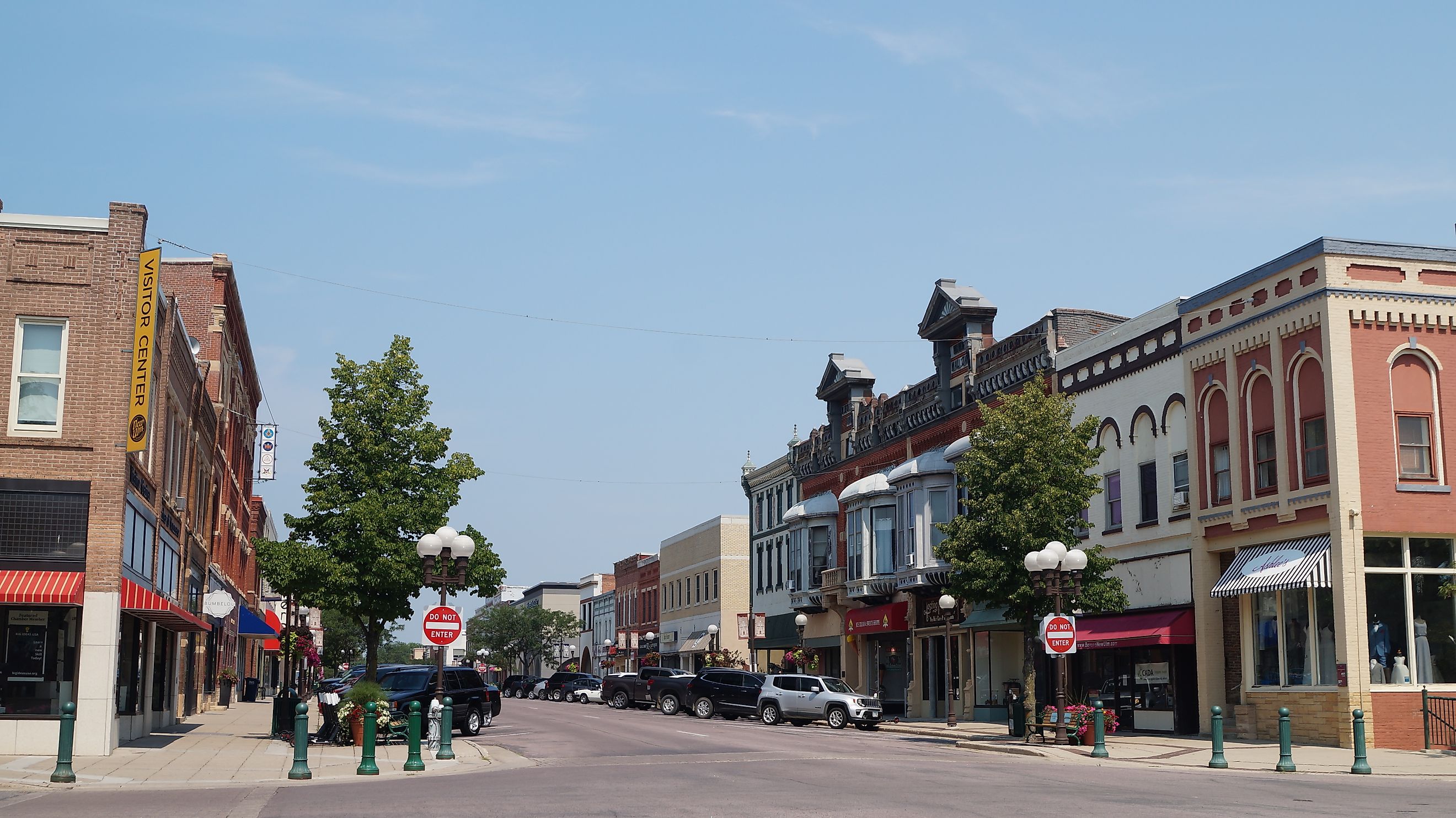
You can pretend you are visiting Germany with a trip to New Ulm. It has a truly unique cultural identity because of German immigrants who settled here in 1854 and the European flair has survived quite nicely. German breweries with beer gardens, the 45-foot, five-bell Glockenspiel with live performances, and numerous restaurants that spotlight German cuisine all contribute to this. This means that autumn events surrounding Oktoberfest are particularly fun and festive. That's not all that New Ulm is about, though. The town has done a great job of preserving its 19th century architecture, many of which are on the National Register of Historic Places. Nearby Flandrau State Park has eight miles of hiking along the Big Cottonwood River and an uncommon, chlorinated sand-bottomed swimming pond. New Ulm is easily accessible to the Twin Cities, just 92 miles away.
Unique Destinations
One thing that is special about the favorite Minnesota towns we've spotlighted here is their year-round appeal. Many summer hiking trails turn into cross country skiing meccas in the winter. Tree covered bluffs are blanketed with beautiful ice formations. Pick your favorite type of trip and you will likely find it here.