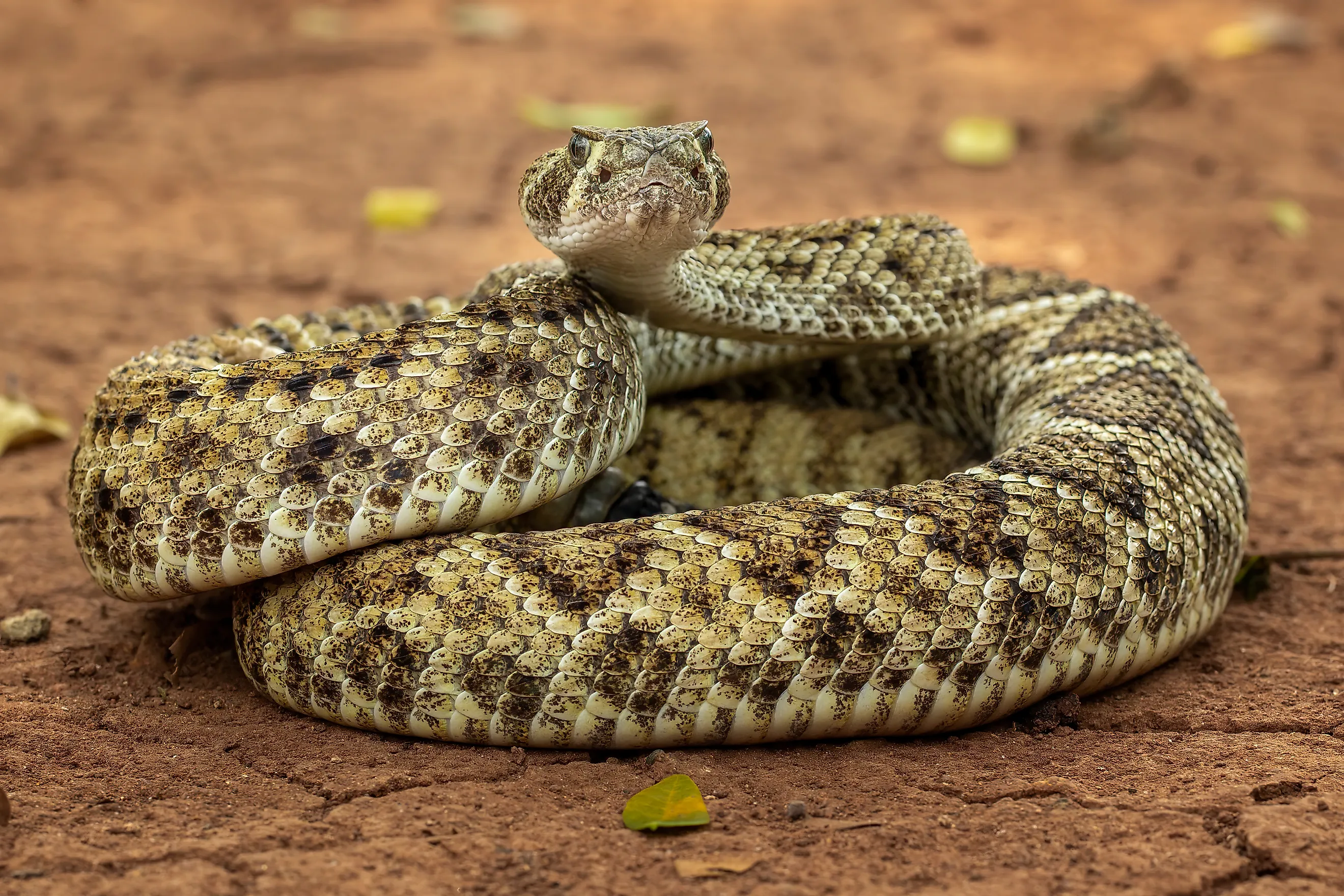
The National Parks Where Snakebites Happen Most Often
In the summer of 2020, two visitors to Yosemite National Park were bitten by rattlesnakes within three days of each other, and both had to be flown out by helicopter. One was a backpacker fishing barefoot in a remote canyon of the Tuolumne River. Snakebites like these are rare in national parks, and the National Park Service does not publish bite counts for individual parks. Nationwide, about 7,000 to 8,000 people are bitten by venomous snakes each year, and only around five die, according to the Centers for Disease Control and Prevention. A few parks stand out for combining plenty of venomous snakes, busy trails through prime snake habitat, and documented bites or official warnings.
Yosemite National Park, California

Yosemite has only one venomous snake, the northern Pacific rattlesnake, but it draws one of the largest crowds of hikers of any national park. The snakes live mostly at lower and middle elevations, sunning on rocks along trails and riverbanks, in the very places where visitors stop to rest, swim, or fish.

The 2020 bites show how encounters usually happen. Visitors step over logs, reach onto ledges, or wade along rocky shorelines without seeing a snake hidden among the stones. In remote parts of the park, even a non-fatal bite can mean a long and complicated rescue, which is why rangers advise wearing sturdy shoes and watching where you place your hands and feet.
Grand Canyon National Park, Arizona

Grand Canyon is home to several rattlesnake species, including the pinkish Grand Canyon rattlesnake, which is found almost nowhere else and blends perfectly with the canyon's red and tan rocks. Arizona as a whole has more rattlesnake species than any other state, and its poison center records hundreds of rattlesnake bites each year.

Inside the park, the risk is greatest below the rim, where rattlesnakes shelter in rocky crevices along popular trails and near the Colorado River. Hikers descending the corridor trails in warm weather, especially in the early morning and evening, are most likely to cross paths with them. Most bites in the region happen when someone reaches or steps where they cannot see.
Saguaro National Park, Arizona

Saguaro National Park, on the edge of Tucson, sits in the state with the highest rate of rattlesnake bites per person in the country. The Sonoran Desert here is home to several rattlesnake species, including the western diamondback, the Mojave rattlesnake, and the small tiger rattlesnake, along with the Sonoran coral snake.

The park's two districts are crisscrossed by trails used by local hikers, runners, and cyclists, many of them heading out at dawn and dusk, when snakes are most active in summer. Rangers regularly remind visitors to carry a flashlight after dark, stay on trails, and give any rattlesnake plenty of room to move away.
Joshua Tree National Park, California

Joshua Tree, where the Mojave and Colorado deserts meet, is home to several rattlesnakes, including the Mojave rattlesnake, the speckled rattlesnake, and the sidewinder, which moves across sand in a distinctive sideways loop. The park's official safety guidance warns visitors that rattlesnakes occur across the park, along with scorpions and black widows.

With millions of visitors a year, many of them climbing boulders and scrambling among rocks, encounters are frequent. Climbers reaching blindly into cracks and hikers walking at night without a light are the most at risk. Most snakes simply retreat, but a startled rattlesnake will strike to defend itself.
Zion National Park, Utah

Zion National Park Mountain Scape.
Zion is one of the busiest national parks in the country, and its narrow canyons funnel millions of hikers along the same trails each year. The park's rattlesnake, the Great Basin rattlesnake, lives among the rocks and brush of the canyon floor and the warm slopes above it, especially at lower elevations along the Virgin River.

Most encounters happen on popular routes in late spring and summer, when snakes are active and the trails are crowded. Hikers scrambling up slickrock, resting on ledges, or walking the riverbanks near dusk are most likely to meet one. The snakes usually give a warning rattle long before they strike, so stepping back slowly and giving them space is almost always enough.
Everglades National Park, Florida

Everglades National Park shelters four native venomous snakes. They are the eastern diamondback rattlesnake, the dusky pygmy rattlesnake, the cottonmouth, and the eastern coral snake. Its warm climate keeps snakes active for much of the year, and its marshes, hammocks, and canals offer ideal habitat.

Bites are uncommon, partly because most visitors stay on boardwalks and paved trails, but those who wade, paddle, or walk through tall grass and brush are more likely to meet a snake. Rangers advise staying on established paths and never reaching into vegetation or under logs.
The Surprise - Big Bend National Park, Texas
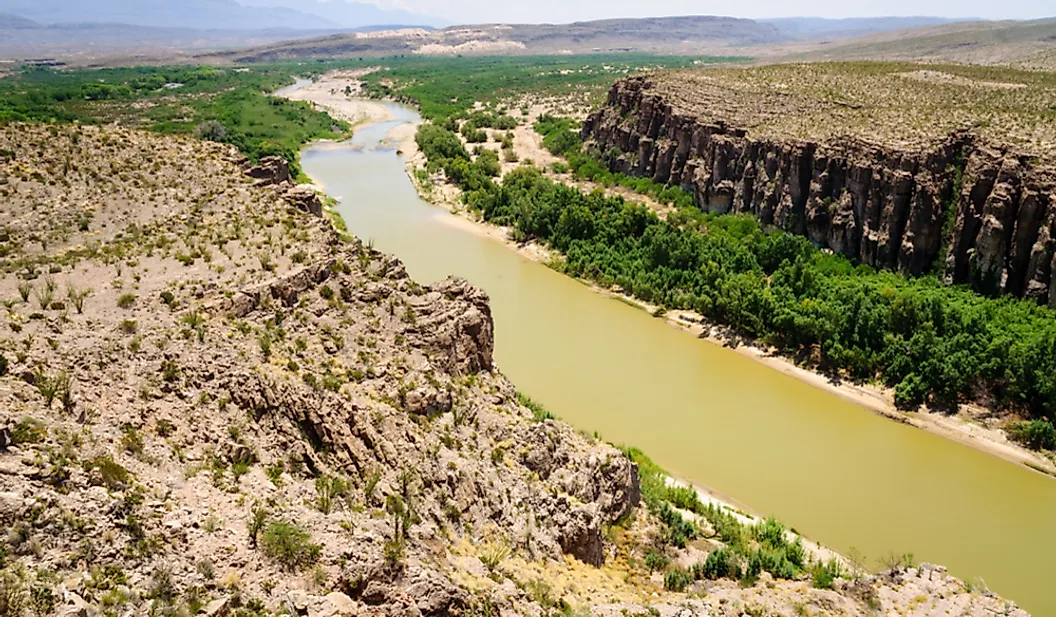
Big Bend is home to 31 snake species, including four rattlesnakes and the copperhead. Yet according to National Park Service incident reports, only one bite has been documented there, when a researcher was bitten by a copperhead in 2009 and rescued by park staff.

The park's remote location, smaller crowds, and extreme summer heat, which keeps both people and snakes out of sight during the hottest hours, help explain why. It is a reminder that the number of snakes in a park matters far less than how often people and snakes end up in the same place at the same time.
When And How Park Bites Happen
Across these parks, the pattern is consistent. Bites cluster in late spring and summer, when snakes are most active, and in the cooler hours around dawn and dusk, when both snakes and hikers are on the move. Most bites land on the feet, ankles, or hands, from stepping over a log without looking, reaching onto a ledge, or sitting down on a rock without checking first. A surprising share happen when someone tries to pick up, photograph up close, or move a snake. In nearly every case, the snake was simply defending itself from something much larger that came too close.
Staying Safe On The Trail
Snakebites in national parks remain rare, and almost all are preventable. Stay on marked trails, wear closed shoes, carry a light after dark, and never try to handle or move a snake. If a bite happens, stay calm, keep the bitten limb still, remove rings or tight items, and contact park staff or emergency services right away.