The States Where You Don't Own The Water Under Your Land
In most of the country, private landowners legally own whatever water falls or flows across their property, but in parts of the American West, water is public, or state, property. It's written directly into state constitutions and water codes, some dating back over a century. The rules shape everything from what a rancher can use to water cattle to what a homeowner can do with their backyard well. That means a landowner can only get a permitted right to use the resource, but can never actually own it. Here's where that line gets drawn, and what it looks like on the ground.
Colorado

The South Platte River passes directly through Denver, where its riverside trail follows a waterway governed by one of the country's oldest prior-appropriation systems. Colorado's constitution declares unappropriated water in natural streams to be public property, and state courts have rejected the idea that a landowner automatically owns groundwater beneath a parcel. Some nontributary groundwater rights are tied to ownership of the land above them, but these are regulated rights to extract and use water rather than ownership of the water itself.
Wyoming

The Snake River winds beneath the Teton Range before crossing ranch country farther west, yet even a landowner with a stream or well on private property does not own that water. Wyoming's constitution declares the state's natural waters to be state property. The State Engineer's Office applies the same principle to groundwater. A water right instead authorizes a certain amount to be used at a particular place and for a stated purpose.
New Mexico

The Rio Grande cuts through Albuquerque and supports the cottonwood bosque that lines the river, as well as irrigation systems with roots centuries older than statehood. New Mexico's Office of the State Engineer states that both surface water and groundwater belong to the public. Farmers, cities, and homeowners can obtain legal rights to use that water, with senior rights generally taking priority during shortages. Ownership of the surrounding land does not establish ownership of the water itself.
Utah

Walk the shoreline of the Great Salt Lake at Antelope Island and nearly every visible part of the watershed reflects Utah's unusually direct water law. State code declares all water, whether above or below ground, to be public property. Utah also draws a useful legal distinction: a water right can itself be real property and can be transferred, while the underlying water remains public. A private well therefore does not turn the aquifer beneath a parcel into privately owned water.
Idaho

At Shoshone Falls, the Snake River plunges more than 200 feet through a canyon surrounded by some of Idaho's most intensively irrigated country. State law declares water in natural channels, springs, and lakes to be state property, while Idaho also classifies groundwater as public water. The Department of Water Resources puts the rule simply: a water right authorizes someone to use water; it does not grant ownership of the water itself.
Montana

Three rivers meet at Missouri Headwaters State Park near Three Forks, where the Jefferson, Madison, and Gallatin form the Missouri River. Montana's constitution is unusually comprehensive, declaring surface, underground, flood, and atmospheric waters to be state property for the use of its people. Existing water rights remain protected, and those rights can be extremely valuable. The Department of Natural Resources and Conservation nevertheless states plainly that citizens own rights to use water rather than the water itself.
Nevada

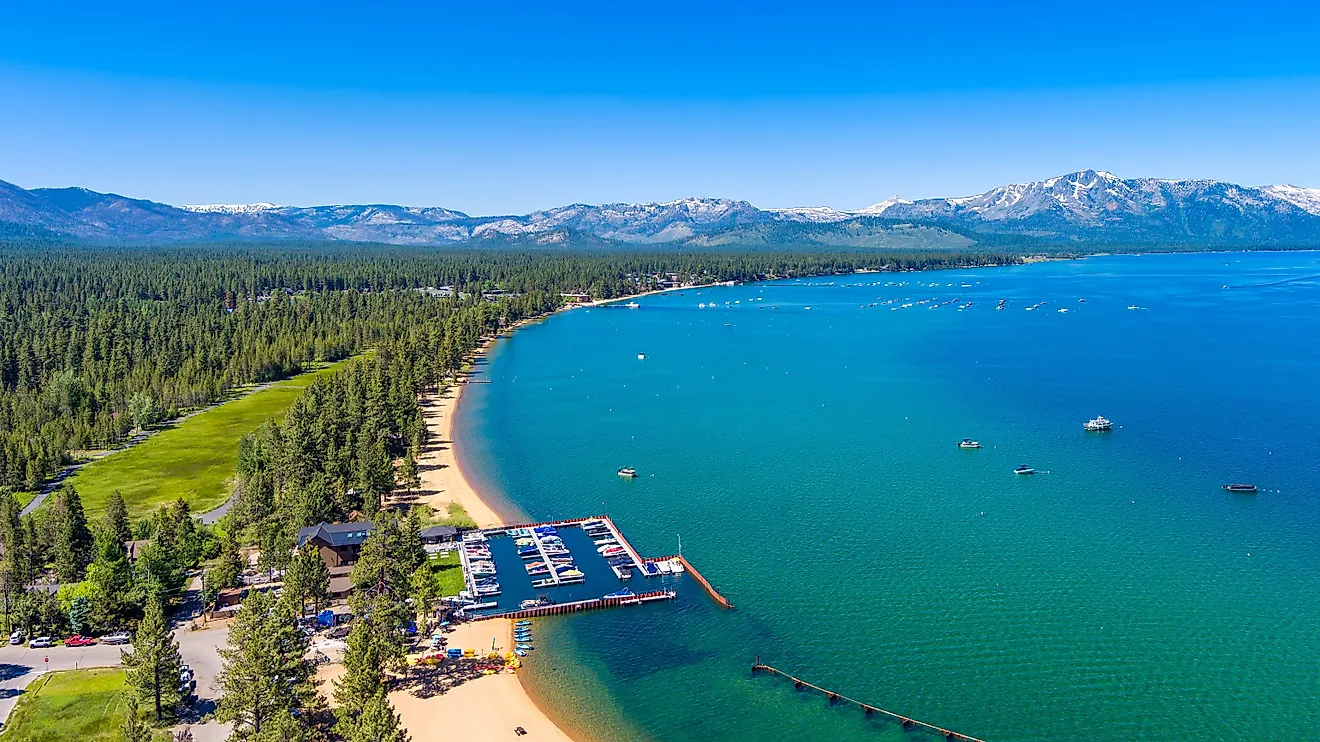
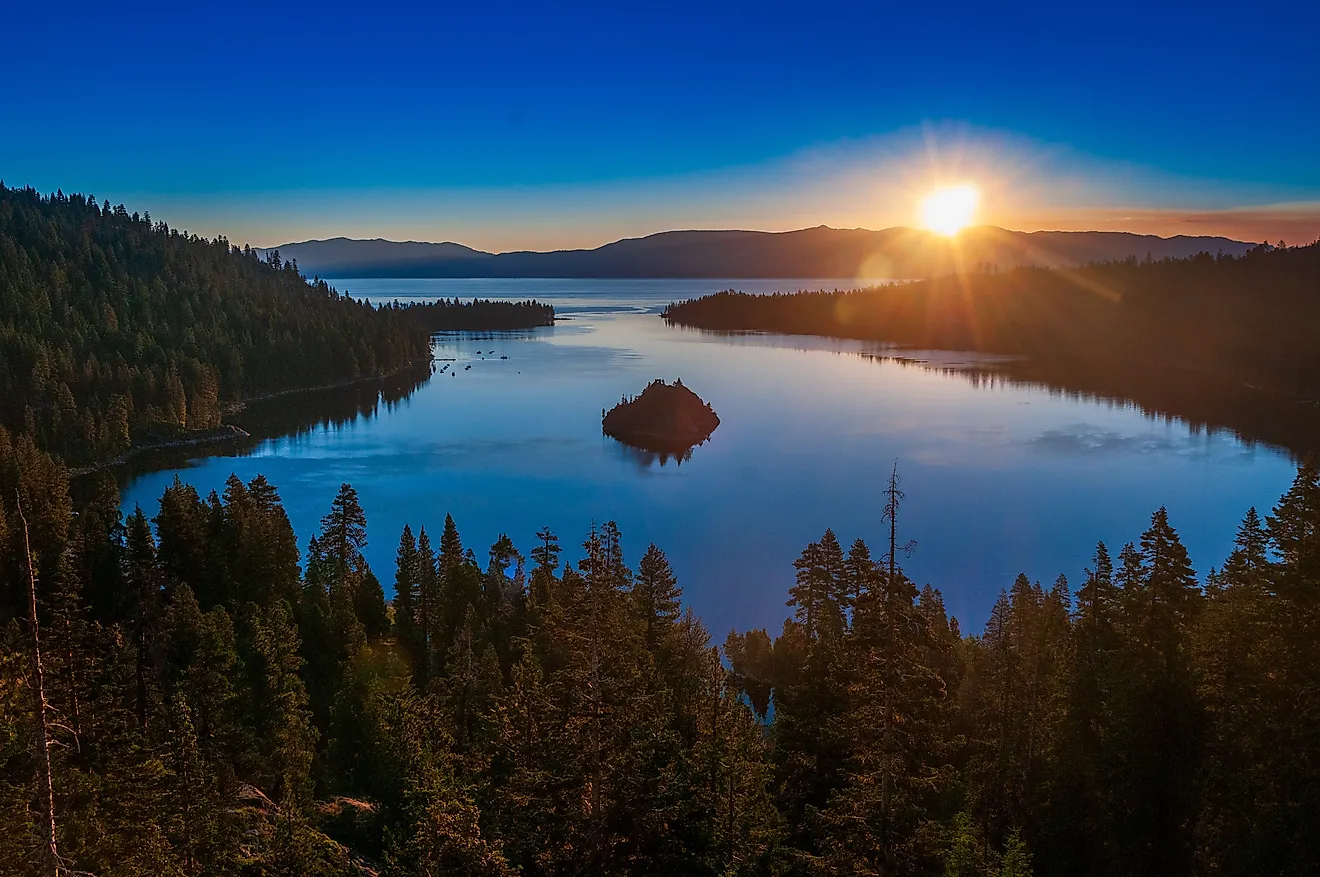
The Truckee River leaves Lake Tahoe, crosses Reno, and eventually reaches Pyramid Lake in one of the driest states in America. Nevada law declares water from every source within the state, above or beneath the ground, to belong to the public. Most uses therefore require a water right administered by the state. Limited domestic groundwater uses receive special treatment, but the presence of a well on private property does not make the aquifer private property.
Washington

The Yakima River winds through a canyon popular for fishing and paddling before entering one of Washington's major agricultural valleys. State law says Washington's waters belong to the public and cannot be owned by an individual or group. Its groundwater code makes the same point about natural groundwater. Some small wells can operate under a permit exemption, but that exemption concerns permission to use the water. It does not give the landowner ownership of the groundwater.
Oregon

The Deschutes River runs through Bend before carving its way north toward the Columbia, with trails and parks providing easy access to the river in town. Oregon's rule is among the simplest in the country: all water from all sources belongs to the public. The Oregon Water Resources Department specifically warns that a person who owns land beside, above, or around water does not automatically have a right to use it. A separate water right is generally required.
Alaska

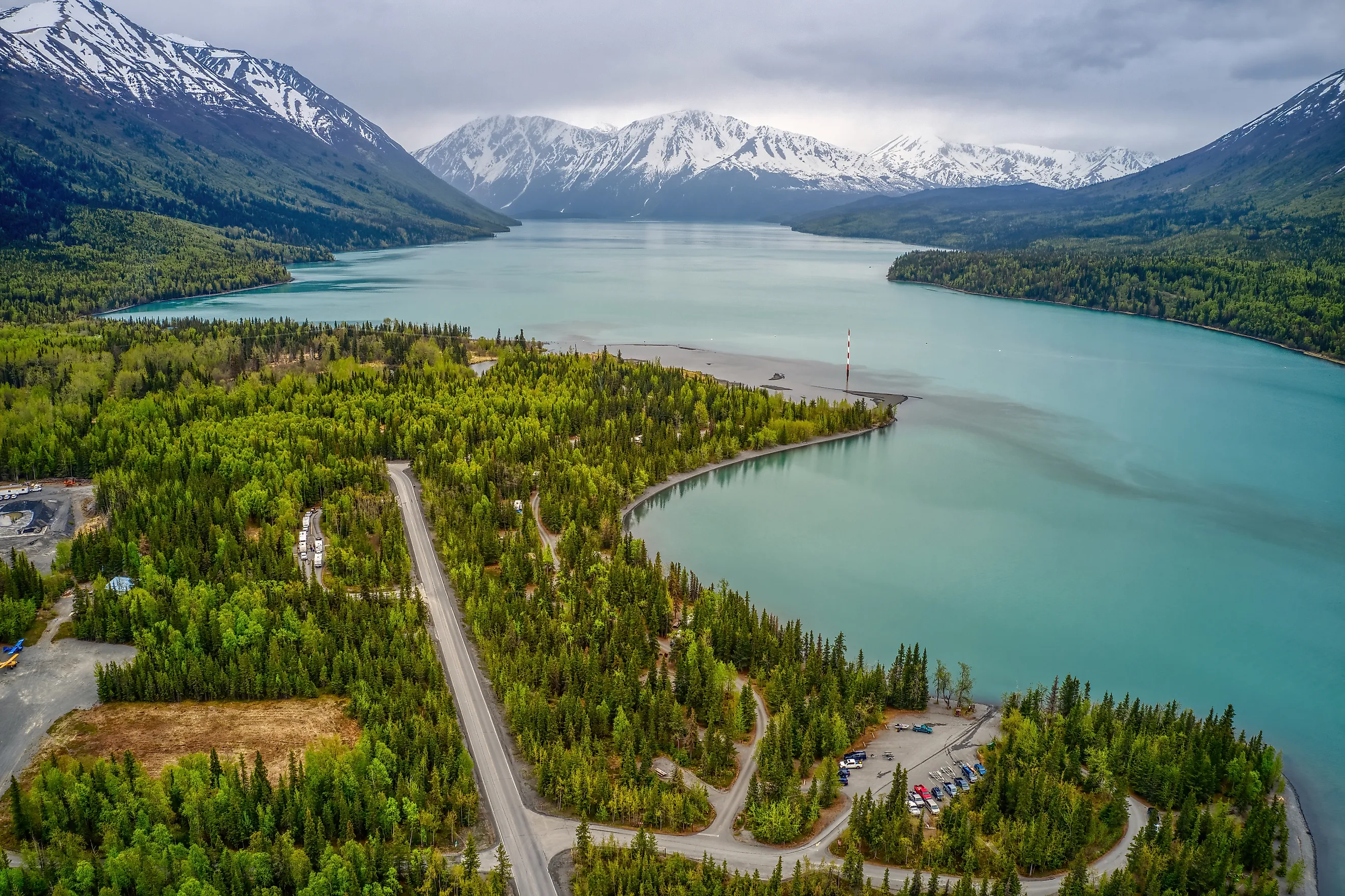
The turquoise Kenai River carries glacial water through the Kenai Peninsula and supports one of Alaska's best-known salmon fisheries. Alaska's constitution reserves surface and subsurface waters to the people for common use. The Department of Natural Resources consequently describes naturally occurring water as a common property resource and says landowners receive no automatic right to either groundwater or surface water merely by owning the land. Significant withdrawals require a recognized water right.
North Dakota

Lake Sakakawea stretches for hundreds of miles behind Garrison Dam on the Missouri River and is North Dakota's largest reservoir. State law classifies groundwater, water in lakes, and most flowing surface water as public water subject to appropriation. There are exceptions, including some diffused surface water, so North Dakota's rule is less absolute than those of Utah or Nevada. Groundwater beneath private acreage, however, is expressly included within the state's public-water system.
South Dakota

Lake Oahe spreads northward along the Missouri River from Pierre and is one of the largest reservoirs in the United States by volume. South Dakota law states that all water within the state is property of the public, while individuals must acquire rights to use it through appropriation. Ordinary domestic uses receive broad permit exemptions, including household and limited stock-watering needs. Those exemptions simplify use for many landowners without transferring ownership of the water beneath their property.
Kansas

The Arkansas River passes through Wichita before continuing across southern Kansas, while farther west the Ogallala Aquifer supports much of the state's irrigated agriculture. Kansas law dedicates all water within the state to the use of its people and requires a water right for most non-domestic withdrawals. Kansas courts have also made the groundwater distinction explicit: holders of appropriation rights do not own the groundwater itself. Their property interest is the legal right to divert and beneficially use it.
Hawaii

Waiāhole Stream on windward Oʻahu became central to one of Hawaii's most important modern water disputes after water had long been diverted toward agricultural lands elsewhere on the island. Hawaii handles ownership differently than most western states, using a powerful public-trust doctrine that applies to surface water and groundwater alike. Private parties can hold rights to use water, including groundwater rights associated with land, but those rights do not amount to ownership of a fixed body of water beneath the property.
What Landowners Actually Own
These laws do not mean a private well is useless or that the public can simply walk across private property to reach public water. Ownership of the water, ownership of a water right, and access to the land around a waterway are separate legal questions. A property sale may include an existing water right, and that right can be one of the most valuable parts of an agricultural or rural parcel. Before buying land advertised with a well, stream, or irrigation supply, the important questions are what water right exists, how senior it is, and what uses it legally allows. In much of the American West, the deed may cover every acre underfoot while stopping short of the water running through it.