The Oldest Lake In The United States
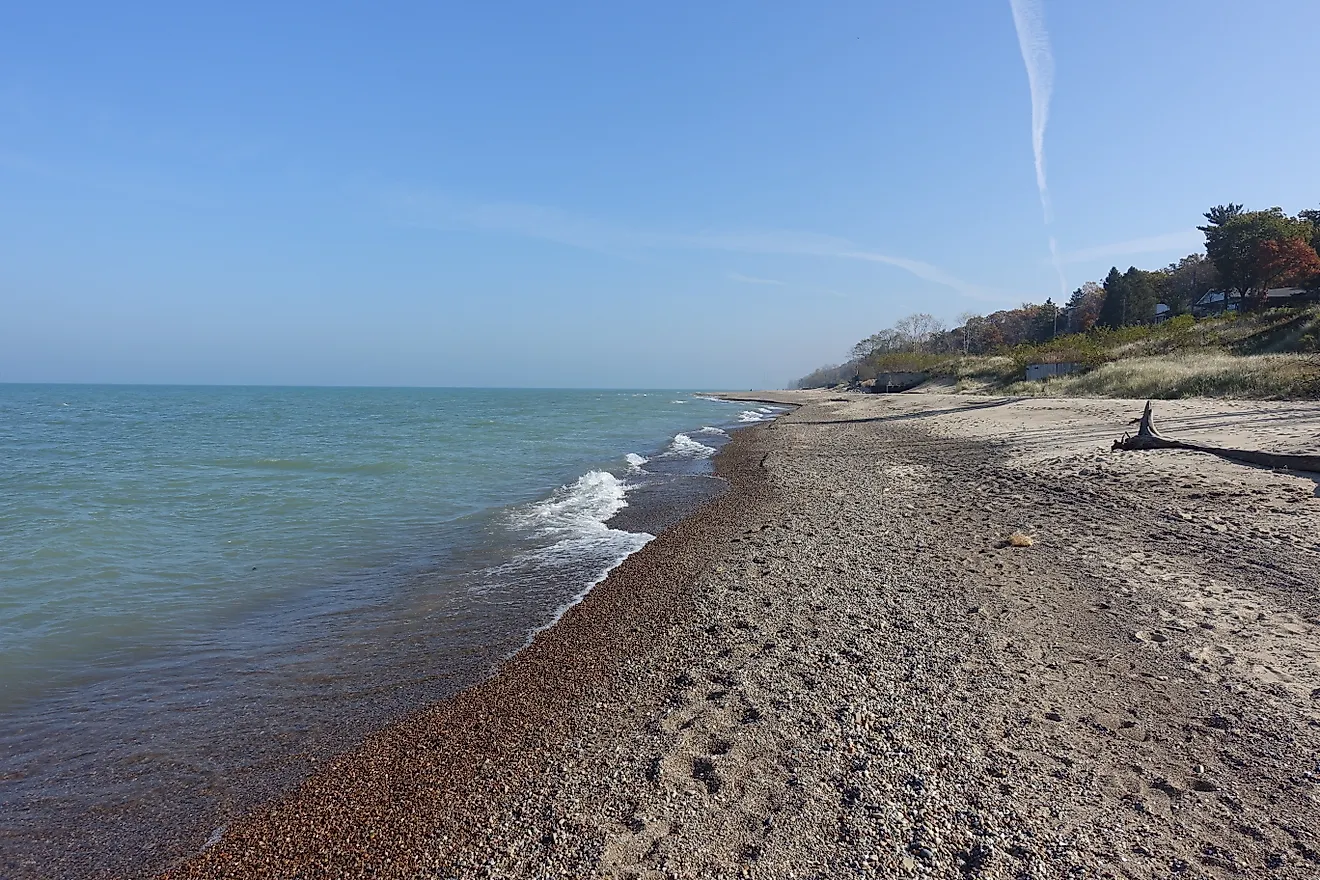
Most lakes are geological newborns. The Great Lakes, for all their size, are only about 14,000 years old, scooped out by retreating glaciers, and the average lake on Earth lasts a mere 10,000 years before silting up and vanishing. So which US lake has beaten those odds the longest? The answer turns out to be surprisingly contested, and it recently touched off a quiet geological turf war between two lakes in California.
Most Lakes Don't Last
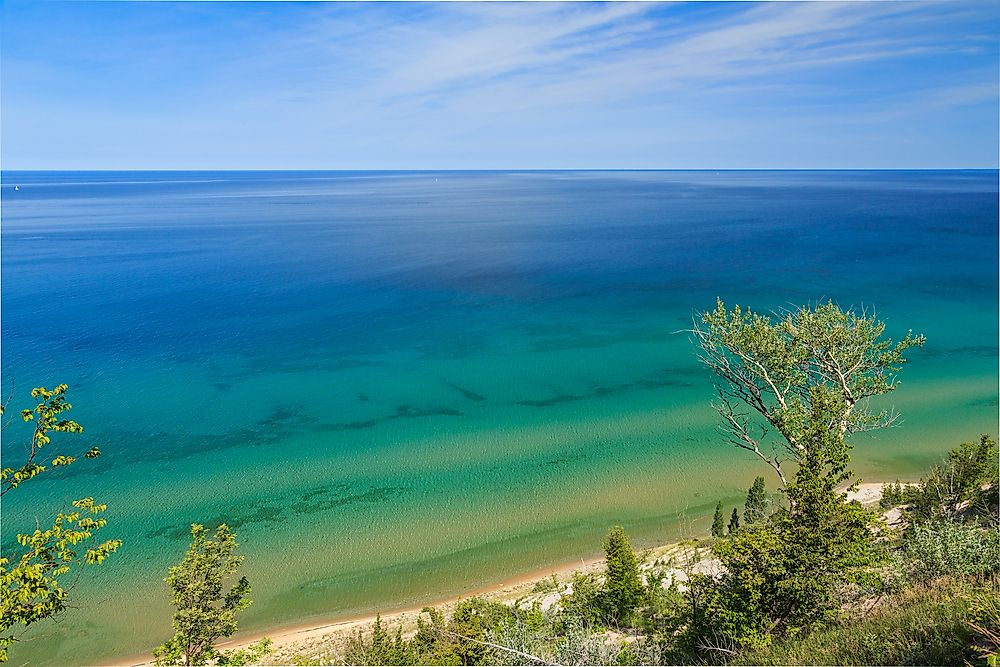
Here is the thing about lakes: they are temporary. Over thousands of years, rivers and runoff steadily dump sediment into them until the basin fills, the water drains off, and the lake quietly becomes a meadow or a marsh. Even the enormous Great Lakes are, geologically speaking, infants, gouged out by Ice Age glaciers a mere 14,000 years ago. For a lake to survive hundreds of thousands of years, let alone millions, something genuinely unusual has to be keeping it alive.
The Longtime Champ: Clear Lake

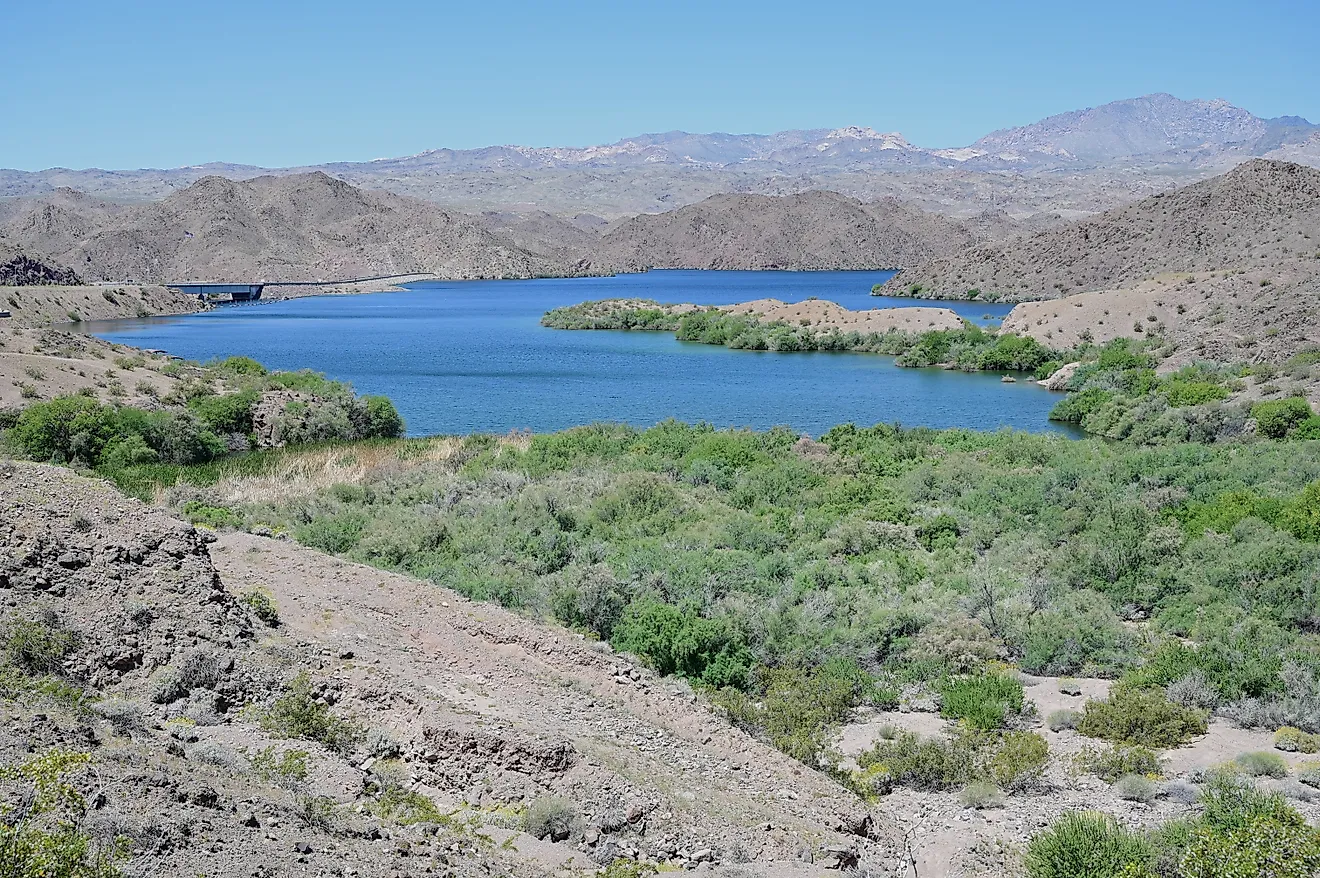
For decades, the undisputed answer was Clear Lake, in Lake County, California, about 100 miles north of San Francisco. It is the largest natural freshwater lake located entirely within the state, and it has long carried the title of oldest lake in North America. The lake you see today holds roughly 480,000 years of continuous sediment, but geologists believe a lake has existed on that exact spot for closer to 2.5 million years. The secret to its longevity is a geological magic trick: the massive block of rock beneath the lake slowly tilts over time at almost precisely the same rate that sediment fills the basin, so the water never gets the chance to silt up and disappear. Most lakes drown in their own mud. Clear Lake just keeps outrunning it.
The New Challenger: Lake Tahoe

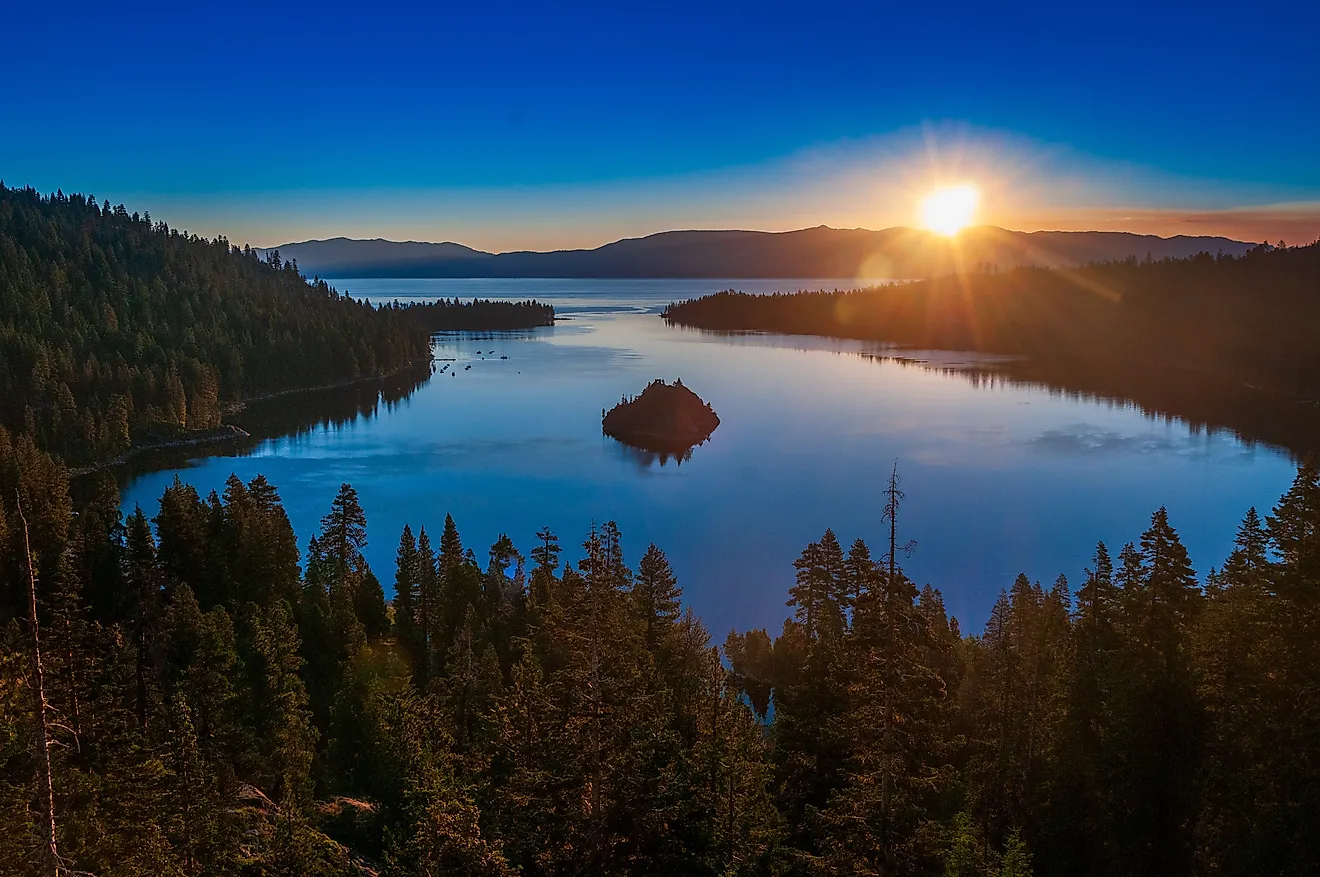
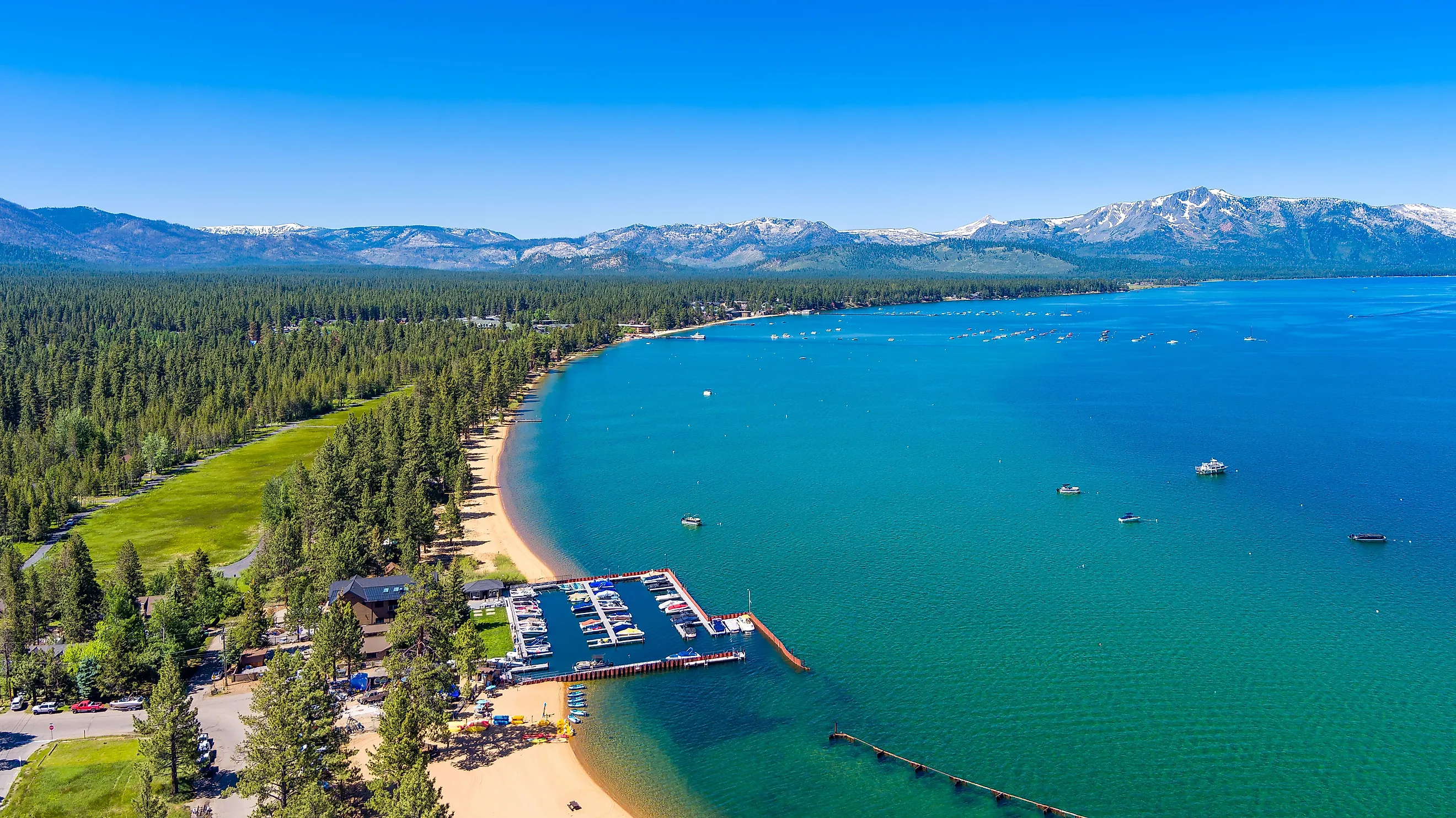
Then, in 2024, Clear Lake got dethroned. New research presented to the Geological Society of America, by geoscientist Winnie Kortemeier, dated Lake Tahoe, which straddles the California-Nevada border, to at least 2.3 million years old. That would make Tahoe not only the oldest lake in North America, but the third-oldest on the entire planet, behind only Russia's Lake Baikal and Africa's Lake Tanganyika. Tahoe formed through a combination of mountain faulting and ancient lava flows that dammed its basin, and its age, the research argued, is far easier to pin down with confidence than Clear Lake's.
So Which One Is It?

So who actually wins? It genuinely depends on how you define "age." Clear Lake has the longer-standing reputation and a lake system dated back a couple of million years, but its record of continuous, unbroken lake sediment only reaches about 480,000 years. Tahoe's basin, by contrast, can be dated with confidence well past 2.3 million years. By the newest and most rigorous science, Lake Tahoe takes the crown. By long tradition and popular billing, Clear Lake still wears it. Either way, both are almost incomprehensibly ancient, hundreds of times older than the Great Lakes, and the two of them lap the rest of the country's lakes without breaking a sweat.
Born of Restless Ground
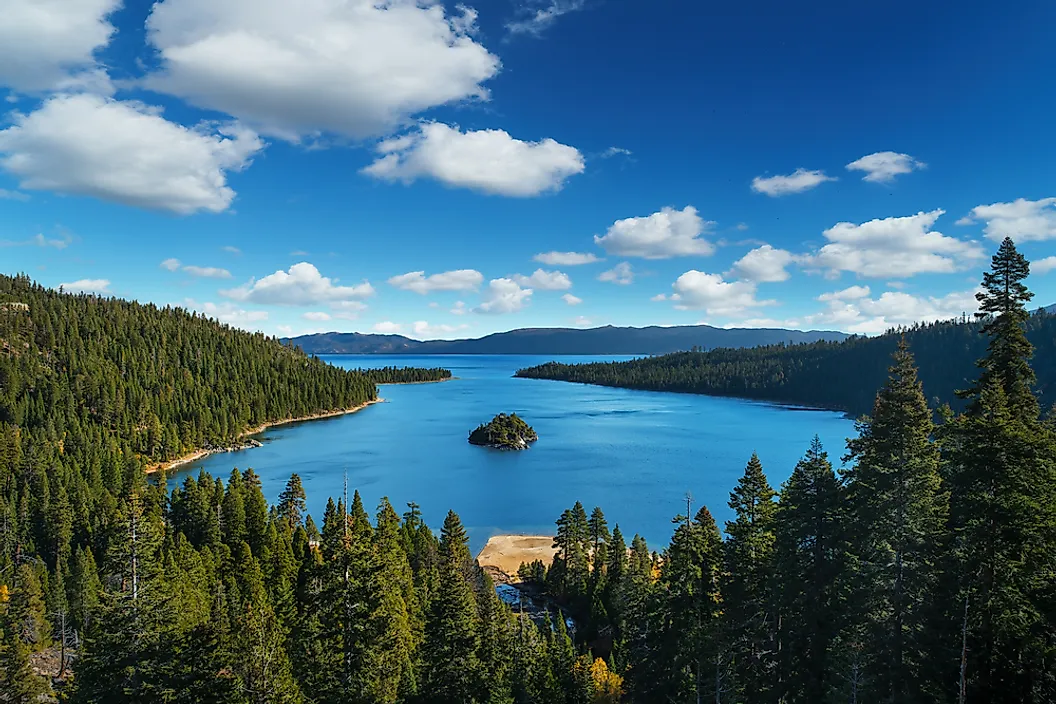
The reason both lakes have lasted so absurdly long comes down to the same thing: they sit on restless, constantly shifting geology. Clear Lake lies within an active volcanic field, in the shadow of Mount Konocti and near the steaming vents of The Geysers, one of the largest geothermal fields on Earth. Tahoe was born of faulting and volcanic lava dams high in the Sierra Nevada. It sounds backward, but all that geological chaos is exactly what keeps these lakes alive. The same forces that tilt and crack the ground beneath them also keep their basins deep, century after century, long after ordinary lakes would have quietly filled in and died. So the next time someone asks you for the oldest lake in America, enjoy the twist: it is a near-tie between two California lakes, both millions of years old, with the official crown having quietly changed hands only recently.