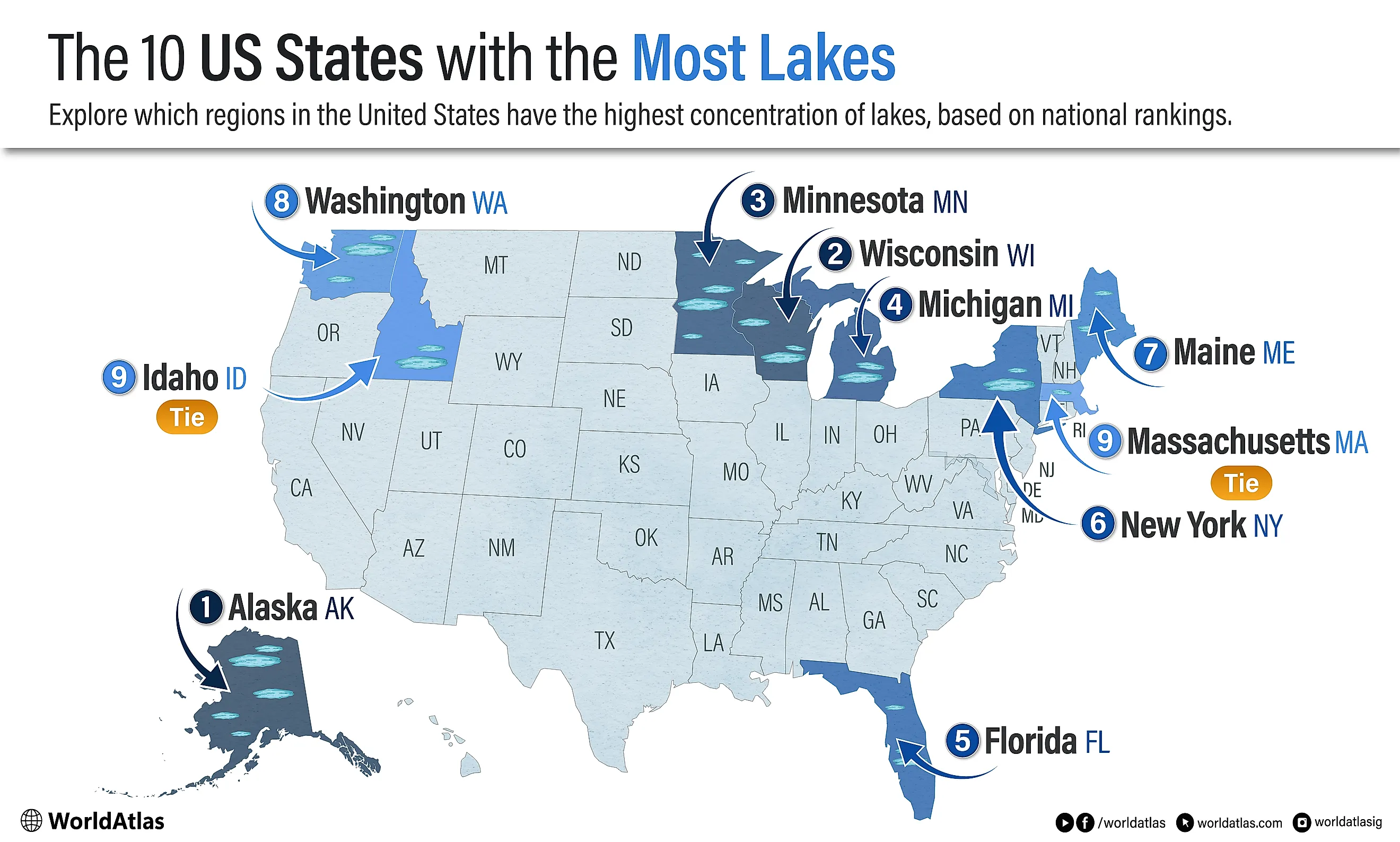
10 US States With The Most Lakes
The United States is full of lakes, millions of them, from Arctic tundra pools in Alaska to the warm, shallow waters of Florida. Glaciers carved most of them, leaving the Upper Midwest dotted with thousands of meltwater basins. Others formed in mountain valleys, sinkholes, and river plains. These lakes drive fishing, tourism, drinking water, and entire regional identities. But some states have far more than others. Alaska wins by a landslide, with roughly 3 million lakes. Wisconsin comes second with about 15,000. Minnesota, the famous "Land of 10,000 Lakes," undersells itself: the official count is 11,842. Here are the ten states with the most lakes, based on official state figures.
10 US States With The Most Lakes
| Rank | State | Number of lakes (estimate) |
|---|---|---|
| 1 | Alaska | +3 million |
| 2 | Wisconsin | 15,000 |
| 3 | Minnesota | 11,842 |
| 4 | Michigan | 11,000 |
| 5 | Florida | 7,700 |
| 6 | New York | 7,500 lakes, ponds, and reservoirs |
| 7 | Maine | 5,785 |
| 8 | Washington | 4,000 |
| 9 | Idaho | 3,000 natural lakes |
| 9 | Massachusetts | 3,000 lakes and ponds |
1. Alaska: More Than 3 Million Lakes

Alaska ranks first by an enormous margin. According to Alaska Department of Fish and Game data, the state has about 3 million lakes greater than 5 acres, a figure that reflects its immense size, glacial history, tundra wetlands, and remote basins. Iliamna Lake is the largest freshwater lake entirely within Alaska, and Becharof Lake on the Alaska Peninsula ranks second. These waters support salmon runs, migratory birds, subsistence fishing, and wildlife from bears to moose. Their remoteness, though, makes them hard to monitor like lakes in more developed states.
Data basis: This entry is based on the Alaska Department of Fish and Game estimate of lakes greater than 5 acres.
2. Wisconsin: About 15,000 Lakes

Wisconsin sits comfortably near the top. Its Department of Natural Resources consistently cites 15,000 lakes, including thousands of smaller inland lakes in the north, where glaciers left basins and drainage patterns that later filled with water. Lake Winnebago, at about 215 square miles, is the largest lake entirely within the state. But Wisconsin is just as known for smaller fishing and cabin lakes in Vilas, Oneida, and Sawyer counties. These waters are central to the state's outdoor life, from fishing and boating to swimming and camping.
Data basis: This entry is based on the Wisconsin Department of Natural Resources statewide lake count.
3. Minnesota: 11,842 Lakes of 10 Acres or More

Minnesota is famously the "Land of 10,000 Lakes," but the Minnesota Department of Natural Resources puts the official count at 11,842 lakes of 10 acres or larger, one of the clearer definitions any state uses. Glaciers carved the landscape before retreating at the end of the last Ice Age, leaving natural lakes, wetlands, and interconnected waterways. Major examples include Mille Lacs Lake, Lake Vermilion, Lake Winnibigoshish, and Lake Minnetonka, plus the state's slice of Lake Superior. These waters shape Minnesota's culture and economy through fishing, boating, cabin life, and winter recreation.
Data basis: This entry is based on the Minnesota Department of Natural Resources count of lakes 10 acres or larger.
4. Michigan: More Than 11,000 Inland Lakes

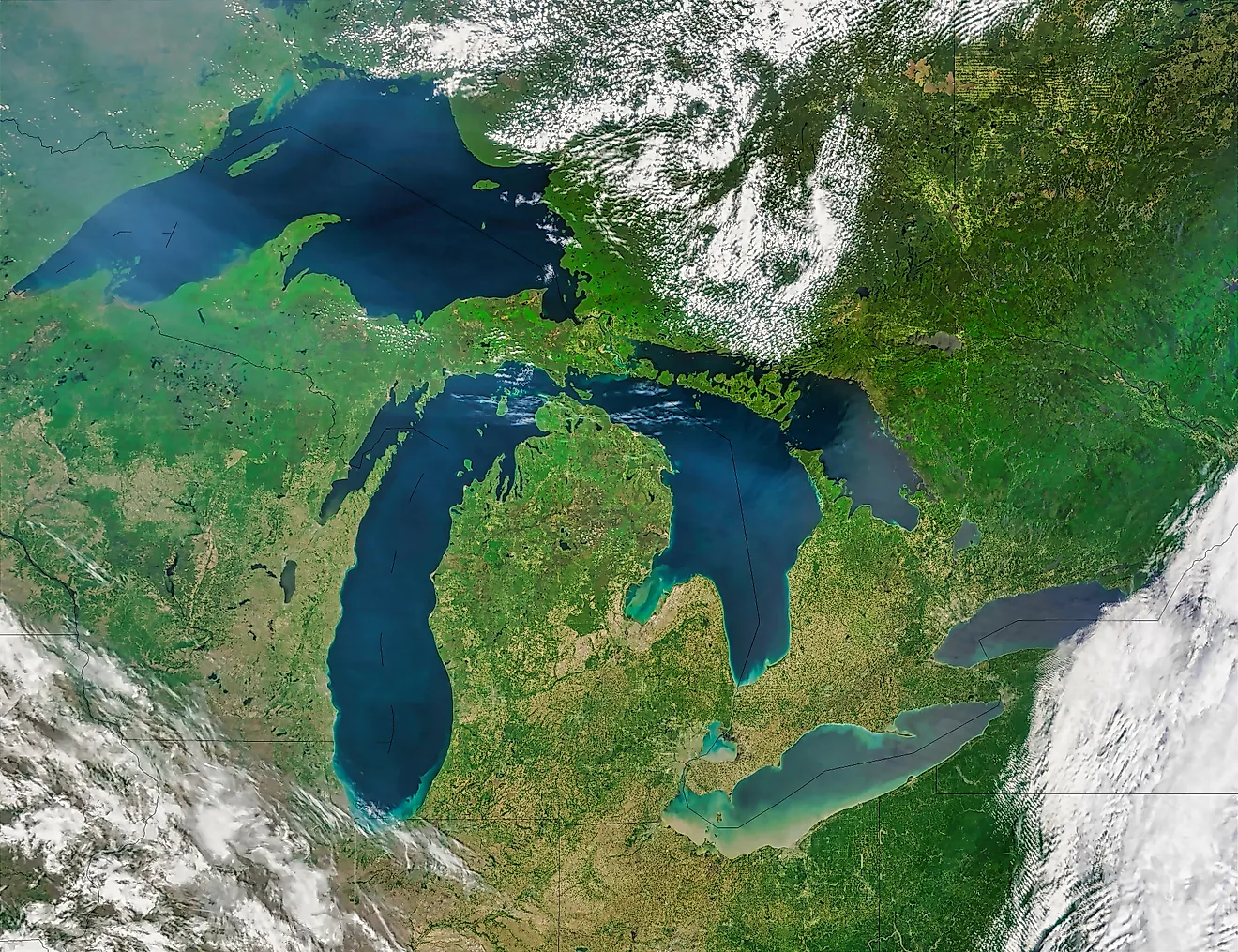
Michigan's Department of Natural Resources counts more than 11,000 inland lakes, and that number doesn't even capture its full freshwater identity, since the state borders four of the five Great Lakes. Spread across both peninsulas, many of these lakes were shaped by glacial activity that left kettle lakes, marshes, and connected waterways. Houghton Lake is the largest inland lake, and Torch Lake is famous for its depth, clarity, and blue-green water. Michigan's inland lakes provide fishing, boating, and cottage-country recreation, while the Great Lakes define its shoreline, economy, and climate.
Data basis: This entry is based on the Michigan Department of Natural Resources count of more than 11,000 inland lakes.
5. Florida: More Than 7,700 Lakes

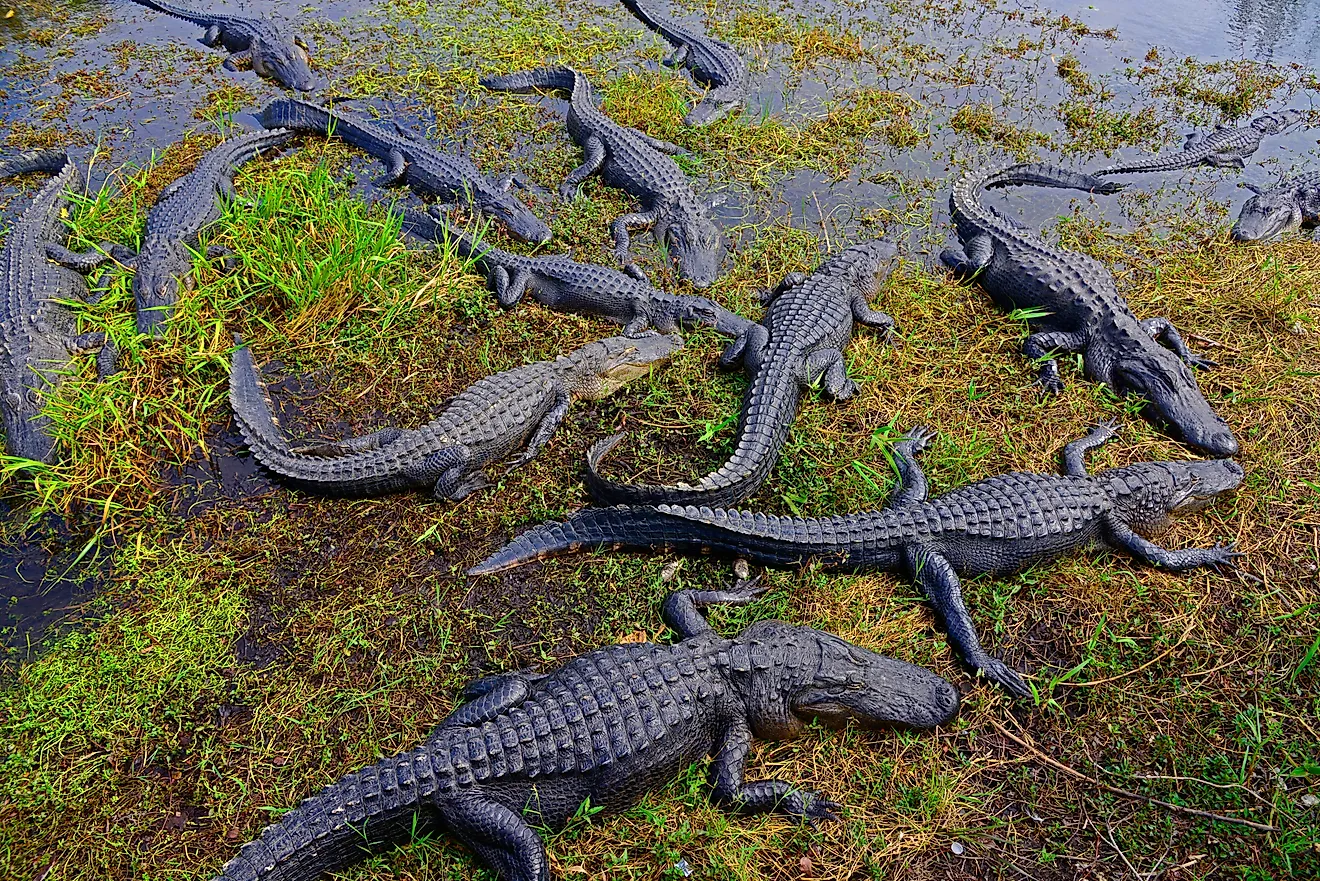
The Florida Fish and Wildlife Conservation Commission describes more than 7,700 named lakes over 20 acres. Unlike the glacier-formed lakes of the Upper Midwest, Florida's are mostly shallow, warm, and low-lying, often rain-fed or linked to wetlands, rivers, canals, and groundwater. Lake Okeechobee is the best-known and one of the largest freshwater lakes in the United States, while Lake George ranks as the state's second largest. These lakes matter for flood control, drinking water, and habitat, supporting bass fishing, wading birds, alligators, and turtles.
Data basis: This entry is based on Florida Fish and Wildlife Conservation Commission materials and Florida lake-region sources referencing more than 7,700 lakes.
6. New York: More Than 7,500 Lakes, Ponds, and Reservoirs

The New York State Department of Environmental Conservation references more than 7,500 lakes, ponds, and reservoirs, a figure that includes more than lakes alone, so it shouldn't be compared too literally with states counting only natural lakes. Even so, New York is clearly a major freshwater state: the Adirondacks hold thousands of cold, clean ponds suited to trout, while the Finger Lakes region is known for long, narrow glacial lakes and vineyards. Lake Champlain, Lake George, Oneida Lake, and the Finger Lakes are among the most famous, supporting recreation, tourism, and drinking-water supplies.
Data basis: This entry is based on the New York State Department of Environmental Conservation count of lakes, ponds, and reservoirs.
7. Maine: About 5,785 Lakes

Maine Department of Environmental Protection lake-monitoring data references 5,785 lakes, though other materials round to about 6,000 lakes and ponds. The lakes cluster across Maine's forested interior, especially in the north and center. Moosehead Lake, the largest at about 117 square miles, ranks among New England's most iconic freshwater destinations, while Sebago Lake serves as the main water supply for the Portland area. These lakes support fishing, paddling, camping, and remote outdoor tourism, and many connect with rivers, streams, and wetlands.
Data basis: This entry is based on the Maine Department of Environmental Protection lake-monitoring dataset referencing 5,785 lakes.
8. Washington: More Than 4,000 Lakes

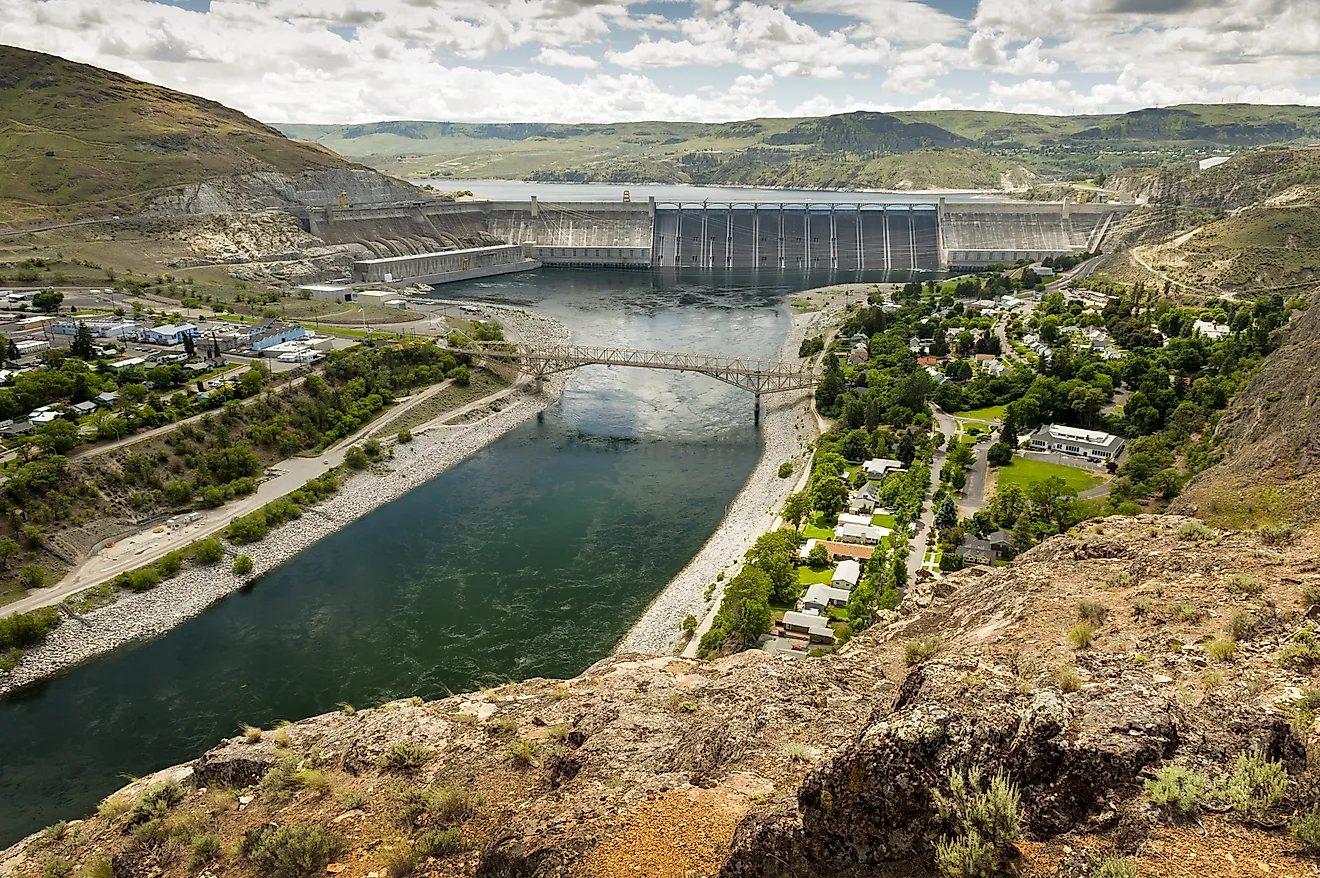
The Washington State Department of Ecology counts more than 4,000 lakes, a safer figure than broader unofficial claims, since it comes from the agency responsible for water quality. Washington's lakes span a varied landscape, with alpine lakes common in the Cascades and Olympics and lower-elevation lakes near cities and farmland. Lake Chelan is famous for its long, narrow shape and great depth, while Lake Washington, beside Seattle, is a hub for urban recreation and waterfront living. The state's lakes support fish habitat, drinking water, irrigation, boating, and tourism, and many mountain lakes are reachable only by hiking.
Data basis: This entry is based on the Washington State Department of Ecology statewide lake count.
9. Idaho: More Than 3,000 Natural Lakes

Idaho Fish and Game counts more than 3,000 natural lakes alongside extensive rivers, streams, and reservoirs, though the Idaho Department of Water Resources gives a lower figure of more than 2,000 lakes, with 1,228 named, so the count depends on the agency and definition. Most natural lakes are tied to rugged mountain ranges like the Sawtooth and Bitterroot, surrounded by forests and granite peaks. Redfish Lake is one of the best-known, while Lake Pend Oreille is the state's largest and deepest. Cold, clear, and often remote, Idaho's lakes draw anglers, hikers, and photographers.
Data basis: This entry is based on Idaho Fish and Game's count of more than 3,000 natural lakes, with Idaho Department of Water Resources providing a lower companion figure.
9. Massachusetts: More Than 3,000 Lakes and Ponds

Massachusetts takes the final spot, with state educational materials referencing more than 3,000 lakes and ponds, a figure that isn't lakes-only and should be read with the same caution applied to New York and Maine. Its lakes and ponds are smaller on average than those in Alaska or Minnesota, but they still matter for swimming, paddling, fishing, flood control, and public water supply. Well-known examples include the Quabbin Reservoir, the largest body of water in the state, the Wachusett Reservoir, Lake Chaubunagungamaug, and the kettle ponds of Cape Cod. Because these waters sit in a densely populated region, water quality and invasive-species management are major concerns.
Data basis: This entry is based on Massachusetts state lakes-and-ponds educational materials referencing more than 3,000 lakes and ponds.
Why Lake Counts Differ So Much
These numbers are state-reported counts, not a uniform national survey. Alaska uses a threshold of greater than 5 acres. Minnesota counts lakes of 10 acres or larger. Florida references named lakes over 20 acres. New York includes lakes, ponds, and reservoirs. Massachusetts includes lakes and ponds. Idaho separates natural lakes from ponds and reservoirs.
That variation matters. A state with thousands of small ponds may rank higher or lower depending on whether those ponds count. A state with many reservoirs may shift depending on whether artificial water bodies are included.
Even so, the pattern is clear: Alaska dominates by sheer abundance, the Upper Midwest holds some of the country's most lake-dense landscapes, and states like Florida, New York, Maine, Washington, Idaho, and Massachusetts all have major freshwater systems shaping their geography and economies.
Final Thoughts
The United States has no shortage of lakes, but the states on this list stand out for the scale, variety, or official count of their freshwater. From Alaska's millions of remote basins to Wisconsin and Minnesota's glacial lake country, from Florida's shallow wetland lakes to New York's Adirondack and Finger Lakes regions, each state carries a distinct freshwater identity.
For travelers, anglers, paddlers, and anyone drawn to geography, these lake-rich states offer some of the best inland water in the country.