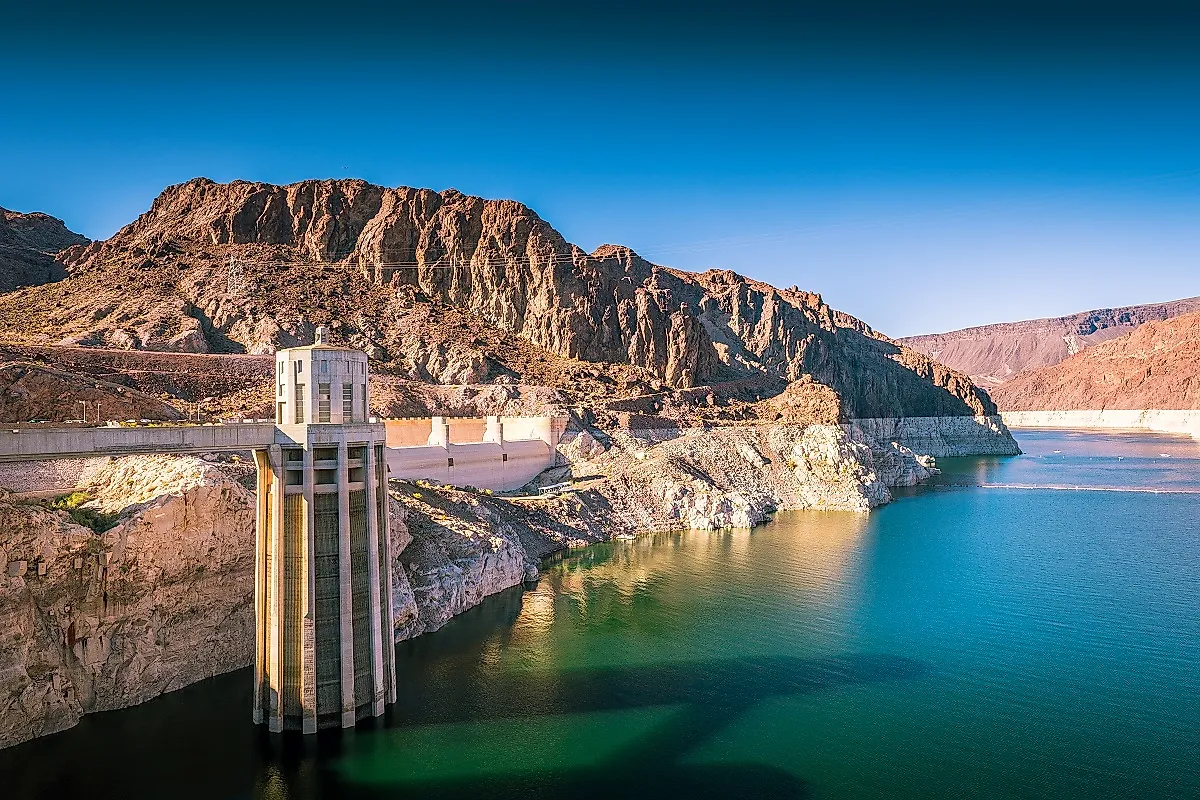
Why Nevada Is Suing The Federal Government Over The Colorado River
On August 24, 2026, the State of Nevada, the Colorado River Commission of Nevada and the Southern Nevada Water Authority filed a 31-page complaint in federal district court against the Department of the Interior and the Bureau of Reclamation. It was the first lawsuit over the river's new operating rules, and the number at the center of it is 213,556 acre-feet. That is the reduction Nevada says it faces in the driest years under the federal plan, against a total state entitlement of 300,000 acre-feet. It works out to just over 71 percent. The Upper Basin states are required to contribute nothing.
How It Got Here
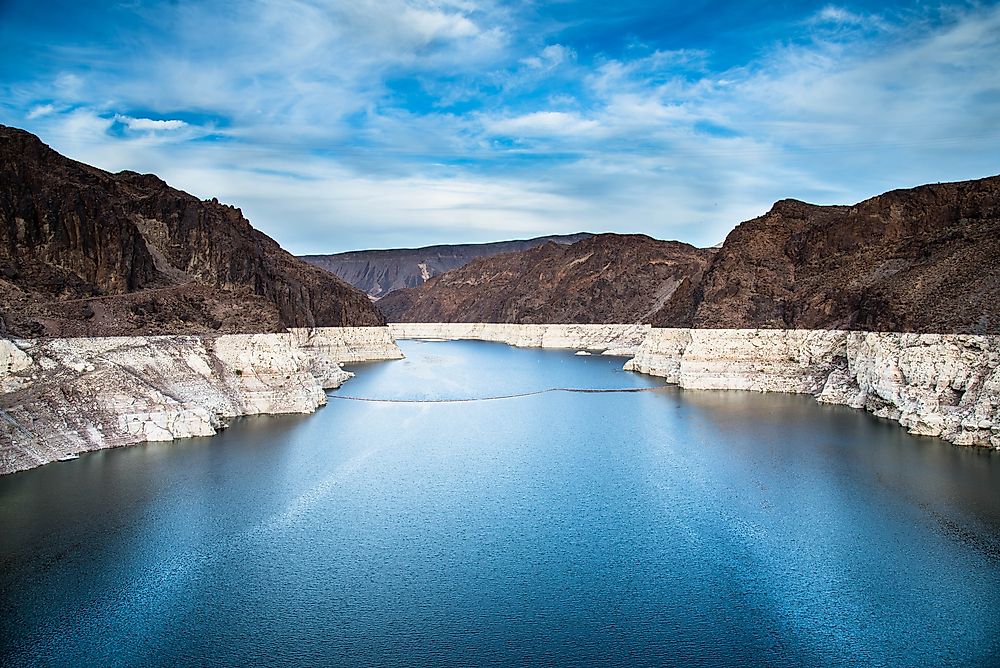
The rules that have governed the Colorado since 2007, along with the Drought Contingency Plan layered on top of them, all expire at the end of 2026. Something had to replace them.
The seven basin states spent years negotiating a successor and did not reach agreement. With the deadline approaching, the Department of the Interior issued its own plan, a Record of Decision together with operating guidelines for 2027 and 2028 covering Lake Powell and Lake Mead.
Many observers expected litigation to follow a federally imposed solution. Nevada went first.
The Arithmetic Nevada Objects To

Nevada holds the smallest Colorado River entitlement of the seven states at 300,000 acre-feet a year, a figure set in the 1920s when almost nobody lived there.
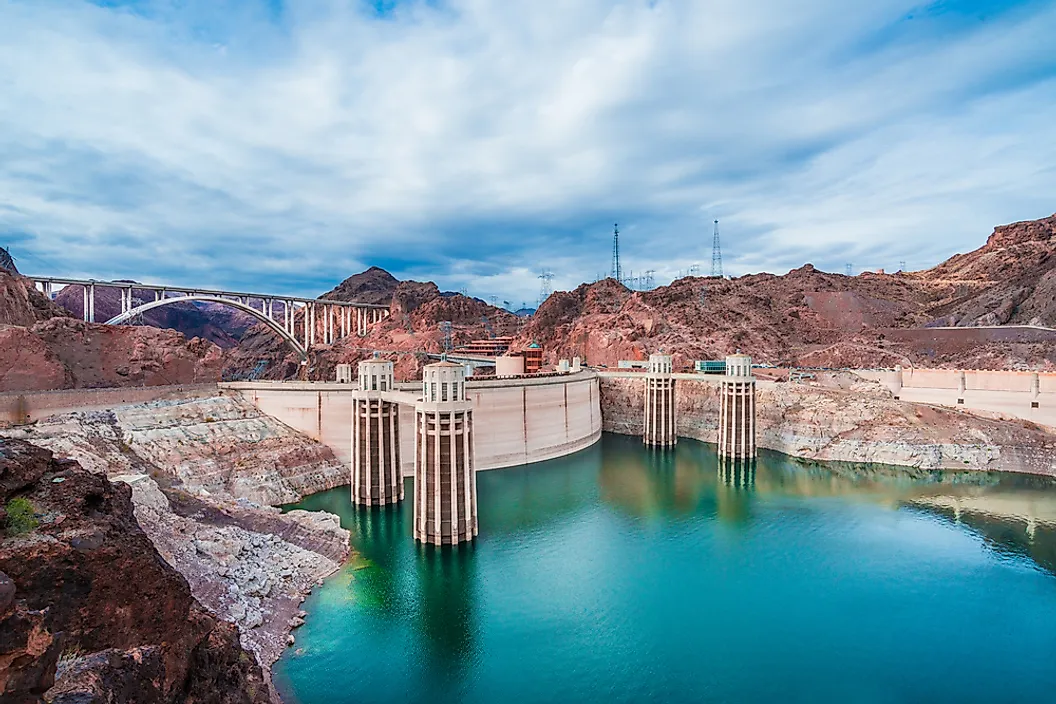
Under the federal plan, at a 3.6 million acre-foot shortage level, Nevada's reduction would be 213,556 acre-feet. Southern Nevada actually used about 212,500 acre-feet in 2024, so the steepest cuts would leave the region with under 86,500 acre-feet, roughly 41 percent of what it consumed two years ago.
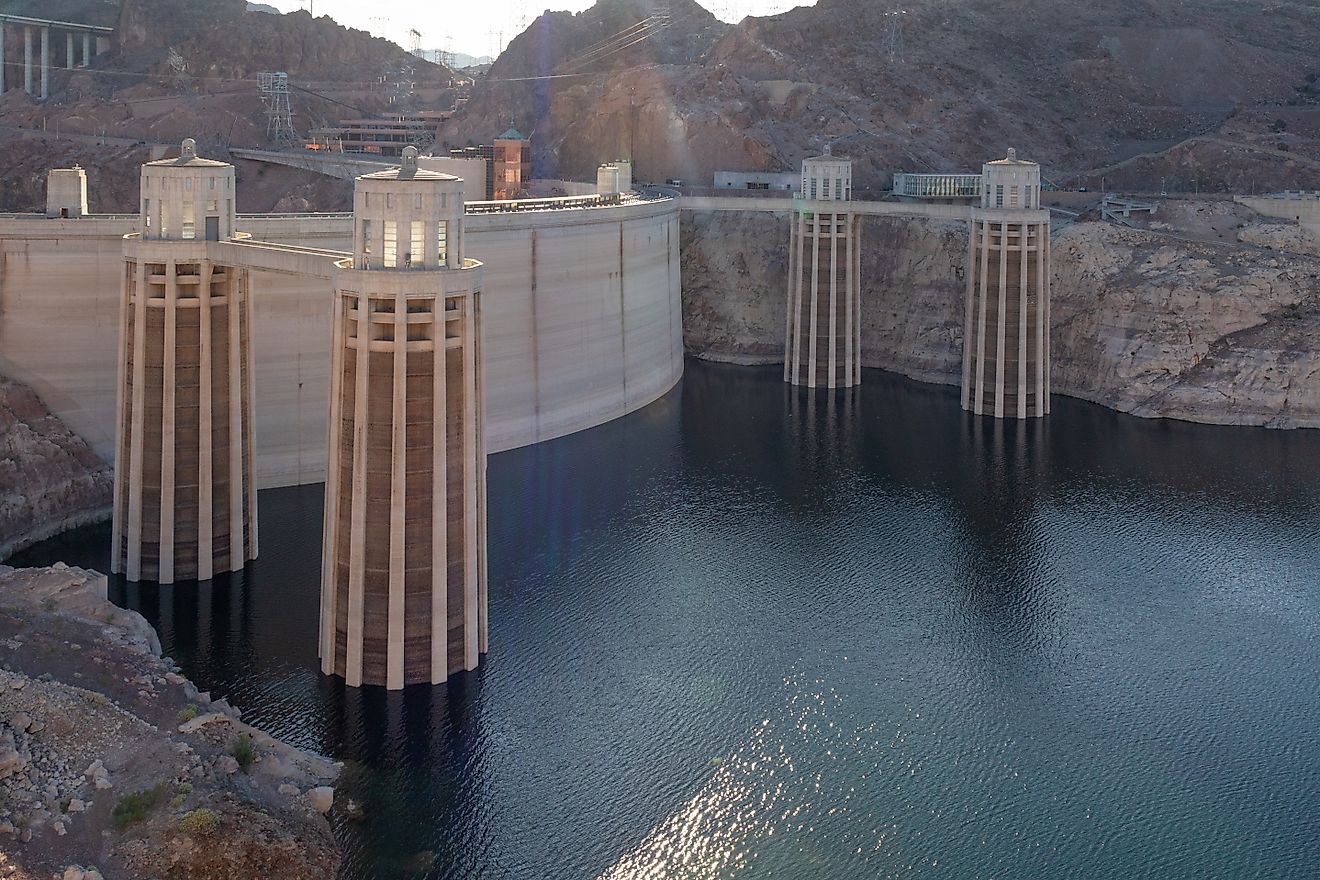
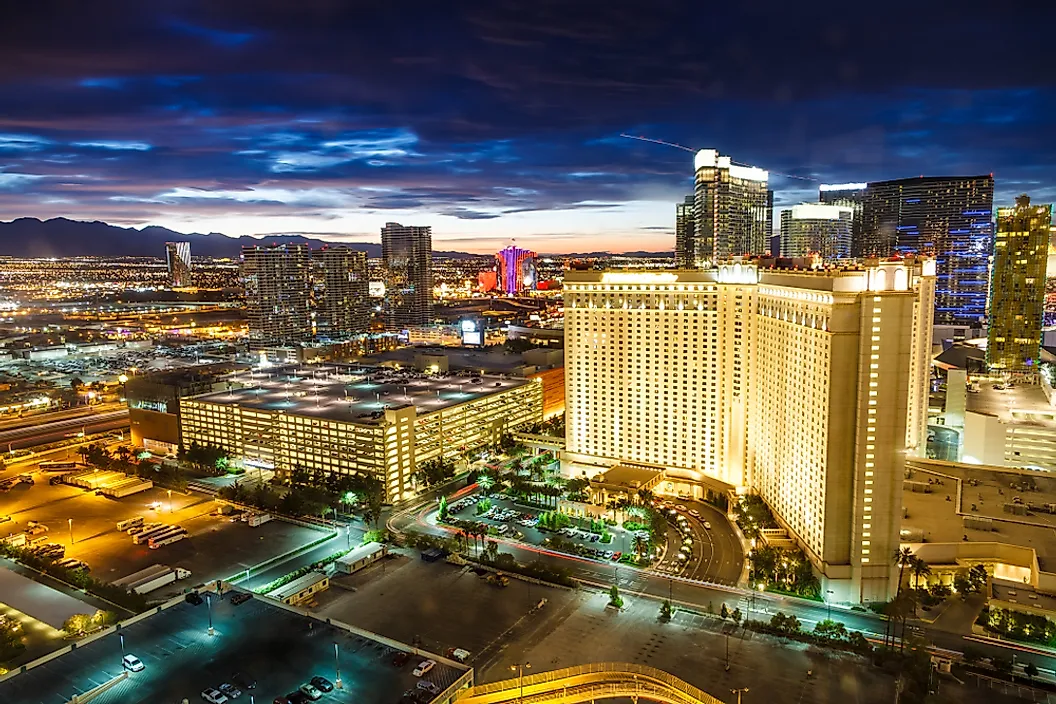
The river supplies about 90 percent of the water used in the Las Vegas valley, home to more than 2.3 million people.
The Conservation Argument
The core of Nevada's complaint is not simply that the cut is large. It is that the cut arrives after the state already did what it was asked to do.
Since the drought began, according to the filing, Nevada has reduced its water use by 40 percent while the southern Nevada population served by Colorado River water grew by 875,000 people. The region banned decorative grass, restricted golf course irrigation and recycles nearly all indoor wastewater back to Lake Mead.
The state's position is that the new guidelines fail to credit that record when apportioning shortage, so the places that conserved hardest face among the steepest reductions.
The Upper Basin Point
The argument Nevada's officials have made most loudly in public concerns who is not being asked to cut.
Governor Joe Lombardo put it this way: southern Nevada could lose more than 70 percent of its already meager allocation while the Upper Basin states of Colorado, Utah, New Mexico and Wyoming are not required to contribute a drop. John Entsminger, the Southern Nevada Water Authority general manager and the state's lead river negotiator, called the proposed reduction entirely unrealistic and said a plan that shifts all of the burden onto fewer than half the states is fundamentally flawed.
Colorado's negotiating team declined to comment on the filing, saying they were still reviewing it.
The Legal Claims
Public anger is not a cause of action, so it is worth separating the rhetoric from what the complaint actually alleges. Nevada claims federal officials failed to consider the Lower Basin states' own alternative proposal, and that the environmental analysis supporting the decision was inadequate on environmental, socioeconomic and public health grounds. The state argues the framework violates the body of law governing the river.
These are allegations at this stage. The federal government has yet to respond, and the court will decide whether the decision complies with federal law.
The Economic Analysis Complaint

One specific claim is more interesting than the general ones, because it is about what the federal analysis measured.
Nevada alleges the environmental review focused largely on potential losses to agriculture and river-based recreation rather than to urban and industrial users. The filing argues that officials did not properly analyze the effect on southern Nevada's 180 billion dollar economy.
It gets specific about what was left out: effects on the state's bond ratings and borrowing costs, reductions in tree canopy that could raise urban temperatures, and rate pressure on water customers. Whether or not a court agrees, it is a pointed observation about whose losses get counted when a river is divided.
What Nevada Is Asking For
The remedy sought is narrower than the headlines suggest, and it is procedural rather than substantive.
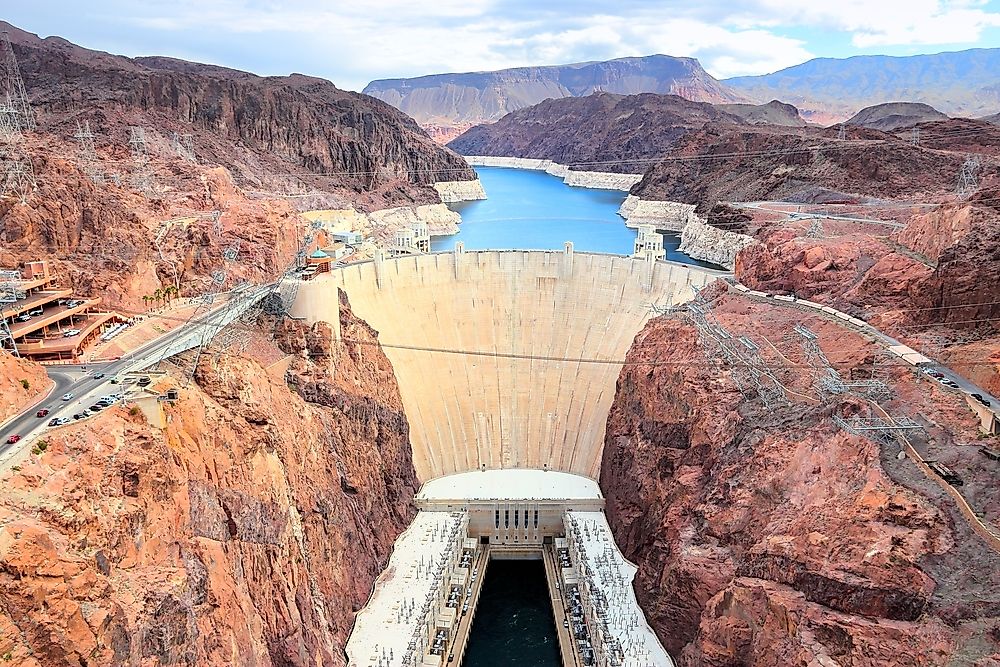
The complaint asks the court to declare the decision unlawful, set aside the Record of Decision and operating guidelines, and issue an injunction preventing federal officials from implementing them until the government complies with the laws cited.
Nevada is not asking a judge to write a new allocation. It is asking for the federal plan to be stopped and the process restarted.
The Stated Goal Is A Deal

Entsminger has been explicit that the lawsuit is a means rather than an end. His stated aim is to bring all seven states and the federal government back to the table to produce a plan where everyone sacrifices a little so that no single state takes catastrophic reductions. In that reading the litigation is leverage to reopen a negotiation that collapsed.
That is a common pattern in Western water. Most of these disputes are settled rather than decided, and filing is often the move that restarts talking.
Why It Matters Beyond Nevada
Nevada was the first to sue and is unlikely to be the last, which is the broader significance here. Arizona and California face cuts under the same framework. The Upper Basin states have an interest in defending an arrangement that asks nothing of them. Mexico has treaty entitlements that sit underneath all of it. A successful challenge would send everybody back to a negotiation that already failed once, with less time remaining.
The underlying problem is unchanged by any of this. The river is over-allocated, the reservoirs are low, and the total amount of water does not increase regardless of who wins.
Where It Stands

The complaint was filed on August 24, 2026 in US District Court, naming the Interior Department, the Bureau of Reclamation and Reclamation Commissioner Aubrey Bettencourt. Interior and Reclamation did not respond to press requests for comment at the time of filing.
The federal government will have its opportunity to answer, and the court will ultimately rule on whether the challenged decisions comply with federal law. Until then the guidelines for 2027 and 2028 remain the plan of record, and the 2007 rules they replace expire at the end of this year.