5 Most Snake-Filled Bodies Of Water In Nebraska
A timber rattlesnake will swim across open water with its head held above the surface, and the Missouri River along Nebraska's eastern border is one place you might see it. The Platte River Prairies hold garter snakes by the thousands in their wet grassland edges. The Snake River in the Sandhills earned its name from the prairie rattlesnakes coiled along its rocky banks. Nebraska has 29 species of snake in all, and only four of them are venomous. The rivers and reservoirs below hold the densest snake populations in Nebraska, from harmless water snakes to the state's handful of rattlesnakes.
Missouri River

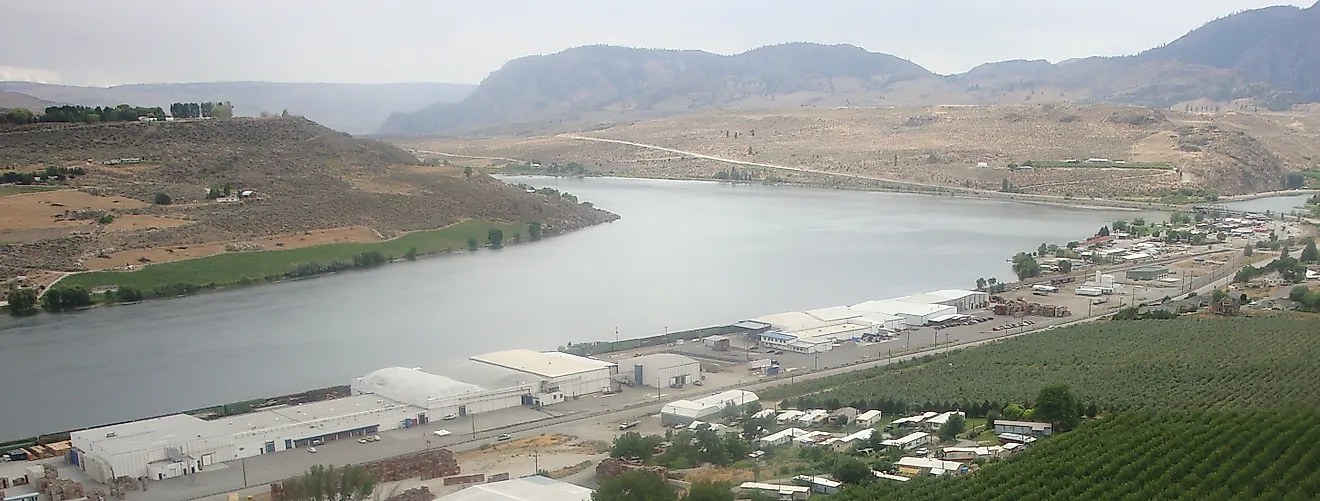
The Missouri River forms the eastern border of Nebraska, separating it from Iowa and Missouri. The Missouri National Recreational River flows along the border between Nebraska and South Dakota, preserving one of the last free-flowing sections of North America's longest river.
Natural flooding creates wetlands, sandbars, and islands, which are suitable habitats for snakes. Out of 14 species of snake that inhabit this stretch of the Missouri River, two of them are venomous: the timber rattlesnake (Crotalus horridus) and the eastern copperhead (Agkistrodon contortrix). Rattlesnakes can be identified by their triangular-shaped heads, vertical cat-like pupils, and, of course, their namesake rattle on the end of their tail. However, because the rattle includes a segment of shed skin, it can be lost, and the absence of a rattle does not mean a snake is harmless. Copperheads, on the other hand, can be identified by their unmarked copper-colored head and the hourglass banding across their bodies.

Common nonvenomous snakes found along the Missouri River include the Northern water snake (Nerodia sipedon), whose primary habitat consists of permanent bodies of water such as streams, rivers, and marshes, where it hunts its primary prey, amphibians and fish. Common garter snakes (Thamnophis sirtalis) are found in almost every possible habitat, although they are almost always found near permanent bodies of water.
Platte River

The Platte River Prairies are a chain of wetlands and grassland habitats along the Platte River, creating ideal conditions for snakes. The common garter snake is one of the most abundant snakes found along the Platte River and the Platte River Prairies.
There are two species of hognose snake (Heterodon sp.) found in the Platte River Prairies: the plains hognose snake (Heterodon nasicus) and the Eastern hognose snake (Heterodon platirhinos). Both of these species are rear-fanged venomous. This means they have enlarged teeth at the back of their mouth connected to mild venom glands. Unlike vipers, which have hollow fangs for injecting venom, rear-fanged venomous snakes have to chew the venom into their prey. Hognose venom is only toxic enough to immobilize toads and frogs, which make up most of their diet. Neither species poses a threat to humans. In fact, instead of relying on venom to deter predators, they will roll onto their back and open their mouths to appear dead.

The red-bellied snake (Storeria occipitomaculata) is also found in the central Platte River. They prefer open, moist areas and streamside habitats. They are highly secretive snakes, often found hiding beneath ground debris such as rocks, logs, and leaf litter.
Calamus Reservoir

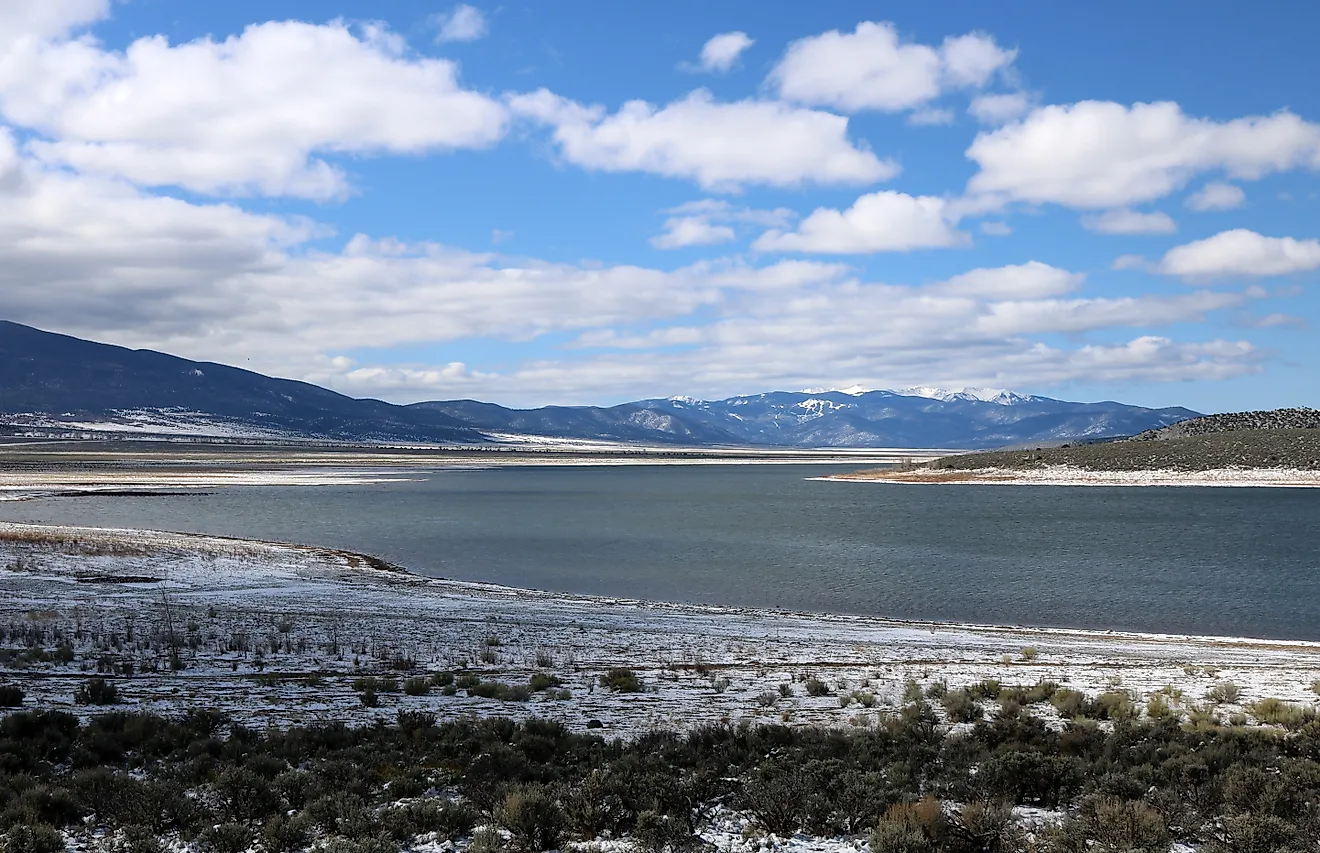
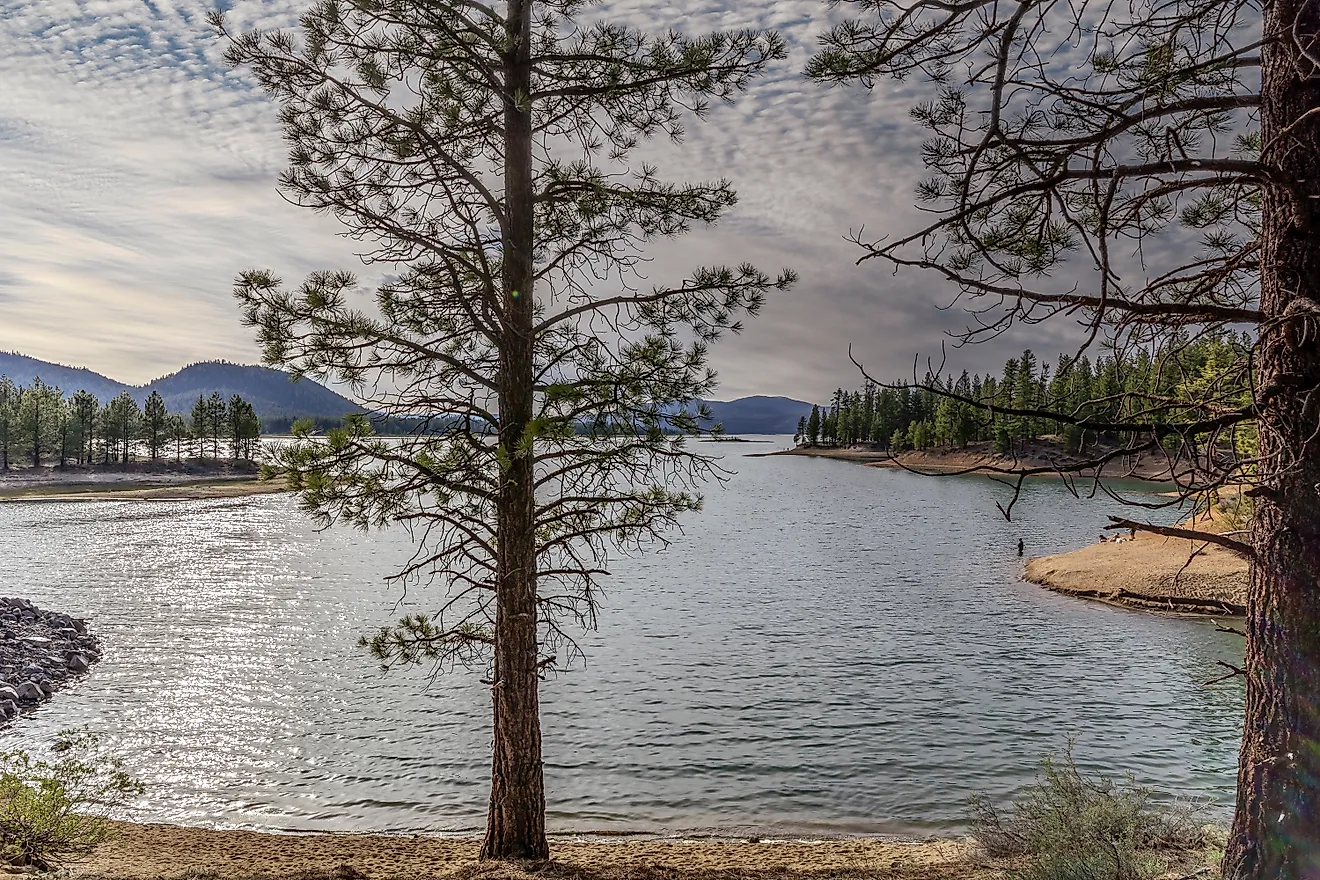
The Calamus Reservoir is a 5,123-acre lake surrounded by 4,958 acres of native grass-covered rolling hills. It is located in the Sandhills of central Nebraska. Many people come to recreate on and off the water, fishing, boating, swimming, or relaxing on sandy beaches. There are nine snake species found in the Sandhills; however, the bull snake (Pituophis catenifer), the plains garter snake (Thamnophis radix), and the common garter snake are among the most commonly seen snakes within the different habitats along the reservoir.
Just like the common garter snake, the plains garter snake occurs statewide in various habitats. However, it is most closely associated with wetlands such as wet prairies and riparian grassland edges, like those in the terrain surrounding the Calamus Reservoir.

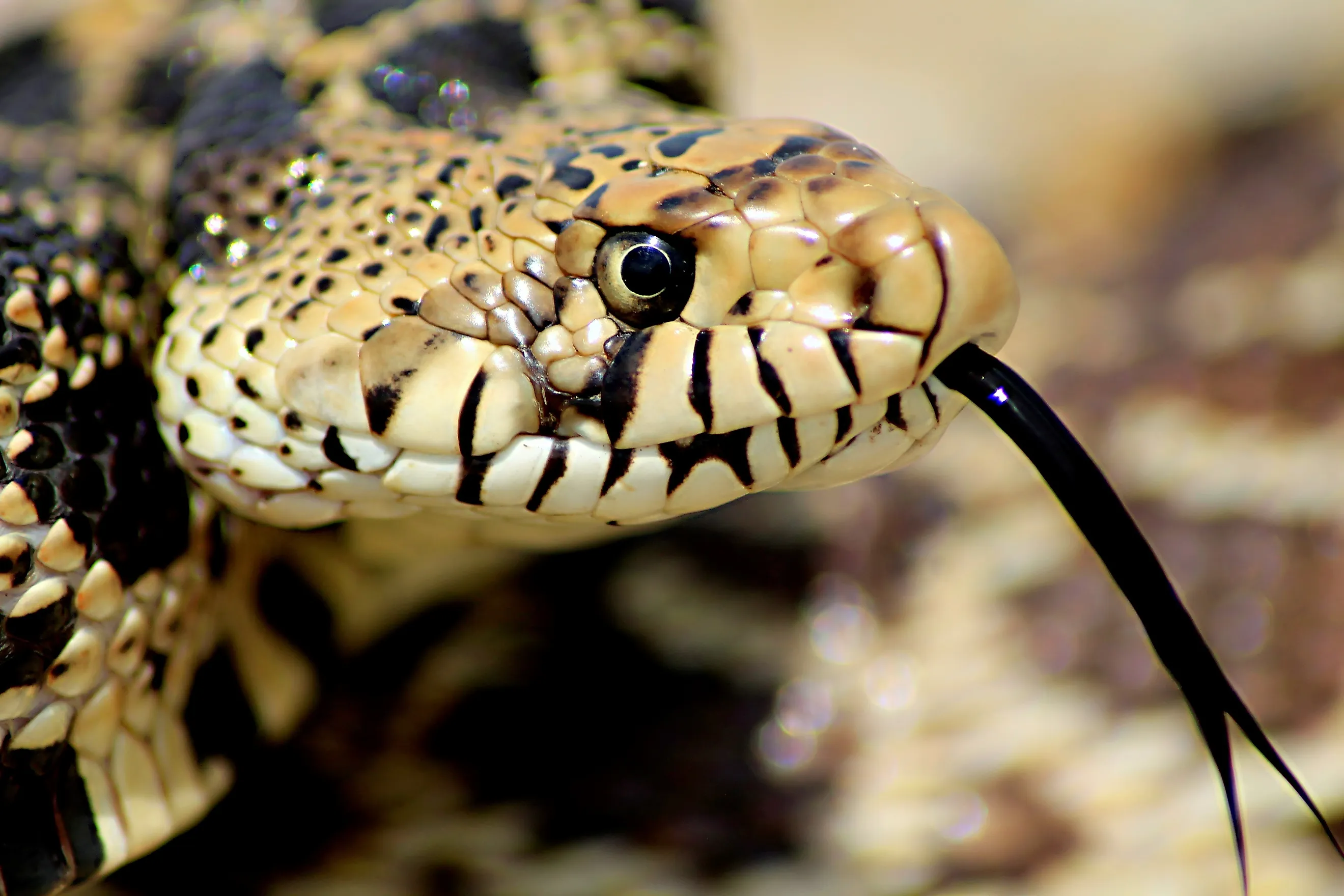
The bull snake is one of the longest snakes in the United States and the largest snake in Nebraska, reaching lengths of up to 8 feet. Despite their gargantuan size, bull snakes pose no risk to humans. However, in an effort to deter predators, bull snakes will mimic rattlesnakes by rearing up in a similar defensive posture and rapidly vibrating their tails to replicate the rattle's sound. But because of this, bull snakes are sometimes killed in mistaken identity. Unlike rattlesnakes, however, bull snakes have narrow heads and round pupils, a readily distinguishable difference between the two species.
Niobrara River

The Niobrara River cuts across the northern edge of the Sandhills and the eastern plains of Nebraska before it joins the Missouri River. During its course in Nebraska, it flows through wide valleys and narrow canyons, exposing several bluffs. The diverse vegetation consists of western coniferous, eastern deciduous, and northern boreal forests. With undeveloped shorelines, the variation along the Niobrara River accommodates 13 species of snake native to the valley.
The deciduous forests of the Niobrara River valley represent the western limits of the ringneck snake's (Diadophis punctatus) range. They favor open woodlands and grassland with rocky outcrops where they can prey on earthworms, insects, and amphibians. The Eastern hognose snake also occurs in the valley, but is only marginally distributed across the Sandhills.

Common garter snakes and bull snakes are the most common nonvenomous snakes found along the river. The prairie rattlesnake is common and the only venomous snake along the river. They mostly inhabit rocky grasslands, riverside cliffs, canyons, and outcrops.
Snake River

The Snake River is a 126-mile-long tributary of the Niobrara River. It is located entirely within the Sandhills of Nebraska. The banks of the river are lined with grass-covered sand hills and open prairie grasslands. Unlike the other bodies of water on this list, the Snake River does not have a wide variety of snakes. However, there is an abundance of one snake in particular, from which the river's name stems: rattlesnakes.
Prairie rattlesnakes are Nebraska's most widespread venomous snake. Along its course, the Snake River has carved rocky terrain that has created features such as Snake River Falls, as well as rocky cliffs and steep ledges that provide sheltering habitat for prairie rattlesnakes. Although the Snake River itself is not dominated by aquatic snakes, its surrounding grasslands and rocky areas create optimal habitat for one of Nebraska's most common venomous snakes.
Snakes of Nebraska's Waters
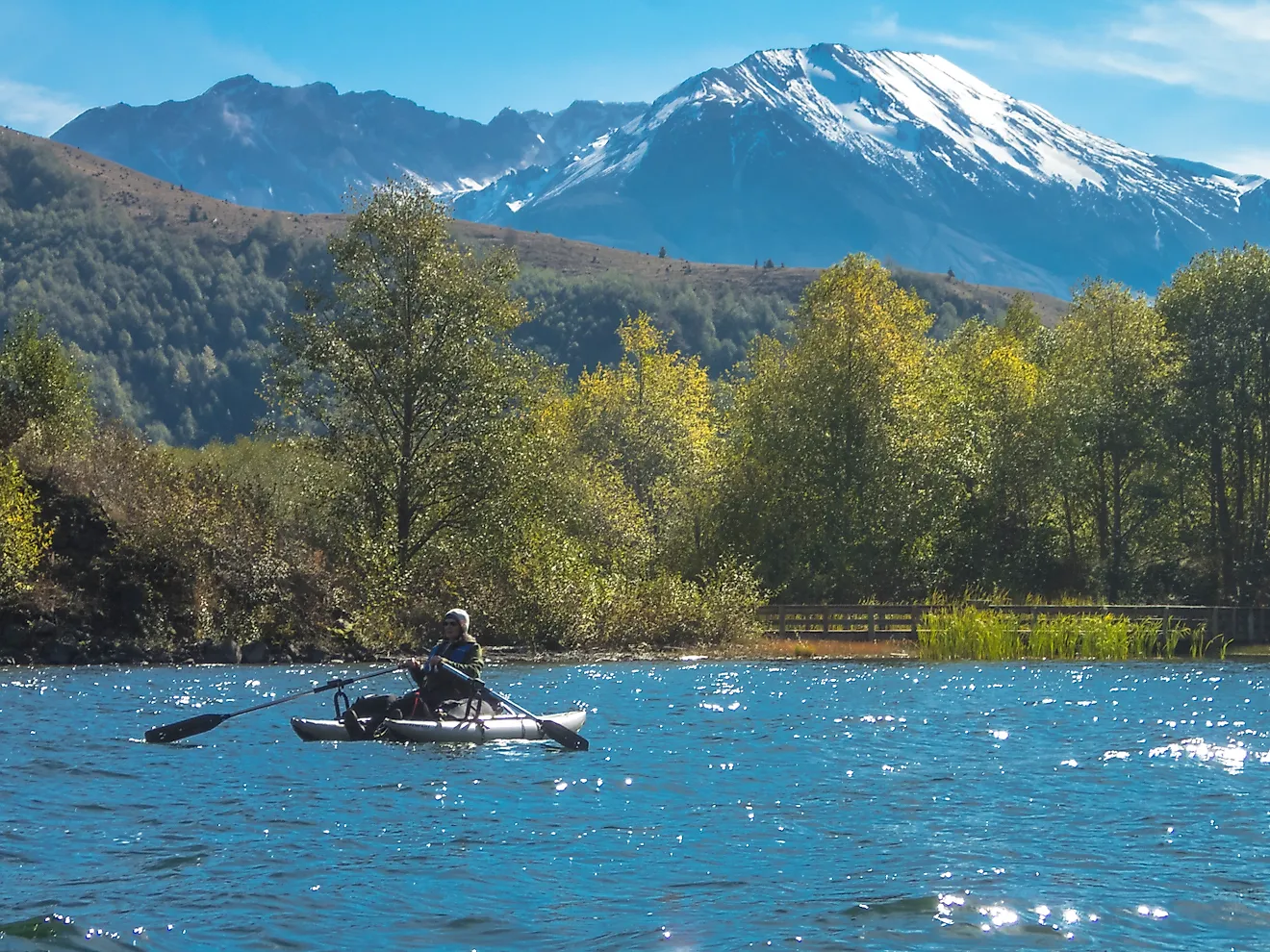
Recreational opportunities await at Calamus Reservoir. The Missouri National Recreational River provides access to some of the last free-flowing stretches of the Missouri River. Many people who visit these bodies of water in Nebraska may wonder whether they will encounter a venomous snake. The answer is almost always no. Garter snakes, water snakes, and bull snakes are the most common snakes spotted around the rivers and reservoirs. The chances of encountering a venomous snake, let alone being bitten by one, are extremely slim.