Garter Snake
Garter snakes are among the most widespread reptiles in North America, and they pose little danger to people. That contrast makes the fear and stigma surrounding them especially striking. These common creatures are essential to their ecosystems, both as predators and prey, helping manage small-animal populations and serving as food for hawks, herons, and foxes. Yet they are still frequently treated as pests by humans, even in the gardens and backyards they help balance. They are primarily passive unless provoked, and well worth admiring from a respectful distance.
Classification and Characteristics

Members of the class Reptilia, garter snakes are not a single species, as some assume. Rather, “garter snake” is a common name for the genus Thamnophis, a member of the broader Colubridae family of snakes. Colubrids are the largest and most diverse family of snakes on the planet, making up two-thirds of all species. They are characterized by high variability, with most species being aglyphous and about a third being opisthoglyphous.
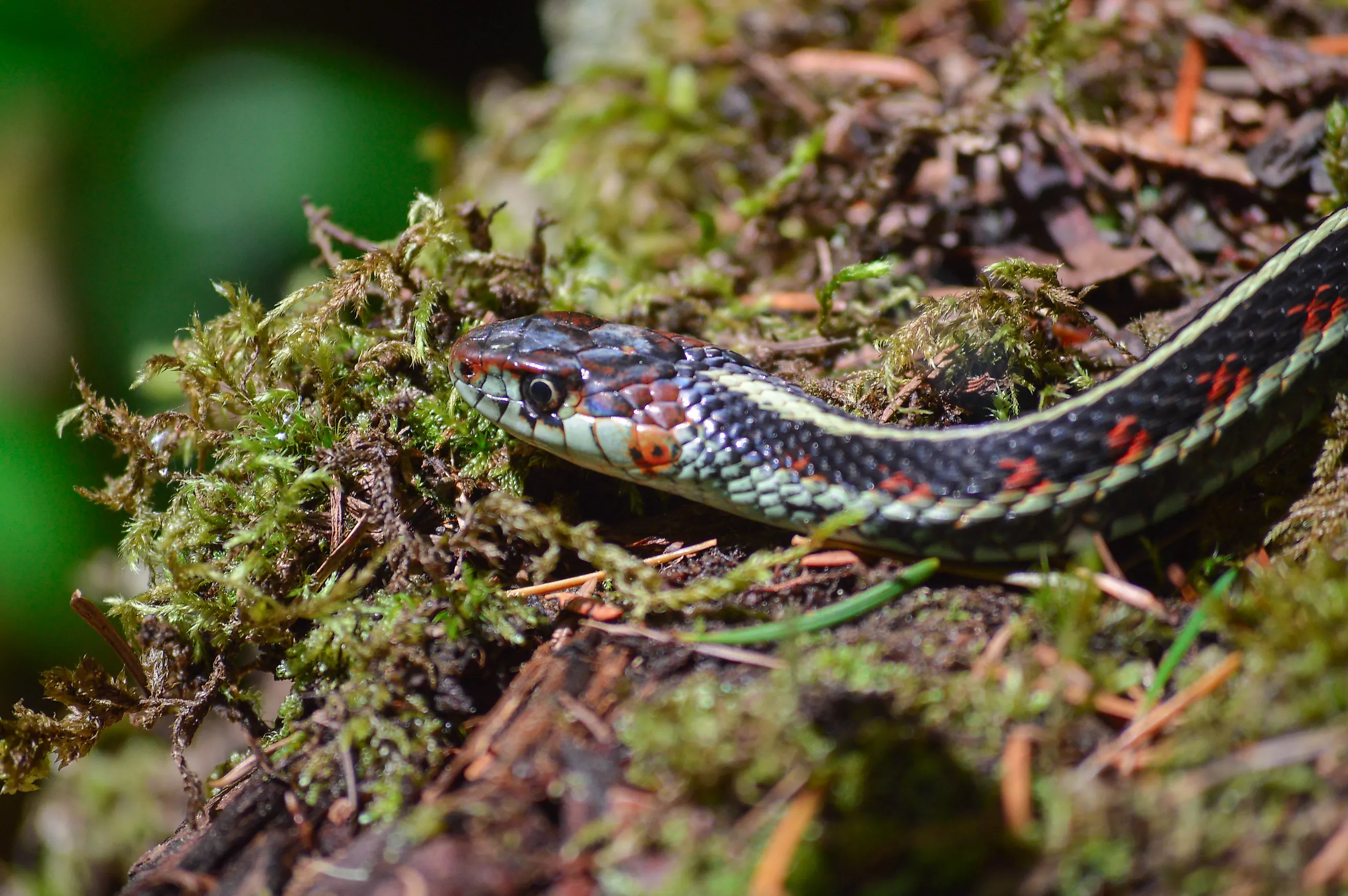
There are about 35 recognized species of garter snakes, identifiable by distinct characteristics and markings. Garter snakes are thin and generally less than 39 inches long, with one or three longitudinal stripes. Most have brown, green, or black bodies with yellow stripes, although stripes can sometimes appear white or light green. Certain species also feature checkerboard patterns between these stripes, such as the aptly-named checkered garter snake. Less commonly, some garter snakes may appear to lack stripes altogether because the stripes are obscured or absent.
Range and Habitat

Garter snakes are native to North and Central America, with populations especially dense across much of North America. Garter snakes are among the most common snakes across much of the continent, including much of Canada and many US states, such as Massachusetts. In 2007, the New England state even designated the garter snake its official reptile.
Garter snakes are widespread largely due to their environmental adaptability. As habitat generalists, they can thrive in a diverse range of environments, including forests, prairies, fields, wetlands, marshes, meadows, grasslands, and high-elevation rocky terrain. Notably, human neighborhoods often produce ideal microhabitats for garter snakes. As a result, garters will commonly take up residence in gardens, backyards, and beneath building foundations.
Daily Activity and Brumation

Garter snakes are primarily diurnal, meaning they are mainly active during the day. Since they are ectotherms, these cold-blooded reptiles must regulate their body temperature by absorbing heat from external sources, such as the sun. In the summertime, garter snakes are most active on warm mornings and late afternoons, hunting and basking on rocks. In cooler seasons or climates, they often limit activity to warm, sunny afternoons.
The active season for garter snakes is longer in southern regions. In some cases, garter snakes remain active year-round in US states such as Florida. In colder regions and areas that experience four seasons, brumation is necessary for survival. This reptilian equivalent of hibernation involves garter snakes entering a state of low activity, with reduced body temperature and metabolism. Although they remain alert, they move very little to conserve energy. Garter snakes brumate in protective shelters, or hibernacula, often congregating in large groups. Common locations include rock crevices, underground burrows, caves, or building foundations.
Life Cycle

Garter snakes are live-bearing snakes, meaning they give birth to live young instead of laying eggs. Their mating season generally begins in spring, after they emerge from their winter hibernacula. Males will emerge first, followed by pheromone-emitting females, commencing a mating ritual known as a competitive “mating ball.” This male-biased courtship can involve a single female surrounded by many males, sometimes up to 100. The males compete for the female’s attention until one male mates successfully.
Following the mating ritual, garter snakes migrate to their summer hunting grounds in search of food. Gravid females also begin the task of locating a place to give birth. Simultaneously, female snakes are less active than usual during gestation to optimize their body temperature for birth. About 12 to 16 weeks later, the snake delivers an average of 10 to 40 young, who are immediately independent. Unlike some species, juvenile garter snakes receive no protection or care from their parents. Instead, they must learn how to find food and survive on their own.
Consequently, young garter snakes face high mortality rates, with few surviving into adulthood. Those that survive typically reach sexual maturity between one and two years of age. Thereafter, the average garter snake only lives about 2 to 4 years in the wild due to high predation, harsh winters, and other environmental stressors. This lifespan increases drastically in captivity, averaging about 6 to 10 years.
Hunting and Diet

Outside of brumation, garter snakes are skilled hunters. These carnivorous animals are agile, moving in swift S-shaped movements to ambush their targets. Although they are mainly terrestrial, garter snakes are capable swimmers when necessary, including the pursuit of prey. Additionally, garter snakes are known for their excellent vision and sense of smell. Like other serpents, they "smell" by flicking their tongue to draw chemical particles from the air into their mouth. At this point, the vomeronasal organ processes these particles, helping the snake avoid predators and locate food.
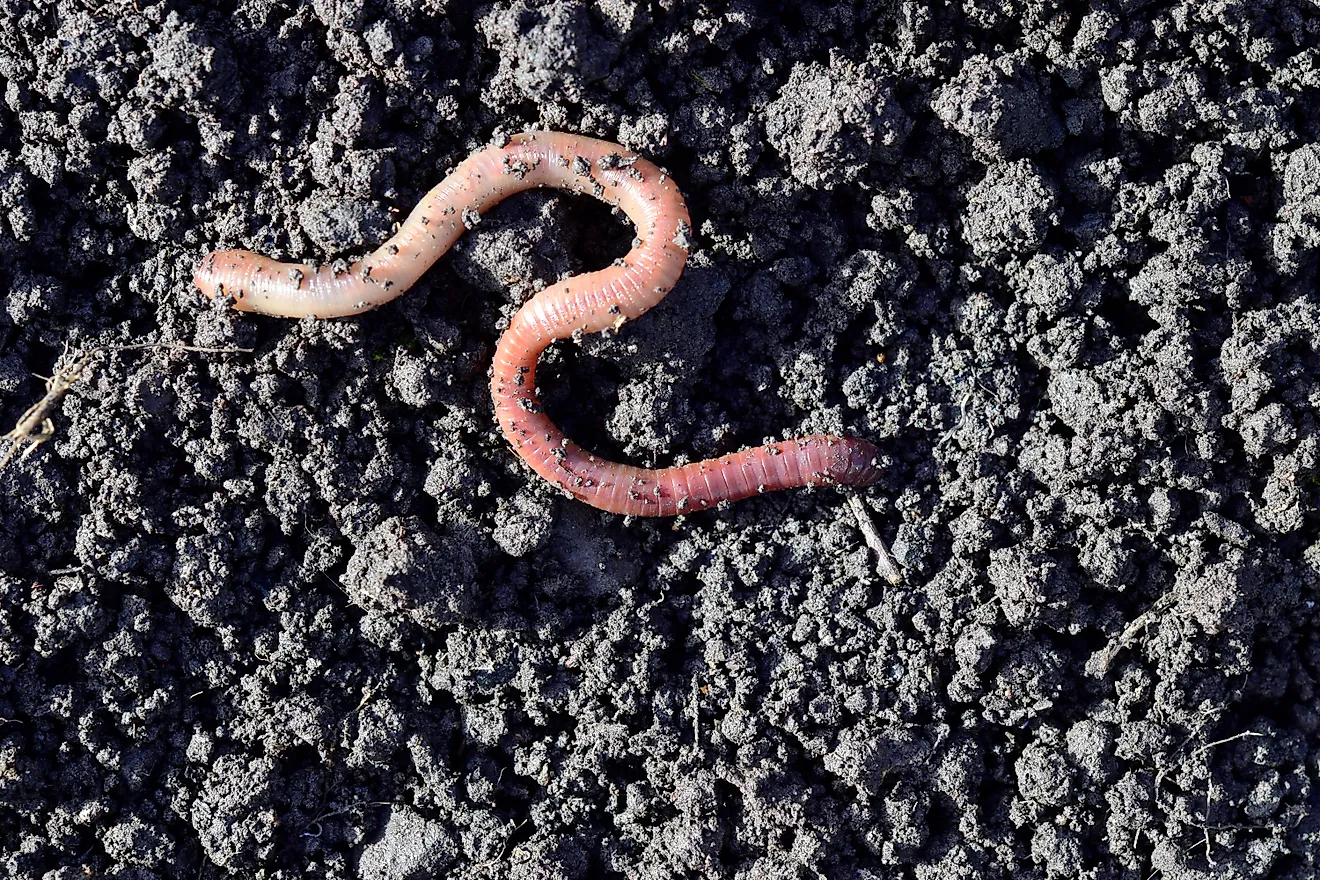
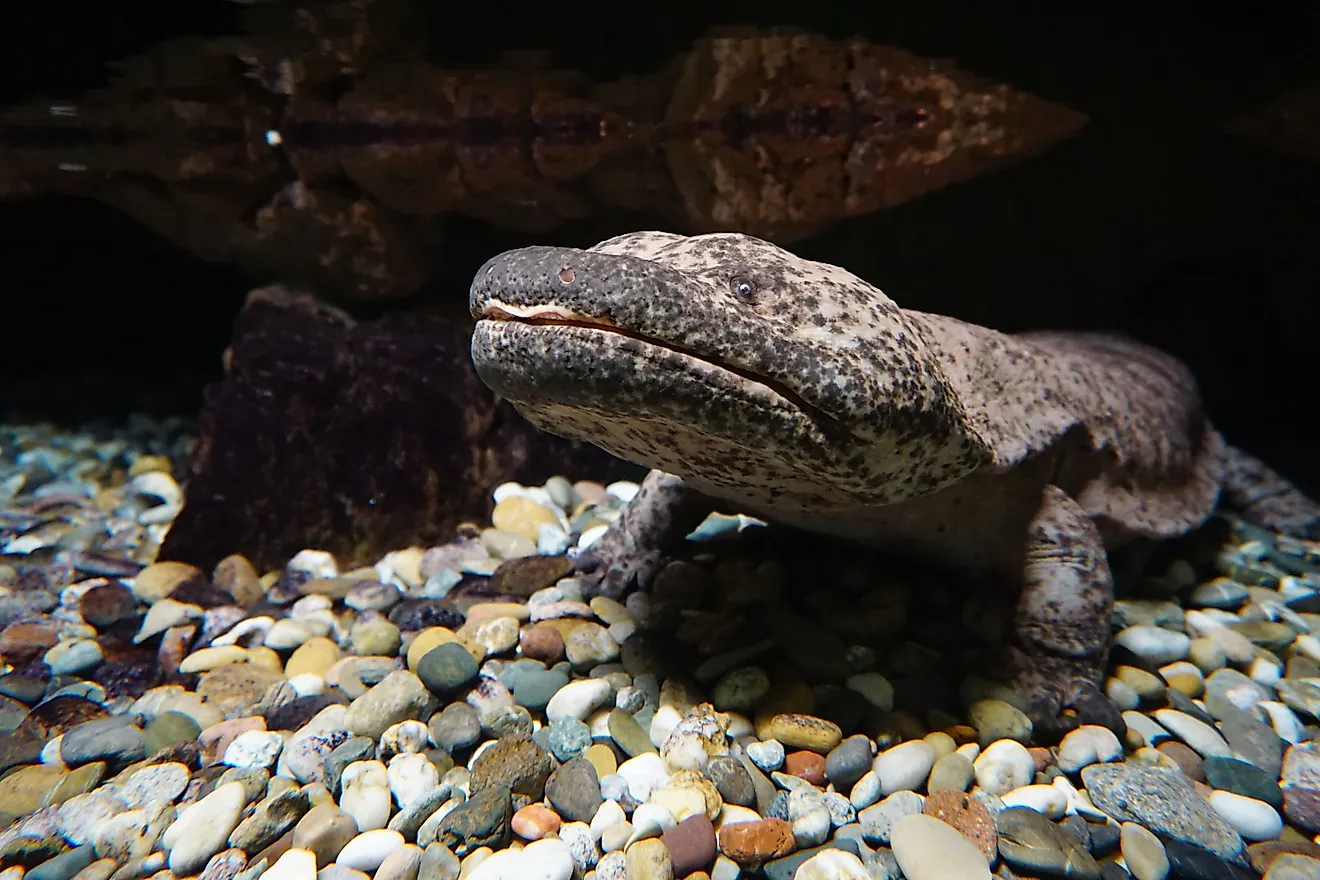
Garter snakes consume a broad spectrum of animals and insects. Their saliva contains a mild venom, which can incapacitate small prey rather than large predators. Consequently, they prefer to hunt small animals they can swallow whole, using powerful muscles to move the food down their digestive tract. Common prey for garter snakes include earthworms, crickets, slugs, salamanders, lizards, minnows, small birds, rodents, and smaller snakes. While they usually prefer live prey, garter snakes may also consume recently dead animals and small eggs from reptiles and birds.
Defense Against Predators

Because they live in such diverse environments, garter snakes face numerous predators, including mammals, birds, and other reptiles. They are commonly preyed upon by raccoons, foxes, hawks, herons, bullfrogs, and larger snakes. As a result, garter snakes have adopted many different antipredatory behaviors.
Although they are keen hunters, these small snakes prefer to escape or ward off predators rather than engage in defensive attacks. Camouflage through cryptic coloration is a common hiding technique. Once spotted, garter snakes will freeze, blending into their natural environment before attempting to escape. Fleeing into water is also not uncommon. If captured, the garter snake will writhe its body, secrete a foul-smelling liquid, and attempt to bite its captor.
As mentioned, garter snake venom is not strong enough to deter larger predators on its own. However, certain garter snakes can retain active TTX in their tissues, which may incapacitate or kill some predators. A study published by Oxford Academic’s Evolution journal found that some common garter snakes have coevolved alongside rough-skinned newts. Having adapted resistance to tetrodotoxins, the garter snake can retain some of the poison after consuming these newts, which may help deter non-immune predators.
Garter Snakes and Humans

Garter snakes view humans as predators and apply the same antipredatory behavior they would to large animals. They generally only resort to self-defense against humans when they feel threatened, whether being roughly handled, accidentally stepped on, or cornered. Otherwise, these snakes are typically shy in nature and non-aggressive, preferring to avoid people whenever possible. Before biting, many will secrete a malodorous fluid from their postanal glands. As a final resort, a garter snake may bite. Due to their small size, these bites often do not break the skin in humans but may cause minor pain, swelling, and itchiness. Notably, garter snake venom is not dangerous to humans due to its low potency, small volume, and the snake’s lack of injectable fangs.
Ecological Importance and Conservation Threats

Many people view garter snakes as unwanted pests, yet in reality, they are effective natural pest controls. By feeding on small rodents, snails, and plant-damaging insects, they are beneficial to farmers and gardeners. As mid-level predators, they also help manage animal populations and serve as food for other animals. Their presence is crucial to many balanced, healthy ecosystems.
Most garter snake populations are considered of low concern, but certain species are at-risk of endangerment and extinction. For instance, in 2010, COSEWIC designated Butler’s Gartersnake Endangered; in 2024, COSEWIC re-designated it Threatened. Its threats are mainly linked to human activity, including the loss of habitat to urbanization, vehicle mortality, illegal pet trade, and intentional killings. In California, the San Francisco garter snake has also been listed as an endangered species since 1967. Similarly, many of its threats are human-caused, including habitat loss from residential development, invasive species that prey on the snakes or compete for their food, and changes to aquatic habitats.
A Small Snake With an Important Role
The garter snake’s prevalence can make it seem unremarkable. At the same time, stigma surrounding snakes keeps many animal admirers at bay. Yet, widespread as the garter snake is, this in itself is extraordinary. A garter snake’s ability to not only survive but thrive in such a wide range of environments attests to the might of this small creature.
Moreover, garter snakes defy the stereotypes unjustly thrust upon them. Neither dangerous nor threatening, these shy reptiles should be more scared of us than we are of them. Urbanization remains one of the garter snake’s largest threats. Even so, many humans still face the instinct to harm a garter snake in their garden, when that very backyard was once the snake’s home. In sum, the common garter snake is resilient and adaptable, but not a threat to humans. The least we can do is keep a safe distance, not for our sake, but for theirs.