6 Most Rattlesnake Infested Areas in Nebraska
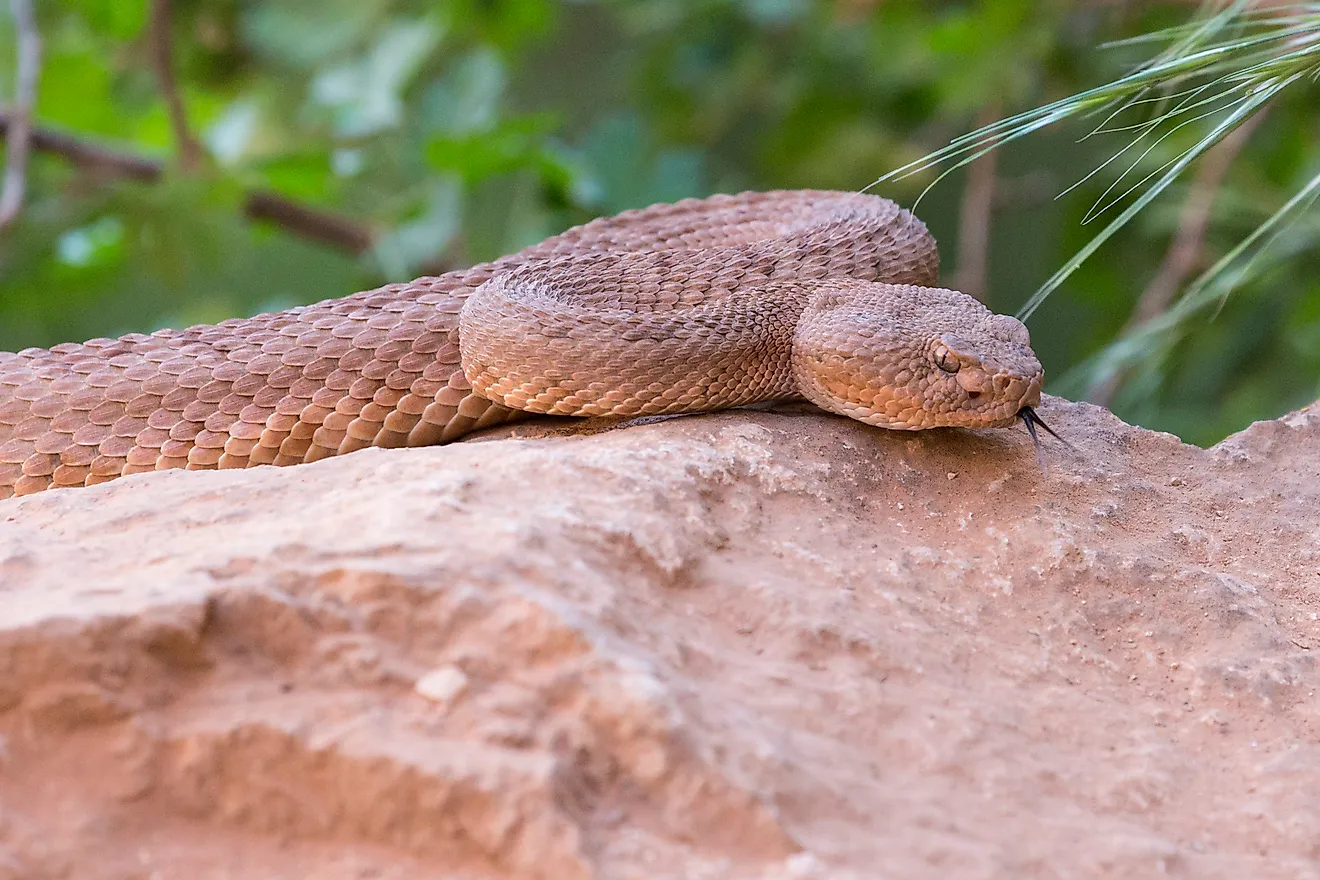
Nebraska is a land of contrasts, as it sits between the humid continental climate of the Dissected Till Plains of the East and the semi-arid Great Plains of the West. Due to this diverse landscape, Nebraska has a wide variety of wildlife, including 400 bird species, 30,000 species of insects, and 30 snake species. The most well-known species of snake in the state is, of course, the Rattlesnake, of which there are three varieties: the Prairie Rattlesnake, the Western Massasauga Rattlesnake, and the Timber Rattlesnake. These venomous snakes are fascinating to look at, but should be avoided to avoid getting bitten. It's important to know where one will find them to avoid accidentally getting too close to this snake.
Samuel R McKelvie National Forest

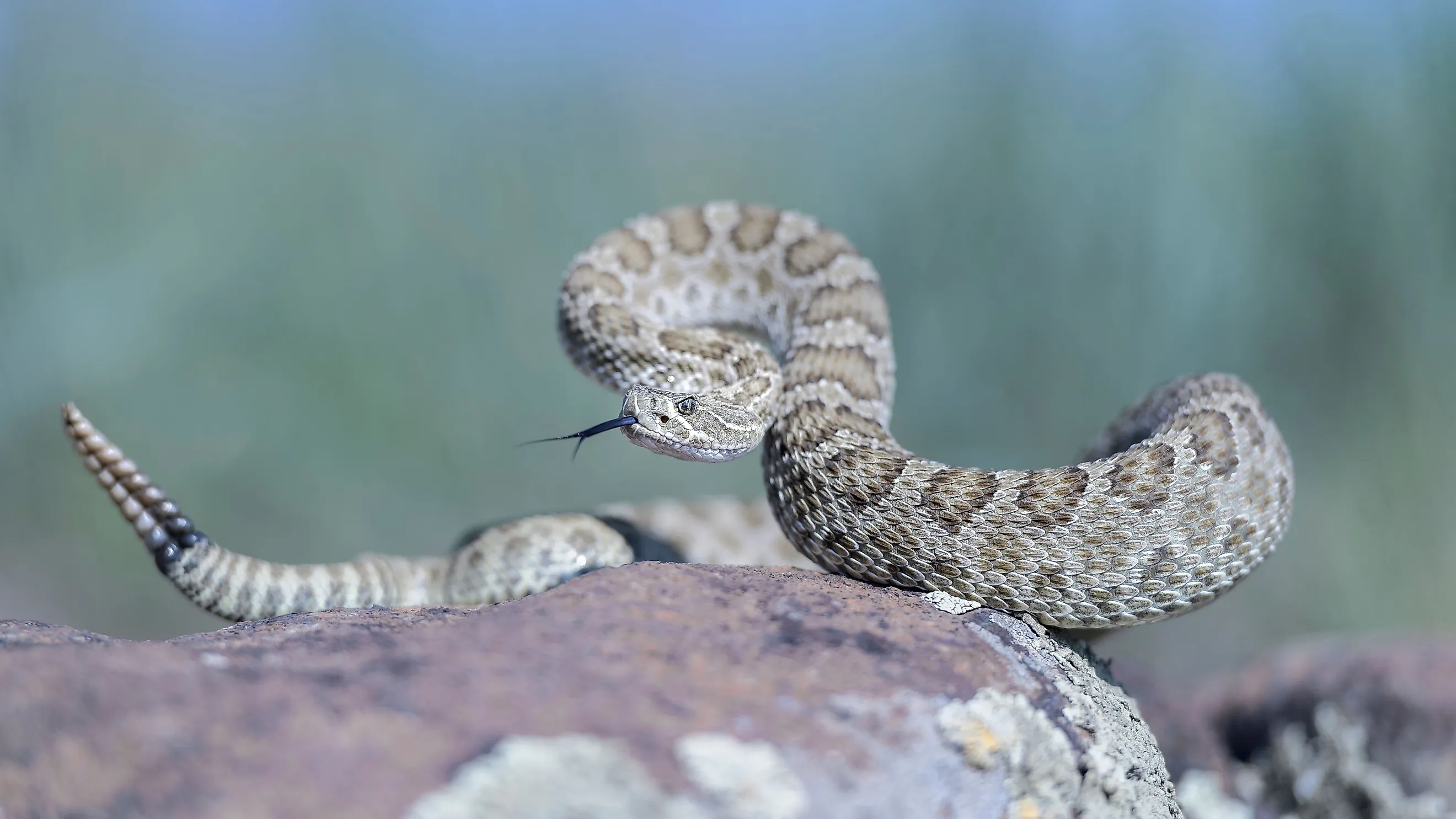
This 116,000-acre forest in the Nebraska Sandhills is popular among locals and visitors for its outdoor activities, including cabins, campsites, horse corrals, and a well-known hiking trail for Blue Jay enthusiasts. Its grassland habitat shelters many animals like jackrabbits and dogs. The prairie rattlesnake here is usually greenish, light gray, or brown, with a triangular head, and adults range from 35 to 45 inches in length. When hiking, be cautious as these snakes may not always rattle when threatened. If you see a snake, it's best to keep your distance and avoid disturbing it. In case of a bite, do not use a tourniquet or try to extract venom. Instead, wash the wound with soap and water and seek urgent medical attention.
Toadstool Geological Park

This park is a distinctive area in Crawford, Nebraska, located within the Oglala National Grassland in Northwestern Nebraska. It showcases many fascinating geological formations that visitors might perceive as toadstools. The badlands setting is perfect for campers, explorers, and fossil enthusiasts. Along the main loop trail, visitors can discover fossils of prehistoric creatures, including the carnivorous mammal Hyaenodon. Park visitors have observed that rattlesnakes become quite common during summer, so hikers should watch their step in the hot badlands. The prairie rattlesnake is the most frequently encountered species, and it has the largest range in the U.S. Generally, it will not attack unless disturbed or threatened.
Missouri River

Not all rattlesnakes inhabit dry environments; some prefer wetter regions. The Missouri River, especially along the limestone bluffs, is a significant habitat for Timber Rattlesnakes. These snakes can be found in various locations, such as streams in prairies or rocky woodland areas. While more commonly associated with the Eastern United States, their range also includes southeastern Nebraska, particularly along the Missouri River. They are the largest snake in Nebraska, typically measuring 44 to 50 inches, but some can reach up to 60 inches. Despite their size, they generally strike only in self-defense and are more likely to escape than attack when encountering humans.
Pawnee County

Pawnee County in Southeastern Nebraska features several outdoor recreational sites including Taylor's Branch Wildlife Management Area and Iron Horse Trail Lake Recreation Area. Visitors might spot Nebraska's rarest rattlesnake, the Western Massasauga Rattlesnake. This small rattlesnake, measuring 18 to 39 inches, is gray or brown with light and dark bands on its tail and two narrow white lines along its head. They bask in the sun on warm days but hibernate in crayfish burrows during winter. Typically found in tallgrass prairies or fields, they prefer moist or marshy environments. These snakes face threats from human activities like converting grasslands to farmland or draining wetlands. They are generally non-aggressive and tend to escape when approached.
Agate Fossil Beds National Monument

Located in Western Nebraska, the Agate Fossil Beds offer an excellent experience for both fossil lovers and Native American history enthusiasts. The site features diverse fossil beds from the Miocene period, roughly 20 to 16.3 million years ago, along with a museum showcasing artifacts of the Plains Native American tribes that inhabited the region. The National Park Service advises visitors to watch out for prairie rattlesnakes, the area's only venomous snakes. In hot weather, these snakes typically hide in grass, beneath rocks, or in holes. However, during cooler temperatures, they may emerge on roads and trails to bask in the sun, increasing the chances of encounters during visits on chilly days.
Scotts Bluff National Monument

Scotts Bluff National Monument rises 800 feet above the North Platte River and is among Nebraska's top attractions. It features four miles of trails that ascend and encircle the monument, along with numerous other bluffs nearby. In this prairie setting, visitors can observe a variety of wildlife, including dogs, mule deer, coyotes, and prairie rattlesnakes. These predators hunt prairie dogs and ambush prey when they come within striking distance. Consequently, the rattlesnake does not use its rattle when hunting; instead, it only vibrates its tail to warn other predators, including humans. Its sandy coloration allows it to blend seamlessly into the Scotts Bluff environment, so hikers and visitors should watch their steps carefully.
Staying Safe in Nebraska's Rattlesnake Habitats
As with any venomous animal, rattlesnakes can be dangerous. Although the odds of being bit are rare, travelers and residents to one of Nebraska's lakes, rivers, and prairie attractions should make sure to be on alert for snakes.
In many cases, the best way to prevent a bite is simply to stay on trails and away from tall grass and wear boots and long pants while hiking. If one runs into a snake, giving it a wide berth will save you and the snake a lot of stress.