5 Most Snake-Filled Bodies Of Water In Mississippi
Fifty-five snake species call Mississippi home, and only six of them are venomous. The other forty-nine would appreciate it if you stopped screaming. The whole state is a snake's idea of a good time, from the Mississippi River along the western edge to the big northern reservoirs to 44 miles of Gulf Coast shoreline. The water is warm, the banks are muddy, and the frogs are plentiful. Wade into any of these five and you will have company.
Mississippi River

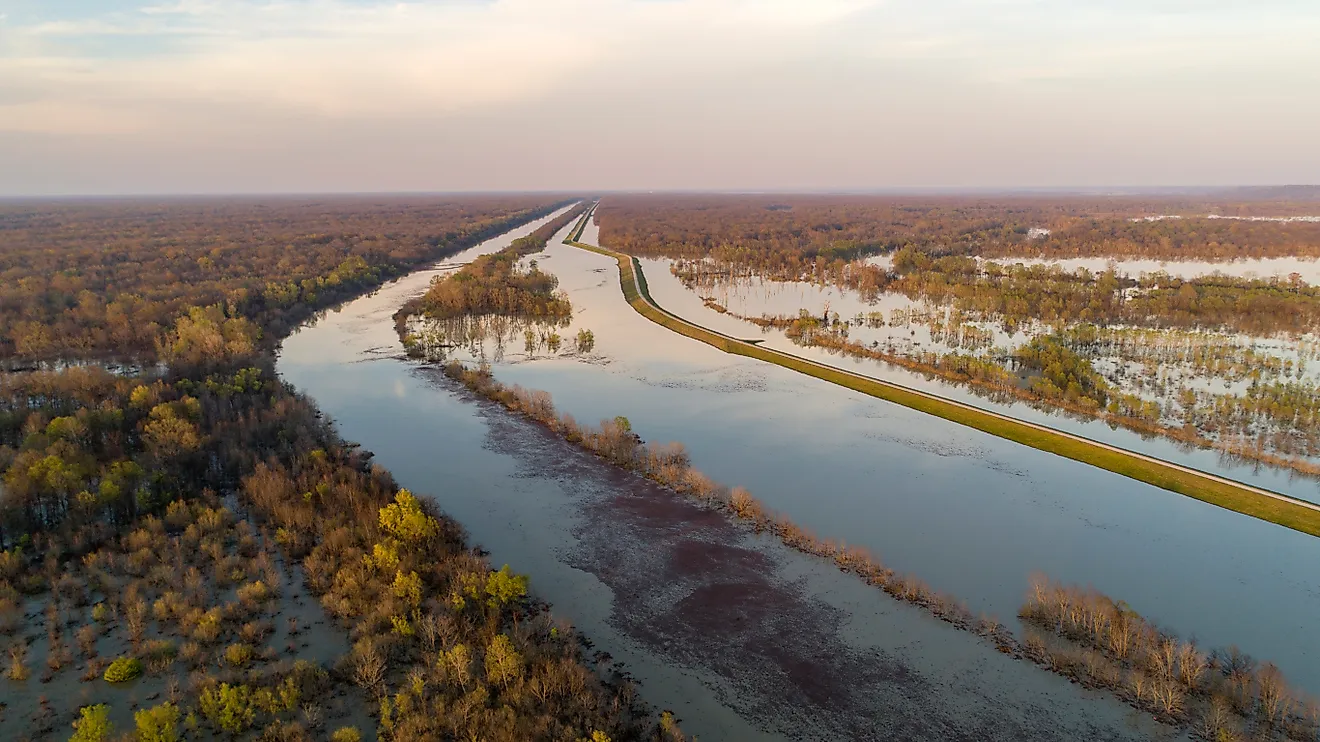
The Mississippi River is the second-longest river in North America, and it forms the entire western border of the state. That adds up to a lot of mud, a lot of backwater, and a lot of snakes. The oxbow lakes, ponds, ditches, and swamps along it are prime water snake real estate.
The southern water snake (Nerodia fasciata) hangs around the drainages near the Louisiana border. The Mississippi green water snake (Nerodia cyclopion) sticks to the coast and the river delta. Both like to bask on rocks and branches right at the water's edge, which is less about sunbathing and more about having an escape hatch. One splash and they are gone. Underwater, they hunt fish. Then there is Graham's crayfish snake (Regina grahamii), a picky eater that lives in the river's side wetlands and dines almost entirely on crayfish that have just molted. Soft shell only. It has standards.
Pearl River
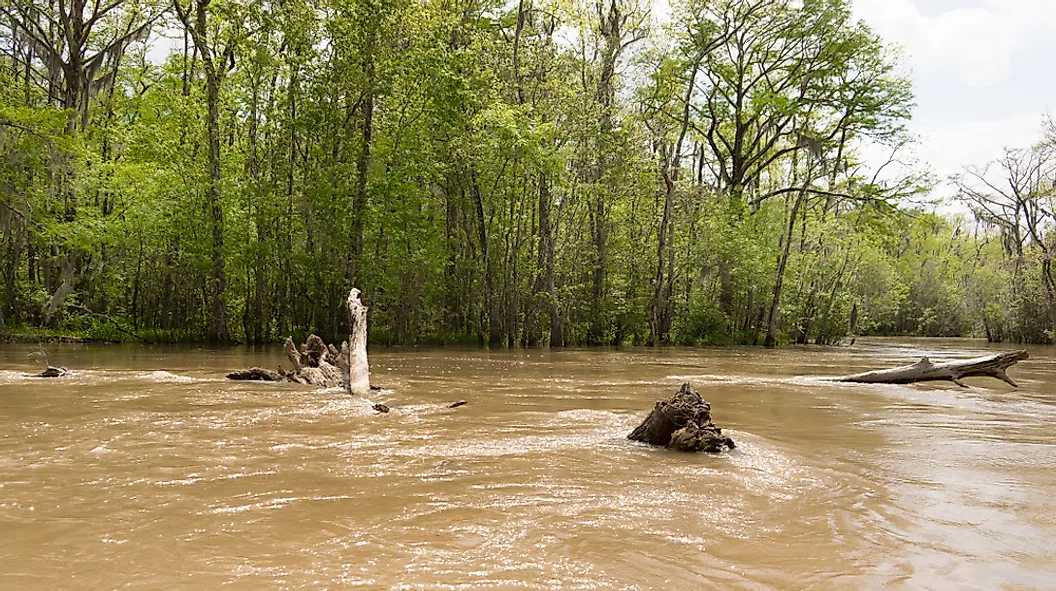
The Pearl River starts in east-central Mississippi, bends southwest through Jackson, then runs south to the Louisiana line. It is one of the most intact river systems in the Southeast, and the lower Pearl is one of the healthiest marsh complexes in the region, which is a fancy way of saying it is crawling with life. Some of that life has no legs.
The nonvenomous crowd here includes the black pine snake (Pituophis melanoleucus lodingi), the scarlet snake (Cemophora coccinea), and the rainbow snake (Farancia erytrogramma), a glossy striped beauty that eats eels and almost nothing else. Rainbow snakes spend most of their lives hidden in the river, so spotting one in Mississippi is a real brag. On the venomous side, the Pearl has the eastern coral snake (Micrurus fulvius) and the eastern diamondback rattlesnake (Crotalus adamanteus), the biggest rattlesnake in the US. Both prefer the pine forests and savannas on the banks to the water itself, so you are far more likely to meet one on the trail than mid-swim.
Enid Lake

Enid Lake is in north-central Mississippi, created when the US Army Corps of Engineers dammed the Yocona River. At its normal recreation pool the lake covers 15,560 acres, and people flock to it for boating, fishing, and swimming. The trails and campgrounds along the shore put humans and snakes on the same patch of ground, often at the same time.
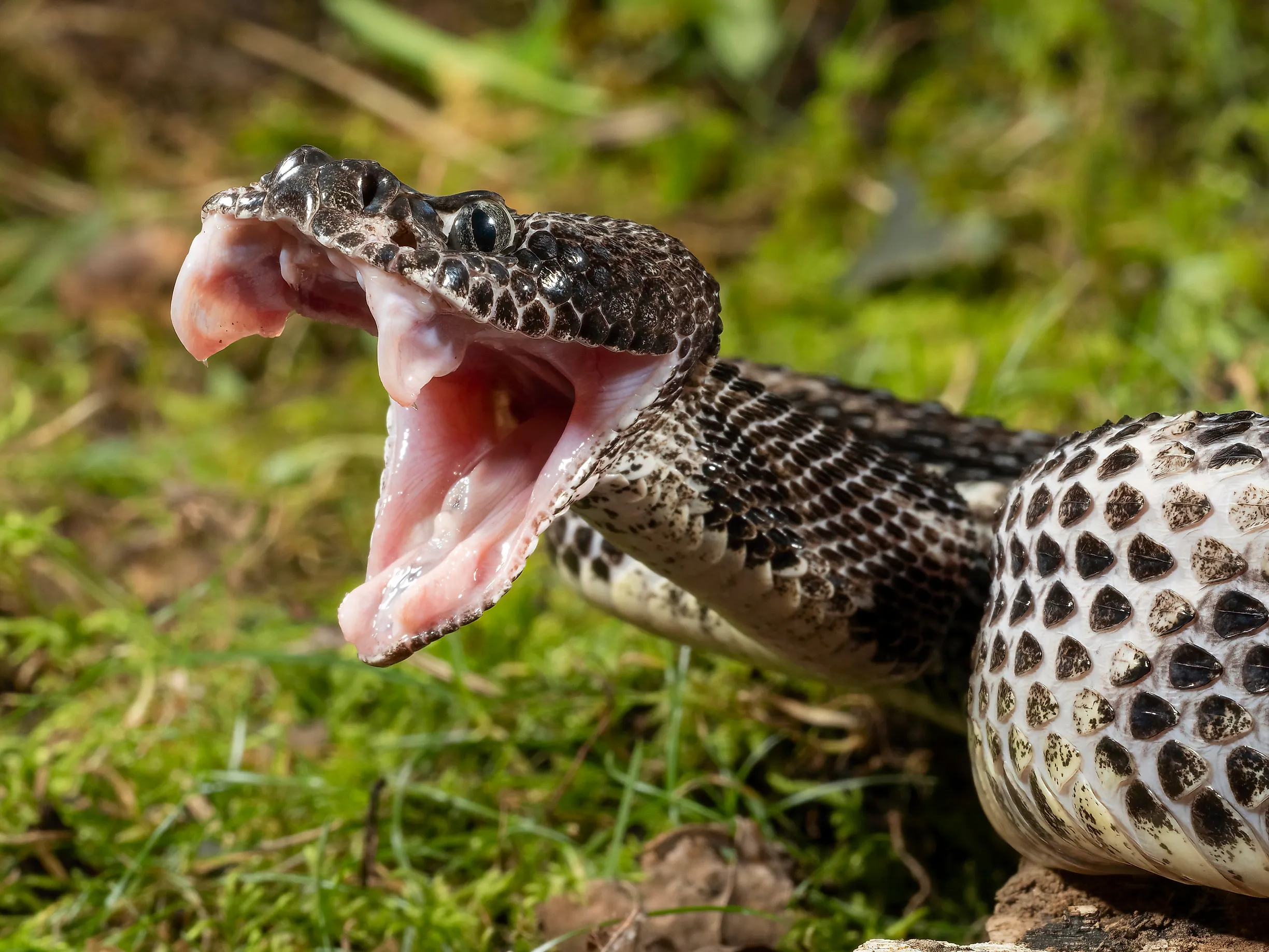
The venomous headliner here is the northern cottonmouth (Agkistrodon piscivorus), and unlike the Pearl River rattlers, this one is probably in the water with you. Cottonmouths live in nearly every kind of wetland, from swamps and marshes to streams, ponds, and lakes, and they think nothing of crossing a road or a trail to get to the next one. The surrounding trails are also home to rattlesnakes and the eastern copperhead (Agkistrodon contortrix), so watch where you put your feet.
Sardis Lake

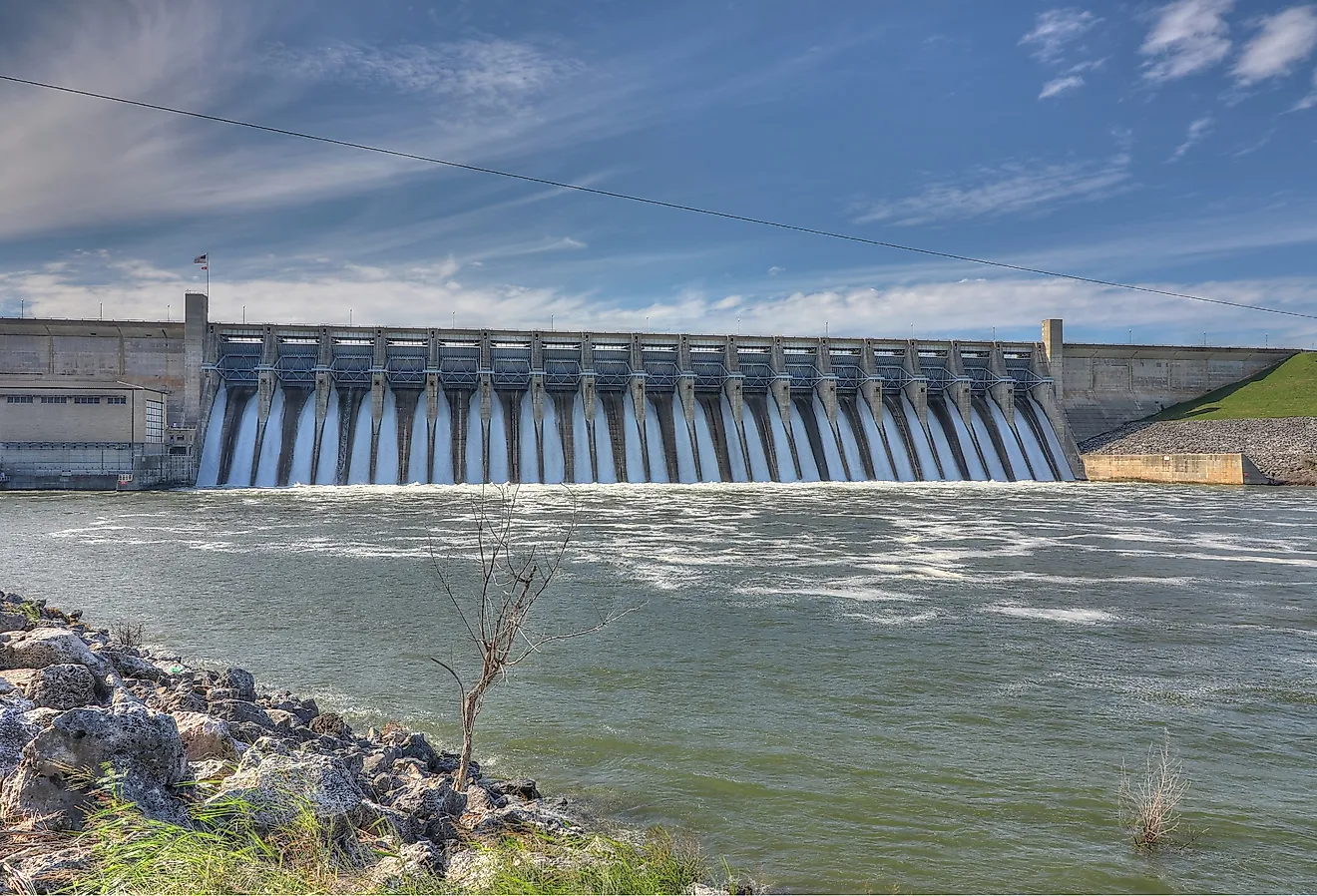
Sardis Lake is another Corps of Engineers reservoir, this one formed by the Sardis Dam on the Tallahatchie River, and at 32,500 acres it dwarfs Enid. The venomous residents are the northern cottonmouth and the timber rattlesnake (Crotalus horridus).
The good news is that the harmless snakes outnumber the venomous ones by a wide margin. The diamondback water snake (Nerodia rhombifer) and the common ribbon snake (Thamnophis saurita) are both widespread across the whole state and far more likely to cross your path than anything with fangs. The diamondback water snake does have a habit of acting tough when cornered, which gets it mistaken for a cottonmouth all the time. It is bluffing. Mostly.
Gulf Islands National Seashore

Gulf Islands National Seashore is a string of barrier islands off Mississippi and Florida in the Gulf of Mexico, and more than 80% of it is underwater, in everything from freshwater marsh to brackish estuary to open salt water. You might think the salt keeps the snakes out. It does not. Cottonmouths handle brackish water just fine and will even poke around salt marshes. Eastern diamondbacks go further. They are strong swimmers and have been spotted crossing open saltwater to island-hop between barrier islands.
The coachwhip (Masticophis flagellum) is the nonvenomous speedster of the seashore, a long skinny ground snake found on barrier islands, sandhills, and coastal plains across the southern US. The eastern ribbon snake and the black racer (Coluber constrictor) round out the harmless lineup on the islands.
Mississippi's Snake-Filled Waters

Summer is peak snake season in Mississippi. Once the weather heats up, snakes leave their winter dens to look for food and mates, and suddenly they are everywhere, on trails, in backyards, stretched out on sunny rocks, and, yes, in the water. That sounds alarming, but it mostly is not. Mississippi has six venomous species, and about 75% of bites happen when someone decides to poke, grab, or pick up a snake. Give them space and they will take the hint and leave. They were in that lake first anyway.