The Most Snake-Dense Ecosystems in the United States
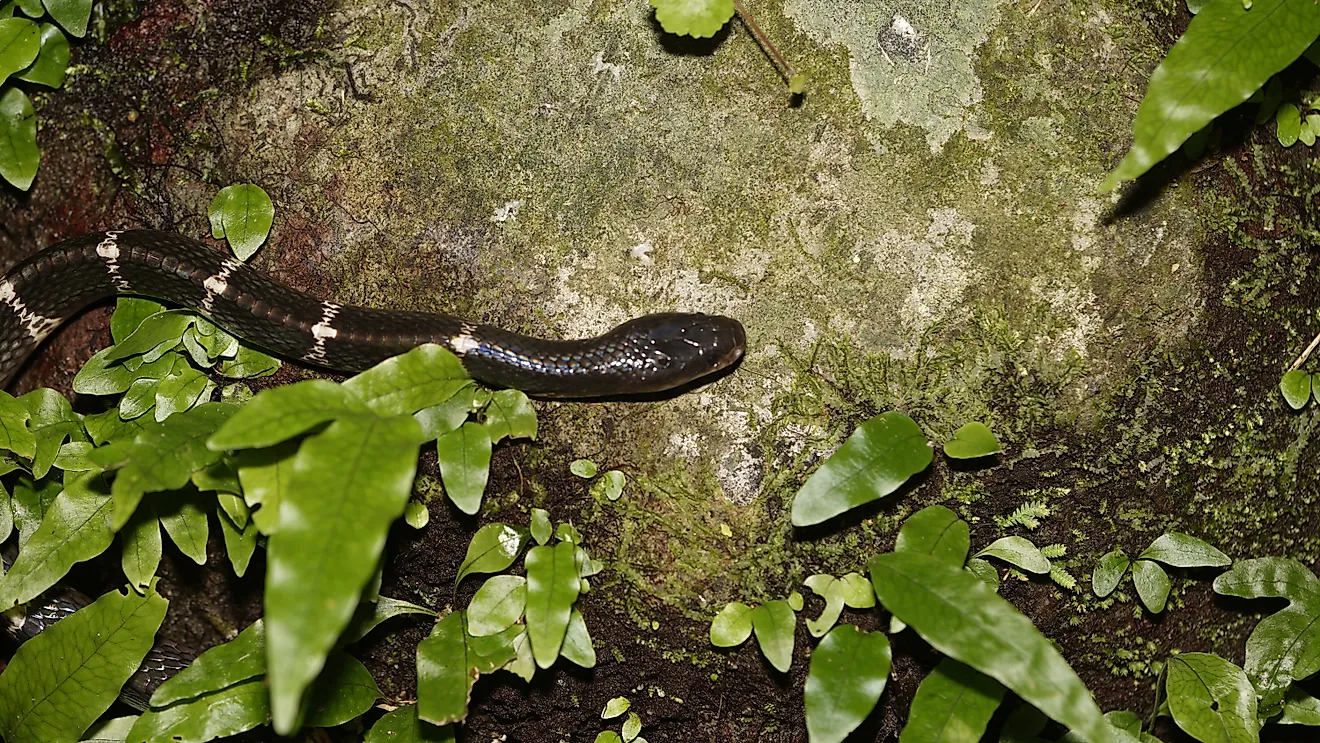
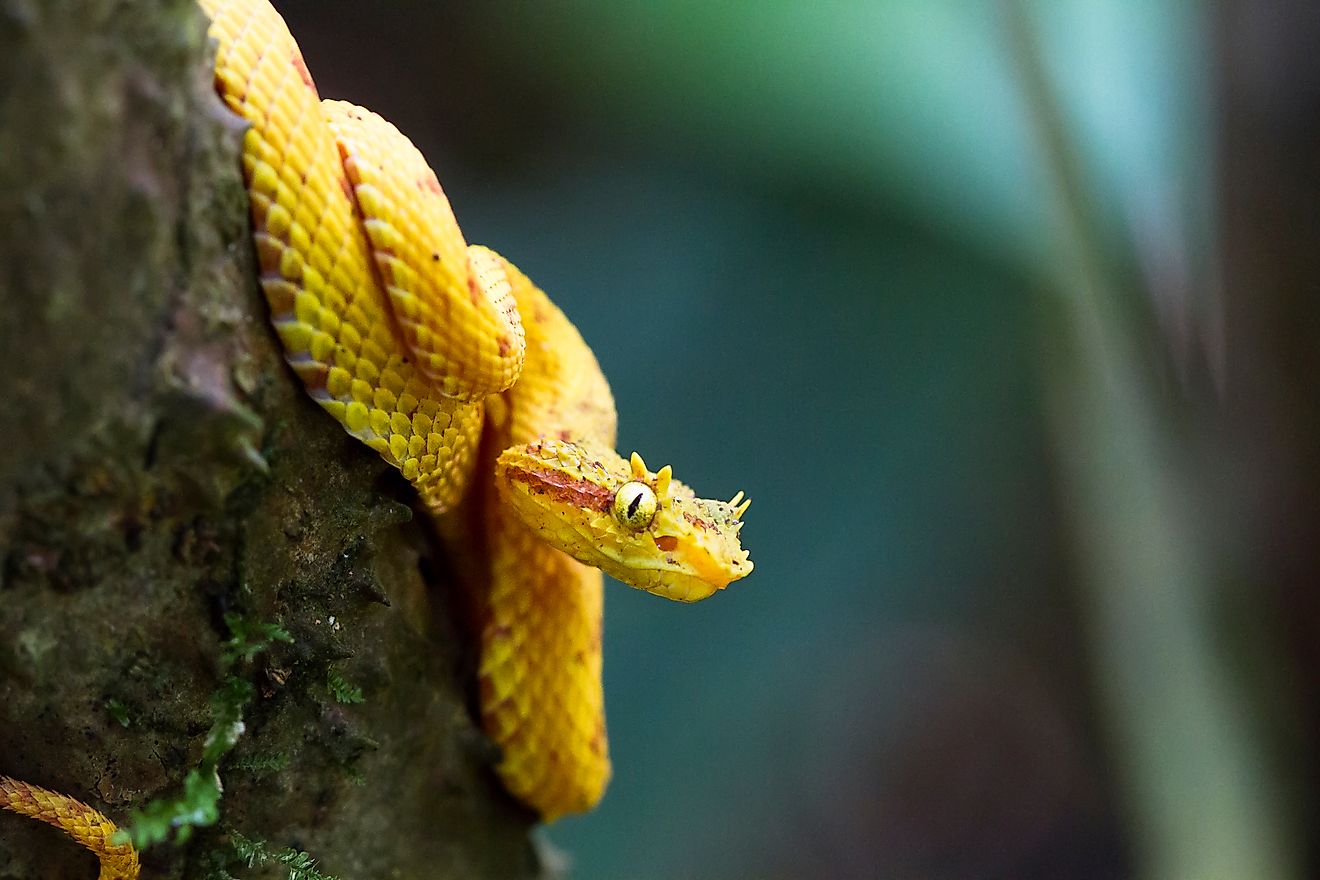
The United States has roughly 250 species and subspecies of snakes, living in diverse environments. From the swamps of Florida to the snowcapped mountain ranges of the Pacific Northwest, biologists and everyday outdoor adventurers alike commonly encounter a mix of venomous and nonvenomous species, ones that use the ecosystems they inhabit to their advantage. If you want to find snakes, or avoid them, these are 5 of the most snake-dense ecosystems in the country.
The Everglades

Everglades National Park in southern Florida is one of the most snake-dense ecosystems in the United States. The park’s massive array of freshwater marshes, mangrove swamps, cypress domes, slow-moving sloughs, and other sub-tropical landscapes provides year-round habitat for numerous species. Moreover, consistently warm temperatures mean many species remain active year-round, though some still slow down during cooler months. Abundant food sources, like amphibians, small mammals, fish, and other reptiles, create even more conditions for these predators to survive and multiply.
Common native species encountered include eastern diamondback rattlesnakes, cottonmouths, eastern indigo snakes, and banded watersnakes. They share this space with other reptiles, such as American alligators, as well as countless kinds of turtles and lizards.
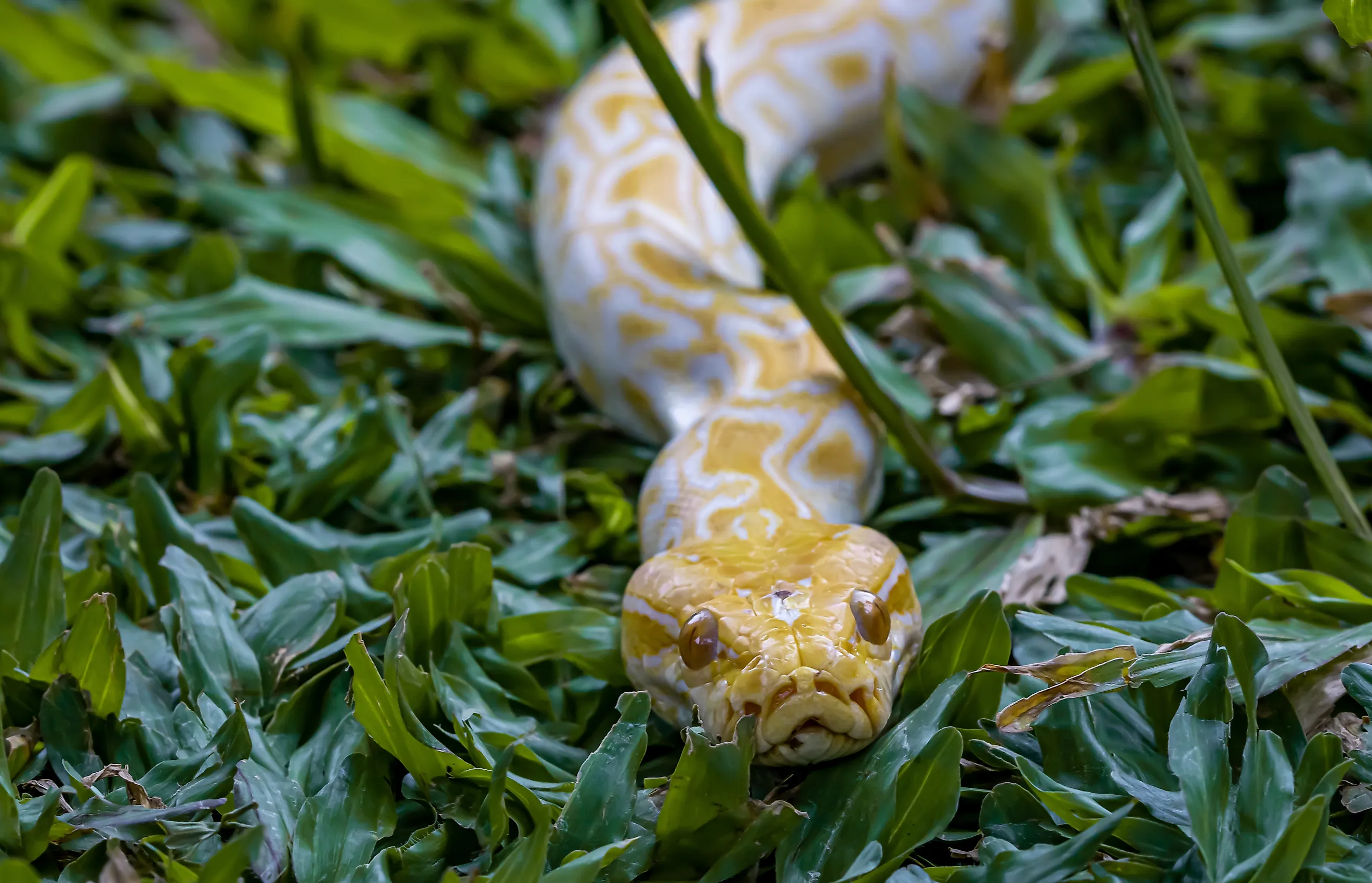
This ecosystem also illustrates how modern ecological pressures reshape a wide range of snake communities. For example, invasive Burmese pythons, which were likely originally introduced by nearby residents releasing unwanted pets into the wild, now occupy large sections of the wetlands, dramatically altering predator dynamics and competing with native animals for food. But despite this disruption, the Everglades generally remains one of the country’s most productive habitats, with ongoing conservation efforts making headway.
Sonoran Desert

Contrasting the lush, moisture-rich environments of the Everglades with the Sonoran Desert of Arizona, California, and Mexico yields a completely different kind of snake habitat. Even with its harsh climate, the region supports an unusually high diversity of reptiles. Many species have adapted to extreme heat and only seasonal rainfall. Rocky hillsides, cactus forests, dry washes, and desert grasslands create a range of microhabitats here that snakes use for everything from shelter to ambush cover.
The Sonoran Desert has one of the highest levels of rattlesnake diversity in the world. Western diamondback rattlesnakes, sidewinders, tiger rattlesnakes, and Mojave rattlesnakes thrive there. On the other hand, non-venomous species such as Sonoran gopher snakes, patch-nosed snakes, and long-nosed snakes are also fairly widespread. Summer monsoon storms play a major role in the activity of the bulk of these species, as rain tends to trigger surges in rodent and amphibian populations, leading to more food for snakes and, as a result, higher reproductive rates.
Protected landscapes within the desert, such as Saguaro National Park and Organ Pipe Cactus National Monument, contain some of the most intact portions of this specific ecosystem. These large tracts of undeveloped land have allowed populations to remain stable for millennia, particularly in rocky foothills and remote desert valleys that see little to no human foot traffic, let alone modern urbanization.
Okefenokee Swamp

The Okefenokee Swamp along the Georgia-Florida border represents another wetland ecosystem in the Deep South. This ecosystem covers roughly 450,000 acres, most of which is protected within the Okefenokee National Wildlife Refuge. It's a habitat of peat-filled bogs, blackwater channels, and scenic cypress forests that provides ideal habitat for a wide range of aquatic and semi-aquatic snakes. Thick vegetation and abundant prey species allow these snake populations to thrive throughout the region year-round, too, with its paddling routes and network of hiking trails often intertwining with hunting zones.
Like much of the southeast of the United States, cottonmouths are among the most frequently encountered snakes in the Okefenokee's waterways and its floating peat mats. Several watersnake species are also common, including banded watersnakes and brown watersnakes that like to hunt fish and amphibians in the dark, tannin-stained water. Furthermore, eastern indigo snakes often occur in the surrounding pine forests that sit at higher elevations.
Managed primarily within Okefenokee National Wildlife Refuge, and close to major cities like Jacksonville, Tallahassee, and Savannah, the area remains one of the most important large-scale habitats for wildlife in the Atlantic coastal plain, as well as a highly popular recreational space for nearby residents.
The Mississippi River Floodplain

Especially in the lower portions of the Mississippi River floodplain, you'll find yet another productive zone for snake life in the far southern reaches of America. Stretching through Arkansas, Mississippi, and Louisiana, this vast alluvial landscape is defined by an eclectic mix of hardwood forests, lakes, swamps, farmland, and seasonally flooded wetlands. The constant movement of water across this massive region has created a patchwork of habitats that support a large concentration of reptile species.
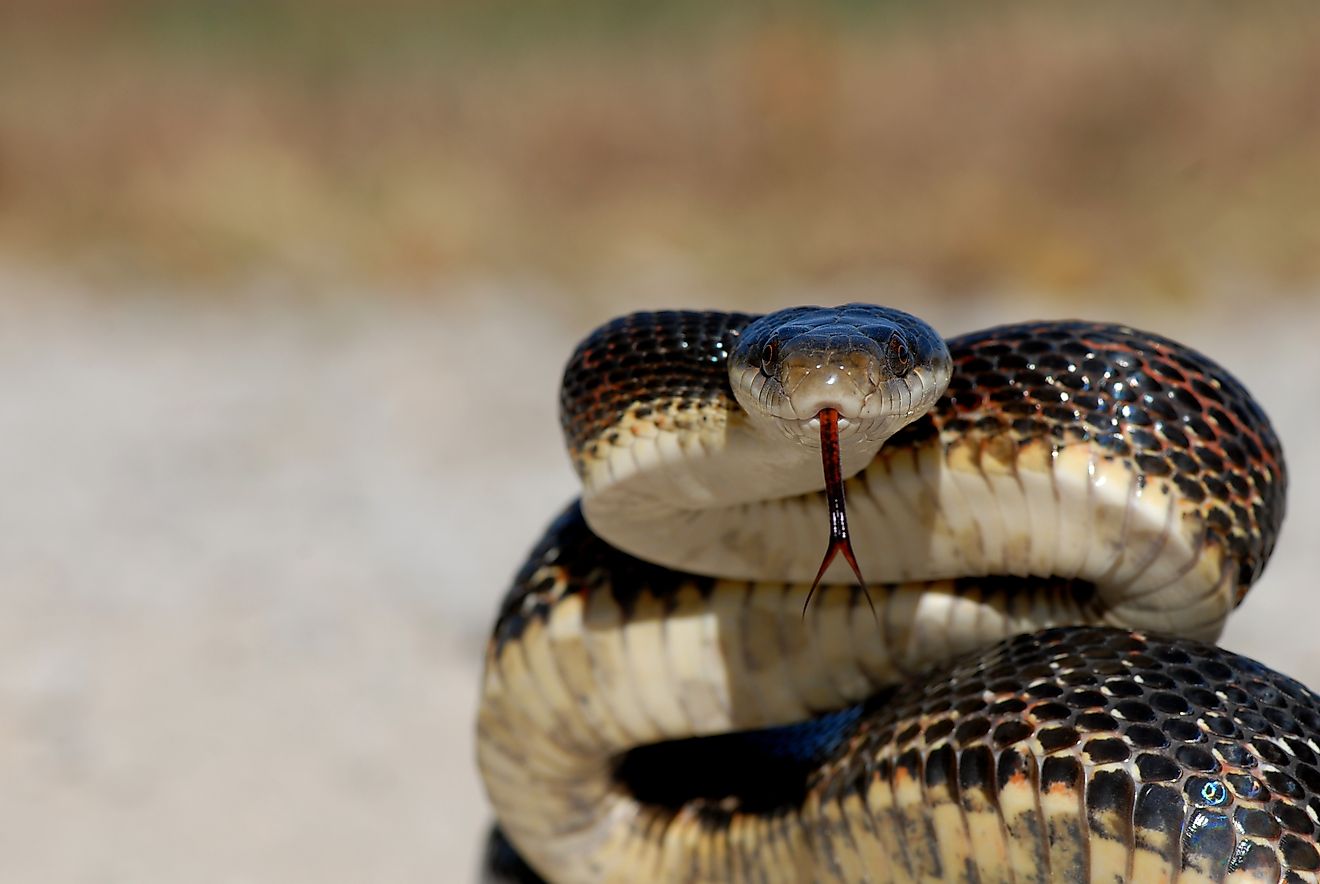
Aquatic and semi-aquatic snakes are especially common here. Cottonmouths and several watersnake species frequently patrol meandering channels and marshy lake margins, where fish, frogs, and small mammals are abundant. Diamondback watersnakes and plain-bellied watersnakes are fairly well adapted to these muddy, vegetation-filled waters, too, whereas in the surrounding forests and levees, land-based species such as speckled kingsnakes and rat snakes are drawn to the more fertile floodplain soils.
Annual flooding plays a major role in many of the ecosystems on this list, but it is perhaps most influential here along the Mississippi. Rising river levels, sometimes raising the waterline by dozens of feet, expand wetlands and push fauna into concentrated pockets, leaving snakes, in particular, closer to nearby residential areas or dispersing them to other parts of the floodplain or nearby habitats. Large swathes of protected area, including portions of the Mississippi Alluvial Valley and its various wildlife refuges, help maintain suitable habitat where snakes can travel freely between the water and the land with minimal human disturbance, even if they are swept miles from the river from time to time.
Big Bend

Big Bend National Park in far West Texas sits where the Chihuahuan Desert, the Rio Grande, and several remote mountain ranges meet, creating a wide range of ecological zones within a relatively small area. Furthermore, elevation here changes from desert lowlands to forested peaks, producing sharply different environments that allow many kinds of snakes to coexist. 36 snake species have been recorded within the park and the surrounding Big Bend region, making it one of the most reptile-rich landscapes in North America.
Exploring this wilderness for any amount of time will likely take you near western diamondback rattlesnakes, black-tailed rattlesnakes, and Mojave rattlesnakes. In sandier areas and desert grasslands, you may also encounter patch-nosed snakes and long-nosed snakes, while along the Rio Grande and in wetter riparian corridors, garter snakes and watersnakes become more common.
Although growing in popularity among tourists, Big Bend National Park, which protects vast stretches of intact Chihuahuan Desert and seldom-visited mountainous terrain, remains one of the most important American refuges for snakes adapted to arid environments.
Explore With Caution

Snake populations in the U.S. are largely shaped by habitat complexity, which is clearly abundant in the country. Wetlands, desert basins, floodplains, prairies, and forest ecosystems each support high concentrations of species for different ecological reasons, with some locations offering stable water sources, while others provide abundant shelter, denning sites, or seasonal surges in prey.
Together, they all show off how adaptable these predatory reptiles are across dramatically different landscapes, places that often also attract human sightseers, adventurers, and scientists alike. In many of these environments, you'll want to proceed with caution, but remember, encountering a snake is simply part of the experience of exploring the outdoors.