The Dark Side Of Ancient Greece
Every autumn, Sparta's leaders performed a chilling ritual: they formally declared war on their own slaves, making it legal for any citizen to kill them. It was just one symptom of a darker reality behind Ancient Greece's reputation for philosophy, democracy, and art. Slavery underpinned the economy, warfare was nearly constant, women held almost no rights, and conquered enemies, as Alexander the Great demonstrated repeatedly, could expect massacre or chains.
Widespread Slavery

There were several ways one could become a slave in Ancient Greece. Prisoners of war were often enslaved after a battle and then sold to merchants. Pirates also frequently kidnapped people in coastal raids and put them up for sale in slave markets. Early on, civilians who couldn't pay their debts were sometimes forced into servitude, but this practice was eventually banned by people like the Athenian lawmaker Solon in 594 BCE. Finally, children born to enslaved mothers were automatically enslaved themselves.
The type of slavery depended on the city-state. In Athens, the birthplace of Western democracy, chattel slavery was widely practiced. Slaves were considered personal property that could be bought, sold, or leased. They performed all sorts of tasks, from domestic labor to working the silver mines. The contradiction between democratic Athenian ideals and chattel slavery shouldn’t be overlooked. In many ways, it was essential to the functioning of Athenian society. Indeed, having slaves perform labor-intensive tasks allowed Athenian citizens to focus on high-minded concepts like politics and philosophy.
In Sparta, slaves were state-owned serfs called helots. While they were allowed to keep a portion of the harvests for themselves, they had little freedom beyond that. Since helots vastly outnumbered Spartan citizens, the government utilized a sophisticated fear campaign to keep them in line. This included a secret police force called the Krypteia, which patrolled the countryside, and an annual declaration of war, which allowed Spartan landowners to legally murder helots.
Women Had Limited Rights

Women in Ancient Greece generally had far fewer rights than men. In Athens, women were not considered citizens and were not permitted to vote or represent themselves in court. They were also not allowed to own or inherit property and were mostly confined to domestic household duties. Much like chattel slavery, the treatment of women in Athenian society casts a dark shadow over its supposedly democratic ideals.
There were some instances of more progressive attitudes. Women in Sparta were considered citizens and allowed to own property. In fact, women eventually owned the vast majority of land due to inheritance and mass casualties from wars. Unlike Athens, Sparta had a formal education system for girls, where they were encouraged to be physically fit and participate in athletic competitions. Finally, whereas Athenian girls were often forcibly married at the age of 14 or 15 to men in their 30s, Spartan women generally waited until they were 18.
Constant Warfare

Warfare was a defining aspect of Ancient Greece. A nearly 200-year period of constant war began with the Greco-Persian Wars (499 to 449 BCE). Anxiety about Athenian power in the aftermath eventually spiraled into a new conflict, the Peloponnesian War. Lasting from 431 to 404 BCE, it decimated the Greek world. Even though Sparta emerged as the most powerful city-state, it lacked the resources and experience required to govern a Greek-wide empire.
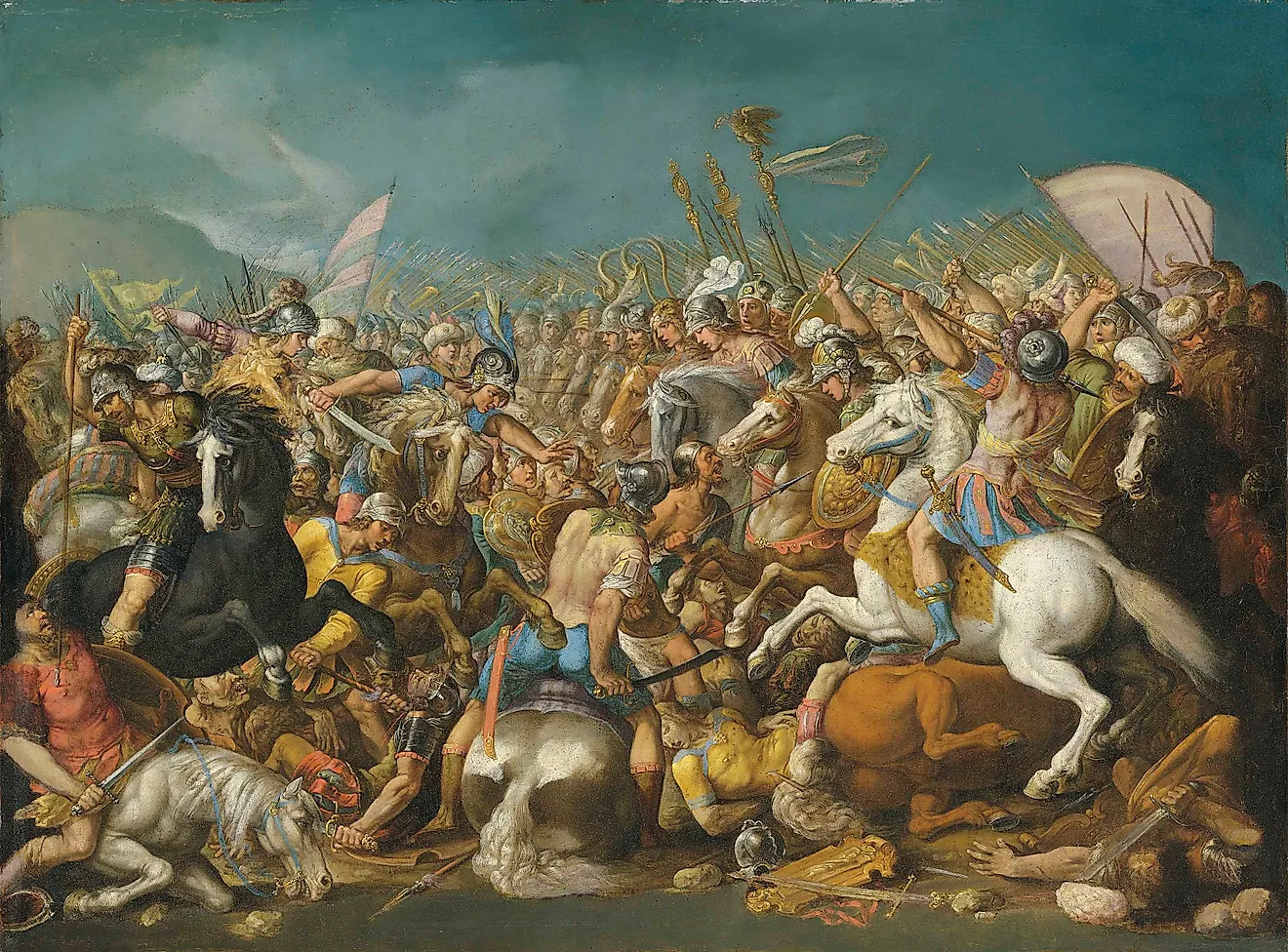
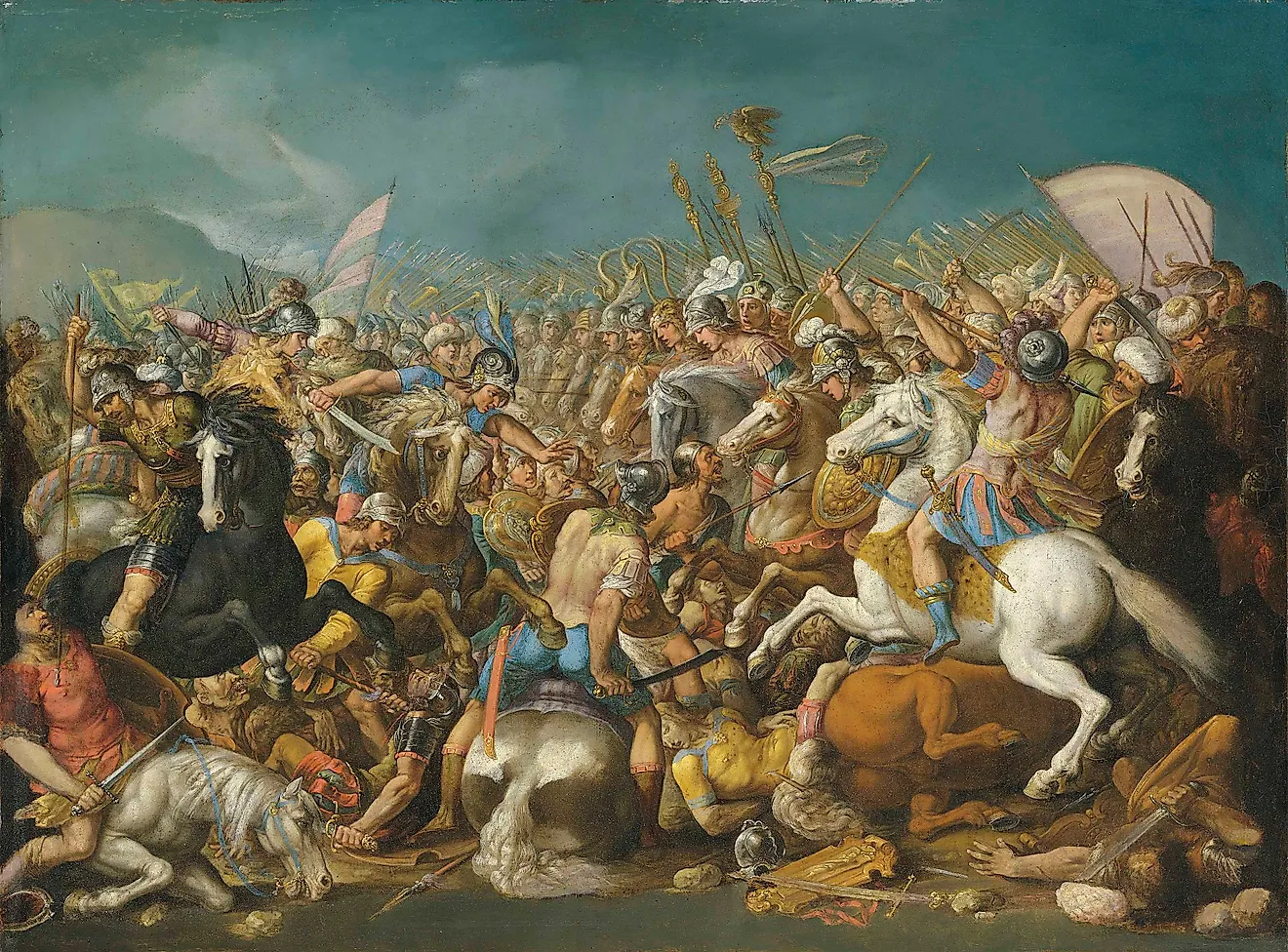
After another series of wars, Thebes rose to dominance in 371 BCE, but this too was short-lived. Up north, Macedonia was gaining power through military reforms and diplomatic initiatives. This culminated in the Battle of Chaeronea (338 BCE), in which the Macedonian king, Philip II, and his son, Alexander, crushed an alliance of Athens and Corinth. Doing so made Macedonia the dominant power in Greece and finally established a temporary peace.
Harsh Treatment of Enemies

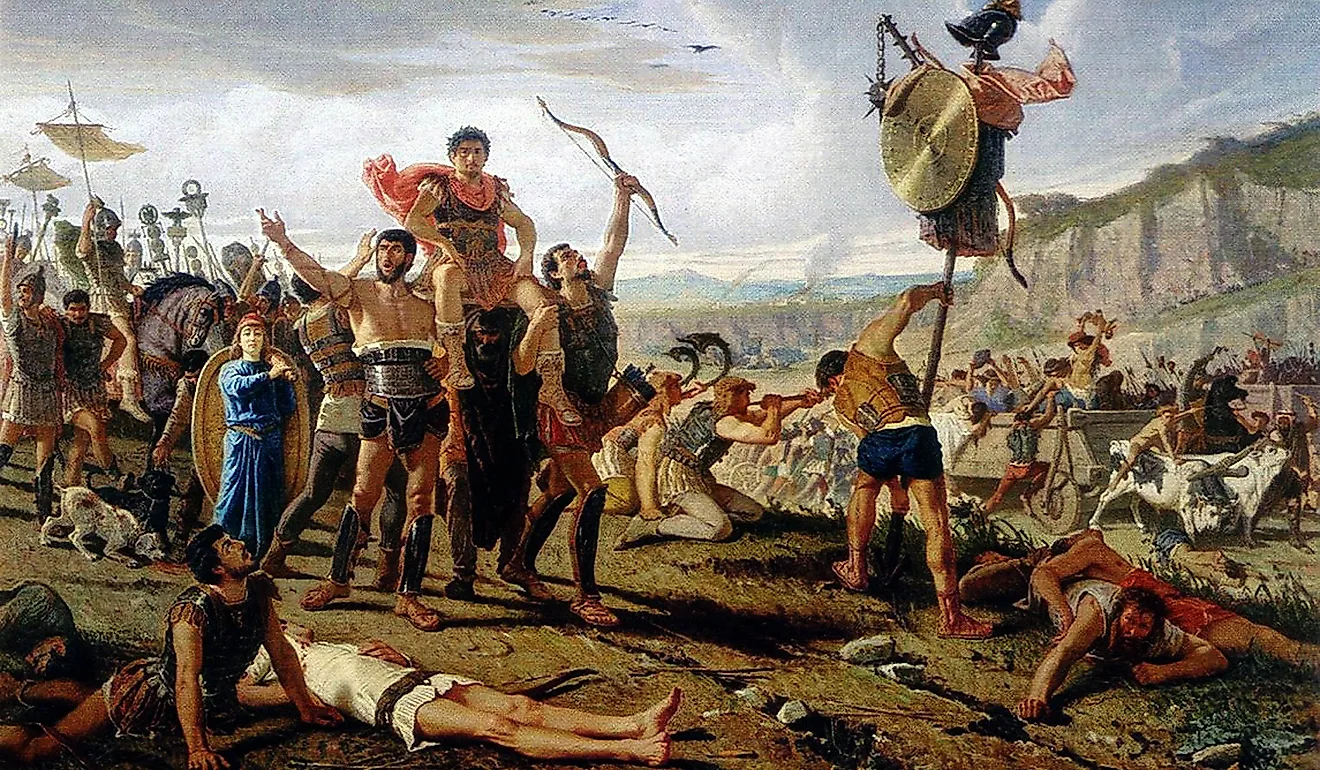
Harsh and inhumane treatment of enemies was a core feature of Ancient Greek warfare. Prisoners of war were frequently enslaved, sexually assaulted, or massacred, and civilians often received similar treatment. The Siege of Melos (416 BCE) during the Peloponnesian War exemplified this brutality. After failed negotiations with the neutral island of Melos, Athens besieged it. Despite initial resistance, starvation forced the Melians to surrender. The Athenians subsequently massacred the male population, enslaved the women and children, and repopulated the island with Athenian settlers. Events such as these were all too common.
Philosophers Weren't Safe

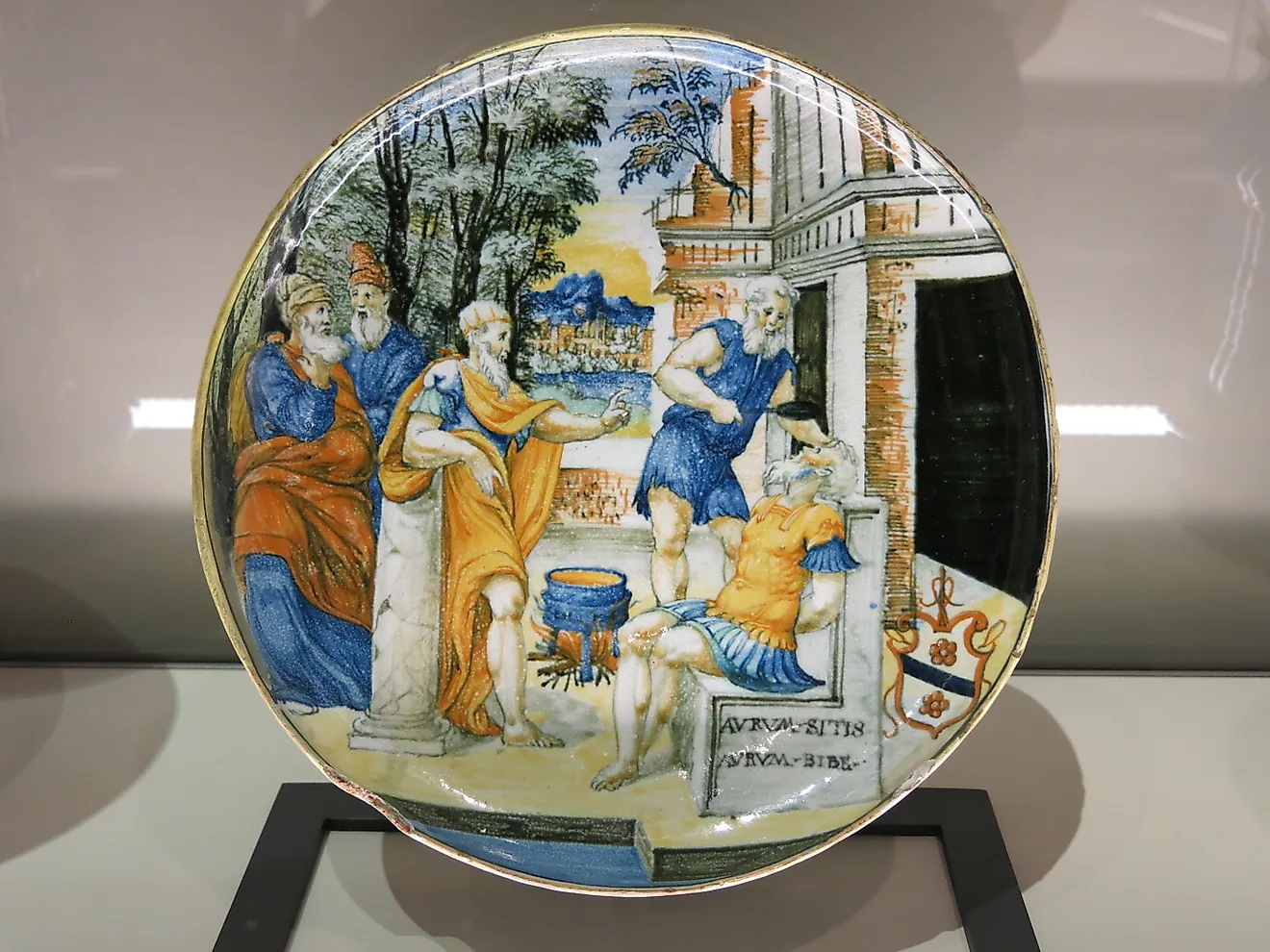
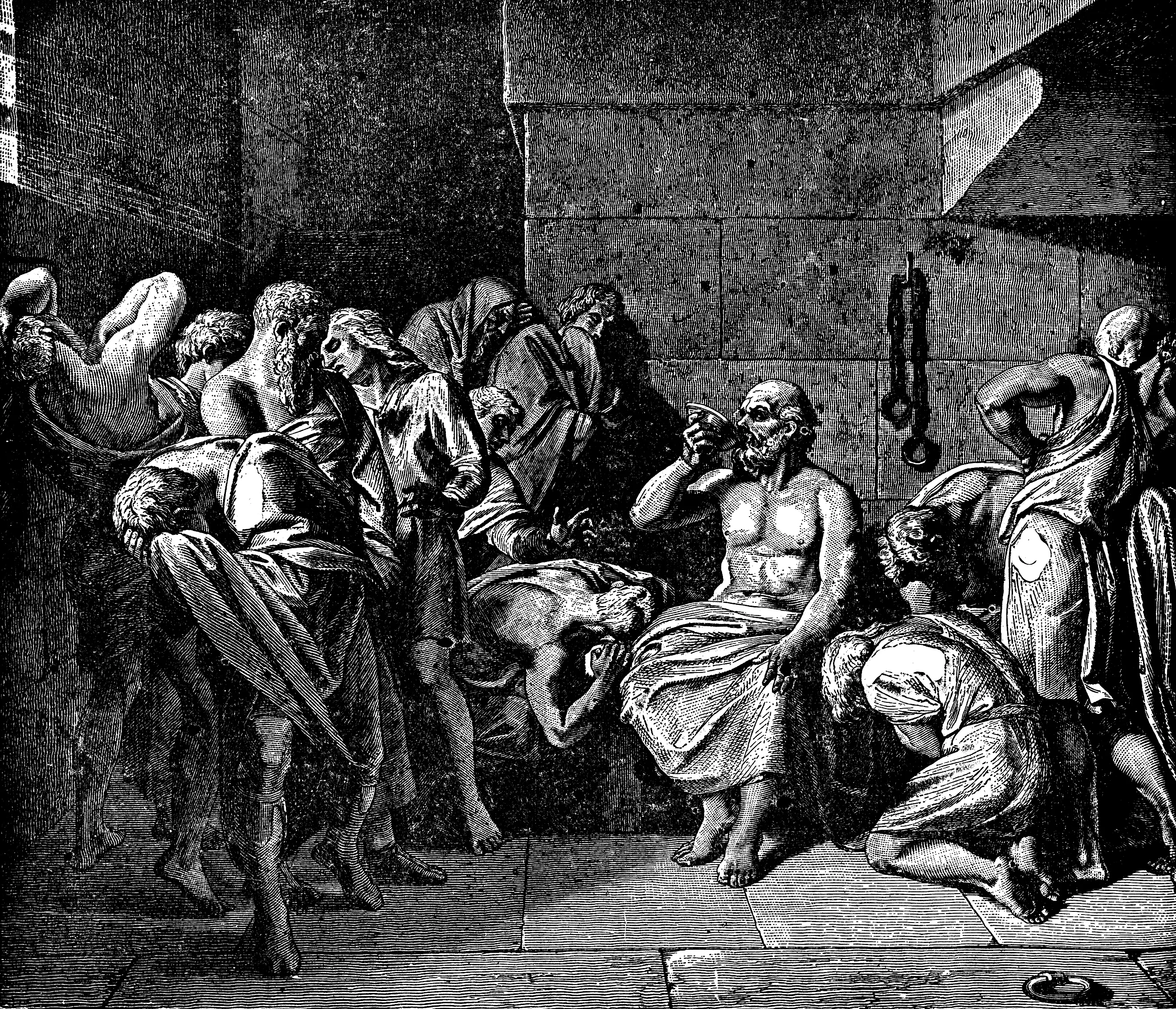
Ancient Greece's ruthlessness was not reserved for foreign foes. City-states could be just as unforgiving toward perceived enemies within, and Athens, for all its celebration of free inquiry, repeatedly turned on its own thinkers. The most famous victim was Socrates, who was put on trial in 399 BCE for impiety and corrupting the youth. In reality, his habit of questioning authority and his association with figures from a recent oligarchic coup had made him a target. Found guilty by a jury of his fellow citizens, the 70-year-old philosopher was sentenced to death and executed by drinking poison hemlock.
Socrates was not an isolated case. Decades earlier, the philosopher Anaxagoras was prosecuted for impiety after claiming the sun was a flaming rock rather than a god. In 323 BCE, Aristotle fled Athens while facing the same charge that had doomed Socrates. That the world's first democracy hounded its greatest minds for asking uncomfortable questions remains one of Ancient Greece's starkest contradictions.
The Atrocities of Alexander the Great

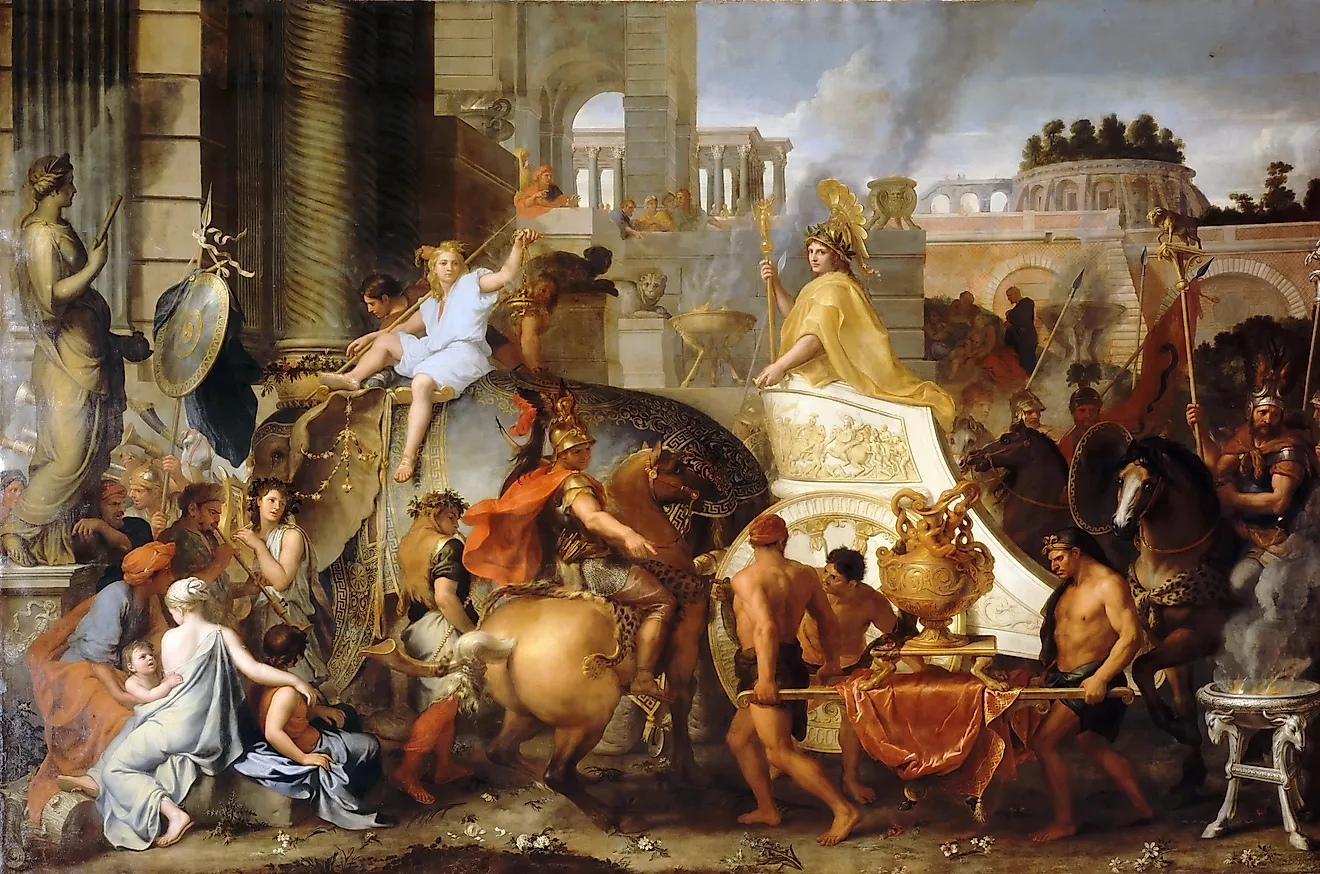
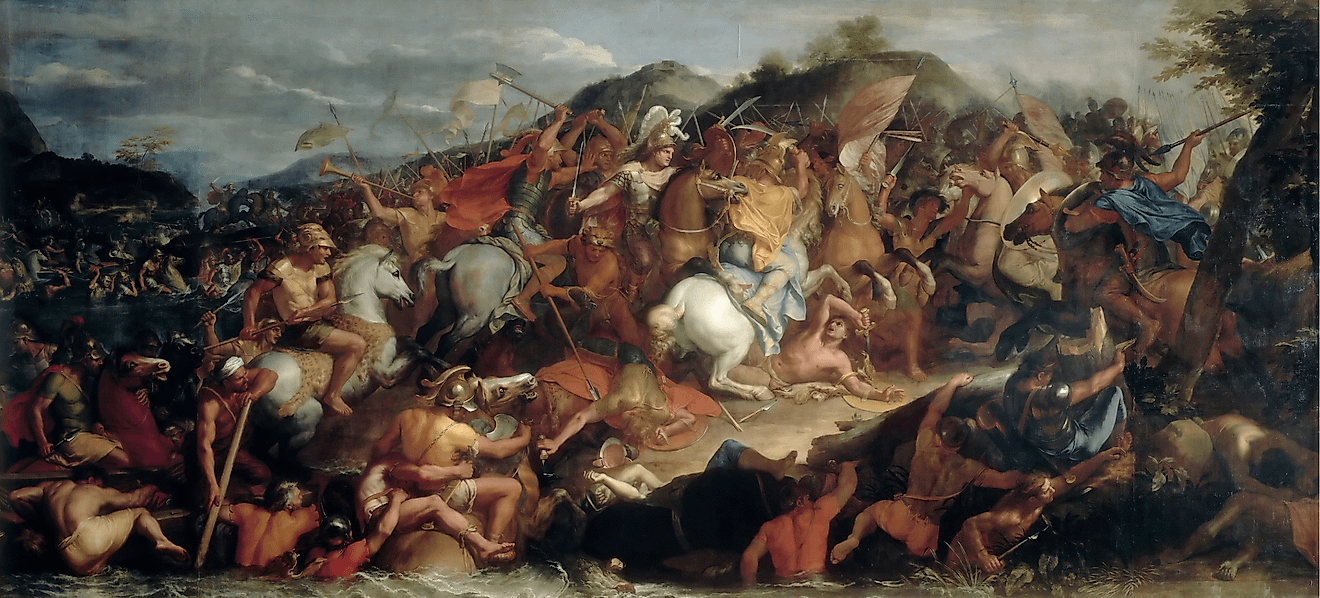
The son of Macedonian king Philip II, Alexander the Great created an empire that spread from the Balkans to India. In doing so, he proliferated Greek culture across the world. At the same time, Alexander was responsible for many atrocities that clashed with his self-styled image of a multicultural, intellectual, and cosmopolitan leader.
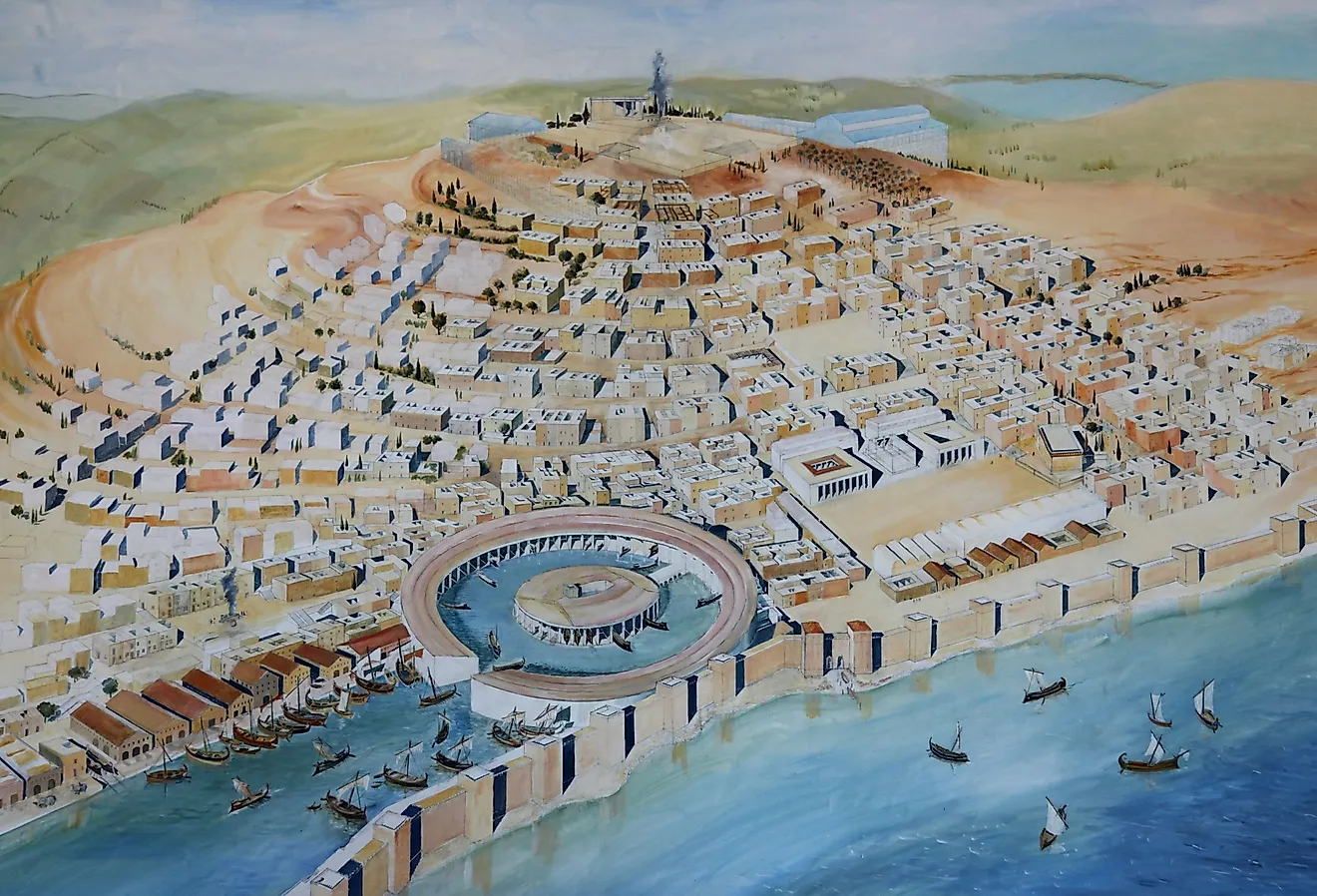
Two main events demonstrated Alexander’s brutality. After he became king in 336 BCE, many Greek city-states rebelled against Macedonian rule. To reassert control, Alexander decimated the city of Thebes. Around 6,000 people were killed, and the remaining 30,000 were sold into slavery. This act shocked the rest of Greece and discouraged future rebellions. A similar massacre occurred after the Siege of Tyre in 332 BCE. Lasting seven months, the siege exhausted and frustrated Alexander. Therefore, upon breaching the city walls, he massacred 8,000 civilians and enslaved the remaining 30,000.