The Most Brutal Roman Emperors Ranked
Roman emperors are remembered as brutal and depraved, defined in the popular imagination by stories of excess, sexual extremes, and tyranny. That reputation doesn't always hold up under scrutiny. Most ancient accounts were written after the fact, often by writers settling political scores, so historians weigh those records against eyewitness accounts and surviving documents to separate fact from exaggeration.
And often, that closer look just confirms the reputation. Absolute power bred paranoia in more than one emperor, and figures like Caligula, Nero, and Commodus left behind documented cruelty that goes well beyond rumor. Childhood trauma, unchecked power, or both pushed these men into the kind of brutality this list covers.
Caligula (reigned 37 to 41 CE)

The name Caligula is now synonymous with depravity, even though it began as a childhood nickname, “little boots,” affectionately given by the soldiers of his father, Germanicus. For the first several months, he ruled with little controversy. His change of behavior came after a near-fatal illness in October of 37 CE, just a few months after he became emperor at age 24. Ancient historians mention a severe illness, but the details are lacking. Contemporary historians and medical researchers have suggested that his illness may have contributed to the shift in his behavior, although there is no direct evidence of this. Various theories have been offered, including possible lead poisoning and neurological illness. These explanations remain speculative, with little proof or historical consensus.
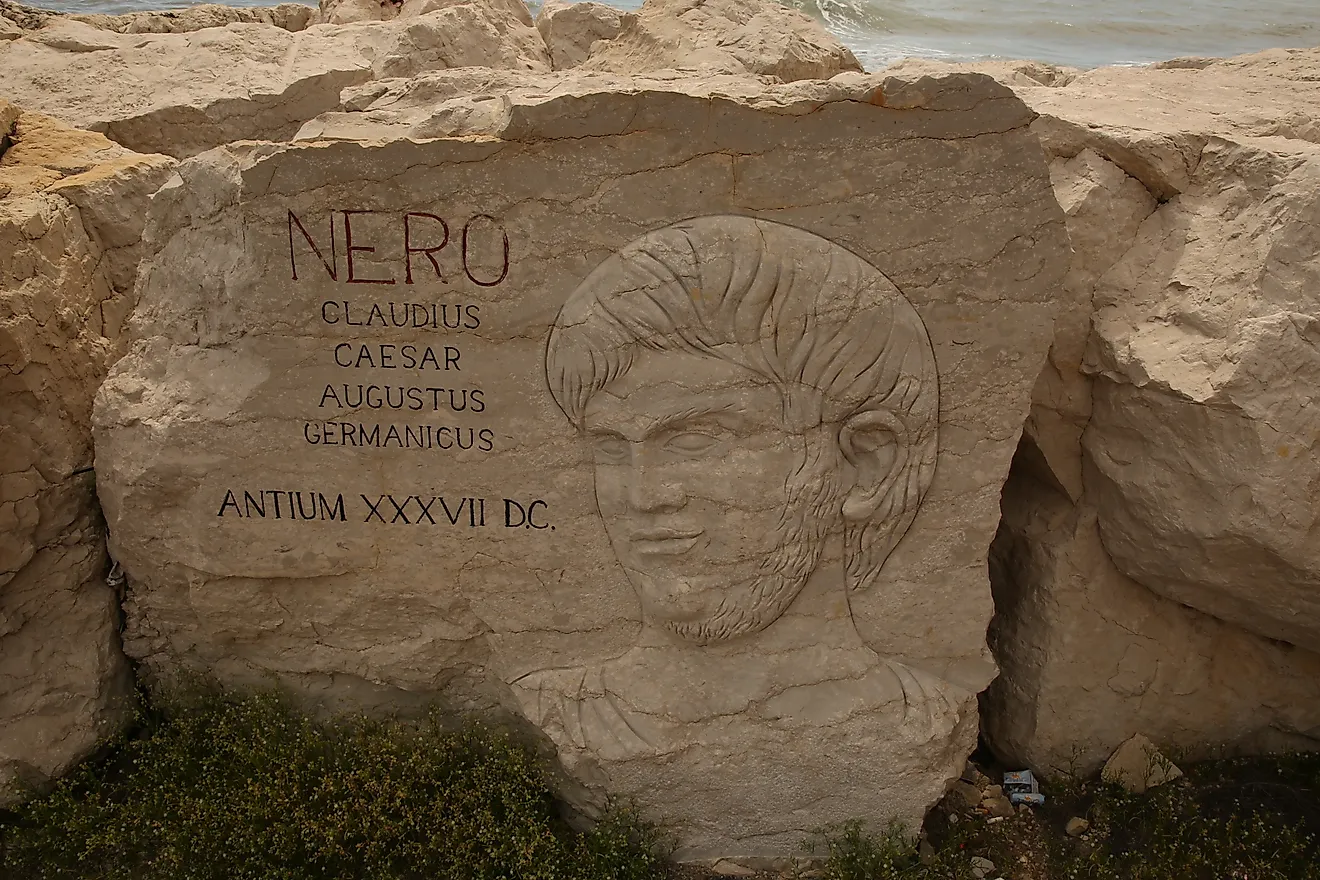
His infamy stems from his increasing tyranny, cruelty, and sadism. He initially forgave some Tiberian maiestas charges, then revived specific treason charges in 39 CE; his reign then saw executions of rivals and perceived enemies. When he became emperor, the Roman treasury had a large surplus, which he squandered in a single year on lavish parties, games, personal luxuries, and self-aggrandizing construction projects. He then made divine claims, and Suetonius claimed that he planned to move first to Antium and later to Alexandria; separate evidence from Egypt presents him as Neos Helios, the “New Sun.” These excesses, the murders, and the irrational behavior led to his assassination by his own Praetorian Guard in 41 CE.
Nero (reigned 54 to 68 CE)

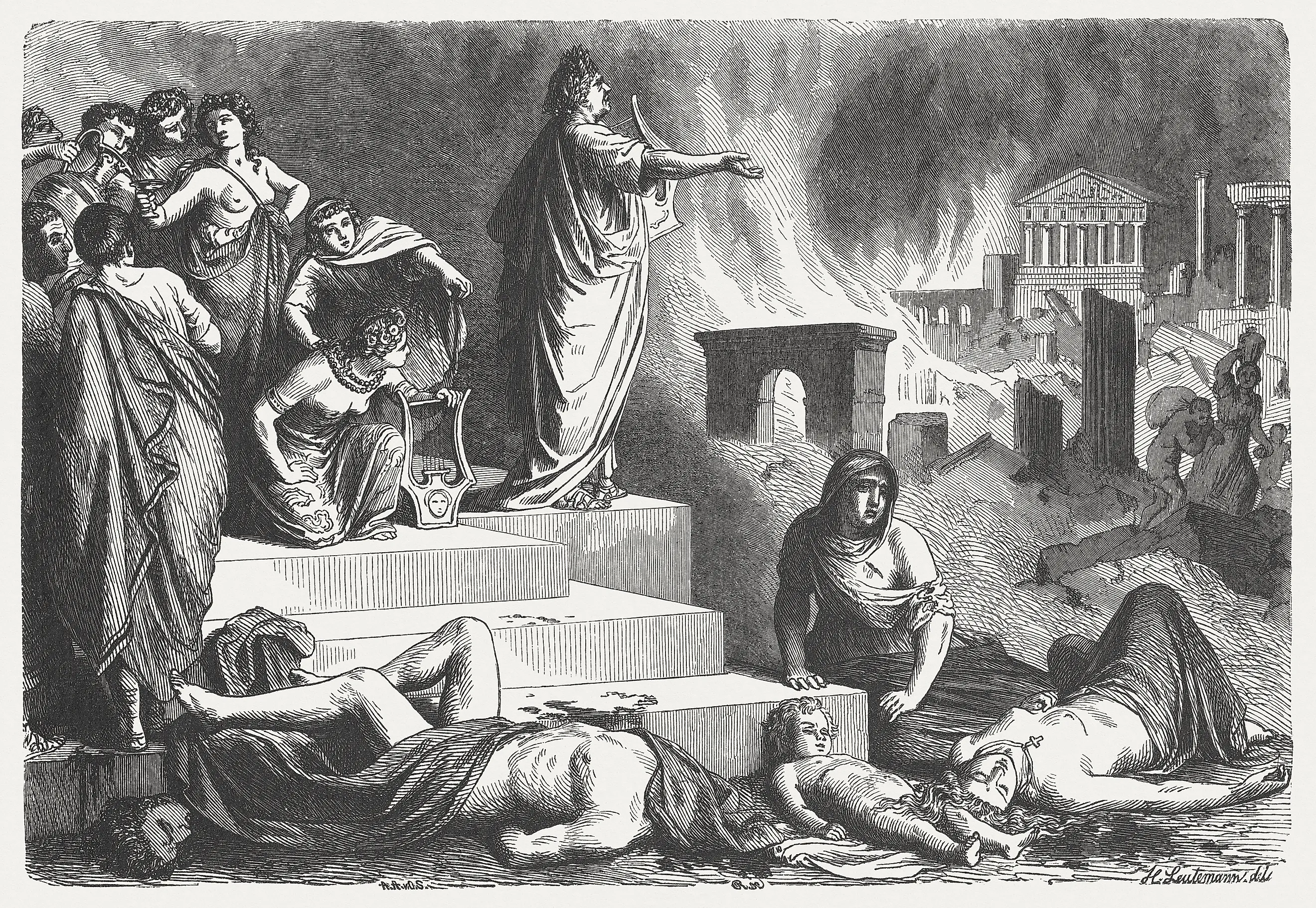
Nero is infamous as the emperor who supposedly played music while Rome burned. His reputation is exaggerated, but Nero is still considered one of the worst Roman emperors for his tyranny, mismanagement of the empire’s finances, extravagance and decadence, and persecution of Christians. To solidify his power as emperor, Nero brutally executed anyone he deemed a threat. His mother, Agrippina, was a brilliant and ruthless woman who helped Nero attain power through political manipulation and the elimination of all rivals. When he ascended the throne at 16, Agrippina hoped to control the government, but Seneca and Burrus soon displaced her influence. Also, Nero wished to rule on his own, and in the year 59, he arranged her murder.
Nero divorced and then murdered his wife, Claudia Octavia. His second wife, Poppaea Sabina, died in pregnancy in 65 CE, with stories circulating that Nero kicked her to death. His third and last wife was Statilia Messalina; later, Nero apparently “married” the young freedman Sporus, whom he had castrated and associated with Poppaea Sabina. Later accounts claimed that Nero started the Great Fire of Rome (64 CE) to clear land for a new palace. Ancient rumors held that he sang or played music during the fire, suggesting his indifference to the people of Rome. With his increasing and unchecked power, Nero killed rivals and critics indiscriminately, and staged huge and violent spectacles to curry favor with Roman citizens. This included the persecution and murder of Christians, scapegoating them for the fire.
Commodus (reigned 180 to 192 CE)

Commodus was reviled as an emperor for abandoning his duties and indulging in personal pleasures. This ultimately destabilized the empire. He was not interested in administration, leaving a power vacuum filled by corrupt figures such as Cleander, who did as they pleased. His unchecked power led to paranoia, and Commodus was known for his cruelty. He sadistically tortured and murdered poor and disabled Romans for his own pleasure, and he had rivals and enemies murdered, including many senators and their families.
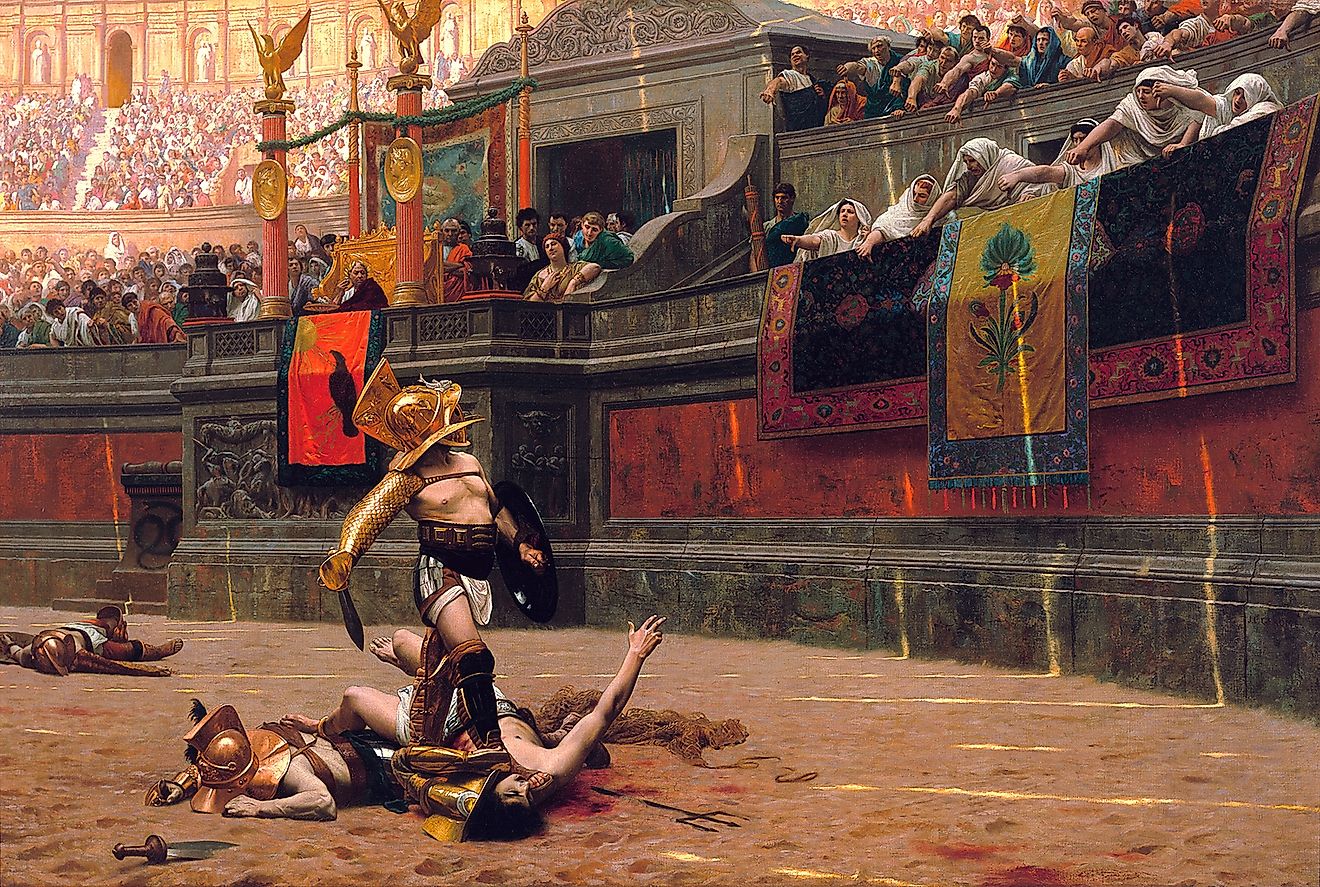
Commodus enjoyed appearing in gladiatorial fights, but Cassius Dio describes his public bouts as staged contests with a wooden sword against an athlete or gladiator with a cane; Dio separately claims he killed footless men with a club while pretending they were giants. He imagined that he was the god Hercules and renamed Rome after himself. Like Caligula, Commodus demanded to be worshipped as a god. He was assassinated in 192 CE, plunging Rome into political chaos. His father, Marcus Aurelius, had been a revered and skilled emperor, the last of the so-called Five Good Emperors, a group associated with the Roman Empire’s golden age; Marcus’s own reign, however, was marked by frontier wars and plague. His son, Commodus, reversed those achievements, and his reign is considered by many historians to be the start of the Roman Empire's decline.
Caracalla (reigned 198 to 217 CE)

Caracalla is less familiar than Caligula or Nero, but his reign was marked by some of the same brutality. Caracalla was known for extreme cruelty, for political and familial murders, and for being a paranoid despot who violently purged the government of enemies, real or imagined. Caracalla had been co-emperor alongside his father since 198, and Geta joined them as co-emperor in 209; after Septimius Severus died, the two brothers briefly ruled together. Deciding he would rather rule alone, Caracalla arranged for Geta’s assassination, and Geta was killed in their mother’s arms. Most notoriously, ancient accounts claim Caracalla ordered the murder of thousands of people whom he thought were supporters of his brother.
Believing the residents of Alexandria had mocked him, Caracalla ordered the massacre of the people of the city, with thousands dying. He also created financial instability by introducing the antoninianus, a coin officially valued at two denarii but containing only about 1.5 denarii worth of silver, with the extra value helping fund soldiers’ pay. This action, intended to ensure loyalty, contributed to inflation. He also spent large sums of money on public projects to increase his popularity among the people of Rome. Caracalla was assassinated by a soldier named Julius Martialis; Herodian says Martialis wanted to avenge his own brother’s execution, while Cassius Dio gives a different motive, and Macrinus’s role was suspected.
Maximinus Thrax (reigned 235 to 238 CE)

Despite his short reign, Maximinus Thrax would go on to become one of the most destructive of the Roman emperors. His main claim to infamy came from his brutal, autocratic rule, heavy taxation, and disregard for the Senate. Like other emperors, Maximinus Thrax was mainly interested in securing the loyalty of his soldiers, and to that end, he raised their wages, paying for it through heavy taxation and the seizure of private property and public funds, which caused severe financial strain and unrest.
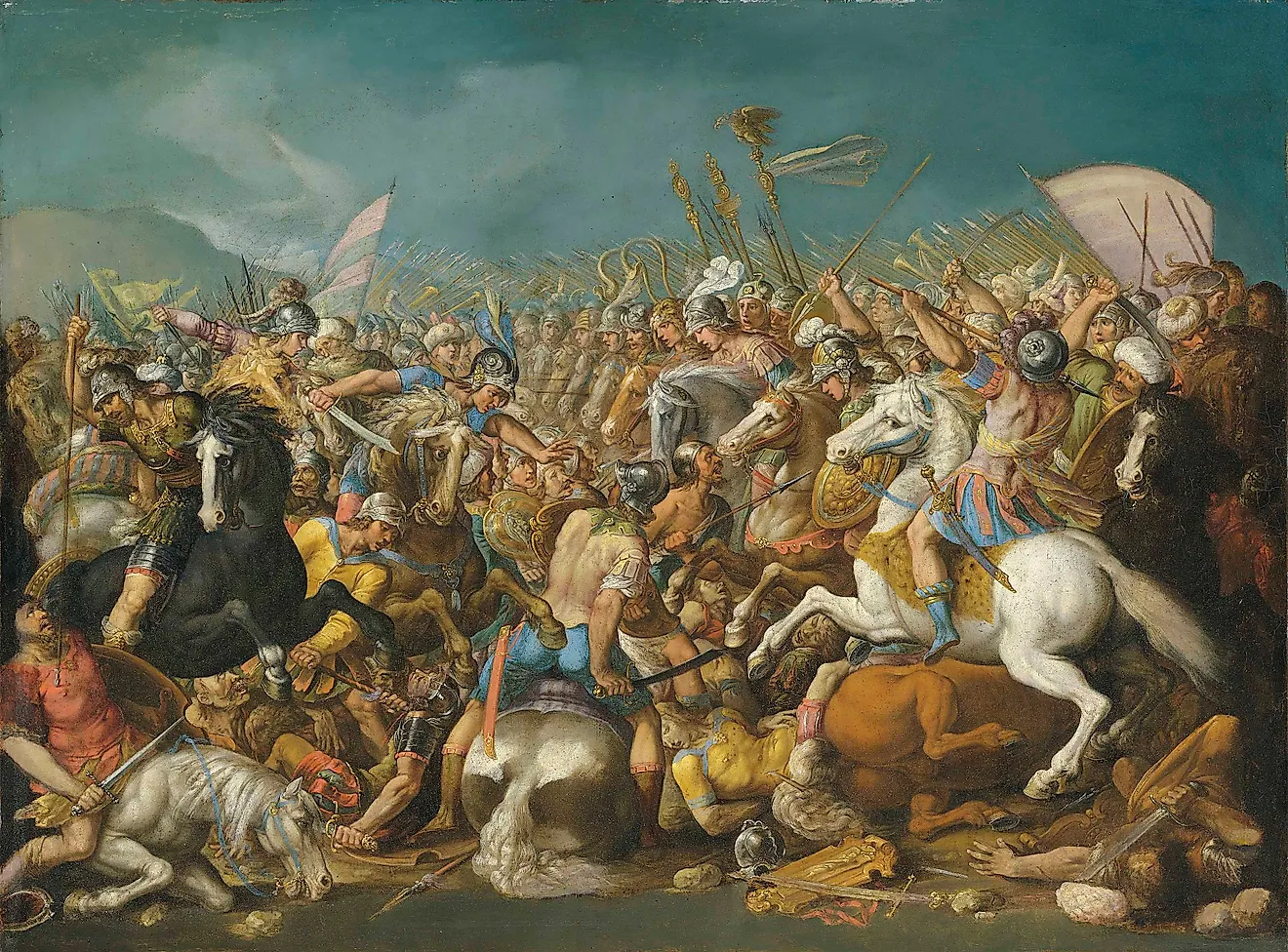
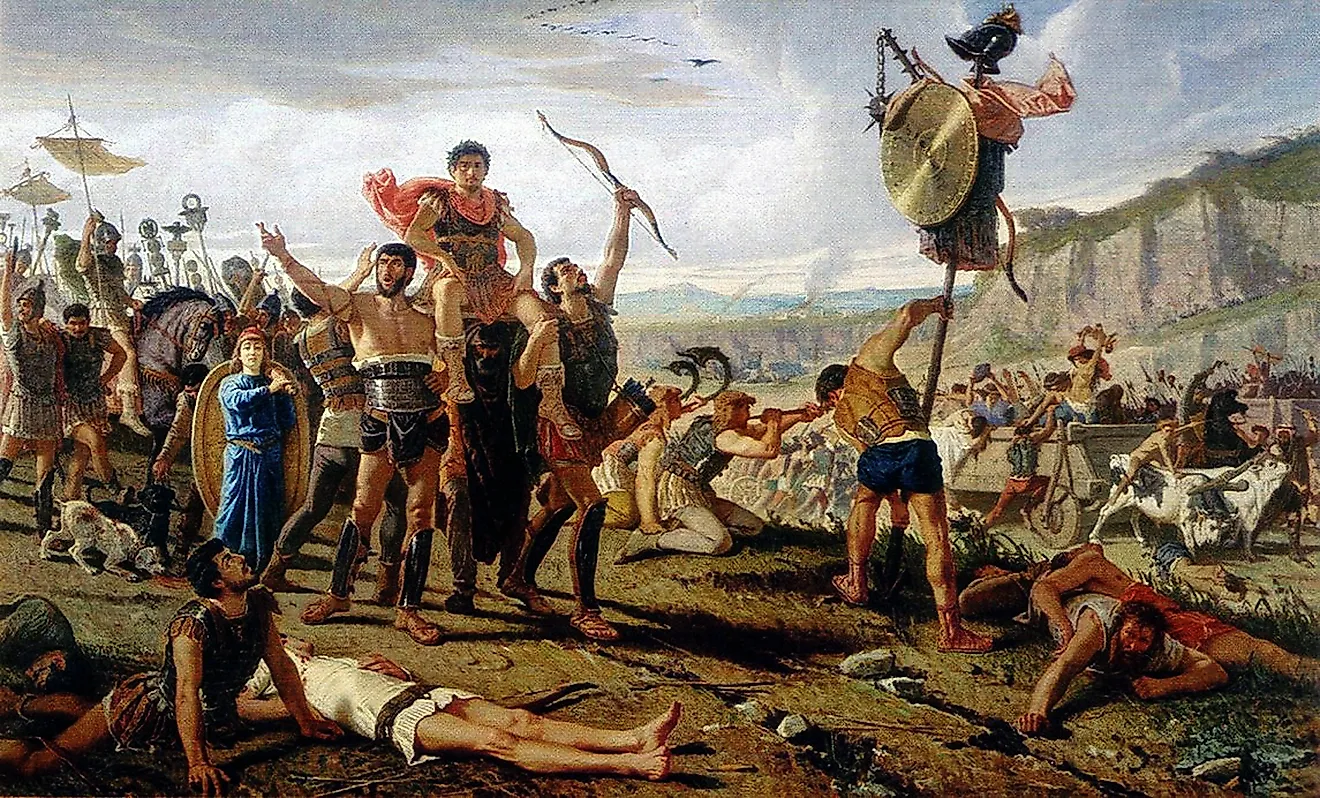
Historians consider him a military dictator rather than a civilian leader, and Maximinus Thrax executed rivals, enemies, Rome’s elite, and anyone accused of treason, real or fabricated. During his short reign, he never visited Rome, choosing to govern from military outposts on the Germanic frontier. Revolts broke out across the empire, particularly in Africa, plunging the Roman Empire into a brutal civil war. Maximinus’s reign marked the beginning of a wider half-century crisis and civil war; his army finally lost confidence in him and murdered him and his son near Aquileia in 238.
Tiberius (reigned 14 to 37 CE)

Tiberius was considered one of the worst emperors due to his abandonment of government, his use of treason trials to instill terror in Rome, and his sexual depravity. Tiberius left Rome to live at a villa on the island of Capri. He left much day-to-day influence in Rome to the commander of the Praetorian Guard, Sejanus. Tiberius’s late reign is closely associated with treason trials, though he was not solely responsible for them, and modern historians still debate how directly he was responsible for them. Accusations of treason could supposedly be levied against anyone, especially those with money and land that Tiberius wanted to seize. After his son Drusus died in 23 CE, Sejanus gained room to attack Agrippina’s family, and the broader reign of terror followed Sejanus’s fall in 31. Most notoriously, ancient sources accused Tiberius of sexual abuse, sadism, and torture, though these hostile accounts should be treated with caution.
While Tiberius was respected as a skilled military commander before becoming emperor, his other behavior sullies his reputation. Unlike other emperors with reputations for brutality, Tiberius was fiscally conservative and substantially increased the imperial treasury, although that should not be credited mainly to Sejanus. However, Tiberius entrusted Sejanus with administering the empire on his behalf, and Tiberius himself did not pilfer public moneys for personal gain or gratification. Instead, he used his power to seize the wealth of members of the Roman elite. Unlike other despotic emperors, Tiberius died of natural causes at the age of 77. Early historians maintained that he was murdered by Praetorian prefect Macro to allow for Caligula’s ascension. However, modern historians suggest his death was in fact due to natural causes.
What Rome’s Worst Emperors Reveal About Absolute Power
Many of these men were tyrants capable of great cruelty, and that much is firmly part of the historical record. Their cruelty was often the product of mental illness, the corruption of unlimited power, or, at times, plain greed and malevolence. But Rome also had emperors who were not depraved, who ruled justly, and who, while hardly democratic, were certainly no despots. To historians, the Five Good Emperors of the Roman Empire, Nerva, Trajan, Hadrian, Antoninus Pius, and Marcus Aurelius, ruled from 96 to 180 CE, a period of stability, peace, and prosperity. Of course, these leaders were very much the exception. According to modern historians, the Roman system, based on heredity, adoption, military support, senatorial recognition, political maneuvering, and unchecked power, often produced poor leaders and, at times, tyrants.