How The Ottomans Defeated The Roman Empire
Many believe that the Roman Empire fell in 476. The reality is far more complicated. While most historians agree that Western Rome did in fact end when the barbarian king Odecer deposed Emperor Romulus Augustulus, the Eastern Roman Empire survived for the next thousand years. It was actually the Ottoman Empire that struck the fatal blow when it captured Constantinople in 1453. Understanding how the Ottomans accomplished this is crucial to comprehending the truth behind the fall of the Roman Empire.
The Collapse Of Western Rome

By the 4th and 5th centuries, the Western Roman Empire was barely scraping by. Barbarian invasions had lessened its control over provinces like Gaul, Spain, and Africa. This meant there were fewer people to tax, forcing the government to impose even more crippling financial burdens on the people still under its control. When combined with rampant inflation, the economy was in shambles. Many fled in search of better opportunities, further lowering the population and resulting in even higher taxes to compensate.
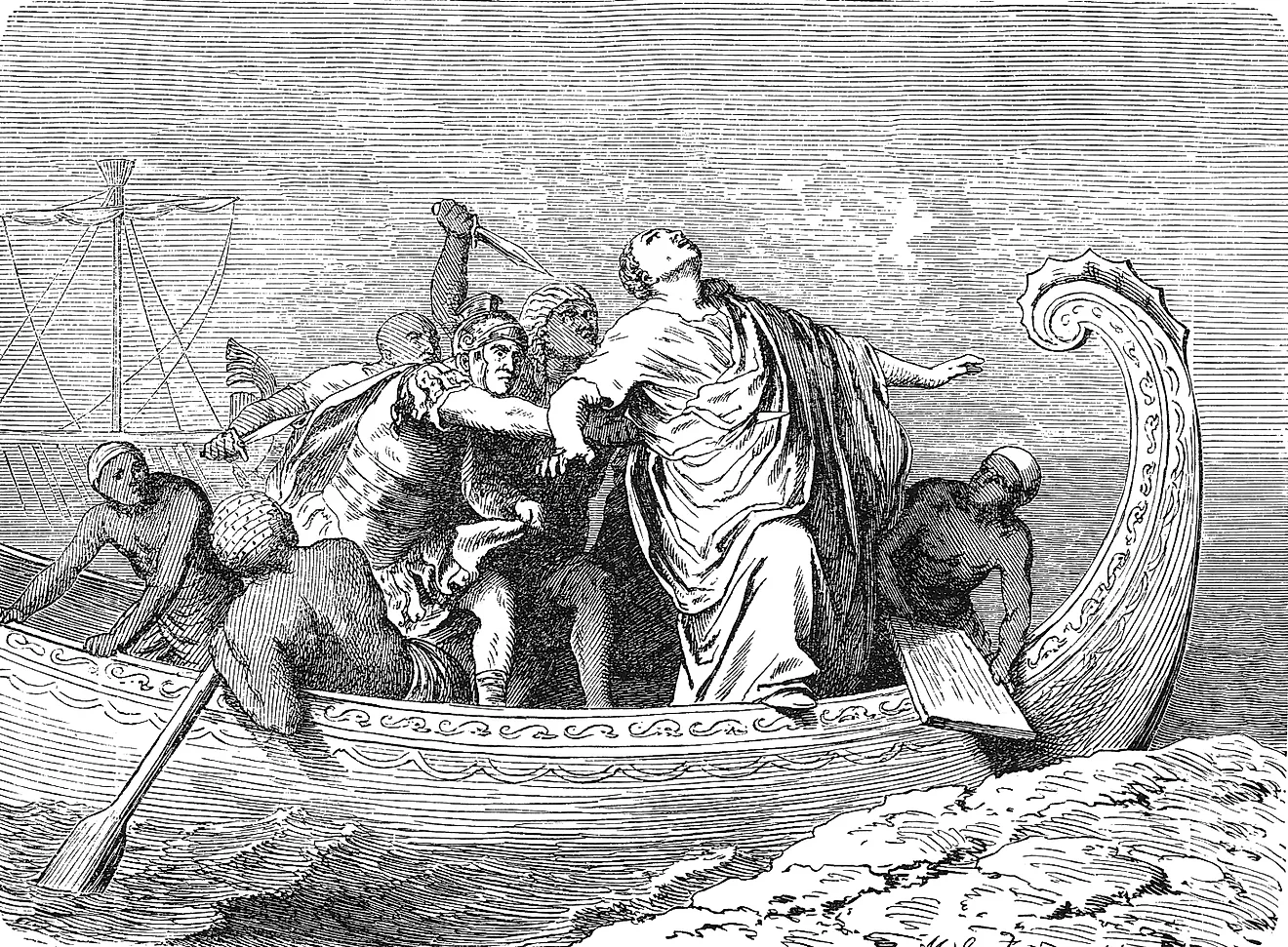
Barbarian invasions also caused significant damage to Rome’s reputation. Catastrophes like the Battle of Adrianople in 378, in which Emperor Valens was killed by the Visigoths, and the sacking of Rome in 410 demonstrated that the once formidable Roman army was now beatable. This military weakness was attributable to factors like corruption, fewer recruits due to lower morale and population, and increased reliance on barbarian mercenaries. Ultimately, all these problems reached a boiling point in 476, and the Western Roman Empire fell.
The Survival Of The Eastern Roman Empire

As Western Rome collapsed, the Eastern Roman Empire survived. Home to major trade hubs like Constantinople and agricultural powerhouses like Egypt, it had a core set of advantages over the West that allowed it to thrive for the next thousand years. While most people today know it as the Byzantine Empire, people at the time simply viewed it as a continuation of the Roman Empire. People living in the empire itself also considered themselves Romans.

Over time, the Eastern Roman Empire faced increasingly existential challenges. Centuries of competition with the Persia-based Sasanian Empire drained its resources and treasury. This made it more difficult to defend from other threats. The consequences of this weakness were felt in 1204, when Constantinople was sacked by Christian crusaders from Western Europe. It took the Romans 57 years to recapture the city, and the empire never again returned to its full strength.
The Rise Of The Ottomans

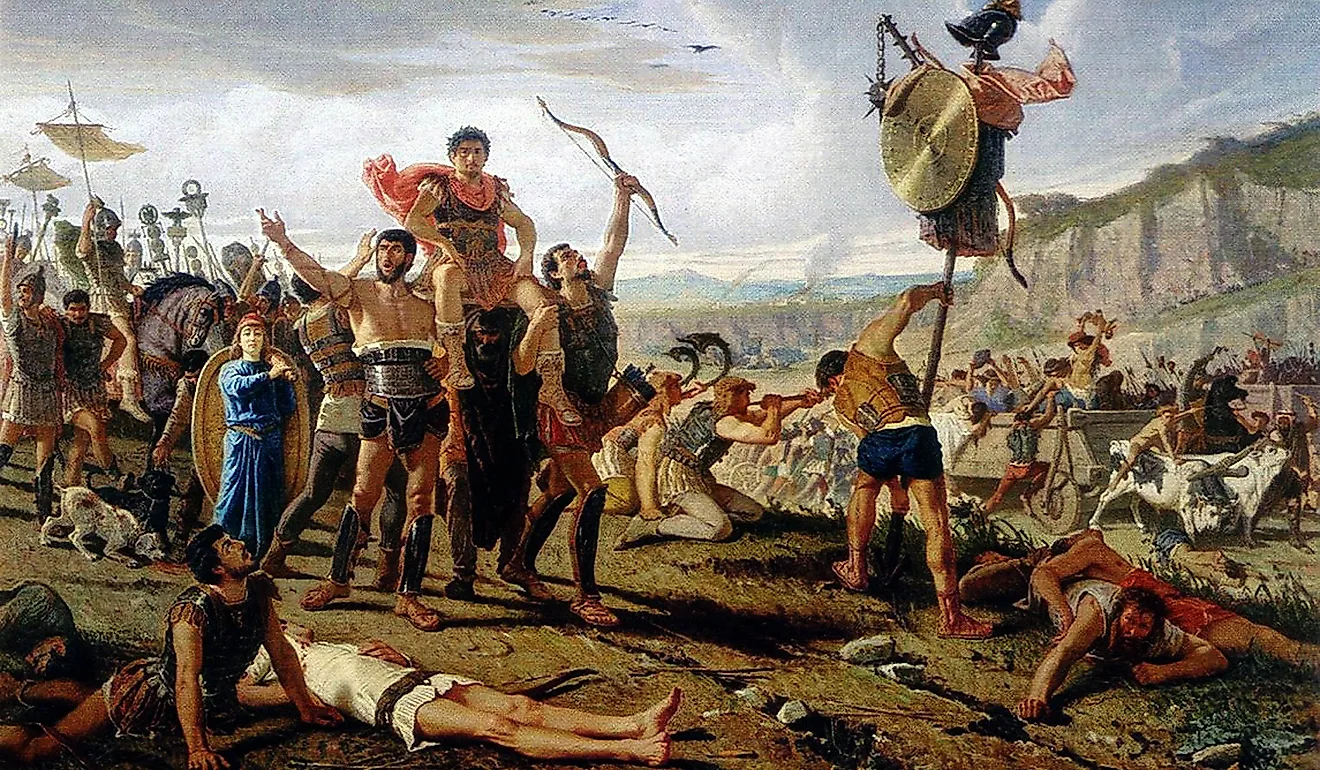
As the Eastern Roman Empire weakened, another power was rising. Founded by Osman in 1299, the Ottoman Empire began as one of many small beyliks (states) in Anatolia. Several factors helped it quickly accumulate power. The Ottoman state had a strong founding myth; Osman supposedly had a dream in which he ruled over a multicontinental empire. Belief in this dream helped unify diverse groups of people. The Ottomans also had an elite group of soldiers called the Janissaries. Made up of forcibly conscripted Christian boys from the Balkans who were trained in high-quality military schools, they far outmatched any other contemporary army.

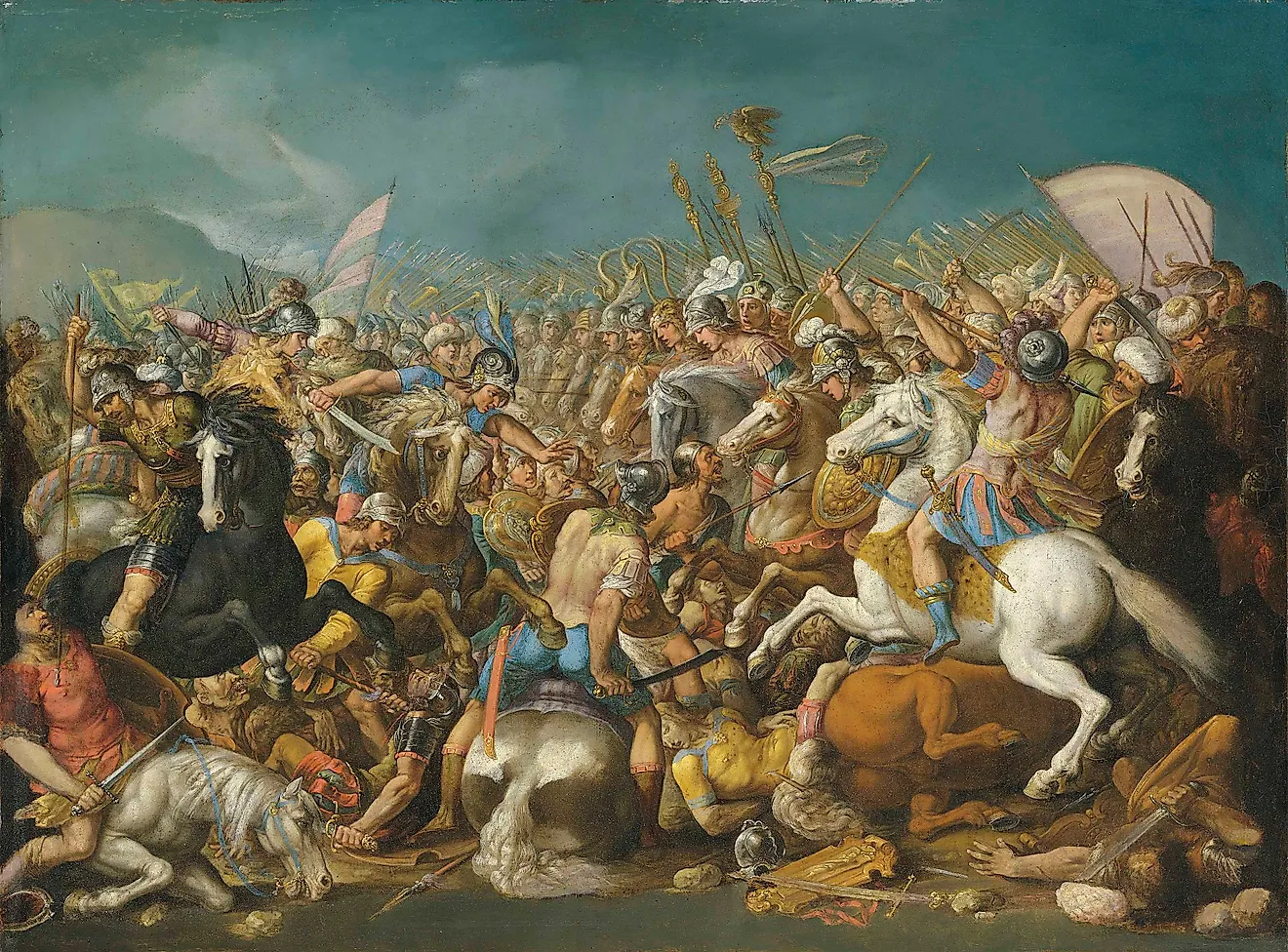
Perhaps the most significant reason the Ottoman state quickly grew in size and influence was the comparative weakness of other contemporary powers, like the Eastern Roman Empire. This allowed the Ottomans to encroach on its territory. Over about 150 years, they moved into northwestern Anatolia and the Balkans, gradually coming to control regions that had been Roman for well over a thousand years. By the 1450s, the Ottomans had surrounded Constantinople. The stage was set for the final battle of Roman civilization.
The Siege Of Constantinople

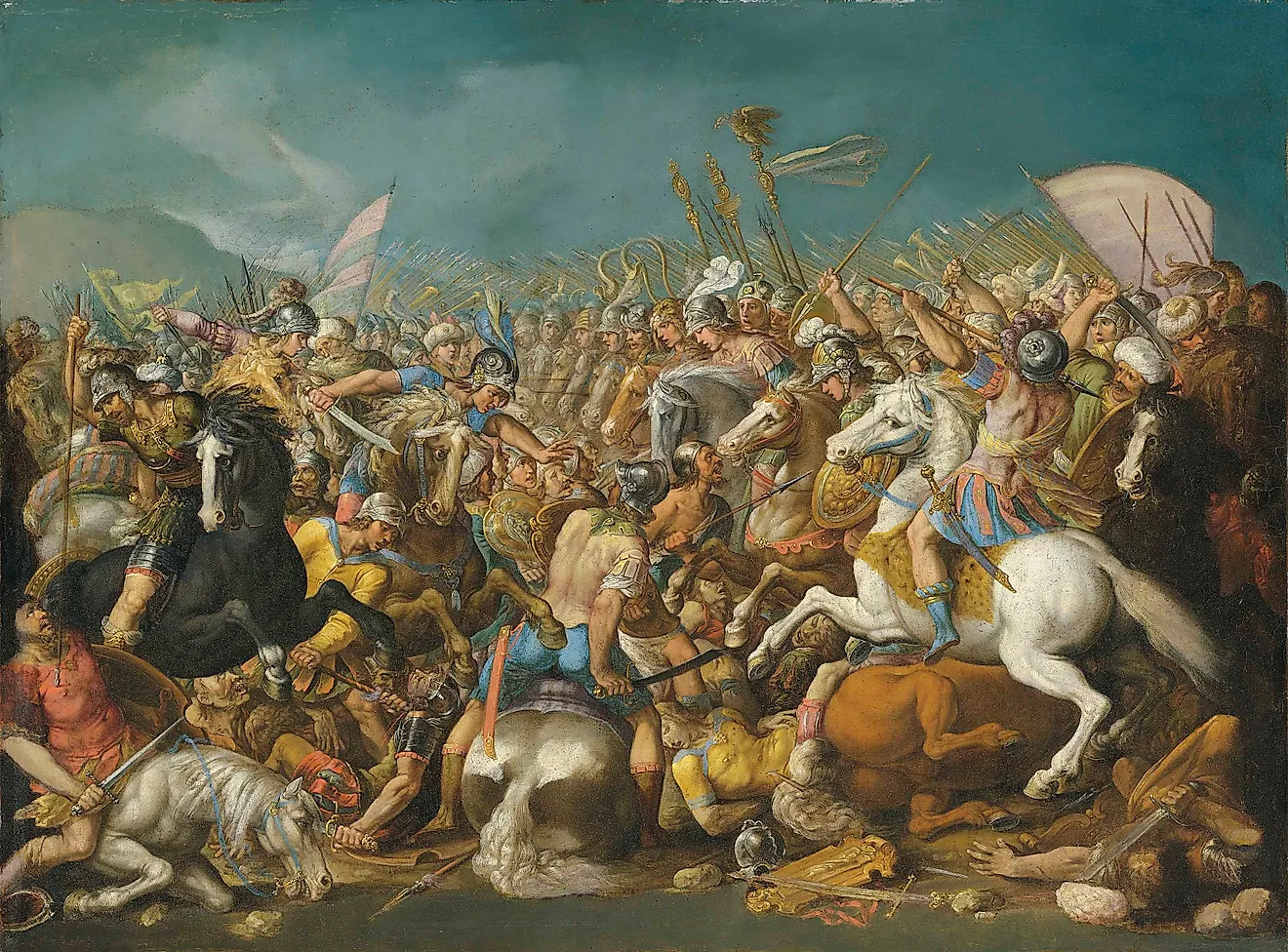
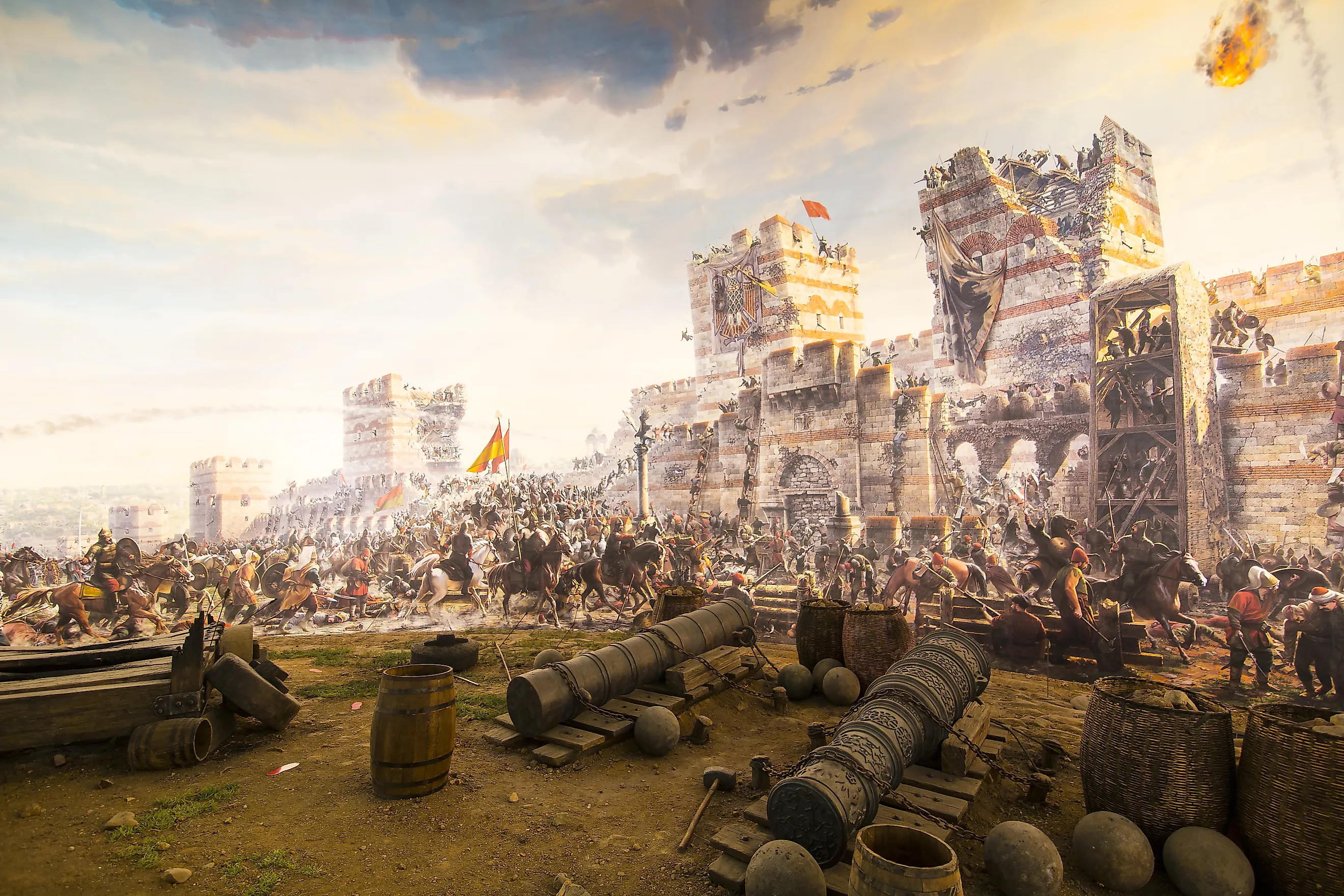
The siege of Constantinople began on April 6th, 1453. Led by Emperor Constantine XI, the Romans had between 7,000 and 8,000 defenders. The Ottomans dwarfed this number, and Sultan Mehmed II oversaw an army of 80,000 to 100,000, as well as a navy of between 120 and 300 ships.

Several factors helped the Ottomans win. First, their use of gunpowder artillery brought down Constantinople's famous Theodosian Walls, which had protected the city for nearly a thousand years. Second, the Ottomans made some intelligent yet strategically daring maneuvers. To prevent Ottoman ships from completely surrounding the city, the Romans put a massive chain in the water. In response, the Ottomans created a road of greased logs, carried their ships over land, and placed them back into the water, behind the chain. The third, and arguably most important factor, was sheer numerical superiority. Even though defenders generally had a strategic advantage in medieval warfare, particularly if they were stationed in a city, being outnumbered ten to one was a recipe for disaster.
Impact And Legacy
Constantinople fell to the Ottomans on May 29th, 1453. Constantine XI died defending the city, and Sultan Mehmed II adopted the title Kayser-i Rûm (“Caesar of Rome”). The Ottomans went on to dominate much of Rome’s former territory over the coming centuries, establishing control over the Eastern Mediterranean, North Africa, and the Middle East. As for the Romans, many fled to Western Europe. Doing so ushered in the Renaissance, since they brought classical works, art, and literature with them. In short, even though the Roman Empire officially ended in 1453, Roman civilization survived.