Which State Parks Draw More Visitors Than National Parks?
State parks are often viewed as smaller, less impressive alternatives to national parks, but recent visitor numbers tell a different story. In fact, several state parks across the US attract more annual visitors than many national parks. In the case of Niagara Falls, it can draw close to 10 million visitors in some years thanks to easy access, nearby population centers, incredible natural landmarks, and other high-demand recreational features. Against the country's national parks, it ranks only behind the Great Smoky Mountains National Park. The following state parks boast an annual attendance that rivals (and in many cases, surpasses) that of their well-known federally run counterparts.
Lake Pueblo State Park, Colorado

Colorado is a place renowned for its parklands, and while Rocky Mountain National Park takes the cake in terms of visitation at about 4.2 million annually, the next in line is Lake Pueblo State Park, which saw 2.9 million visitors in 2024. By comparison, Mesa Verde National Park, Great Sand Dunes National Park and Preserve, and Black Canyon of the Gunnison National Park, all beloved and highly popular, each receive around half a million or less on average.
Located just west of the city of Pueblo, Lake Pueblo State Park centers on a 4,600-acre reservoir created by Pueblo Dam, as well as 10,000 acres of land surrounding it. The blend of boating, fishing, swimming, camping, hiking, and year-round accessibility attracts a broad mix of local residents, Front Range visitors, and travelers crossing southern Colorado. The park's appeal is driven by more than the scenery. Over 60 mi (97 km) of shoreline supports various marinas, boat ramps, and popular warm-water fisheries that include walleye, bass, trout, and catfish. Extensive campgrounds and picnic areas also allow it to accommodate large numbers of overnight and day visitors simultaneously.
Sonoma Coast State Park, California

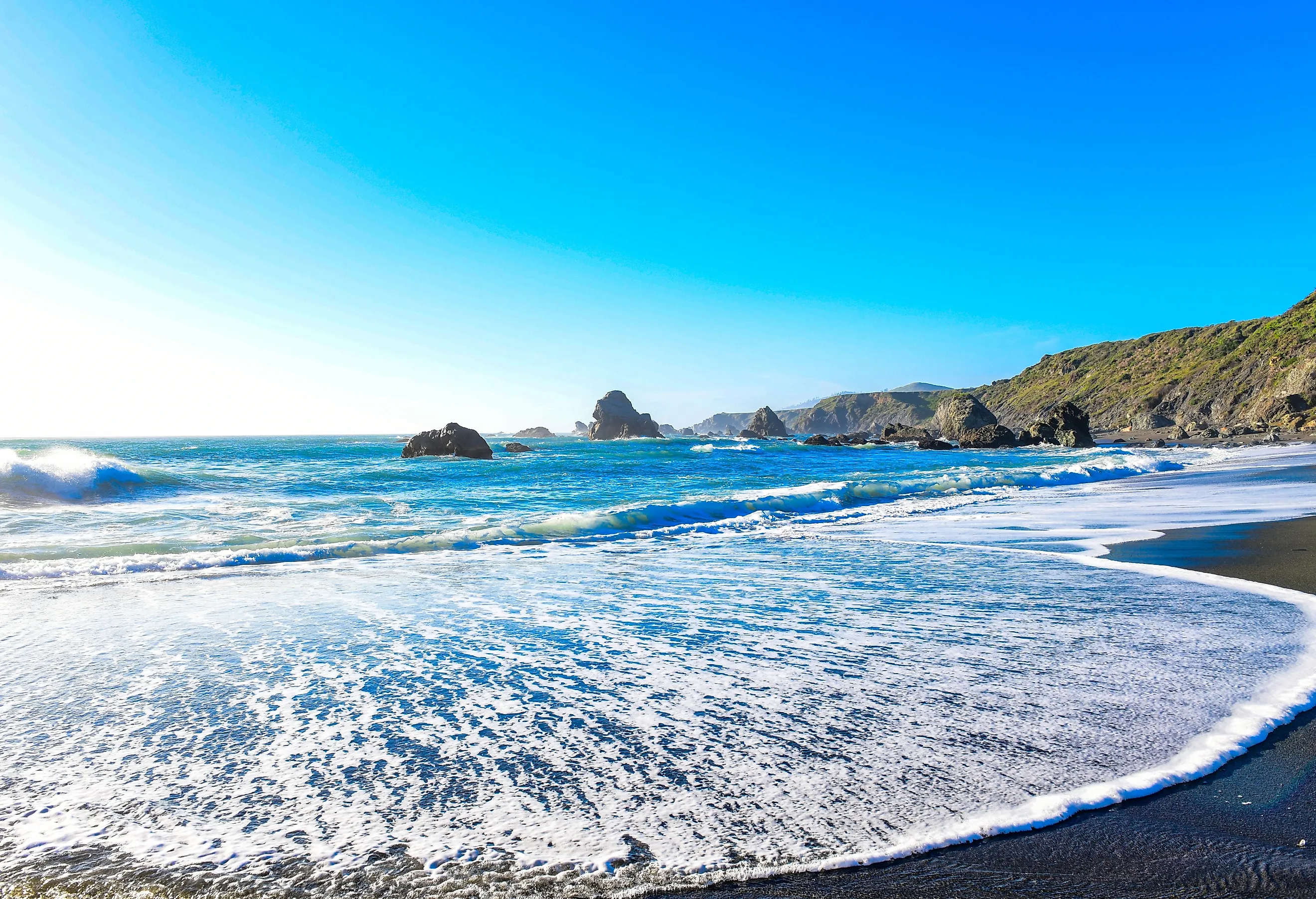
Sonoma Coast State Park attracts more visitors than several nearby national parks in California, proving that a state park can outdraw major national park destinations when accessibility and recreation opportunities are combined. The park receives more than 2.6 million visitors annually, surpassing the similarly beachy Channel Islands National Park, which typically attracts fewer than 400,000 visitors per year. It also draws more visitors than Sequoia National Park and Kings Canyon National Park, each of which receives at least a million fewer visitors each year.
While Sequoia and Kings Canyon are known for giant trees and mountain wilderness, and Channel Islands for its isolated marine environment, Sonoma Coast's combination of dramatic scenery and convenience makes it one of California's most heavily visited green spaces in general. Stretching for about 17 mi (27 km) along the Pacific coastline, Sonoma Coast State Park features its own rugged cliffs, sea stacks, beaches, tide pools, and scenic overlooks. Popular locales such as Goat Rock Beach and Bodega Head are also within easy reach of the San Francisco Bay Area, allowing large numbers of adventurers to experience the coastline without the travel demands of more remote parks.
Niagara Falls State Park, New York

Niagara Falls State Park draws in more guests than most national parks in the United States, with an estimated 9 million visitors annually. Established in 1885, it is also the oldest state park in the country and provides public access to one of North America's most recognizable waterways. The park's popularity comes from its access to the three waterfalls that make up Niagara Falls, which include American Falls, Bridal Veil Falls, and Horseshoe Falls. Visitors can view the sizable cascades from a number of different observation areas, walk along the Niagara Gorge, experience the Cave of the Winds, and get extra close to the water with a Maid of the Mist boat tour.
While many national parks require long drives, flights, or backcountry travel, Niagara Falls can be experienced in full as a short day trip, making it a convenient local attraction for those in upstate New York. Niagara Falls also benefits from its location near major cities like Buffalo and Toronto across the Canadian border. Furthermore, it has long-established tourism infrastructure, supporting high levels of guests and bringing in tourists worldwide for over 140 years.
Honeymoon Island State Park, Florida

Honeymoon Island State Park easily ranks among Florida's most heavily visited parks, attracting more than 1.2 million guests each year. Located on a barrier island near Dunedin in the Tampa Bay area, it receives many more annual visitors than several other national parks in the state. This includes Dry Tortugas National Park and Biscayne National Park, as well as significantly more than the popular Everglades National Park's 1 million attendees. Unlike Dry Tortugas, which requires a boat or seaplane trip, or Biscayne, where many of the best experiences are reached only by water, Honeymoon Island can be visited with minimal planning. It's easy to get to from the Tampa-St. Petersburg metropolitan area, giving it a much larger day-use audience than those more remote national park units.
The park is also known for its wide Gulf Coast beaches, swimming areas, fishing spots, boat launches, and more than 4 mi (6.4 km) of shoreline. You can even hike quite a bit here, with the Osprey Trail meandering through one of the last remaining virgin slash pine forests in South Florida, adding a wilderness component that includes ospreys, gopher tortoises, numerous shorebirds, and tons of diverse native plants along the way.
Silver Falls State Park, Oregon

Silver Falls State Park further demonstrates that a state-run landmark does not need national park status to attract enormous crowds. Sitting a short drive away from both Salem and Portland, this sometimes-overlooked attraction actually receives roughly 1.1 million visitors annually, a number that runs well ahead of Crater Lake National Park and is vastly more than North Cascades National Park, which typically records fewer than 50,000 visitors a year.
Instead of relying on remote wilderness or iconic mountain scenery like in much of Oregon, Silver Falls succeeds through an unusually dense collection of waterways, easy hiking, and year-round accessibility that keeps visitation consistently high. But what really brings people to Silver Falls is its concentration of waterfalls packed into a relatively small area. The 7.2-mi (11.6-km) Trail of Ten Falls passes, of course, ten major waterfalls, and several of them, including South Falls and North Falls, have paths that allow you to walk directly behind the curtain of water. That kind of close-up access is unusual even in much more famous national parks.
Starved Rock State Park, Illinois

Starved Rock State Park is a great Midwestern example of a state park drawing national-park-level crowds. Receiving over 2 million visitors per year, it exceeds the annual attendance of almost any national park in its home state of Illinois. With busy metros like Chicago, Milwaukee, St. Louis, and even Des Moines not too far away, millions of people can reach the park within a few hours by car, making it a day-trip destination and an easy weekend getaway.
The area stands out for its steep sandstone gorges, seasonal waterfalls, and extensive hiking network, with around 13 mi (21 km) of trails connecting local lookouts, wooded ravines, and 18 distinct canyons carved by glacial meltwater. Moreover, must-see waterfalls such as Wildcat Canyon Falls and LaSalle Canyon Falls become especially popular after heavy rain or spring snowmelt, creating a landscape that feels very different from the surrounding prairie.
See What the Buzz is About in These State Parks
These sometimes underrated spots show that visitation is driven as much by accessibility as by national status. Beaches, waterfalls, lakes, scenic canyons, and more located near highly populated areas can quickly attract millions of visitors annually when the weather calls for it. Lake Pueblo, Sonoma Coast, Niagara Falls, Honeymoon Island, Silver Falls, and Starved Rock are just a handful of examples that demonstrate how state-operated parks can compete with many American national parks by the numbers.