This Virginia Main Street Feels Like A Movie Set
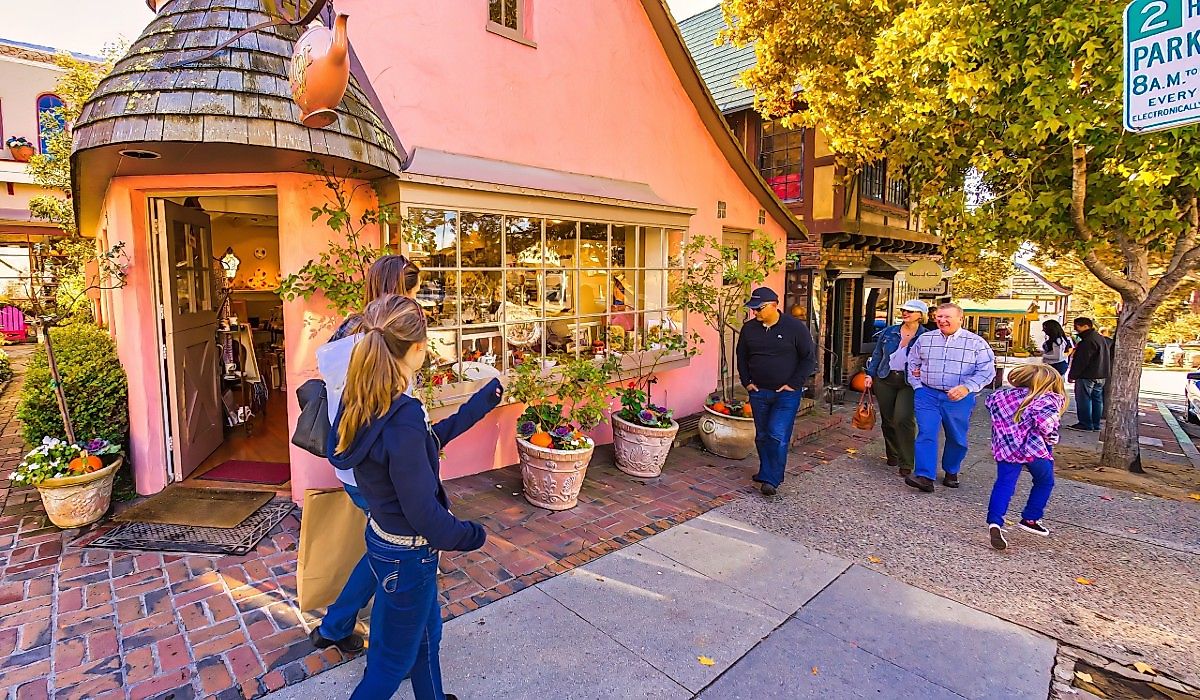
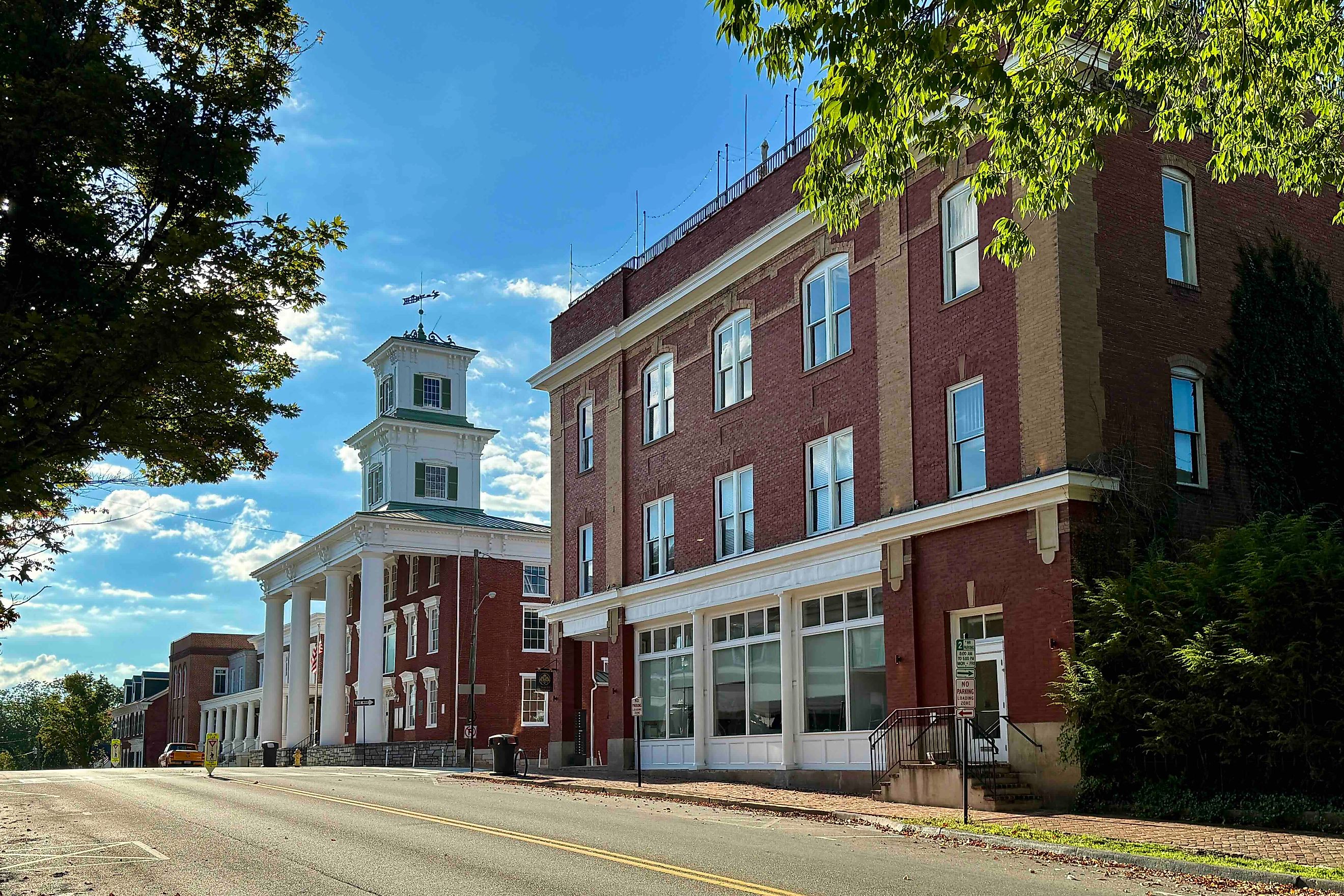
Walk the brick sidewalks of Main Street in Abingdon, Virginia, and you'll feel like you've walked onto a film set. The town's 20-block historic district is so picture-perfect that it has appeared in movies and on TV. And it has a few related tales to share, too, such as when a movie star once went door to door asking to borrow props.
It's the kind of place where culture runs deep. Book a room at the town's most elegant old hotel on Main Street, and right across the road you'll find one of Virginia's best-known professional theater companies. Add to this mix an array of buildings dating from 1779 to 1925 lining the street in both directions, and Abingdon is a place that never looks staged.
Ham For Hamlet

The Barter Theatre opened in June 1933 when Robert Porterfield brought a company of out-of-work New York performers to town during the Great Depression. His pitch was a savvy one. "Ham for Hamlet" offered admission for 35 cents, or the equivalent in food.It worked well for farmers stuck with produce they couldn't sell, and in 1946 the Barter was named the State Theatre of Virginia.
It's still a professional Equity company, with its actors paid union members, and mounts more than 25 productions a year on its two stages. The main Gilliam Stage on West Main Street seats 506 people inside a building that began as a church in 1831 and hosted its first performance in 1876.
The 167-seat Smith Theatre is across the street. Legends like Gregory Peck, Ernest Borgnine, Patricia Neal, and Ned Beatty all worked here early in their careers, and it was Peck who went knocking on doors asking residents for props.
The Hotel Across The Street

Directly opposite the Barter is The Martha Washington Inn & Spa. Known locally as The Martha, it was built in 1832 by General Francis Preston, a veteran of the War of 1812, and sold in 1858 to the trustees of Martha Washington College. A school for women for 70 years, it also doubled as a Civil War hospital for wounded Confederate and Union soldiers. It opened as a hotel in 1935, and the former living room is now the lobby.
Farther east along Main Street is The Tavern, built in 1779 and the oldest building in town. It started as a stagecoach stop on the Great Road to Kentucky, and its guest list includes Henry Clay, Andrew Jackson, Pierre Charles L'Enfant (the planner of Washington, D.C.), and Louis Philippe, later King of France.
On the third floor, charcoal bed numbers from the building's time as a Civil War hospital remain on the walls. You can still see these reminders of the bloodiest of conflicts in the building.
Roll Cameras

Abingdon's screen credits are a mix of films and TV shows. Found, a 2020 drama about a teenager raised on an isolated Appalachian homestead, was written and directed by David Alford, a Barter Theatre actor, and shot in and around Abingdon in 2019.
Before the Fall, a 2016 retelling of the classic Pride and Prejudice set in Southwest Virginia with the character of Elizabeth Bennet rewritten as a man, included Abingdon locations.
On television, the PBS travel series, Virginia Found, gave the town a full episode, covering the Barter and the Virginia Creeper Trail, a 34-mile rail-trail running from Abingdon to Whitetop Station near the North Carolina state line. The Barter itself has been the subject of a documentary. Barter Theatre: Trading Ham for Hamlet is a 58-minute PBS program that traces the company's history from 1933 and goes behind the scenes of its productions.
Abingdon also has a piece of film history on the edge of town. The Moonlite Drive-In, a 1940s-era drive-in listed on the National Register of Historic Places and name-checked in two country songs, was closed when the COVID pandemic shut the Barter in 2020. The Barter cleared the old drive-in lot, restored the electricity, then performed live plays there, simulcast on the 65-foot screen with sound piped in via car radios. Its production of The Wizard of Oz alone pulled in 6,000 patrons that summer.
Other Film-ready Sites

There's plenty of other film-ready architectural eye candy worth seeing in Abingdon. Up the hill from the Barter, the William King Museum of Art opened in 1992 in a former high school, an attractive building completed in 1913 with a pedimented portico and paired columns across its front. Next to it, the historic Sinking Spring Cemetery is the burial place of many of the town's elite.
Other Main Street attractions include the Fields-Penn 1860 House Museum at the corner of Main and Cummings streets. Now a museum, it shows how the town's upper class lived in the mid-1800s (admission is free).
A little farther along is the Washington County Courthouse, constructed in 1869 to replace one burned during the Civil War, and past that, Cave House is home to the Holston Mountain Artisans craft cooperative. The cave behind the house is where, according to local legend, wolves attacked Daniel Boone's dogs in 1760, which gave the settlement its early name of Wolf Hills.
Though a short walk from Main Street, the Arts Depot is an art studio complex housed in an antebellum freight station beside the trailhead of the Creeper Trail. And at the Abingdon Muster Grounds on the north side of town, Colonel William Campbell gathered 400 local militiamen in 1780 for the march to the Battle of Kings Mountain, a major Patriot victory during the American Revolutionary War.
Ready For Its Close-Up

Abingdon has certainly earned its filmic good looks. The Tavern has stood here since 1779, the Martha since 1832, and the Barter Theatre has staged plays on the same block since 1933, all within the town's 20-block historic district. And while nothing on Main Street was built to look old, Abingdon's brick sidewalks and well-preserved period architecture look like something straight out of the movies.