The State Parks That Get Too Crowded To Enjoy
It’s 9 a.m. on a gorgeous summer Saturday, and you're anticipating your first real day off in months. Yet here you are, puttering away precious time through the main lot at Watkins Glen State Park. It’s packed already, and the line of cars is backed up onto the main street.
This is a preview of what happens at some of the country's most-loved state parks. These places are famous for A-list gorges, glowing waterfalls, and bison herds that stop you cold. Fame plus a fixed number of parking spaces is a recipe for frustration. At one New York gorge, the gates close once the lot fills. At one South Dakota wildlife drive, the bison decide when traffic moves. Here's what to expect, and how to plan around it.
Watkins Glen State Park, New York
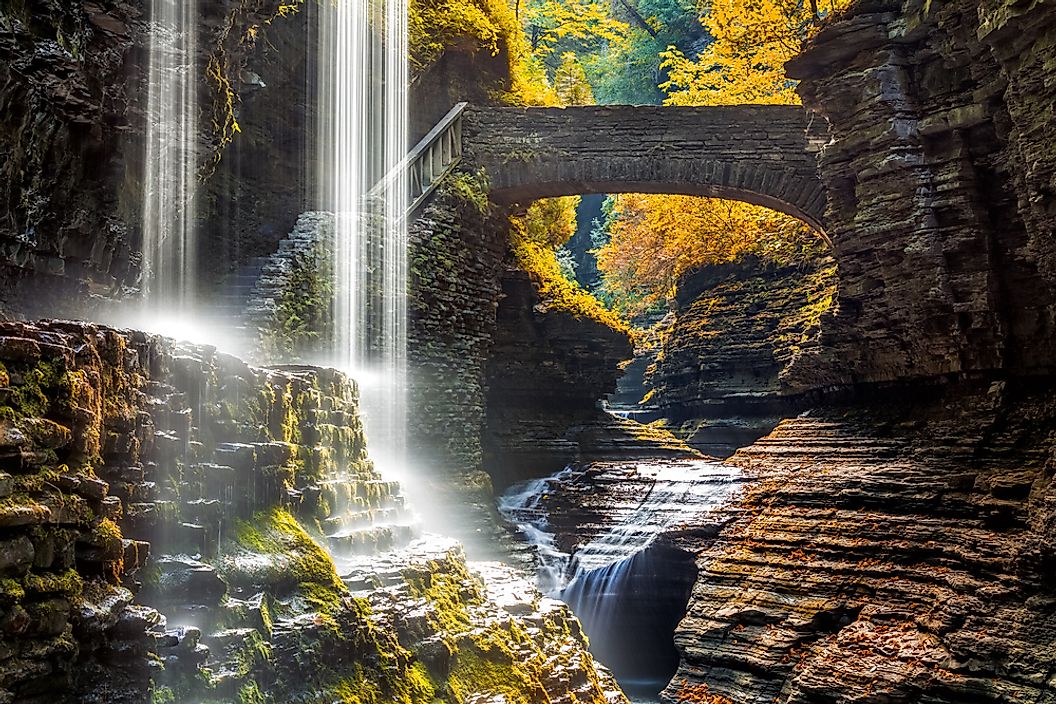
Carved into the bedrock at the southern tip of Seneca Lake, Watkins Glen State Park is a Finger Lakes go-to. It packs 19 waterfalls into a two-mile gorge, with the trail winding through stone tunnels, behind Cavern Cascade, and across the CCC-era Sentry Bridge. It's often called the most dramatic hike in the Finger Lakes, which is both paradise and problem: the park draws over a million visitors a year into a gorge that's only a few feet wide in places. On summer weekends, the main lower lot fills by mid-morning, park staff close the entrance gate, and the backup on the street can stretch several blocks back into Watkins Glen village. Pro tip: once that happens, the upper lot at the north end of the gorge is the best bet, along with free street parking a short walk from the entrance. If you can visit on a weekday morning, especially in spring before the crowds build, you'll find the gorge feels like the quiet spot it looks like in photos.
Hocking Hills State Park, Ohio

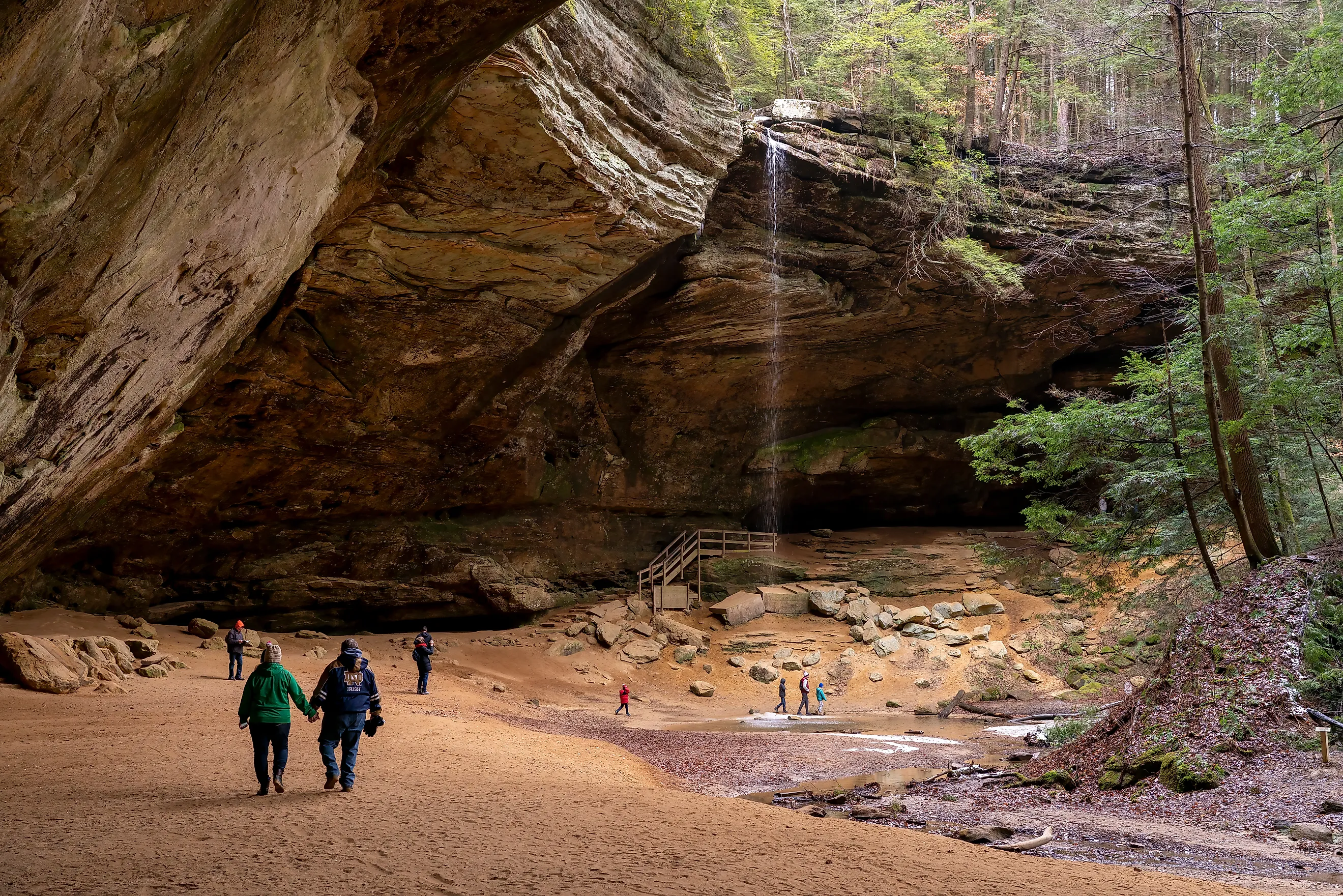
Southeastern Ohio's Hocking Hills State Park draws somewhere between 3 and 5 million visitors a year to a network of sandstone gorges, recess caves, and waterfalls carved from ancient Black Hand sandstone. Old Man's Cave, the park's signature trail, is also its bottleneck: the lot there is routinely full by mid-morning on weekends, and there's no cap on how many people can be on the trail at once. The Ohio Department of Natural Resources recognized this and points visitors toward quieter alternatives like Ash Cave and Cedar Falls when the main lot fills. For an even quieter hike, visit Cantwell Cliffs, off the popular paths. All seven of the park's hiking areas are now one-way trails, a change made for safety and to protect rare plants once crowd size made two-way foot traffic tricky on the narrower cliffside paths.
Starved Rock State Park, Illinois

Starved Rock State Park is the busiest state park in Illinois, pulling in more than 2 million visitors a year to see its 18 sandstone canyons along the Illinois River. A 2025 ranking by Condé Nast Traveler, using Google Maps direction requests, placed it among the four most-visited state parks in the country. There's no entrance fee and no reservation requirement for day use, which keeps access easy and adds to crowd size. On peak weekends, the canyons nearest the visitor center and Starved Rock Lodge fill with foot traffic from early dawn. The seasonal waterfalls at the park's edges are a welcome retreat from the crowds. Spring is the best window: rain-fed falls like St. Louis Canyon run at full force, and the wildflower bloom along the canyon floors hasn't yet drawn peak crowds.
Devil's Lake State Park, Wisconsin

Ringed by 500-foot quartzite bluffs older than almost any exposed rock on Earth, Devil's Lake State Park near Baraboo is Wisconsin's most-visited park, with visitation running between roughly 2.3 and 3 million people each year. Both the north and south shore lots routinely hit capacity before 9 a.m. on summer weekends, at which point the Wisconsin DNR pauses entry until space opens up. The department's own advice is blunt: visit on a weekday if at all possible, and if a weekend trip is unavoidable, arrive at opening or wait for late afternoon. Access points like the Steinke Basin and Roznos Meadow lots, on the park's quieter sections, are a good fallback when the main shoreline areas are full.
Custer State Park, South Dakota

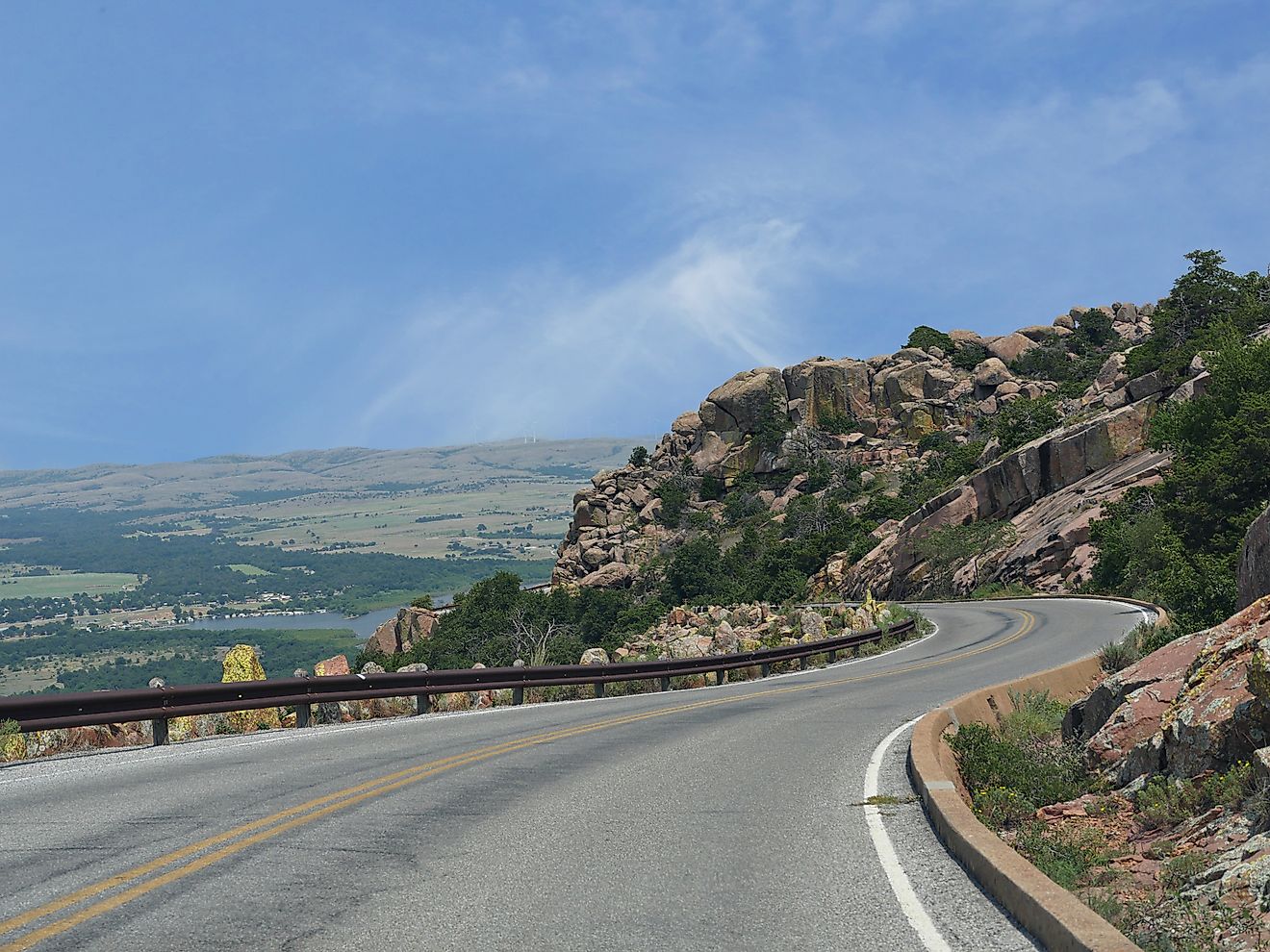
Crowding at Custer State Park doesn't happen at a parking lot. It happens on the road. The park's 18-mile Wildlife Loop Road is home to around 1,300 to 1,400 free-roaming bison, and when the herd crosses, traffic stops for as long as the animals stay put. A bison jam that eats an hour of driving time isn't a rare event here; it's built into how most visitors plan their day. The nearby Needles Highway, with its narrow granite tunnels and the rock formation known as the Needle's Eye, adds its own bottlenecks in peak summer, when slow-moving sightseers and RVs share a road that was never built for volume. The upside of the gridlock is that it's the wildlife show working exactly as intended: this is one of the few places in the country where bison numbers rival Yellowstone's, without the national-park crowds.
Ohiopyle State Park, Pennsylvania

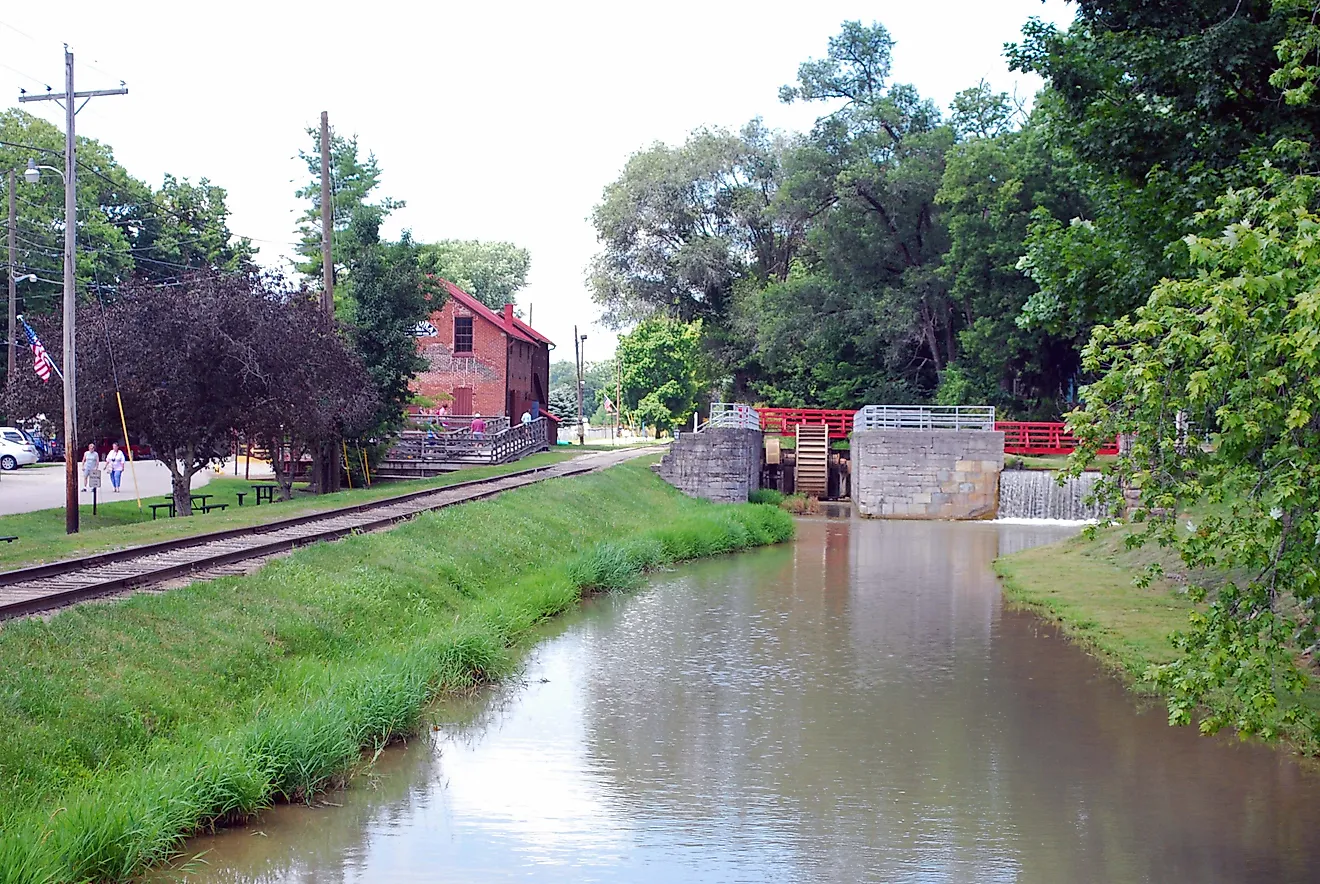
Pennsylvania's Department of Conservation and Natural Resources has issued formal overcrowding alerts for Ohiopyle State Park on multiple summer holiday weekends, warning would-be visitors that gates and overflow lots may close. Ohiopyle doesn't have an actual entrance gate at all, so when the lots near the visitor center and Ohiopyle Falls fill up, there's no way to stop more cars from arriving. Some drivers have taken to parking on the grassy islands near the visitor center, compacting the roots of century-old silver maples in the process. The park's popularity comes from a rare combination: whitewater rafting on the Youghiogheny River, a walkable waterfall right off Main Street, and access to the Great Allegheny Passage bike trail. It pulls crowds from the Pittsburgh metro less than 90 minutes away. Quieter corners like Cucumber Falls and the Ferncliff Peninsula Natural Area trails offer an escape, though even those have shown wear from visitors forging unofficial paths in peak season.
Emerald Bay State Park, California

The view of Emerald Bay from the Highway 89 overlook is one of the most photographed scenes at Lake Tahoe. That fame comes at a cost: the small Vikingsholm parking lot below the highway regularly fills by 9 a.m. in summer, along with the separate lot at the Eagle Falls trailhead. Both lead to the park's best-known feature, a one-mile trail that drops roughly 500 feet to the 1929 Scandinavian-style mansion Vikingsholm. California State Parks and regional tourism boards now point visitors toward the seasonal Emerald Bay Shuttle, which runs from Sugar Pine Point State Park to the Vikingsholm lot, as the more reliable way to visit the mansion in July and August. Make plans to go midweek, or in the shoulder seasons of late spring and early fall, for the simplest way to actually get a parking spot.
Silver Falls State Park, Oregon

Oregon's largest state park is built almost entirely around one hike: the 7.2-mile Trail of Ten Falls, which loops past, you guessed it, ten waterfalls. Better still, four of them have trails that pass directly behind the falling water. It's routinely ranked among the best waterfall hikes in the country, and that reputation has made the main South Falls lot a predictable bottleneck. The lot is known to fill completely by early afternoon on weekends throughout the warmer months. Hikers in the know head to the North Falls trailhead a few miles down the road, which reaches the same loop trail from the opposite end. Sunrise starts are the standard advice from regular visitors and Oregon State Parks alike, both to beat the crowds and to catch the falls, especially the walk-behind curtain at South Falls, before the light and the foot traffic pick up.
Plan Around The Crowds, Not Through Them
The crowding at these eight parks is proof of how good they are, not a reason to skip them. What it does mean is that a spontaneous midday arrival on a summer Saturday is the worst way to experience any of them. The pattern repeats across the list: weekday mornings beat weekend afternoons, shoulder seasons beat peak summer, and a quieter second trailhead is almost always sitting half-empty a few miles from the packed one. Build a visit around those patterns, and the same parks that turn cars away by 9 a.m. can still deliver the quiet the photos promise.