The State Parks With The Most Pygmy Rattlesnakes
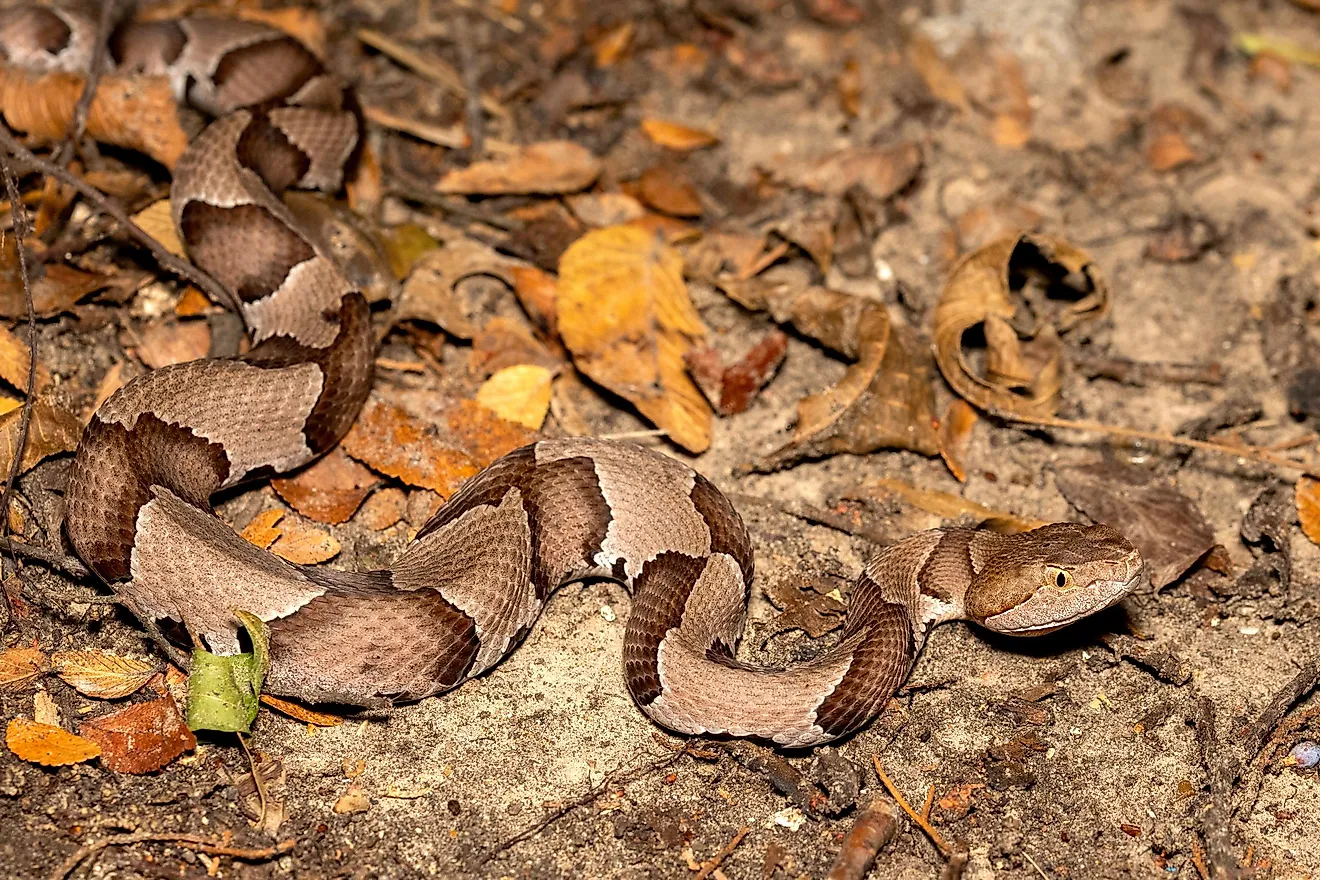
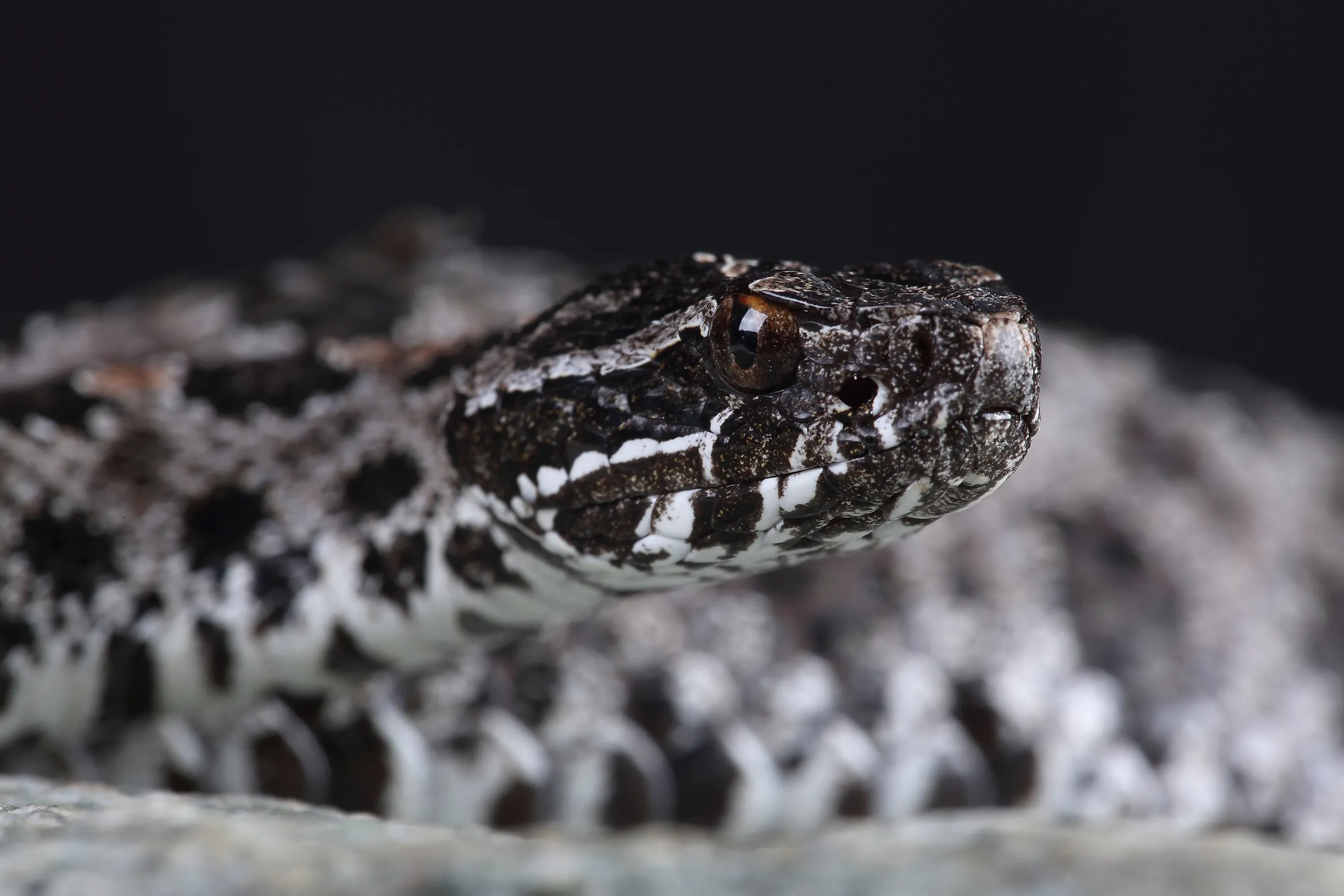
Pygmy rattlesnakes are among the smallest venomous snakes in the United States, typically measuring 1 to 2 feet long at most. Found primarily in the Southeast, they inhabit pine forests, wetlands, coastal plains, and areas with ample ground vegetation to hide and hunt in, with three subspecies occurring in the country. These are the dusky pygmy rattlesnake, the Carolina pygmy rattlesnake, and the western pygmy rattlesnake. Although their populations are difficult to measure accurately, several state parks manage habitats that they call home. Florida has a particularly broad distribution, while populations have also been recorded in parts of Texas, Alabama, Georgia, and the Carolinas throughout their natural range.
Paynes Prairie Preserve State Park, Florida

Pygmy rattlesnakes are most abundant in Florida, and Paynes Prairie Preserve State Park protects some vital ecosystems within their natural range. Situated south of Gainesville, the park encompasses approximately 23,000 acres of freshwater marshes, wet prairies, hardwood forests, and pine flatwoods.

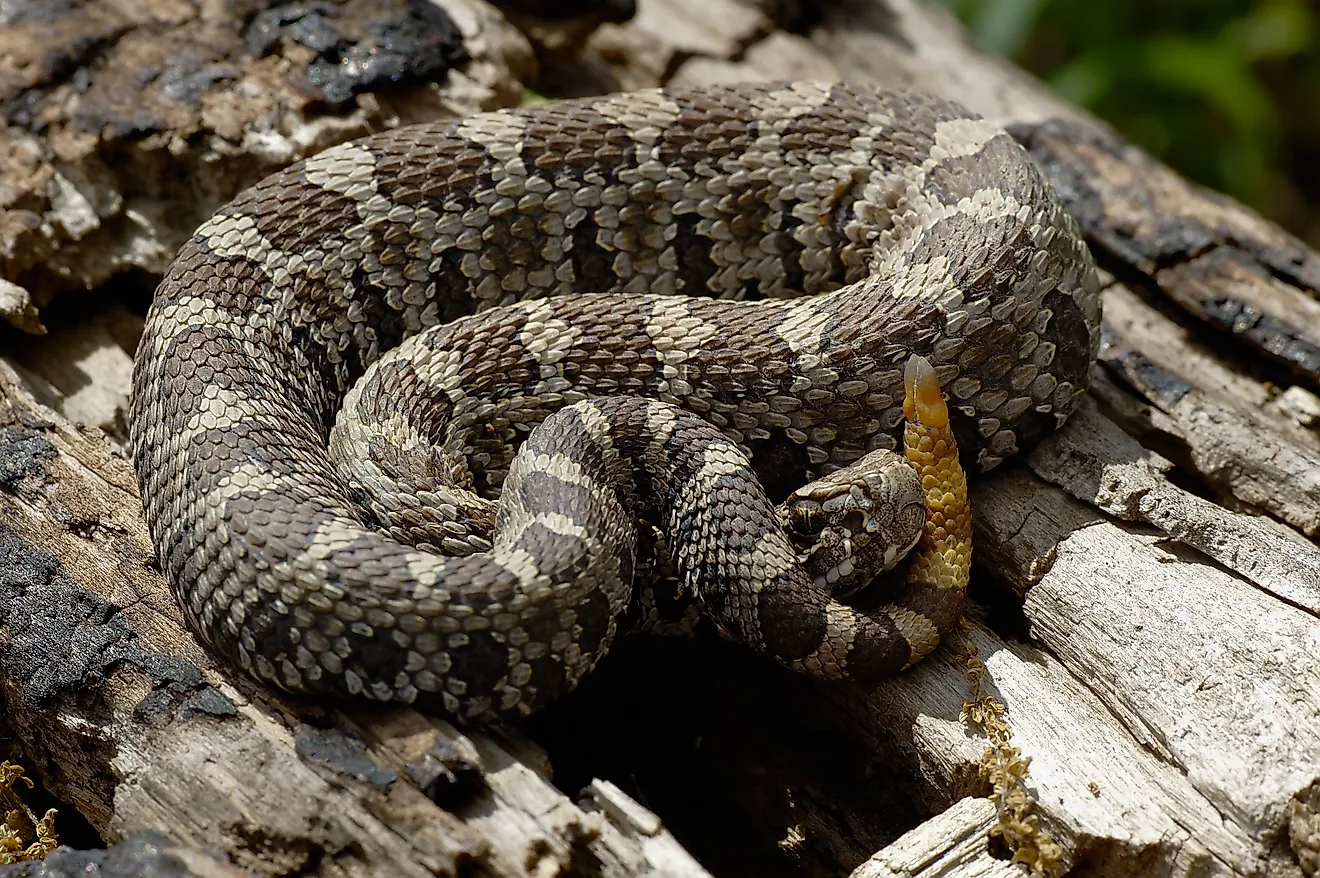
These small venomous reptiles typically measure 14 to 22 inches (36 to 56 cm) in length and feed locally on frogs, lizards, insects, and small rodents. Their distinctive markings include dark blotches and a reddish stripe along the back. Other native reptiles here include Florida cottonmouths, eastern diamondback rattlesnakes, and American alligators.
This greenspace actually became Florida's first state preserve in 1971, supporting populations of American bison and free-roaming horses to add to its immense biodiversity. You can learn about its unique ecosystems at the visitor center. Also keep in mind that park regulations prohibit disturbing, capturing, or removing endemic wildlife from protected areas.
Myakka River State Park, Florida

Watching over around 37,000 acres outside of Sarasota, Myakka River State Park protects another extensive section of Florida's subtropical wilderness. Dusky pygmy rattlesnakes are among the native reptiles found within the region, alongside eastern diamondback rattlesnakes, eastern coral snakes, and numerous nonvenomous species. Unlike larger rattlesnakes here, pygmy rattlesnakes possess a remarkably small rattle that produces a faint buzzing sound. Regardless, they are one of many predators that contribute to the park's complex food web, helping regulate populations of smaller animals.

Myakka River State Park was developed by the Civilian Conservation Corps during the 1930s and officially opened in 1941, and its lively environments now include extensive swathes of dry prairies, seasonal wetlands, and floodplain forests. The park is also recognized for its abundant birdlife, including roseate spoonbills, wood storks, and sandhill cranes. All visitors should maintain a safe distance from all wildlife, whether on the ground or up in the air.
Hunting Island State Park, South Carolina

Hunting Island State Park occupies a barrier island along the South Carolina coast, approximately 15 miles (24 km) east of Beaufort. It encompasses 5,000 acres of maritime forests, salt marshes, tidal creeks, and sandy beaches, and also boasts a historic lighthouse dating to 1875.

Pygmy rattlesnakes are native to the coastal plains of the Carolinas, where they form part of a diverse reptile community just like they do further down the coast in Florida. As mentioned, the species is generally less than 2 feet long, making it considerably smaller than the timber rattlesnakes also found in the state. Pygmy rattlesnakes also notably give birth to live young rather than laying eggs, a reproductive characteristic shared by most North American rattlesnakes.
The island's protected natural environments support numerous coastal bird species, too, including brown pelicans, ospreys, and great blue herons.
Gulf State Park, Alabama

Gulf State Park manages 6,150 acres of coastal environments between Gulf Shores and Orange Beach. The pygmy rattlesnake is among Alabama's six native venomous snake species, with their geographical distribution extending across this parkland no less.

As with the other state parks they inhabit, the species helps maintain ecological balance here by consuming a mix of small vertebrates and invertebrates, while larger snakes and birds of prey are among their own natural predators. With that, this area of Alabama hosts populations of timber rattlesnakes, copperheads, cottonmouths, eastern diamondbacks, and eastern coral snakes. Gulf State Park also contains three freshwater lakes, including Lake Shelby, Middle Lake, and Little Lake. As you could imagine, these diverse ecosystems support numerous other amphibians, turtles, migratory birds, and mammals.
The park's Nature Center features educational exhibits covering local coastal ecology, endemic reptiles (of course, including pygmy rattlesnakes), general environmental conservation, and the importance of protecting wildlife within increasingly developed Deep South communities.
Brazos Bend State Park, Texas

A short drive southwest of Houston, Brazos Bend State Park protects nearly 5,000 acres of wetlands and coastal prairie. Western pygmy rattlesnakes are included in the park's robust reptile records, although their secretive behavior makes sightings a bit less common than, say, its notable alligator population.

This subspecies inhabits much of eastern Texas, favoring its wooded environments with sufficient ground cover. You can carefully explore in and around 37 miles (60 km) of trails here, including routes through the hardwood forests and marshes that rattlers find preferable.
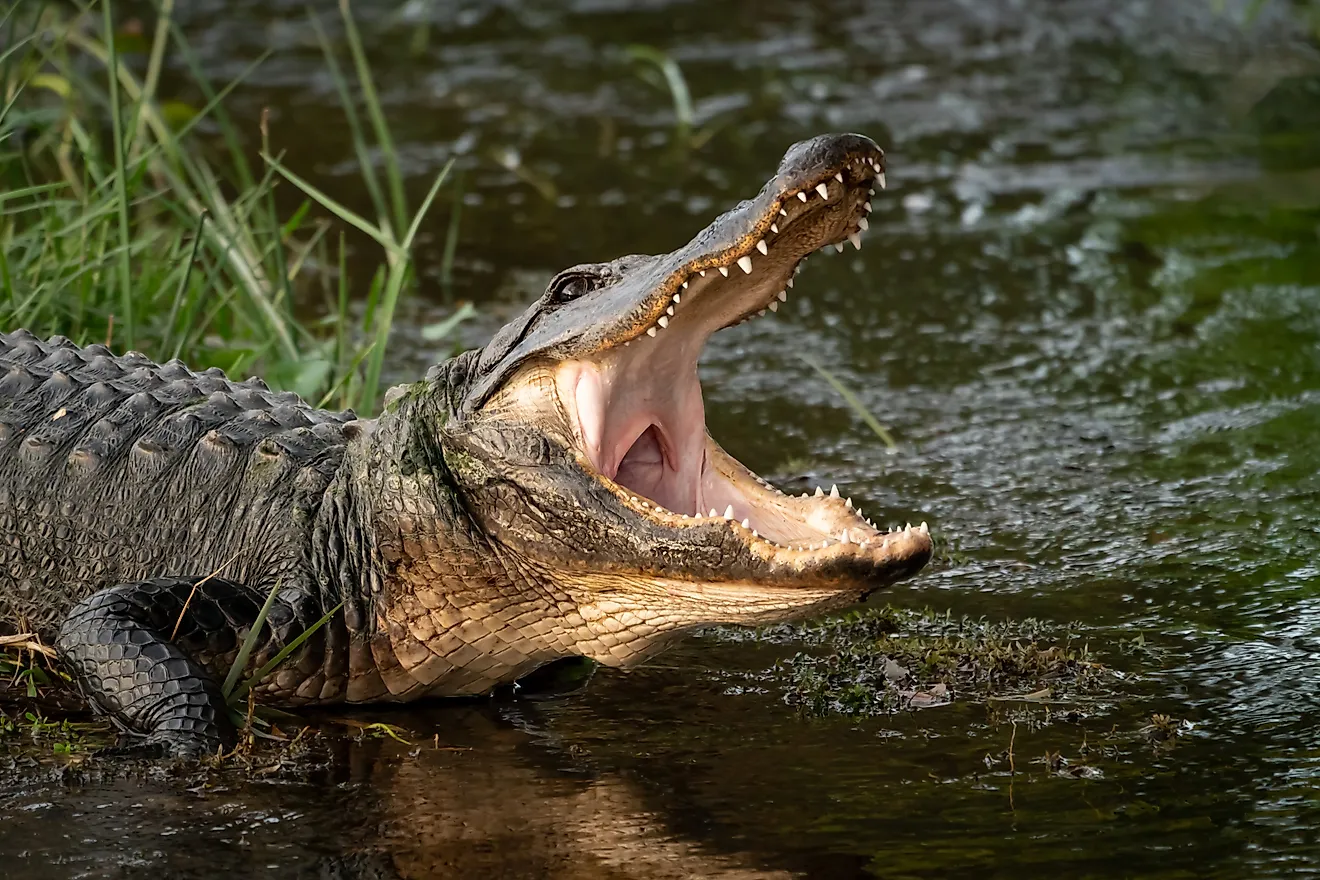
But as said, Brazos Bend is better known for its substantial number of American alligators, particularly around Elm Lake and 40 Acre Lake. Also keep an eye out for the park's numerous turtles, water snakes, and wading birds, while after sundown, the George Observatory offers public astronomy programs on selected evenings.
Skidaway Island State Park, Georgia

Just southeast of Savannah, Skidaway Island State Park protects 588 acres of maritime woods and wetlands. Pygmy rattlesnakes have frequently been reported on the island, where palmetto thickets and forest vegetation offer suitable shelter. Besides its abundant diamondback rattlesnakes, this part of Georgia's coast supports the dusky pygmy rattlesnake in particular, which remains active during warmer periods of the year.

The park's system of foot trails includes the Sandpiper Trail Loop, crossing the tidal creeks and salt flats where resident snakes are most likely to be spotted, as well as the longer Big Ferry Trail. The surrounding marshes house other unique wildlife, too, like fiddler crabs and countless wading birds. Here, you can also check out its historic Civil War-era earthworks and shell middens left by even earlier human inhabitants.
Explore these Pygmy Rattlesnake Hotbeds Respectfully
The pygmy rattlesnake is often easily overlooked because of its small size and tendency to remain concealed in environments that feature many other remarkable snakes and reptiles alongside them. Regardless, the above-mentioned state parks help protect their habitats from development, particularly in the coastal plains near the Gulf of Mexico (Gulf of America).
Visitors exploring these beautiful destinations should watch where they step, stay on established trails, and avoid disturbing any kind of wildlife, as negative encounters can best be avoided by giving animals sufficient space.