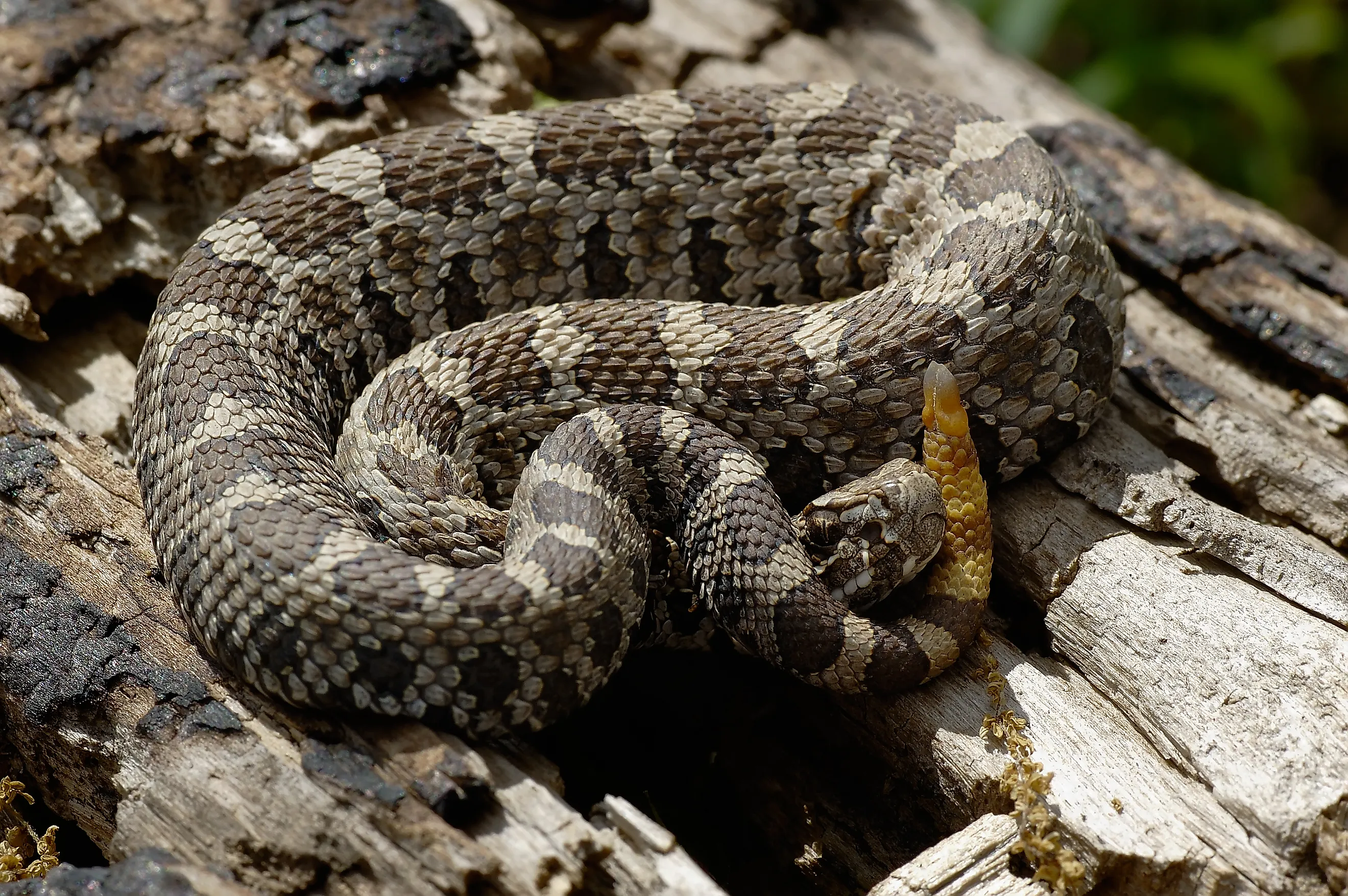
Where Scorpions And Rattlesnakes Overlap
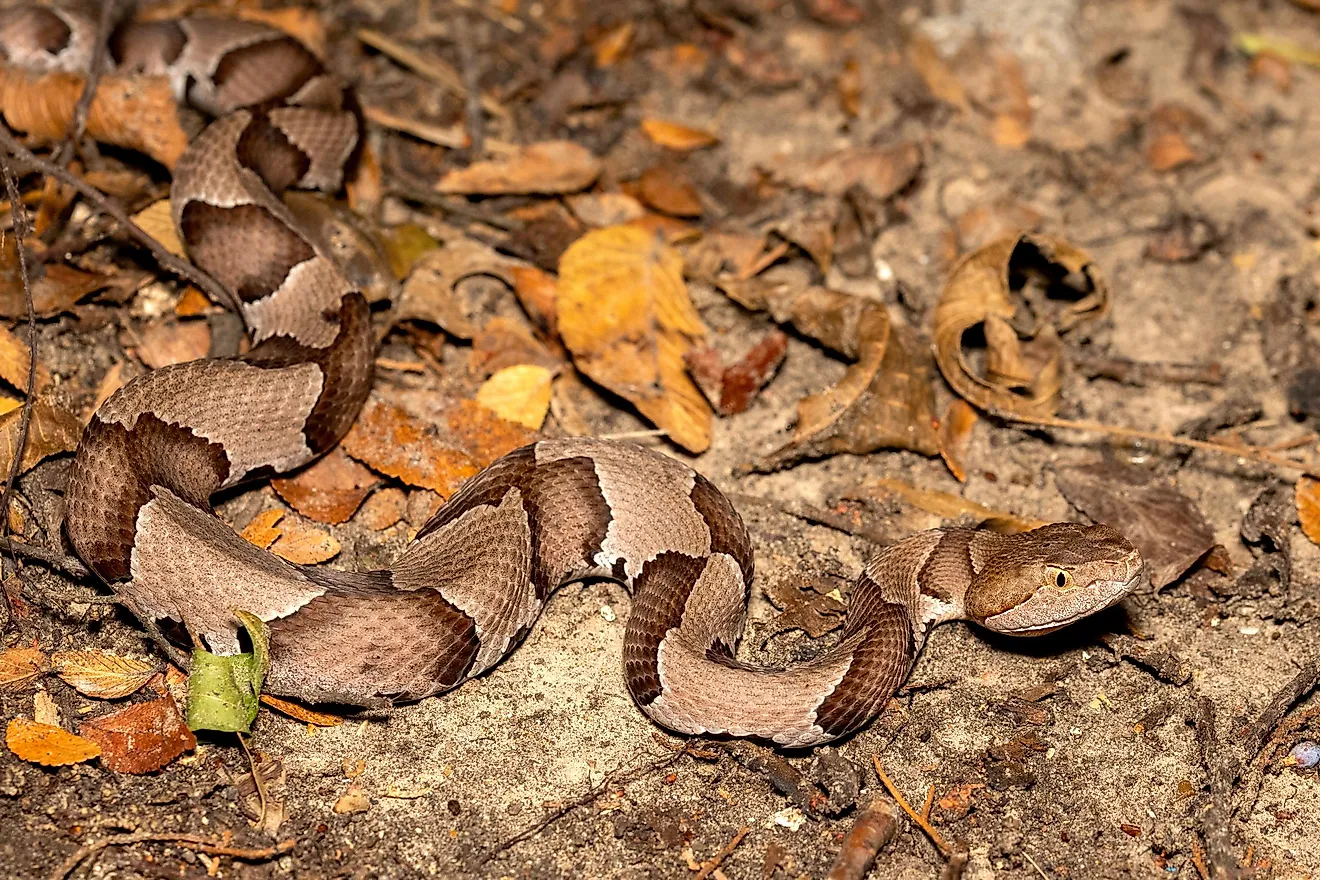
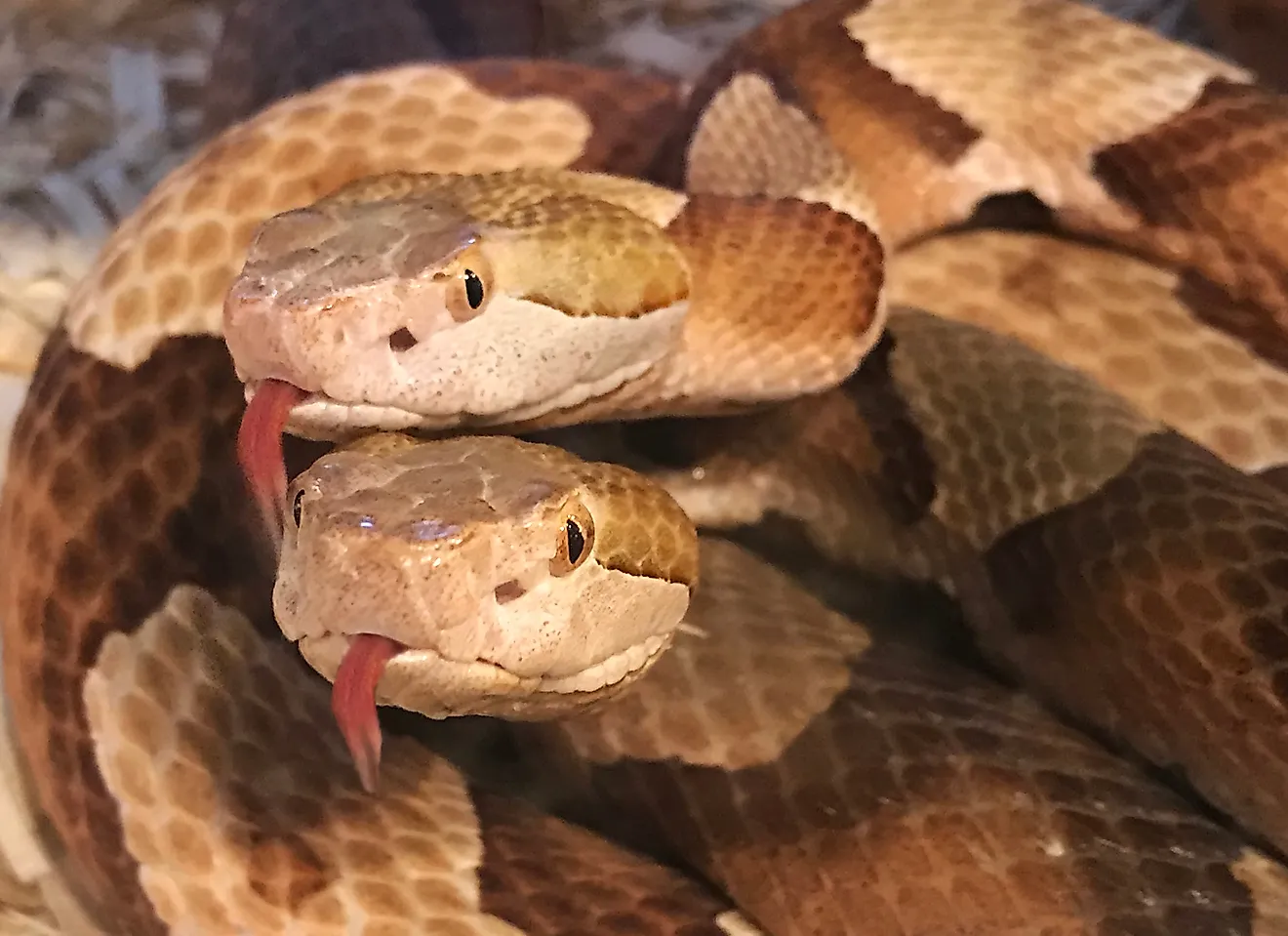
About 20 species of rattlesnakes and more than 100 species of scorpions live in the United States, and more than 50 of those scorpions are found in the desert Southwest. One is a vertebrate reptile and the other an eight-legged arachnid, two lineages that split more than half a billion years ago. In the dry parks between the Rio Grande and the mountains of Southern California, they still end up on the same patch of ground. A hiker can step around a rattlesnake on a canyon trail in the afternoon and, after dark, find scorpions glowing under an ultraviolet flashlight. Park records in Texas, Arizona, and California show which rattlesnakes keep to which slopes, and where the scorpions hide.
Big Bend National Park, Texas

The overlap starts on the Texas border, where Big Bend National Park protects a broad sweep of the Chihuahuan Desert between the Rio Grande and the Chisos Mountains. The park climbs from 1,850 feet (564 meters) at Rio Grande Village to 7,832 feet (2,387 meters) on Emory Peak, and its four rattlesnakes divide that climb between them. Western diamondbacks (Crotalus atrox) range from the river floodplain up to about 4,500 feet (1,372 meters) in the Chisos foothills, while Mojave rattlesnakes (Crotalus scutulatus scutulatus) stay below about 4,000 feet (1,219 meters). Black-tailed rattlesnakes (Crotalus molossus molossus) live in both the mountains and the desert. The mottled rock rattlesnake (Crotalus lepidus lepidus) comes in two color phases: a grayish one in the low desert, where white and gray limestone predominates, and a maroon one in the Chisos, where the rocks are reddish brown.
Big Bend's scorpions are just as varied. About 14 species have been reported from the Big Bend region, the most of any part of Texas. Snakes may be more active after summer rains, and park staff tell campers to check bedding, clothing, and shoes left out overnight and never to walk in the dark without a flashlight.
Saguaro National Park, Arizona

Farther west, the Sonoran Desert surrounds Tucson, Arizona. Saguaro National Park protects two districts on either side of the city, and six rattlesnakes live inside them: the western diamondback, black-tailed, tiger, Mojave, and Arizona black rattlesnakes, along with the sidewinder. Rattlesnakes turn up at every elevation, from 2,180 feet (664 meters) in the Tucson Mountain District to 8,666 feet (2,641 meters) in the Rincon Mountains, where six biotic communities stack up from desert scrub and desert grassland through oak woodland, pine-oak woodland, and pine forest to mixed conifer forest at the top. The Arizona black rattlesnake (Crotalus cerberus) prefers the upper part of that range, above about 4,500 feet (1,372 meters). The Rincons are the southernmost place it lives, and it is the least commonly seen rattlesnake in the park.
The scorpions of the Tucson Mountains, home to the park's western district, have been tracked closely. Over three years ending in 2019, herpetologist Lawrence Jones logged some 13,000 records of the habitats and microhabitats used by six scorpion species there and in neighboring Avra Valley. Park staff advise staying at least 10 feet from any rattlesnake and never putting hands or feet where you cannot see.
Grand Canyon, Arizona

In northern Arizona, the Grand Canyon runs 278 river miles (447 kilometers), and its rattlesnakes stay close to water. Nine rattlesnake species live in the general vicinity of the canyon, and five of them live inside Grand Canyon National Park. One, the Grand Canyon rattlesnake (Crotalus oreganus abyssus), lives nowhere else on Earth and is often described as pink. Rattlesnakes occasionally appear on the rims, but most sightings come from inside the canyon, beside springs, streams, and the Colorado River. The bark scorpion (Centruroides sculpturatus), the most venomous scorpion in North America, prefers the same streamside habitat and is the scorpion most often seen in the canyon. It turns up on the rims too, though it is found most often below them.
Joshua Tree National Park, California
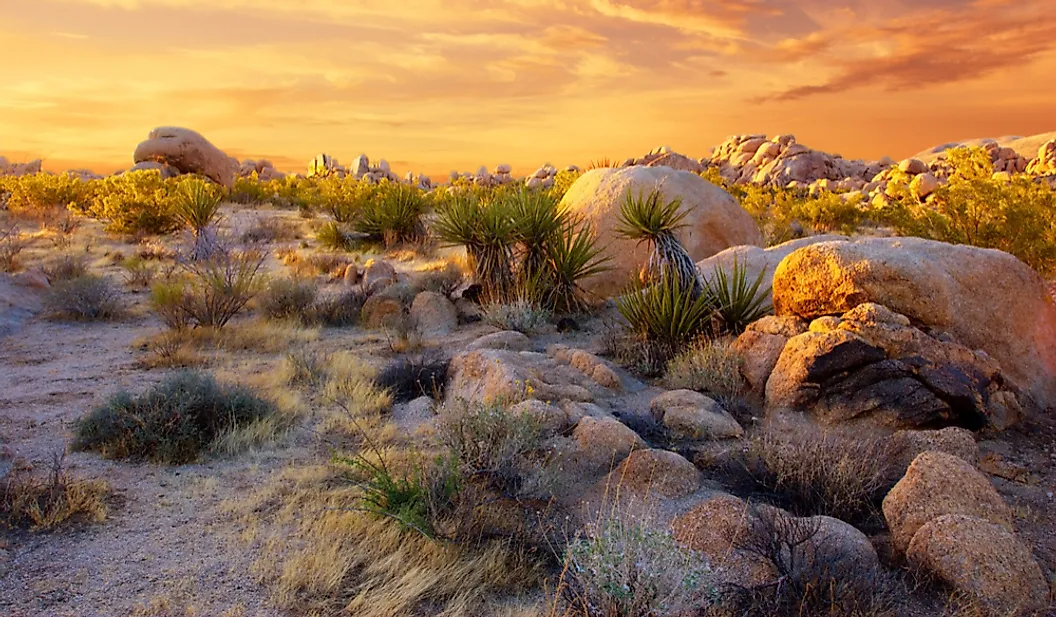
In Southern California, the Mojave Desert and the Colorado Desert meet inside Joshua Tree National Park. Six mountain ranges raise the park from 536 feet (163 meters) to 5,814 feet (1,773 meters) at the summit of Quail Mountain, and its seven kinds of rattlesnake sort themselves by terrain.
Red diamond rattlesnakes keep to brush-covered granite boulders and cactus patches in the western section, and southern Pacific rattlesnakes live in the pinyon-juniper woodland of the northwest. Western diamondbacks favor thicker vegetation in the south, and speckled rattlesnakes use rocky slopes, canyons, and outcrops. Mojave rattlesnakes are limited to the desert flats on the park's northwestern edge, while the Colorado Desert sidewinder (Crotalus cerastes laterorepens) uses sandy, south-facing canyons in the southwest.
The giant hairy scorpion is common in the park's sandy areas, including Pinyon Well, Covington Flat, Pleasant Valley, Fried Liver Wash, and Twin Tanks, though it hunts at night and is seldom encountered. Its young are born live and ride on their mother's back for 10 to 15 days. The park compares its sting to a wasp's.
Anza-Borrego Desert State Park, California

Farther south, Anza-Borrego Desert State Park is the largest state park in California, at more than 600,000 acres. It runs from playas only about 15 feet above sea level on its eastern side to 6,193 feet (1,888 meters) on Combs Peak, its highest point, on the crest of the Peninsular Ranges. Between them lie badlands, palm canyons, sand dunes, and narrow passages such as The Slot in the Borrego Badlands. Four rattlesnakes live here: the sidewinder, the speckled rattlesnake, the southern Pacific rattlesnake, and the red diamond rattlesnake. The sidewinder keeps to sandy flats and dunes.
The park's scorpions carry local names. The Borrego sand scorpion (Paruroctonus borregoensis) is named for the area, and Hadrurus anzaborrego, a giant hairy scorpion described in 2011, was named from a type specimen collected around the park. Near Borrego Springs it shares the ground with the Arizona giant hairy scorpion (Hadrurus arizonensis), the largest scorpion in the United States at up to 6 inches (15 centimeters) long. The newer species takes the coarser sand and rockier sites.
Slithering Snakes, Scuttling Scorpions

In all five parks, the terrain decides where each animal turns up. Big Bend's rattlesnakes split by elevation, from the Rio Grande floodplain to the reddish-brown rock of the Chisos. The Grand Canyon's gather by water, along the same springs and streams where the bark scorpion is most common. In Anza-Borrego, two giant hairy scorpions divide the sandy ground, and the species named for the park takes the rockier sites. For hikers, the overlap comes down to habits the parks already teach, such as shaking out shoes left outside overnight and carrying a flashlight after dark. Of the more than 100 scorpion species in the country, the bark scorpion is the only one of medical concern, and in the Grand Canyon it is also the one visitors see most.