Why Rattlesnakes Den In Prairie Dog Towns
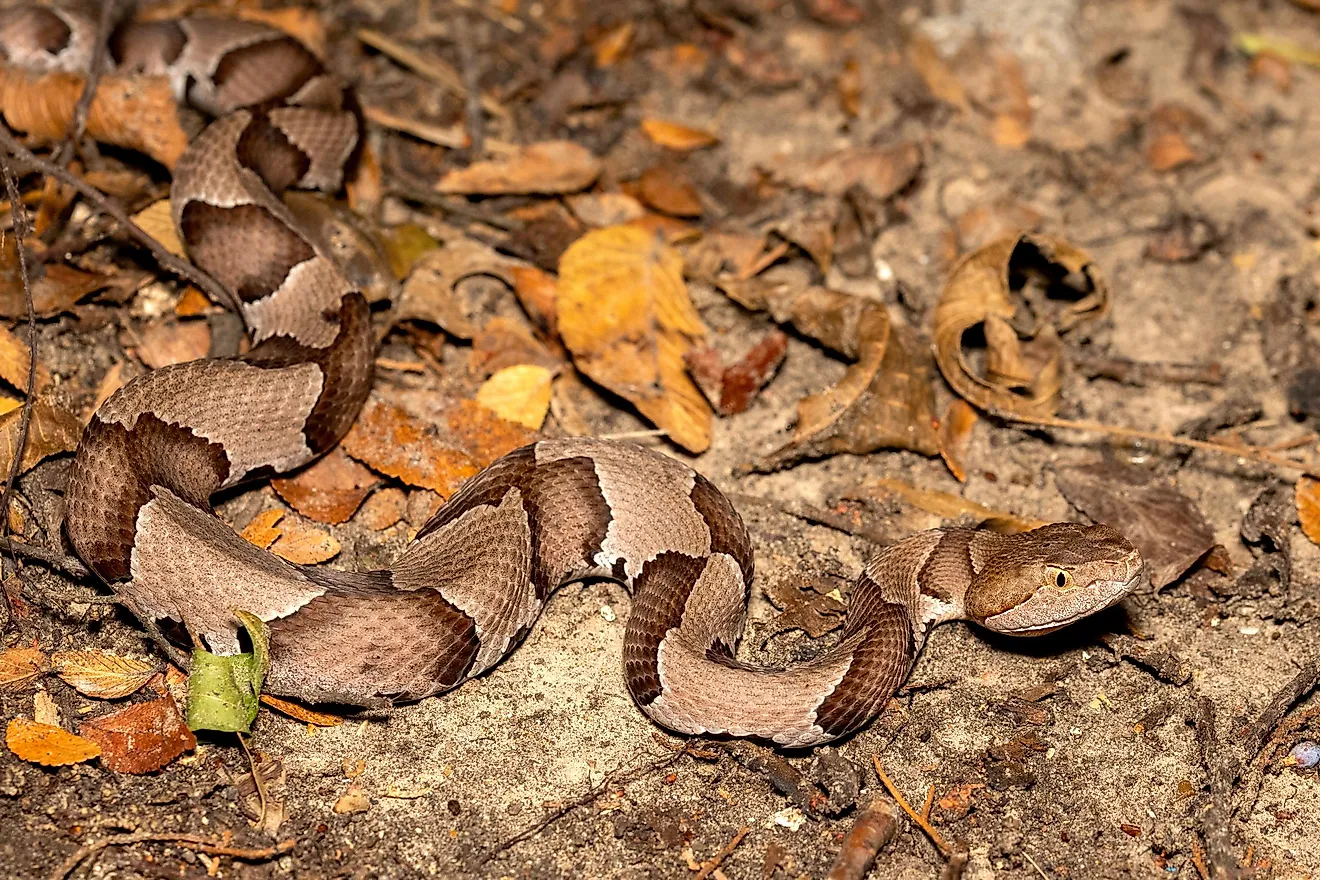
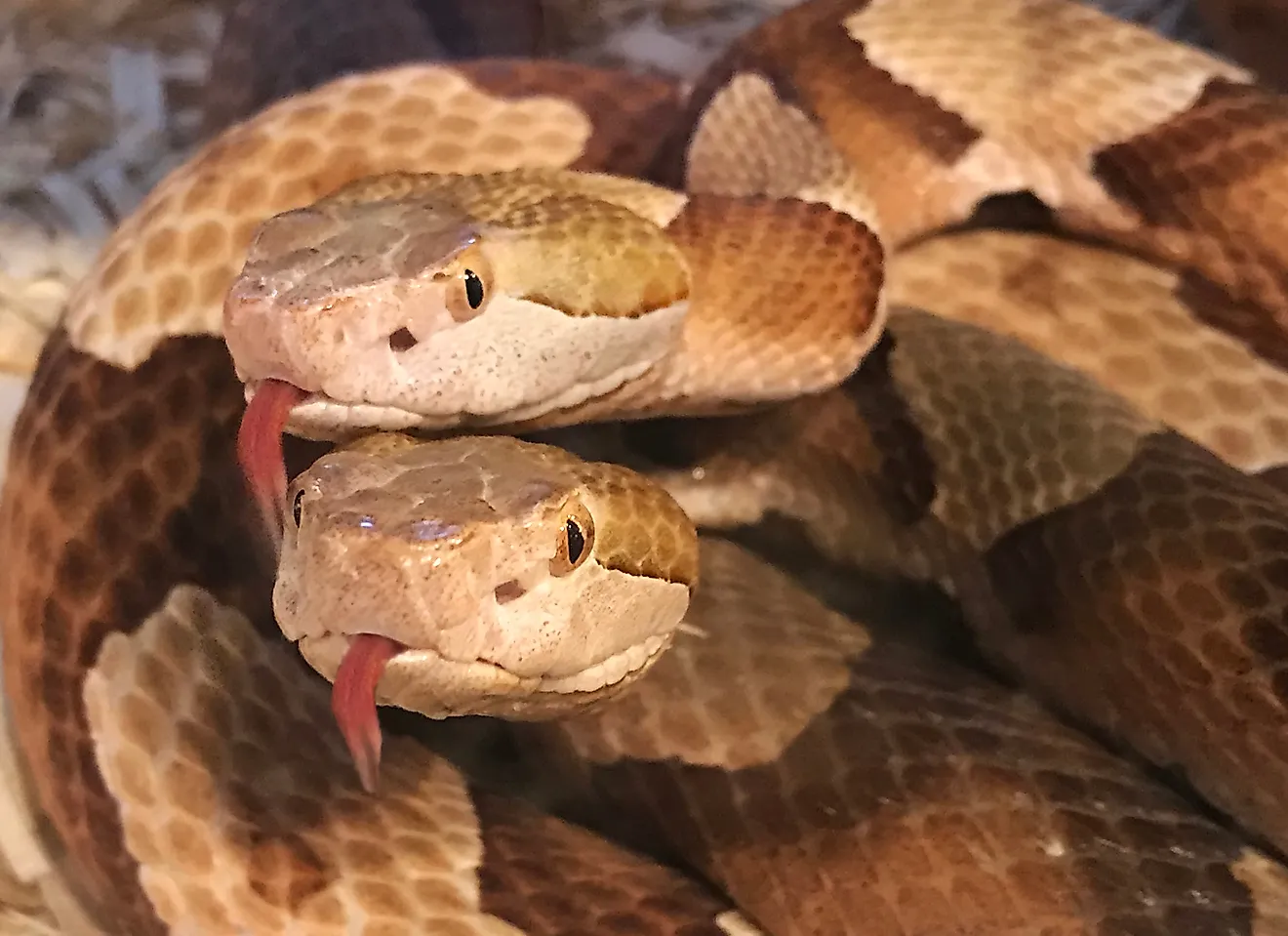
A radio-telemetry study of prairie rattlesnakes in Colorado found something the researchers flagged as running counter to what is usually reported for the species. The snakes chose prairie dog burrows for winter dens even though the study area held far more acreage of rocky habitat than prairie dog colony. Of the dens located, only four were in rock outcrops and all the rest were in burrows. That is not snakes taking what is available. It is snakes preferring a hole somebody else dug.
Snakes Cannot Dig And Prairie Dogs Can

The entire relationship starts with a capability one animal has and the other does not.
A rattlesnake cannot excavate. It needs a pre-existing passage reaching below the frost line, and on open shortgrass prairie there are no cliffs, no talus and very little rock to provide one.
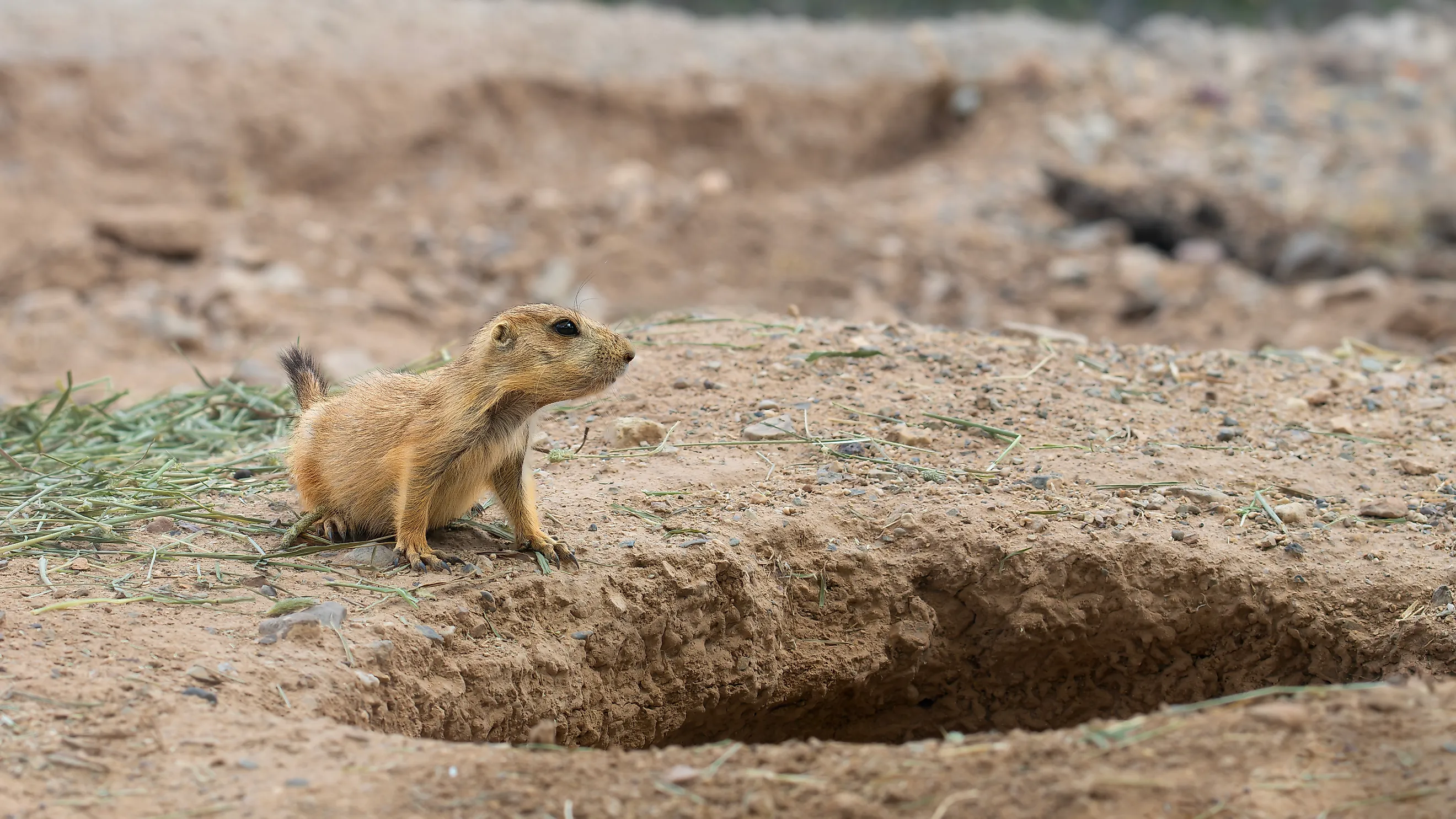
Prairie dogs produce exactly that, at scale. USDA figures put burrow systems at 3 to 6 feet deep extending about 15 feet underground, with 20 to 50 entrances per acre.
The Burrows Go Below The Frost Line
Depth is the specific quality that makes them suitable, and it is not marginal.
The Colorado study notes that black-tailed prairie dog burrows typically extend far below the maximum winter frost line. The National Park Service records rattlesnakes taking up residence in prairie dog burrows for the winter when they enter brumation.
On a landscape where the ground can freeze several feet down, a tunnel that reliably clears that depth is the difference between wintering and not.
Rock Dens Need Sun. Burrows Do Not.

The study turned up a distinction between the two den types that explains the preference.
Researchers found a dichotomy in insolation dependence, with dens in rocky areas dependent on sun exposure and dens in prairie dog burrows not. A rock den has to face the right way. A burrow does not care.
That removes the aspect requirement entirely. Any burrow of sufficient depth works, which multiplies the available sites enormously.
Thirty Percent Of Observations

The telemetry data quantified how much of these snakes' lives happen around prairie dog colonies.
Across all observations, 30.2 percent were associated with prairie dog burrows, either at the mouth or down inside. Rocky areas accounted for 16.1 percent.
Nearly twice as much time around burrows as around rock, in a landscape containing far more rock. The preference shows up in the day-to-day record as well as in the den choice.
They Are Not Roommates

The folklore around this arrangement needs correcting, and conservation organizations do so bluntly.
The Nature Conservancy describes stories of prairie rattlesnakes harmoniously sharing burrows with prairie dogs and burrowing owls as apocryphal, noting that the snakes eat both owl and prairie dog young.
Snakes typically occupy tunnels after the original residents have gone, whether they left or were eaten. The association is tenancy following predation, not cohabitation.
Both Active And Abandoned Burrows Get Used

The distinction between occupied and empty colonies matters less than you would expect.
The Colorado study recorded dens in both old and active prairie dog burrows, with the majority across both categories. A colony does not have to fail for snakes to move in.
A town with 20 to 50 entrances per acre has far more tunnel than its residents occupy at any moment, which leaves a great deal of unused space below ground.
One Hundred And Fifty Other Species Agree

Rattlesnakes are one entry on a very long list of animals exploiting the same engineering.
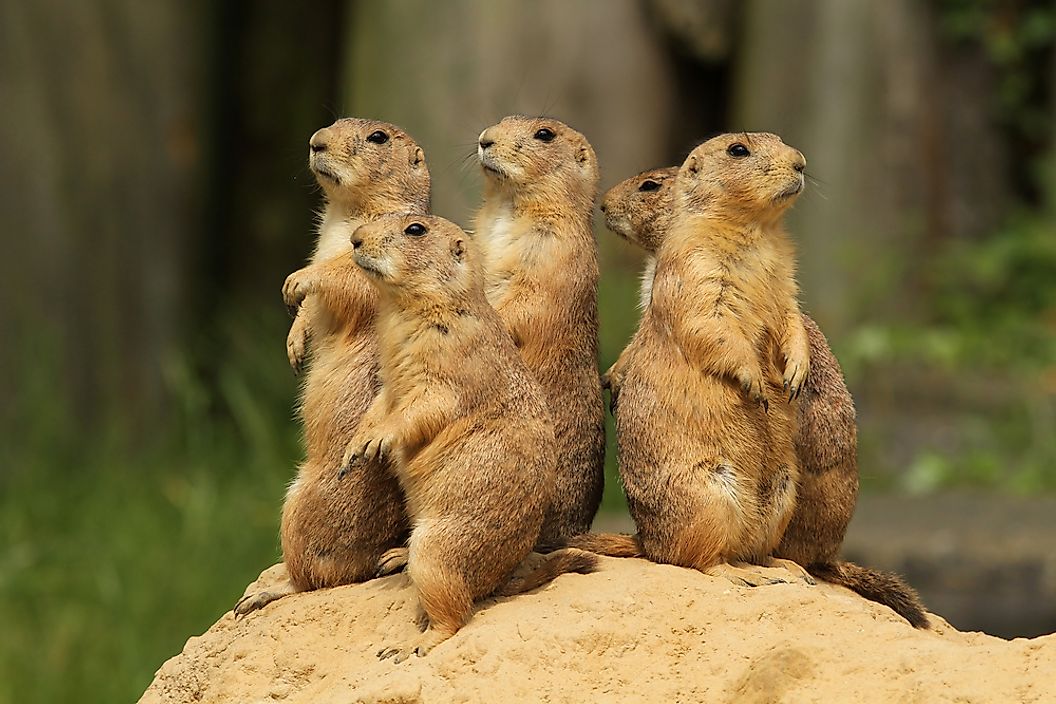
More than 150 species have been documented using prairie dog burrows for nesting, denning, protection from predators or escape from extreme weather. The list runs through cottontails, salamanders, spadefoot toads, black widow spiders, deer mice and burrowing owls.
This is why prairie dogs are classed as a keystone species. Remove them from a grassland and the housing stock for everything else goes with them.
Births Happen There Too

The burrows serve more than one function in the annual cycle.
The Colorado study documented a female prairie rattlesnake giving birth to at least three neonates at a den site. Prairie rattlesnakes bear live young between August and October, with litters ranging from around five to twenty-five depending on the female's size.
So a burrow can be an overwintering site, a birthing site and a hunting ground within one year.
The Food Is On The Doorstep
Shelter would be reason enough. The colony supplies a second one.
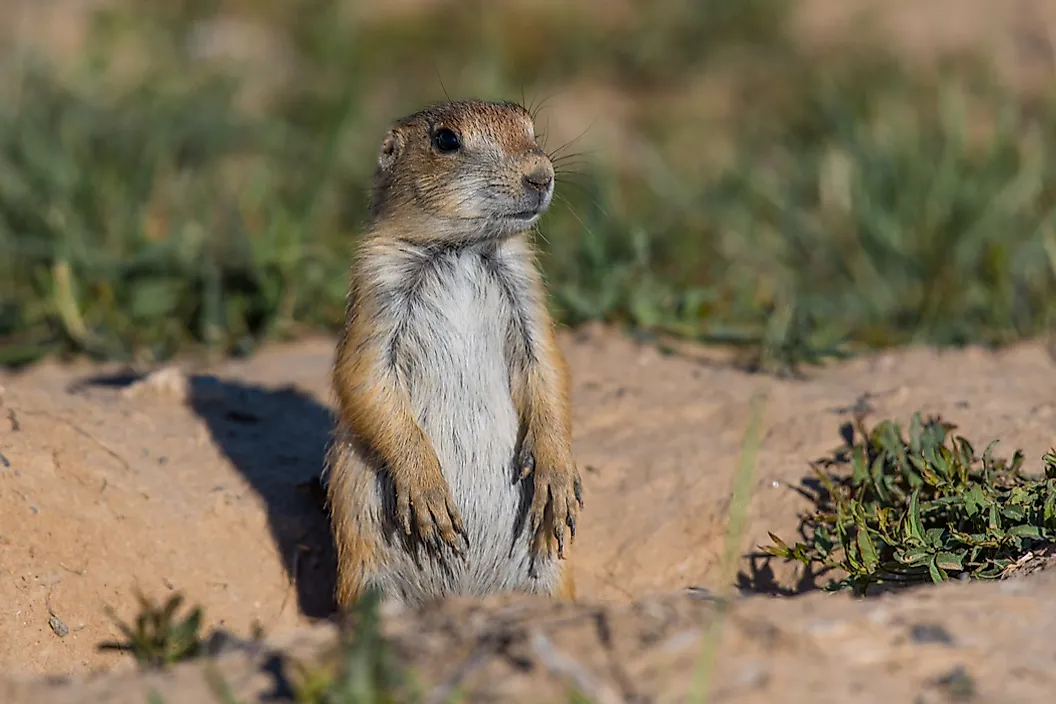
The National Park Service lists prairie dogs among the prairie rattlesnake's prey, alongside ground squirrels, mice, rats, small rabbits and ground-nesting birds. A colony concentrates all of those in one place.
Denning inside your own food supply is efficient in a way that rocky outcrops surrounded by empty grassland are not.
The Towns Are Disappearing

The consequence of this dependence is that one species' decline becomes several.
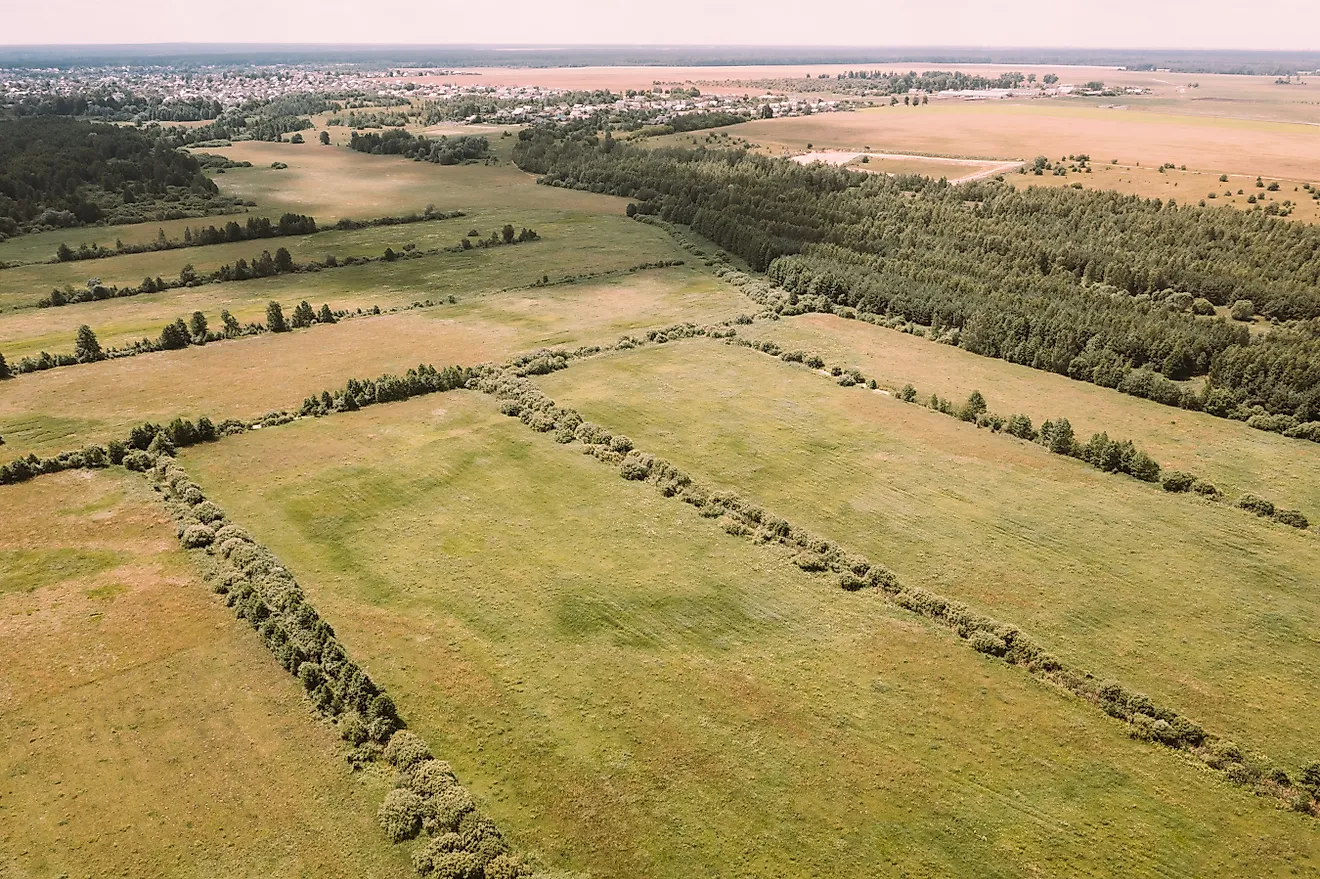
Prairie dog colonies once spanned hundreds to thousands of acres and the animals were among the most abundant mammals in North America. Many of the largest towns have gone to urban and suburban development.
Where a colony is removed from open prairie, nothing replaces the tunnels. On ground without rock outcrops, that removes the only overwintering option a snake had.
The Short Answer

Rattlesnakes den in prairie dog towns because they cannot dig, because shortgrass prairie offers almost nothing else reaching below the frost line, and because burrows 3 to 6 feet deep do so reliably without needing to face the sun the way a rock den must.
Radio-tracked snakes in Colorado chose burrows over rock even where rock was far more plentiful, and 30 percent of all observations were at or inside one. It is not a partnership. The snakes eat the pups and move into the tunnels, and on that landscape there is nowhere else to go.