The State Parks Where Alligator Encounters Happen Most Often
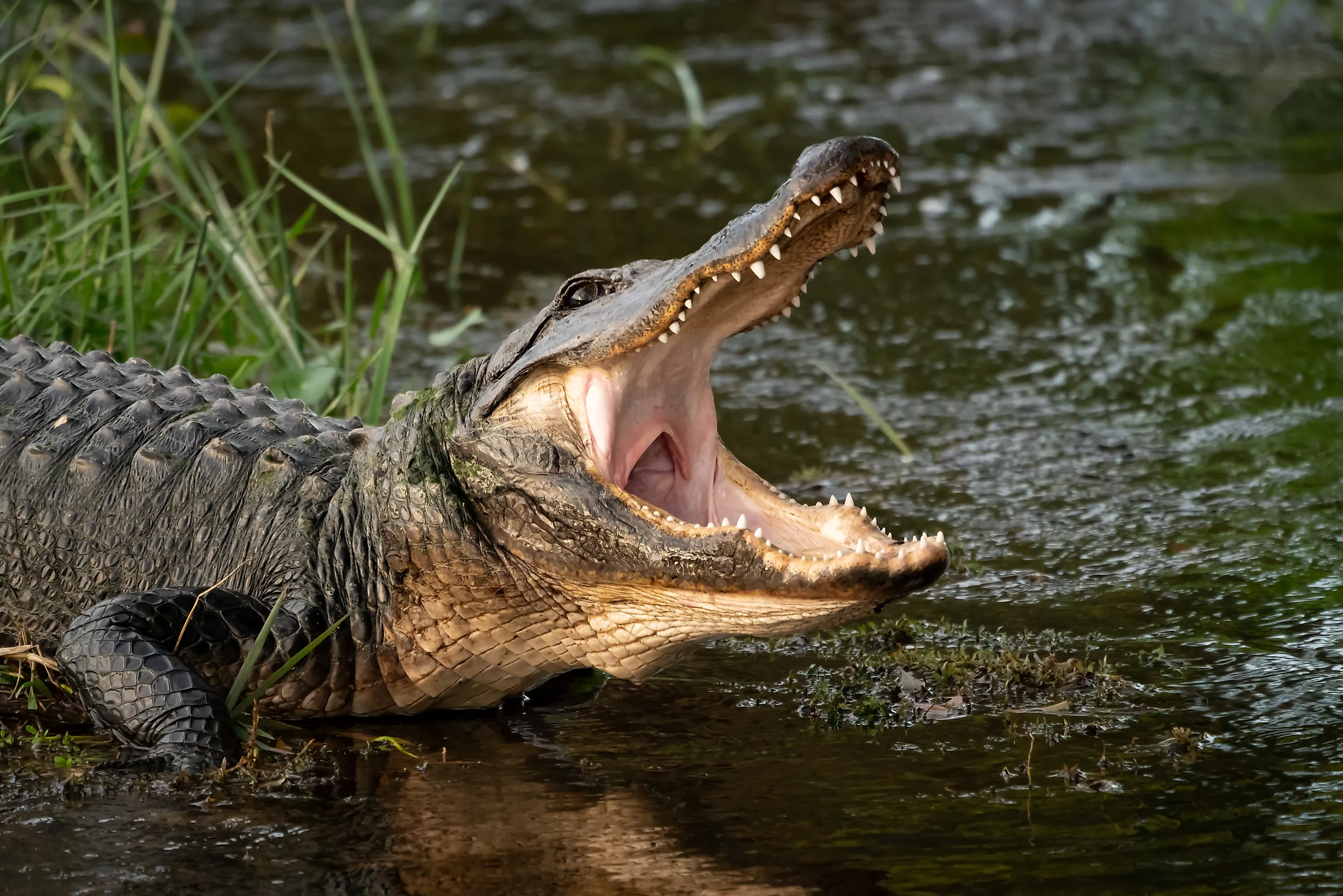
At Brazos Bend State Park in Texas, wildlife biologists have estimated that up to 300 alligators longer than 6 feet share the park's lakes and trails with visitors, along with smaller gators too numerous to count. In parks like this, seeing an alligator is not a lucky moment but an everyday part of a walk. Across the South, a handful of state parks put people unusually close to these reptiles on boardwalks, causeways, and lakeside paths. Most encounters are peaceful, and serious incidents are rare. These are the state parks where meeting an alligator up close happens most often.
Brazos Bend State Park, Texas

Brazos Bend's trails loop around shallow lakes and marshes in the Brazos River floodplain, and American alligators (Alligator mississippiensis) often bask right beside the paths, sometimes just a few feet from passing hikers. At places like Elm Lake and 40-Acre Lake, visitors regularly step around sunning gators on the trail's edge.

Because the alligators here are so used to people, the park asks visitors to stay at least 30 feet (9 meters) away, never feed them, and keep pets on short leashes. According to Texas Parks and Wildlife, no one has ever been attacked by an alligator in the park's history, a record that depends on visitors giving these animals their space. The park's nature center and volunteer naturalists help explain alligator behavior, and observation platforms around the lakes offer safe, close views.
Myakka River State Park, Florida

Myakka River State Park, one of Florida's largest and oldest state parks, is famous for its alligators. During the dry season, a sinkhole near Lower Myakka Lake called Deep Hole becomes a refuge for fish. More than 100 alligators have been seen gathered there at once. Only a limited number of hikers receive permits to visit each day.

Elsewhere in the park, alligators are easy to spot from the bridge over the Myakka River, along the shoreline of Upper Myakka Lake, and from the park's airboat tours. Warning signs near the river remind visitors to keep their distance, and over the years, park staff have removed alligators that became too bold around people. Alligators that lose their fear of humans, usually because someone fed them, can become dangerous, which is why feeding them is illegal in Florida.
Paynes Prairie Preserve State Park, Florida

At Paynes Prairie, just outside Gainesville, the La Chua Trail leads across the prairie on a path and boardwalk toward Alachua Sink, where dozens of alligators often bask along the canal banks. On sunny days, hikers may pass several large alligators lying within a few feet of the trail.

Dogs are not allowed on the La Chua Trail because of the alligators, and rangers urge visitors to stay on the path and keep a safe distance. The park's herds of wild horses and bison add to the sense of walking through a truly wild place. When water levels drop during droughts, alligators crowd into the remaining channels near the trail, making encounters even more frequent.
Huntington Beach State Park, South Carolina

At Huntington Beach State Park, near Myrtle Beach, the main park road crosses a causeway between a freshwater pond and a saltwater marsh, and alligators are a regular sight on both sides. They bask along the banks, swim beneath the causeway, and sometimes stroll right across the road, stopping traffic.

The causeway has become one of the most popular places in South Carolina to watch alligators, along with the birds that crowd the marshes. Visitors are reminded to stay in designated areas and never approach the water's edge where alligators rest. The park's Moorish-style Atalaya, a historic winter home, sits nearby. In spring and early summer, it is not unusual for traffic to wait while an alligator finishes crossing the road.
Okefenokee State Park, Georgia

Okefenokee State Park, known until September 2026 as Stephen C. Foster State Park, is a small park on the western edge of the vast Okefenokee Swamp. Georgia renamed it after the swamp's national wildlife refuge became a UNESCO World Heritage Site that summer. Its narrow boat trails wind through cypress forest and blackwater channels, where alligators are a near-constant presence.

Visitors paddling canoes or riding on guided boat tours often pass alligators just a few feet away, resting on logs or gliding through the dark water. Paddlers are advised to stay in their boats, keep hands out of the water, and never feed or approach the animals. On overnight canoe trips into the surrounding refuge, paddlers sleep on wooden camping platforms deep in the swamp, where the bellows of alligators carry across the water after dark.
When Encounters Peak
Alligator encounters follow the seasons. Alligators become more active in spring, usually April through June, as they search for mates. Males bellow across the water with deep, rumbling calls. They travel more during this time, which is why they are more often seen crossing roads and trails. In summer, females guard their nests and can become defensive if people come too close. In the cooler, drier months, alligators gather in the deepest remaining water, such as Myakka's Deep Hole. They also spend more time basking on sunny banks. That is when they are easiest to see, and when visitors are most likely to find one lying right beside the path.
Staying Safe Around Alligators
Alligators rarely attack people, and most encounters end with nothing more than a memorable photo. Distance is what keeps it that way. Staying at least 30 feet away, never feeding alligators, keeping pets leashed and away from the water's edge, and avoiding swimming where alligators live protect both people and the animals.