The Snakes You Might See In Indiana’s State Parks
Indiana holds many surprises when it comes to its snake population. For one, it has virtually no cottonmouths, a venomous snake native to the Southeastern United States, in its waters, but it does contain isolated pockets of two different species of rattlesnakes.
Due to the often misunderstood nature of these snakes, Indiana's state parks commonly put on snake events to help visitors identify and learn about the role these snakes play in their environment.
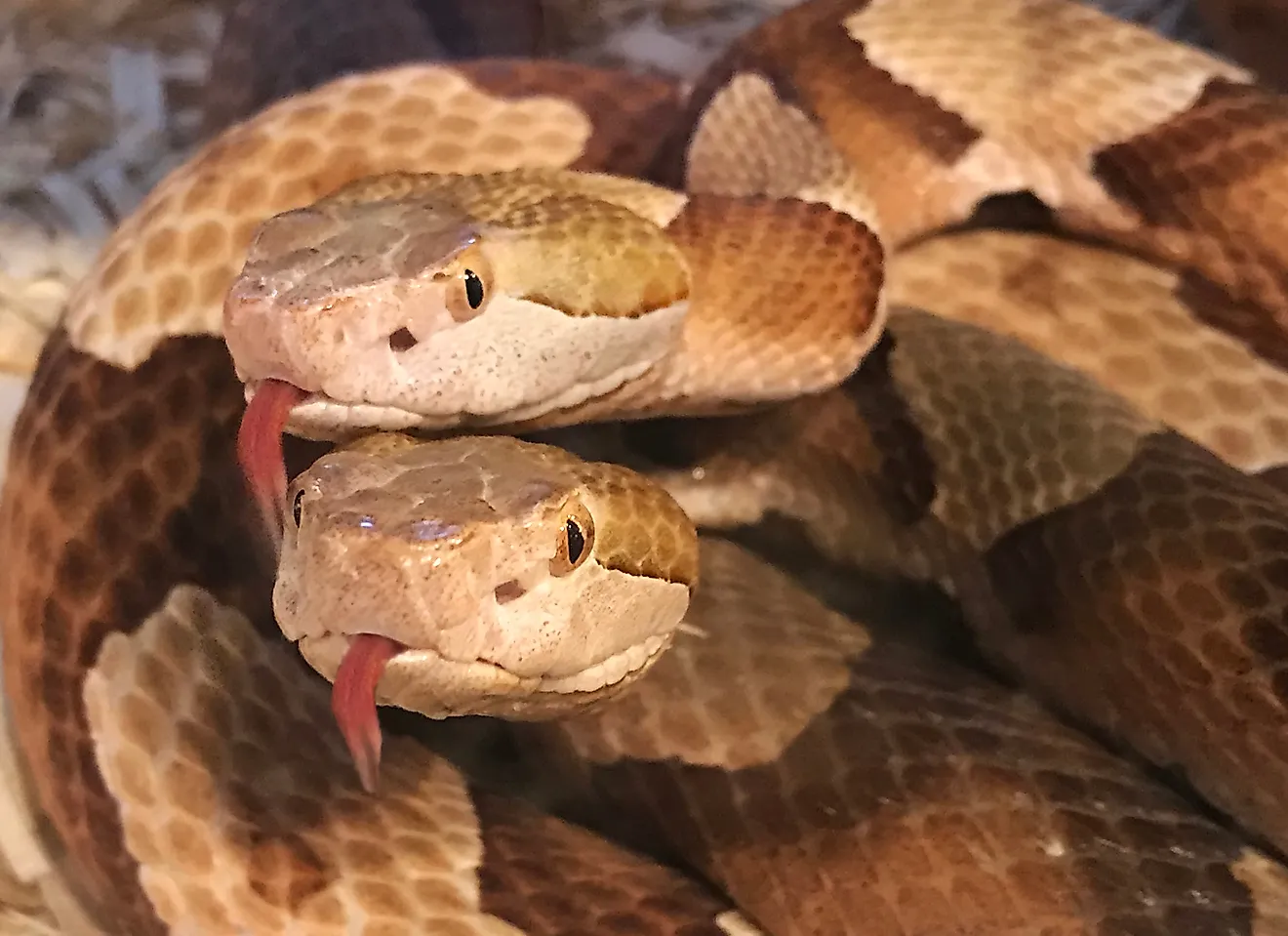
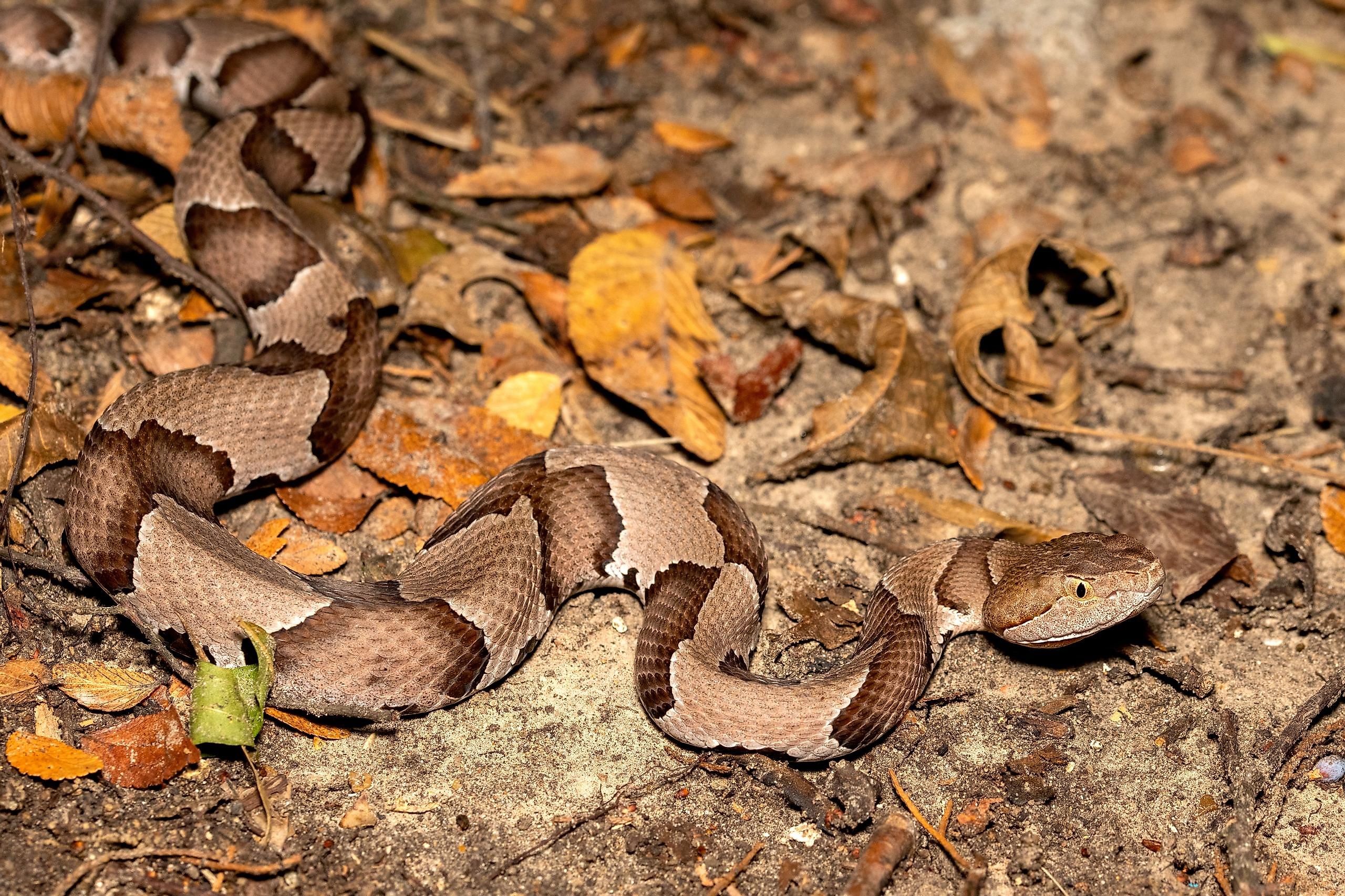
However, these snakes can still give guests quite the scare, especially if they have the copper colored triangular head of Indiana's most commonly found venomous snake.
Versailles State Park

At close to 6,000 acres, Versailles State Park is the second largest state park in Indiana. Originally established as a federal work park during the Great Depression, it was given to Indiana in 1943 to become a state park facility. Prior to it being state or federal land, it was briefly occupied by Confederate troops during a raid by General John Morgan during the American Civil War.
For the milksnakes and watersnakes who call this park home, they have been slithering along regardless of who was in charge all this time. Residents and park authorities alike have a good relationship with the snakes, with locals pointing out the important role snakes have in pest control.
Although watersnakes can compete with fishers for fish in the 230-acre lake. The park regularly hosts events such as Snakes Alive to teach visitors about snakes and their importance to the park.
The park doesn't have any known venomous snakes, but its position in southeastern Indiana is home to copperheads, which are resilient enough to exist in just about every environment in southern Indiana.
Brown County State Park

Brown County State Park is situated in one of the hilliest parts of Indiana in a region that was missed by the melting glaciers of the last Ice Age, which flattened much of the Midwest. Some of its hilltops rise to more than 1,000 feet above sea level and contain slopes where the state-endangered timber rattlesnake still roams.
Timber rattlesnakes can grow up to six feet long and are usually yellow or brown in this park. The park has identified ten dens that timber rattlesnakes live in, but most are in off-limits portions of the park to protect the snakes and visitors. Park staff have marked 115 timber rattlesnakes.

Although their venom profile is potent enough to kill a human, no visitor has been bitten by a timber rattlesnake in the park in the last 30 years. There have been several bites from the other venomous snake in the park: the copperhead.
In 2016, a man went out from his camper while wearing flip-flops and was bitten by a copperhead. A similar incident occurred in 2020, but bites typically don't have enough venom to kill a human.
O'Bannon Woods State Park

O'Bannon Woods State Park takes up 2,400 acres of forested land on the Ohio River in south central Indiana. It is more well known for Indiana's scenic Blue River, a popular spot for fishers and canoers.
In the Blue River, cottonmouths used to roam, but it is now mainly populated by water snakes. The nature center in the park does often keep all of Indiana's venomous snakes on display for visitors to see, including a copperhead, timber rattlesnake, cottonmouth, and eastern massasauga.

In the wooded park itself, the main venomous snake one might find is the copperhead, with a range that extends throughout all of southern Indiana. It's responsible for the most snake bites of any species due to its tendency to wander closer to residential areas and hide in place.
Plenty of non-venomous snakes come wandering out next to picnic tables and trails in the park, such as rat snakes. The park hosts events to help teach visitors the difference between venomous and nonvenomous snakes.
Turkey Run State Park

Turkey Run State Park regularly draws in runners and experienced hikers, eager to try out its canyons, swinging bridges, and even ladders up sandstone cliffs. Along the way, hikers have often been surprised to find copperheads hiding underneath leaves or logs in ravines or hills.
The larger Parke County is the extreme northern edge of the copperhead territory, and it is the only venomous snake that can be found here. Other much smaller snakes of nonvenomous varieties are regularly found here, such as ringneck snakes. They tend to be very small, growing between ten and 15 inches long.

Northern ring-necked snakes have a yellow or orangish belly and a ring around their neck, making it appear like they are wearing a necklace. Northern water snakes can be found in and out of the water in Turkey Run.
Residents commonly mistake them for cottonmouths, but cottonmouths are very rare in the state, with only one confirmed sighting in recent years.
Clifty Falls State Park

Clifty Falls State Park stands above the historic small town of Madison and is best known for its four waterfalls that take a bit of a hike to see them all. The park is made up of mostly dry upland forest and barrens alongside a canyon, which are home to at least ten species of snakes.
Of these species, nine are nonvenomous, such as the ring-necked snake, racer, garter snake, watersnake, and queensnake. Despite their grand name, queensnakes are very similar to watersnakes, spending a great deal of time hunting in the water.

The one venomous snake in Clifty Falls is the copperhead. Copperheads can swim in creek water, using their tails as a rudder. For guests in the park, it's best not to reach under any rocks or logs, as these are ideal hiding places for copperheads.
McCormick's Creek State Park

McCormick's Creek State Park was Indiana's first state park, established in 1916 to celebrate the state's 100th birthday. Snakes have been living in this parkland's canyon, creeks, and spicebushes long before Hoosiers made it into a state park.
The most common snake in the creek is the northern watersnake or dark banded watersnake. Although nonvenomous, these watersnakes can flatten themselves against the ground and bite when threatened, with some noting their bite can be quite painful.

One of the easiest ways to see these snakes is to watch out near rocky shorelines on McCormick's Creek itself, as they come out to bask in the sun. Eastern black rat snakes are the largest snake people run into in this park, growing anywhere from 3.5 to seven feet long.
The only main venomous snake here is the copperhead, which is at the northern end of its range, southwest of Indianapolis. Although there are no timber rattlesnakes at the park, park authorities have kept a timber rattlesnake in their headquarters to show at live demonstrations.
Pokagon State Park

Pokagon State Park is situated on the shores of Lake James and associated marshes and hardwood forests. Due to these marshes, Pokagon State Park is one of the few places in Indiana where eastern massasauga rattlesnakes live.
The name massasauga itself comes from a Chippewa word for great river mouth, speaking to this snake's affinity for wetter areas. It is easy to miss, however, because it doesn't grow nearly as large as other rattlesnakes, only growing from two to three feet.

Its rattle is so small that it often isn't audible unless one is very close to it, and it can often break off. It has intermixed brown and dark scales that it uses to blend into its surroundings, and will quickly flee if approached by a human. Its venom profile is hemotoxic, but it is not nearly as potent as other venomous snakes.
Understanding snake behavior

Snakes are cold-blooded, meaning they rely on the environment to regulate their body temperatures. This is why they drift towards shady areas or water on warm days and come out to bask in the sun during cooler times.
Understanding this behavior, along with snakes' mating seasons, such as the copperheads' spring and fall mating windows, is helpful both for finding snakes and avoiding them.

Snake bites in Indiana's state parks are rare, but they still do occur, usually when campers don't wear proper footwear while walking outside, as is demonstrated by Brown County State Park.
Thankfully, these bites come from the less venomous copperheads and not timber rattlesnakes, which keep to themselves in hilly dens. On most occasions, simply giving snakes space and being careful of one's surroundings can protect one from snake bites.