The Most Snake Infested Rivers In Tennessee
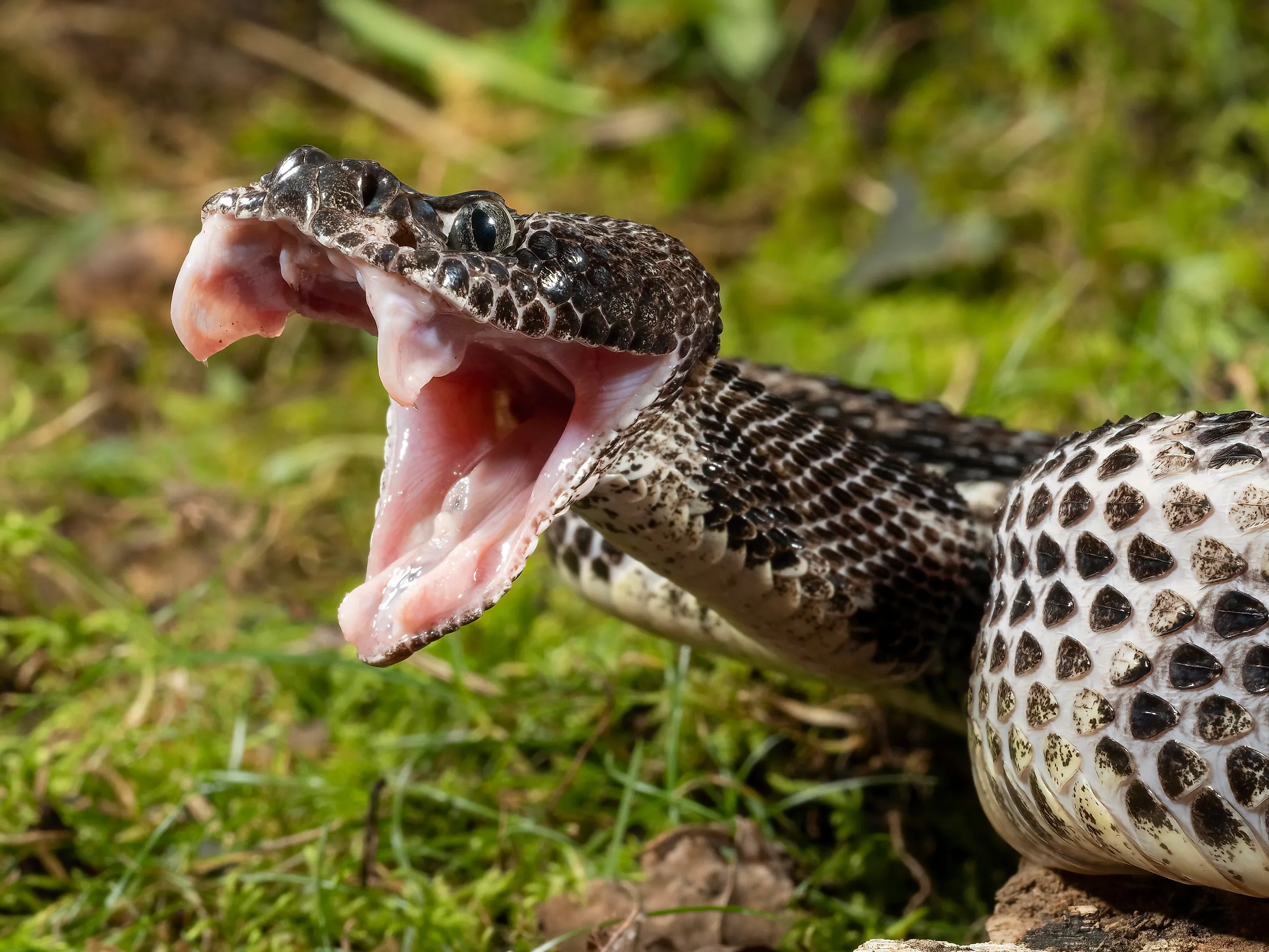
The Mississippi River, the main stem of North America's largest river system, forms Tennessee's western boundary, while the Duck River, one of the most biodiverse rivers on the continent, flows through the middle of the state. Many of the 32 snake species found in Tennessee live along these rivers and the state's other waterways. Most of them are harmless water snakes (Nerodia spp.), but a few are venomous. Among them is the cottonmouth (Agkistrodon piscivorus), which favors the wetlands of West Tennessee, but it is not the only venomous snake that takes to the water. As some kayakers found out in fall 2026, even rattlesnakes (Crotalus spp.) like to take the occasional dip in the Duck.
Mississippi River

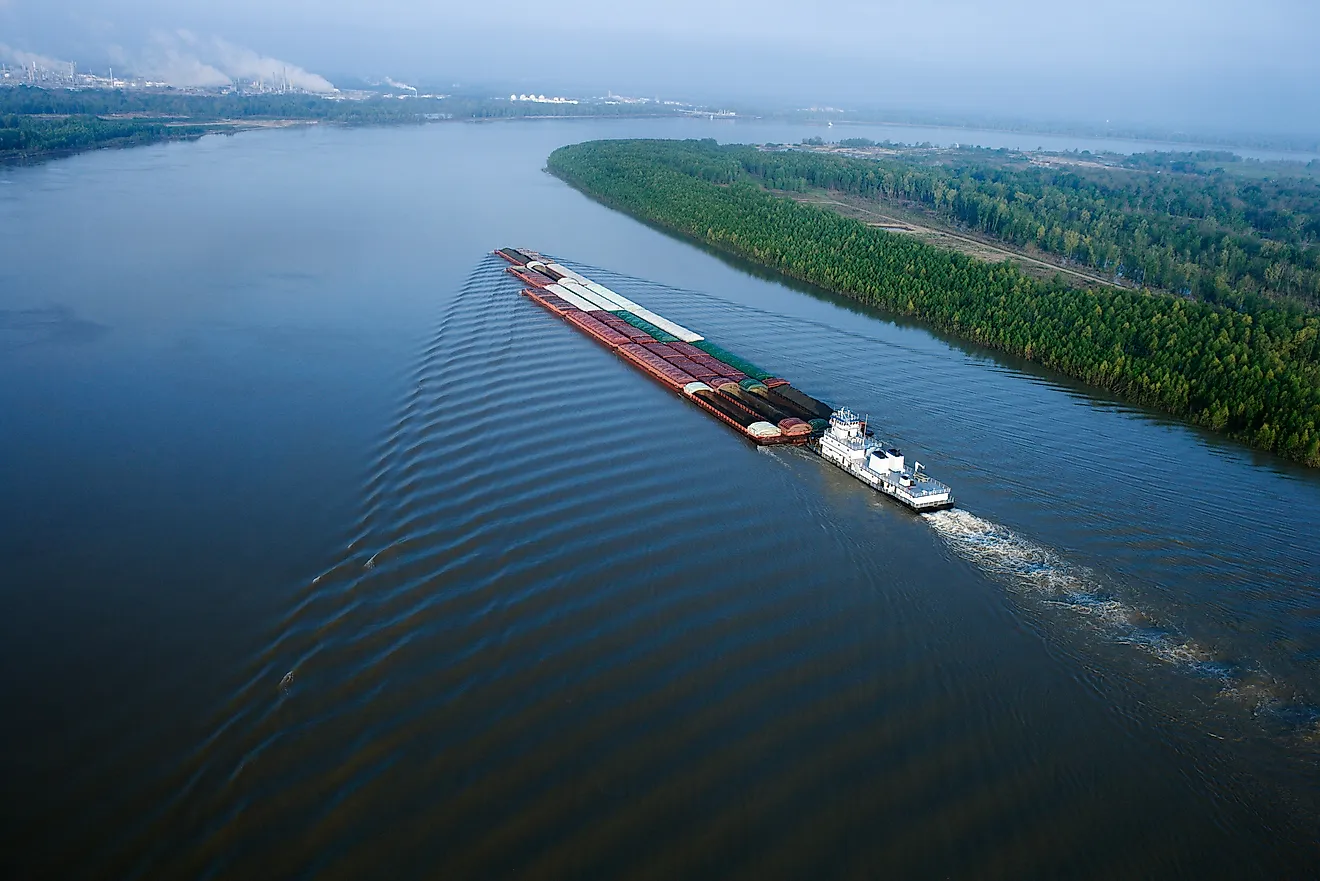
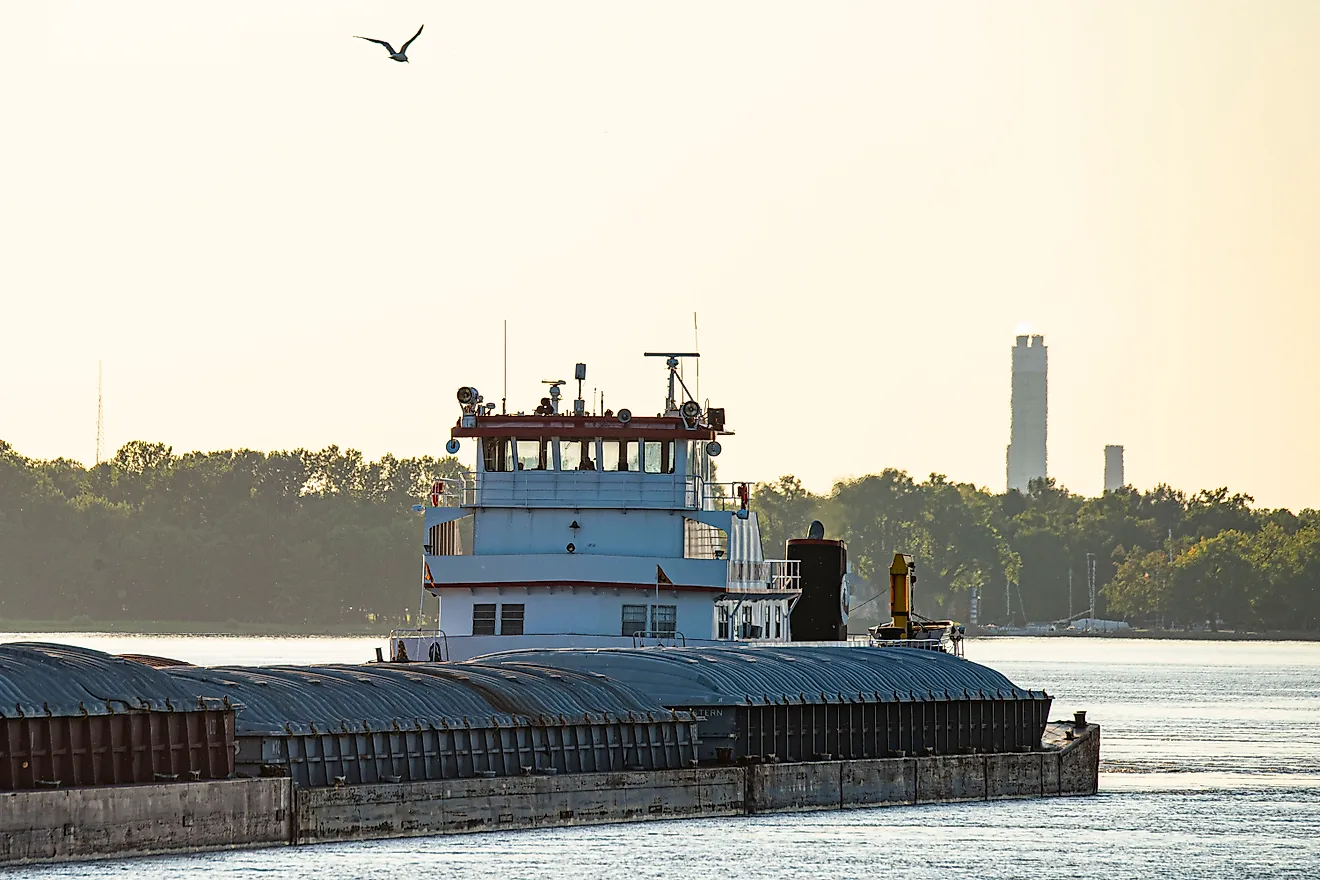
The Mississippi River forms Tennessee's western border, separating it from Missouri and Arkansas. About 13 miles north of Memphis, Meeman-Shelby Forest State Park borders the river, with a campground, more than 20 miles of hiking trails, and fishing on Poplar Tree Lake. Farther upriver, the Chickasaw National Wildlife Refuge is located in West Tennessee, adjacent to the Mississippi River near Ripley. It is composed of bottomland hardwood forests, sandy grasslands, and riverine habitats of streams, oxbow lakes, and sloughs.

The refuge is home to venomous snakes, and its habitats are particularly suited to one species: the cottonmouth. Cottonmouths are common in the aquatic habitats of western Tennessee, mainly occupying swamps, sloughs, and wetlands. In these habitats, they can be observed swimming in water, coiled on the bank, or basking on vegetation by the shore. Anglers launch from the refuge's three boat ramps to fish for crappie, largemouth bass, and catfish in these same waters, while birders and hunters use trails that wind through the largest tract of bottomland hardwood forest in Tennessee.
Hatchie, Obion, and Forked Deer Rivers

The Hatchie, Obion, and Forked Deer Rivers are the primary river systems of West Tennessee. Together they form the primary drainage systems that flow westward across low-lying floodplains and into the Mississippi River. The Hatchie is the longest free-flowing tributary of the lower Mississippi, and Tennessee protects its entire run through the state as a scenic river, with 10 TWRA boat launches along the way. The South Fork of the Forked Deer River passes through Jackson, and Dyersburg grew up along the river's banks, where cutoff lakes left by channelization are popular with crappie and bass anglers. Their wetlands, sloughs, marshes, swamps, and other wetland habitats are home to several semi-aquatic species of snakes.

The northern water snake (Nerodia sipedon) is the most common water snake species in Tennessee, occurring statewide. It is found in the Hatchie National Wildlife Refuge, bordering 23 miles (37 kilometers) of the Hatchie River. In the Obion River, species such as the red-bellied mud snake (Farancia abacura) are typically found in stagnant, muddy waters beneath rotten logs and other debris. Other species of water snakes, such as the yellow-bellied water snake (Nerodia erythrogaster flavigaster), live in the Forked Deer River, occupying habitats similar to those of the northern water snake.
Wolf River

Not to be confused with the Wolf River in Memphis, this Wolf River rises at the foot of the Cumberland Plateau in Fentress County and runs west across the Highland Rim toward Dale Hollow Lake. In Pall Mall, the river flows past Sgt. Alvin C. York State Historic Park, where the World War I hero's gristmill still stands on a bend of the river. Visitors picnic beside the mill, fish the river, which is stocked with trout in summer, and walk a short trail across a suspension bridge to York's gravesite. Downstream, paddlers run a Class II stretch toward the lake. Several snakes are found in the Cumberland Plateau, but only a few are found in or near the Wolf River.

Northern water snakes are among the species that occur in and around the Wolf River. They are sometimes mistaken for cottonmouths and subsequently killed. Other snakes found near the river include the eastern garter snake (Thamnophis sirtalis), which preys primarily on fish, frogs, toads, and tadpoles. Queen snakes (Regina septemvittata) are often found beneath rocks and logs near bodies of water, entering rivers to search for crayfish, which make up most of their diet. Finally, the rough green snake (Opheodrys aestivus) is distinctive as Tennessee's only green snake. They are found in vegetation or tree branches overhanging water. Their diet mostly consists of insects.
Duck River

The Duck River is one of the most diverse rivers in North America, containing more fish species than all of the rivers in Europe combined. Aside from all the fish, there are also several species of mussels and snails. The river runs 284 miles across Middle Tennessee, passing Shelbyville, Columbia, and Centerville. Near Chapel Hill, Henry Horton State Park has 75 campsites along the river, along with the 4.2-mile Duck River Trail and bank fishing.

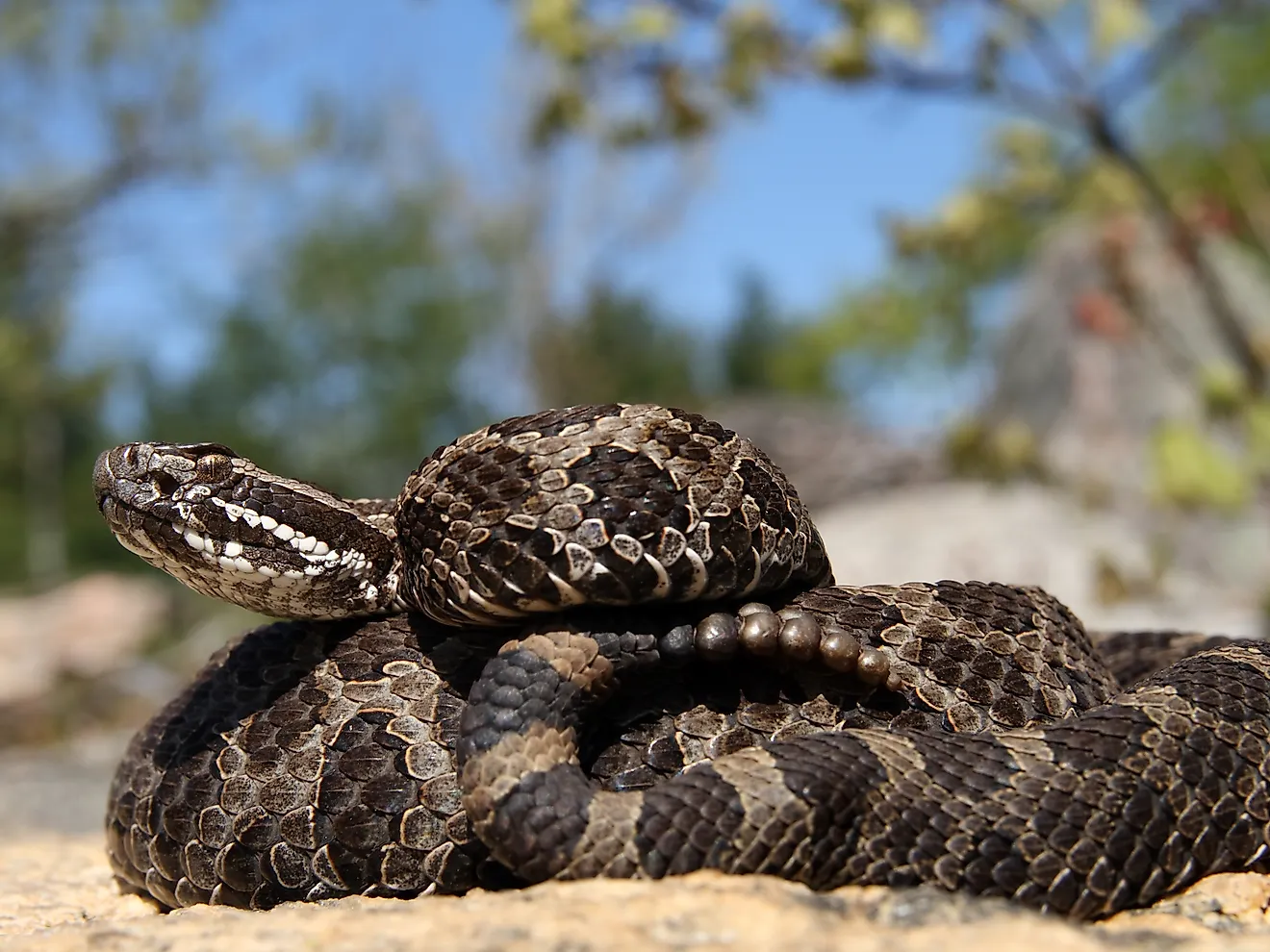
Above the surface, snakes slither along the banks through the Duck River Unit of the Tennessee National Wildlife Refuge. Farther upstream, one unlikely species even surprised kayakers on the water: the timber rattlesnake (Crotalus horridus), which usually inhabits the south-facing hillsides and mountainous regions, swam past a couple of kayakers near Unionville in fall 2026. Other species in the Duck River Unit include the eastern garter snake and the ring-necked snake (Diadophis punctatus). Ring-necked snakes usually live underground, or underneath logs, leaf litter, rocks, or other moist debris.
Snake Diversity in Tennessee's Rivers
Tennessee's rivers support several different species of snakes. Water snakes are never found far from aquatic habitats, basking on the edge and hunting fish and amphibians in the shallows. Rattlesnakes, by contrast, live in the bordering forests and uplands around the river, but occasionally enter the water to move between areas more easily. Anglers at a Hatchie boat launch, campers beside the Duck at Henry Horton, and picnickers by the York gristmill on the Wolf may all share the riverbank with one of them. Together, these Tennessee waterways and their surrounding habitats provide food and shelter for a diverse snake population to thrive.