The Most Snake Infested Lakes in Tennessee
Tennessee’s “snake-infested” lakes share the same recipe: warm shallows, dense shoreline cover, and steady prey like frogs and small fish. On waters such as Reelfoot Lake and Tims Ford Lake, the most frequently spotted snakes are nonvenomous watersnakes that swim confidently and bask along logs, rocks, and flooded timber. Venomous species show up too, especially copperheads and timber rattlesnakes, most often on land near brushy edges, fallen wood, and rocky banks. Knowing where snakes hunt and rest makes every walk, hike, and camping event smarter.
Reelfoot Lake

Many lakes are caused by geographic depressions, flooding of rivers, and manmade means, but occasionally, a lake is formed from an unprecedented geological act, the outcome of which looks something like Reelfoot Lake. This 15,000-acre water body came to be when a handful of earthquakes in 1811-1812 caused the mighty Mississippi to flow in reverse for a time. The result is now a state park known for terrific fishing, boating, and habitat for all wildlife.
Snakes are among the many species that call this lake home, and the most popular species is the broad-banded watersnake. This snake is known for its broad brown bands and can reach an average length of up to 36 inches (91 cm). While it is a great swimmer, this snake is not venomous, so a bite is rarely serious. That said, cottonmouths have also been seen devouring their prey in trees near the lake. Thus, camping beyond tree cover, not immediately by the water, and away from marshy areas, is your best choice.
Boaters must also be cautious as Reelfoot Lake resembles a flooded woodland area with trees plentiful above and below. For campers and swimmers, it is important to note that these conditions and the bordering wetlands are the perfect breeding grounds for many aquatic snake species. The ecosystem is ideal for the prey these snakes feast upon and offers options for nesting and rearing young without traditional threats.
Dale Hollow Lake

Dale Hollow Lake is renowned for its crystal-clear waters, forested shores, and many islands. It is the product of the Flood Control Act of 1938, and the Army Corp of Engineers built a hydroelectric dam that still funnels power to the surrounding areas to this day. The lake encompasses 27,700 acres with more than 600 miles of shoreline. Because of this, it encourages a large contingent of diverse animal life, aquatic, and insect life. Predators find a home where food is readily available, so snakes are in heaven on this monument of ingenuity's wooded shores and waters.
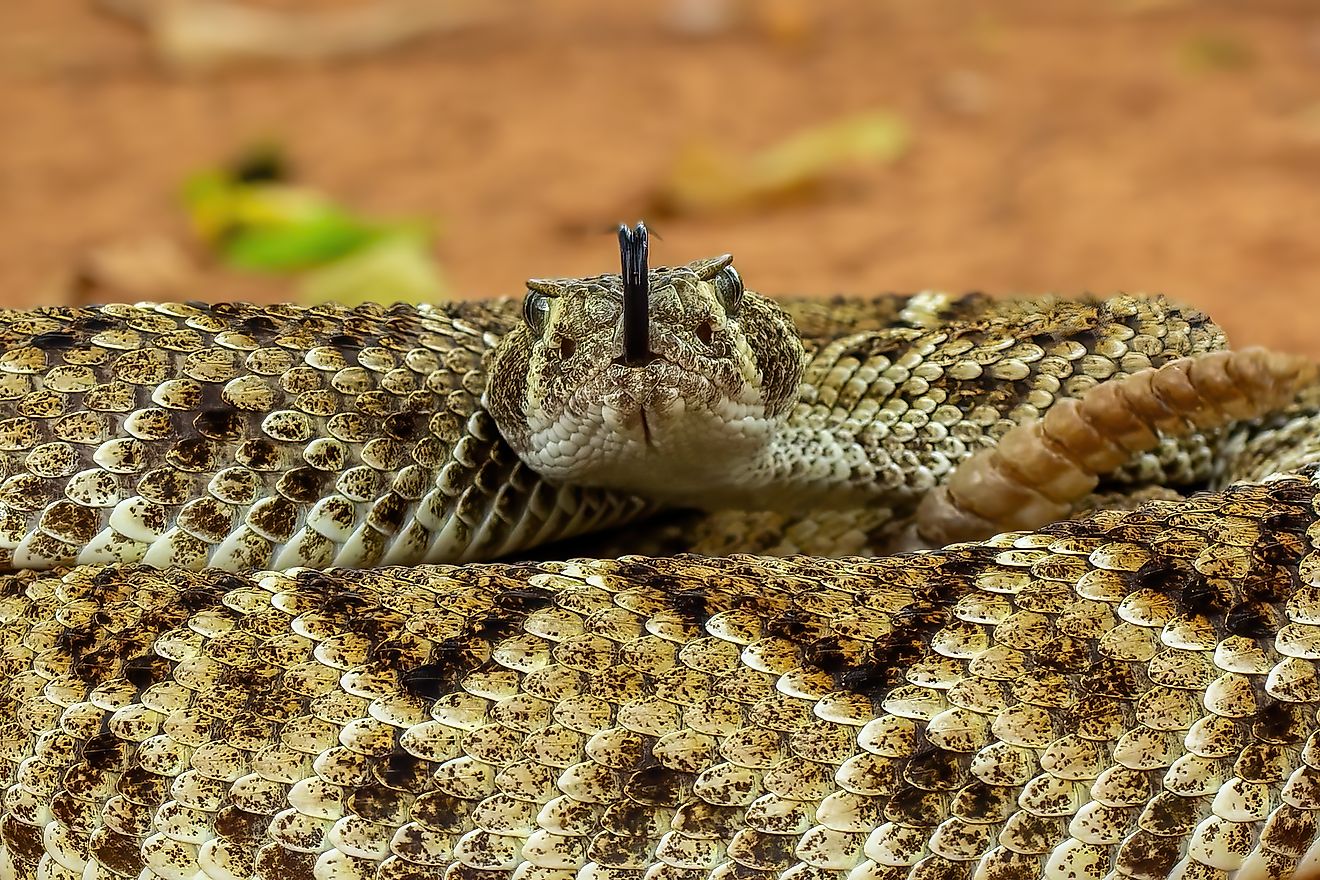
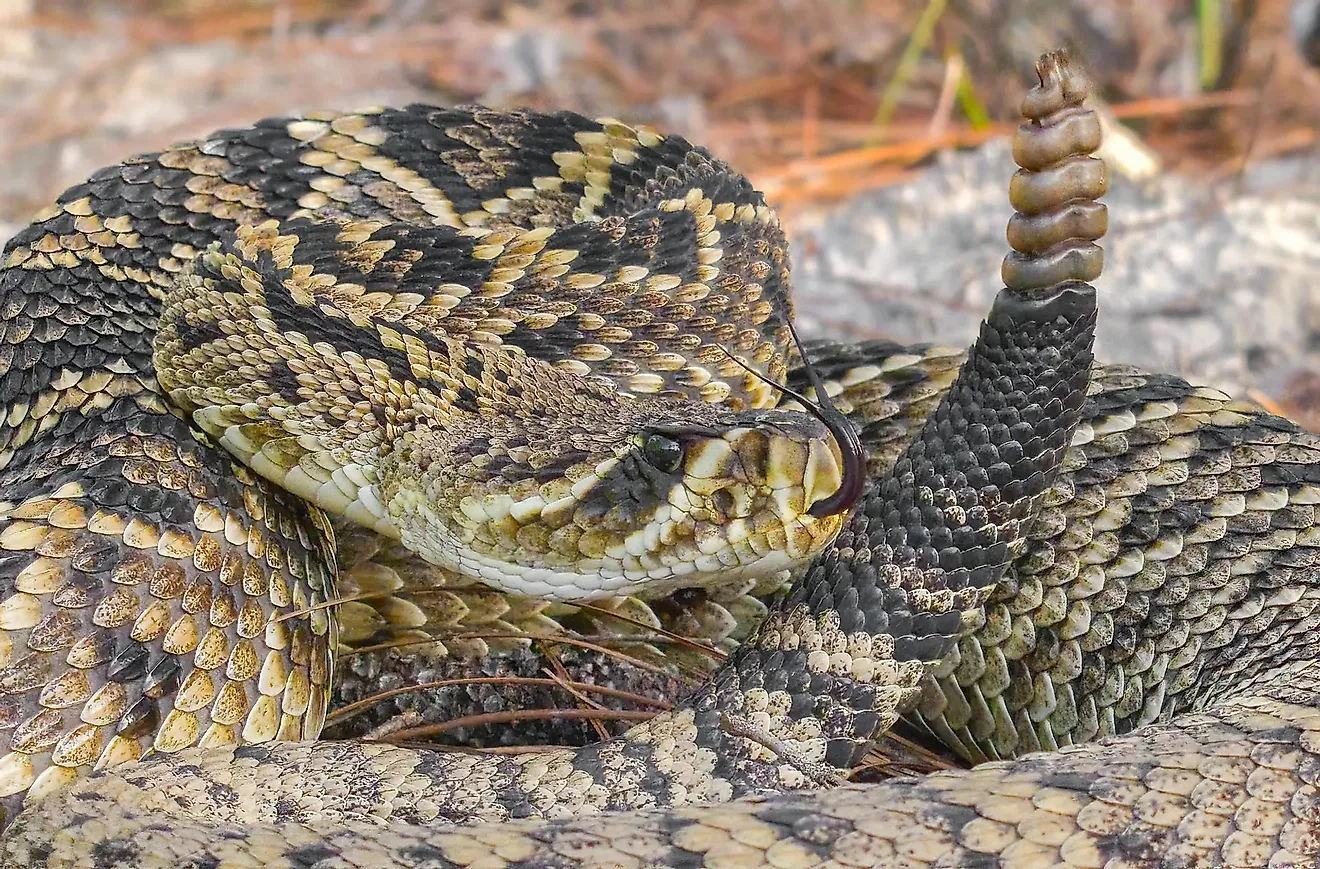
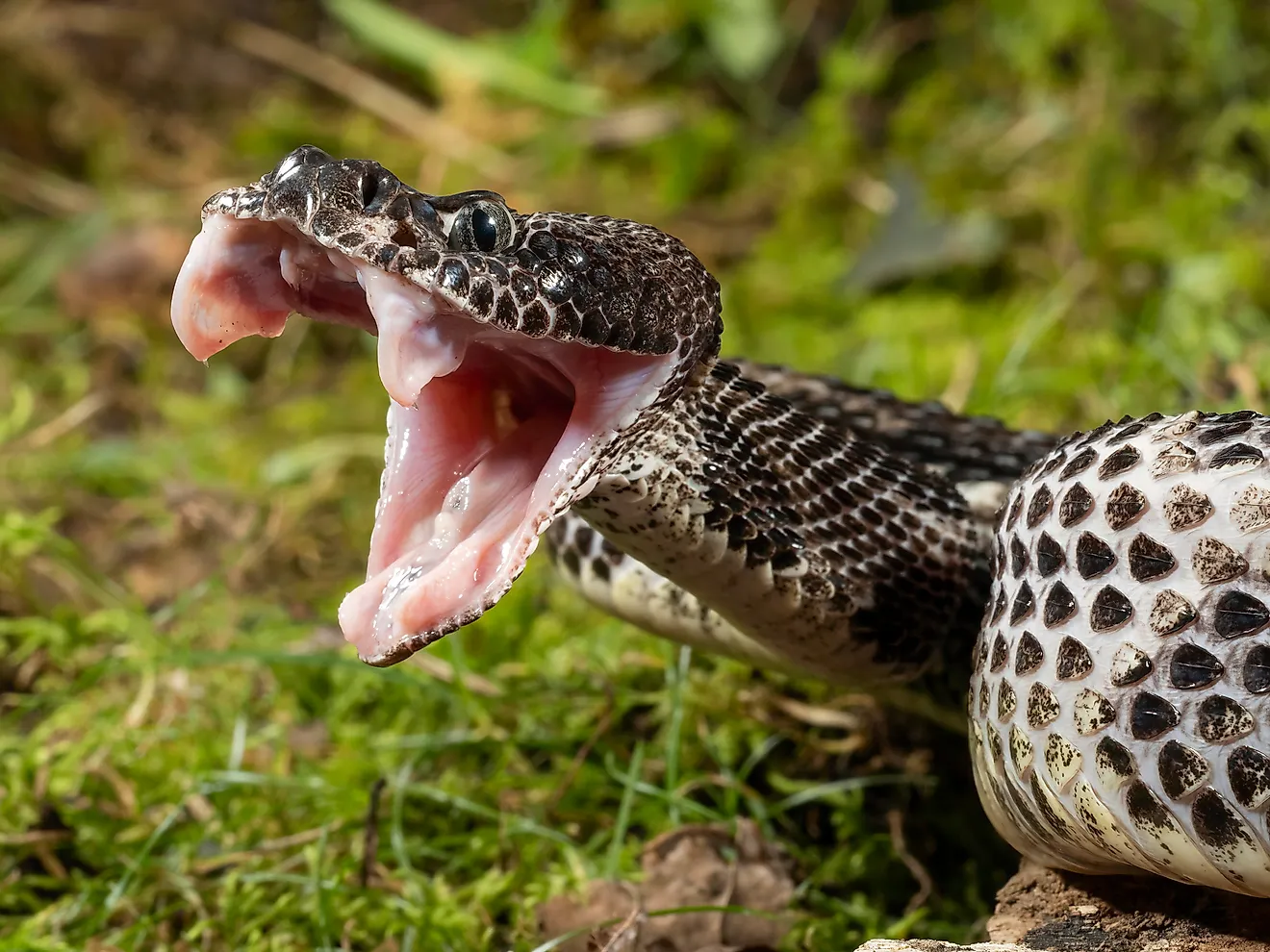
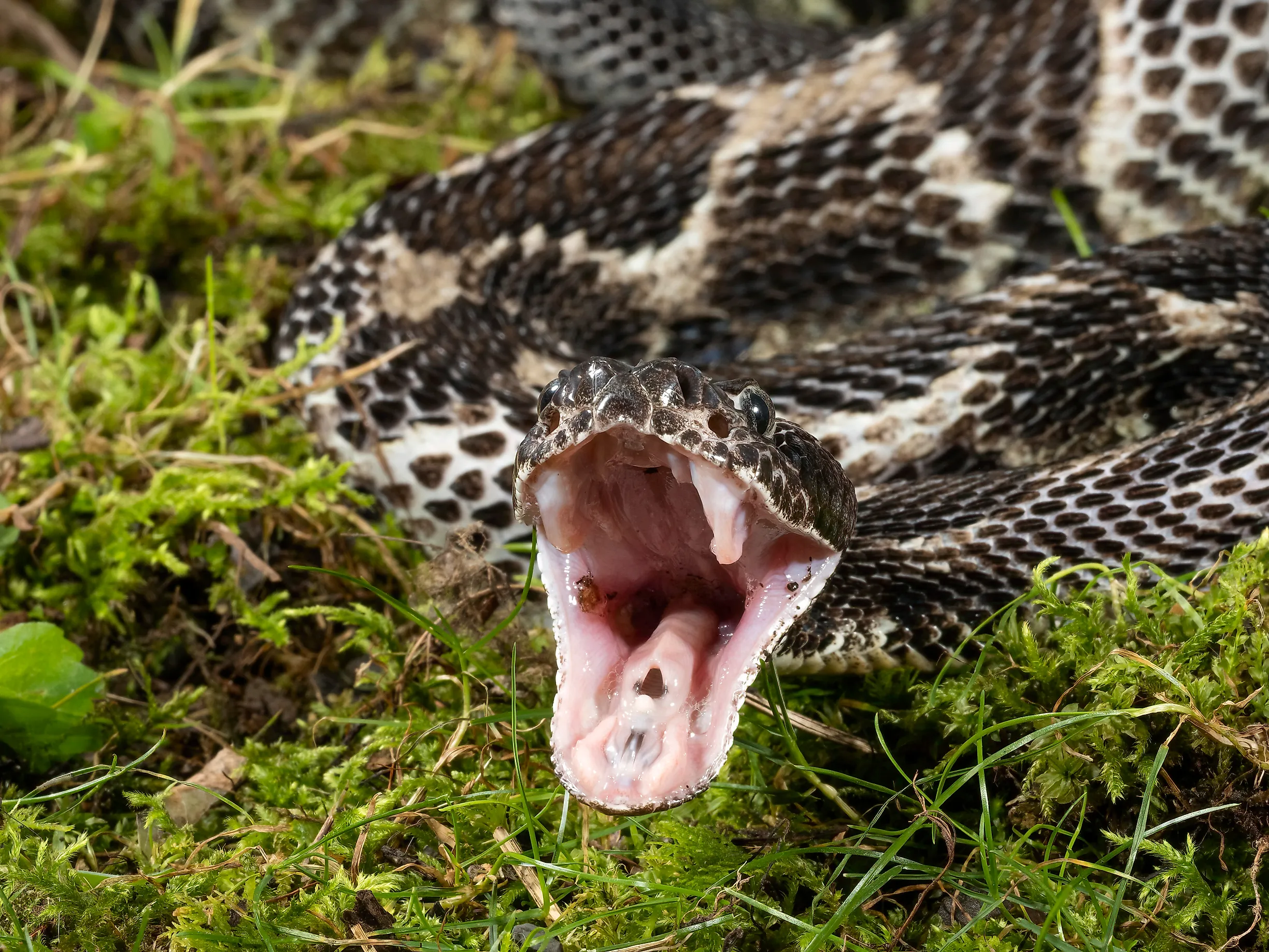
Coming into contact with a snake here is possible but not common. The common watersnake and timber rattlesnake are the most heavily reported. While the watersnake is reasonably harmless, the timber rattler is not to be trifled with. It is host to a neurotoxic venom, which can cause fatal issues in small children. These snakes are also menacing sight, reaching lengths of up to 60 inches (152 cm) and sporting a dark coloration. Fortunately, rattlesnakes have a noisy defense mechanism, so as long as you listen to danger, it is easy to avoid.
Norris Lake

Norris Lake, the largest reservoir on a tributary of the Tennessee River, spans 33,000 acres and boasts over 800 miles of mostly forested shoreline. Created by the Norris Dam in 1936, the lake now serves as an ideal location for fishing, offering a variety of species such as sunfish, bass, and sturgeon.
Snakes thrive in environments with the right conditions, ample food, and suitable temperatures. Norris Lake provides all these, making it a thriving habitat for a range of snake species. The most common in the area is the watersnake, known for its excellent swimming ability. Male watersnakes typically grow to about 4 feet 5 inches (135 cm), with a brown hue and dark crossbands. These snakes are generally shy and non-venomous, posing little threat to visitors.
Chickamauga Lake

With a surface area of over 36,000 acres and 810 miles of shoreline, it's no wonder why Tennessee calls this a Bass fishing paradise. Created by the Tennessee Valley Authority in 1940, Chickamauga Lake is the result of the Chickamauga Dam and sits at 682 feet (208 m) above sea level. Its bass population, including smallmouth and largemouth, is truly impressive and attracts anglers in droves.
As with many dam-created lakes, Chickamauga's shoreline is a mix of marshy, rocky, and forested areas, which are ideal environments for various snake species. The thick vegetation, shallow coves, and underwater plant life provide excellent habitats for these reptiles, particularly those that prey on small fish and amphibians. The common watersnake, often mistaken for the more dangerous cottonmouth, is frequently seen in these areas. It's non-venomous and typically shy but can be defensive if threatened.
Copperheads, another species found around the lake, are venomous and can become aggressive if they feel endangered. They are more likely to be encountered on land, especially in areas with dense underbrush, fallen logs, and rocky terrain. While it's uncommon for them to venture into the water, they are capable swimmers. If you're fishing from the shore or a boat in a cove, it's wise to stay alert, particularly near areas where these snakes might be hunting or basking.
Tims Ford Lake

Tims Ford Lake is a stunning and picturesque bass fishing spot, though not very large, covering only 10,700 acres. It’s one of the Bill Dance Signature lakes and offers a variety of activities including rustic camping, hiking, fishing, and wildlife events. These experiences are best appreciated firsthand. The area around Tims Ford Lake is home to various snakes, such as garter snakes, timber rattlesnakes, black king snakes, ring-necked snakes, and the smooth earth snake. The common garter snake is widespread, showing yellow stripes on a greenish-brown body, and typically measures 2-3 feet long. The timber rattlesnake can grow up to 60 inches, featuring dark, chevron patterns on its body. It is venomous, so caution is necessary when encountering one.
Know before you go. If you dislike snakes but wish to go fishing, research local snake species and their habitats beforehand. Snakes are generally predictable. If the fishing spot you plan to visit is suitable for their breeding, feeding, or basking, consider choosing another location. It's simpler for anglers, campers, hikers, and explorers to adjust their plans than to rely on native snakes to relocate, especially if the site is ideal for them.