The American Dams In The Worst Condition
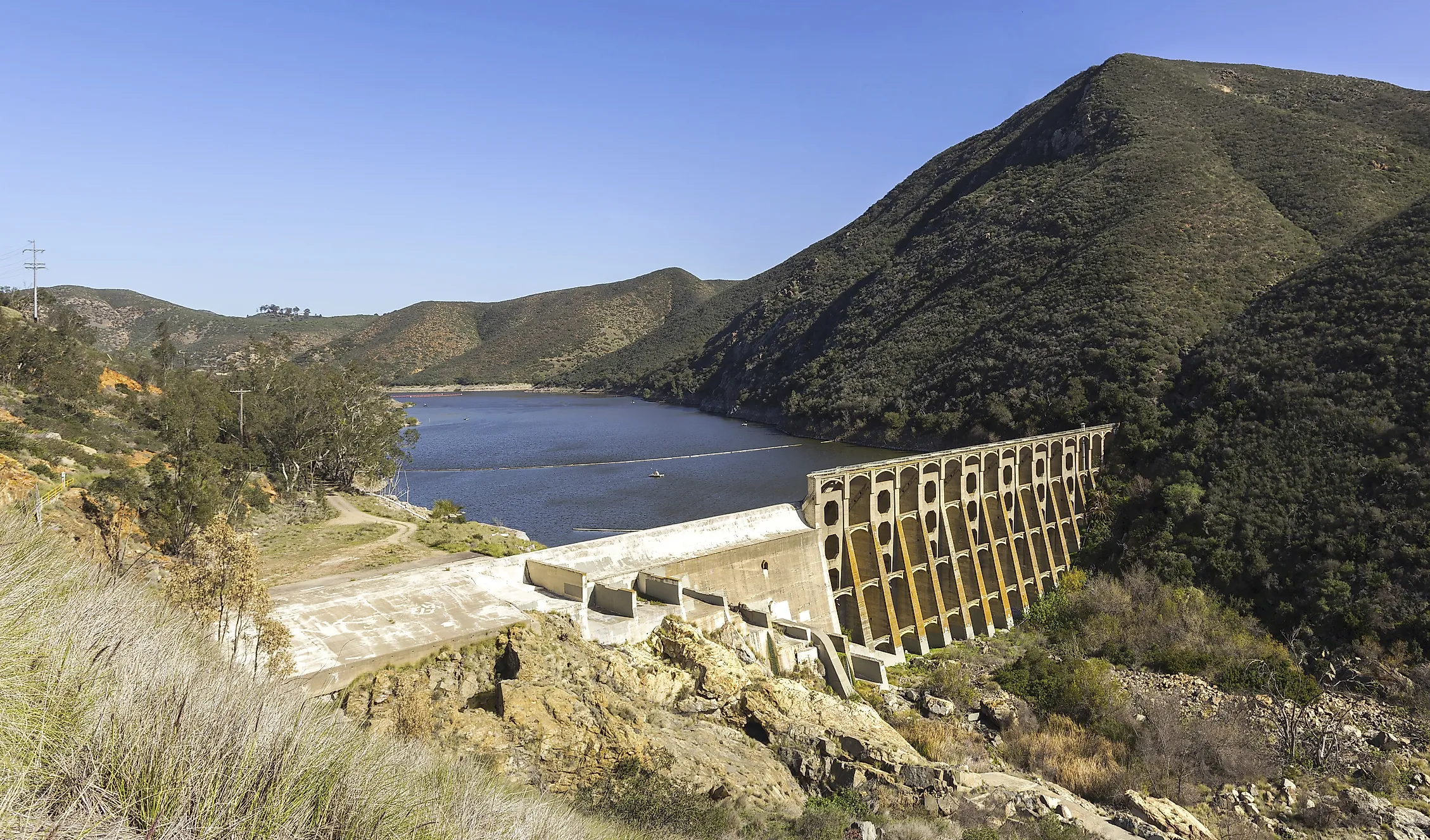
At California's Lake Hodges, deteriorating concrete has forced a drinking-water reservoir to stay low. Its private-boat launch cannot operate. Farther north, earthquake concerns have restricted Anderson Reservoir to about 3% of its capacity.
Some of America's most seriously deficient dams have already changed how surrounding communities use their water, even while the structures remain standing. Others need permanent repairs after floodwater tore apart their spillways. Those physical problems are separate from the familiar "high hazard" label, which describes the consequences of a failure, including possible deaths. A dam can carry that label and be in good condition. Hodges carries an "unsatisfactory" condition rating, while nearby El Capitan is rated "poor."
Hodges Dam, California

Repairs at Hodges uncovered more trouble inside the structure they were supposed to fix. Work on the upstream face exposed deterioration in the concrete arches, prompting California regulators to downgrade the dam to "unsatisfactory." Built in 1918 on the San Dieguito River, it holds water used by communities including Solana Beach and Rancho Santa Fe.
The state now restricts the reservoir to an elevation of 280 feet above sea level. That limit leaves the private-boat launch unusable and reduces the amount of water the reservoir can store. San Diego says there is no imminent threat of failure under its restricted operation and monitoring. Nevertheless, crews face repairs on the downstream concrete as well as the spillway apron, the surface that receives water leaving the spillway. The city is pursuing a replacement dam while maintaining the aging structure.
Livingston Dam, Texas

A hole about 50 feet deep developed below Livingston Dam's spillway during the 2024 floods. The force of the released water scoured away material beneath the structure, and a wall panel and roughly 200 feet of a low downstream wall called a weir failed. This is the dam that holds back Lake Livingston on the Trinity River, a major water source for Houston.
Emergency crews filled the damage with enormous quantities of rock and concrete. When Hurricane Beryl approached the worksite, they sank concrete-filled barges to help protect an undermined section. Emergency stabilization finished in January 2025.
Permanent improvements were still being designed in 2026. The Trinity River Authority reports no evidence of dangerous structural movement. Following stabilization, the dam's emergency status was reduced to "Watch Condition." The remaining work concerns the spillway's ability to handle extreme floods. Construction of those permanent improvements was anticipated to begin in 2027.
Anderson Dam, California

Santa Clara County's largest reservoir has been drawn down almost completely because the dam above Morgan Hill could fail during a major earthquake. Anderson's embankment contains materials vulnerable to liquefaction, a loss of strength during shaking. Investigations also identified faults beneath the foundation that could move during an earthquake. Federal regulators ordered the reservoir lowered in 2020, sharply reducing a local source of drinking water.
Heavy rain complicates that precaution. Water can enter the reservoir faster than the original outlet can release it, raising the level behind a dam that needs to stay nearly empty. A new outlet tunnel is intended to let operators release water faster. Reconstruction of the dam itself was scheduled to begin in January 2027, according to Valley Water's June 2026 update. Along Coyote Creek, associated habitat work will add spawning gravel and large wood for native steelhead. The Live Oak Picnic Area is closed during the construction program.
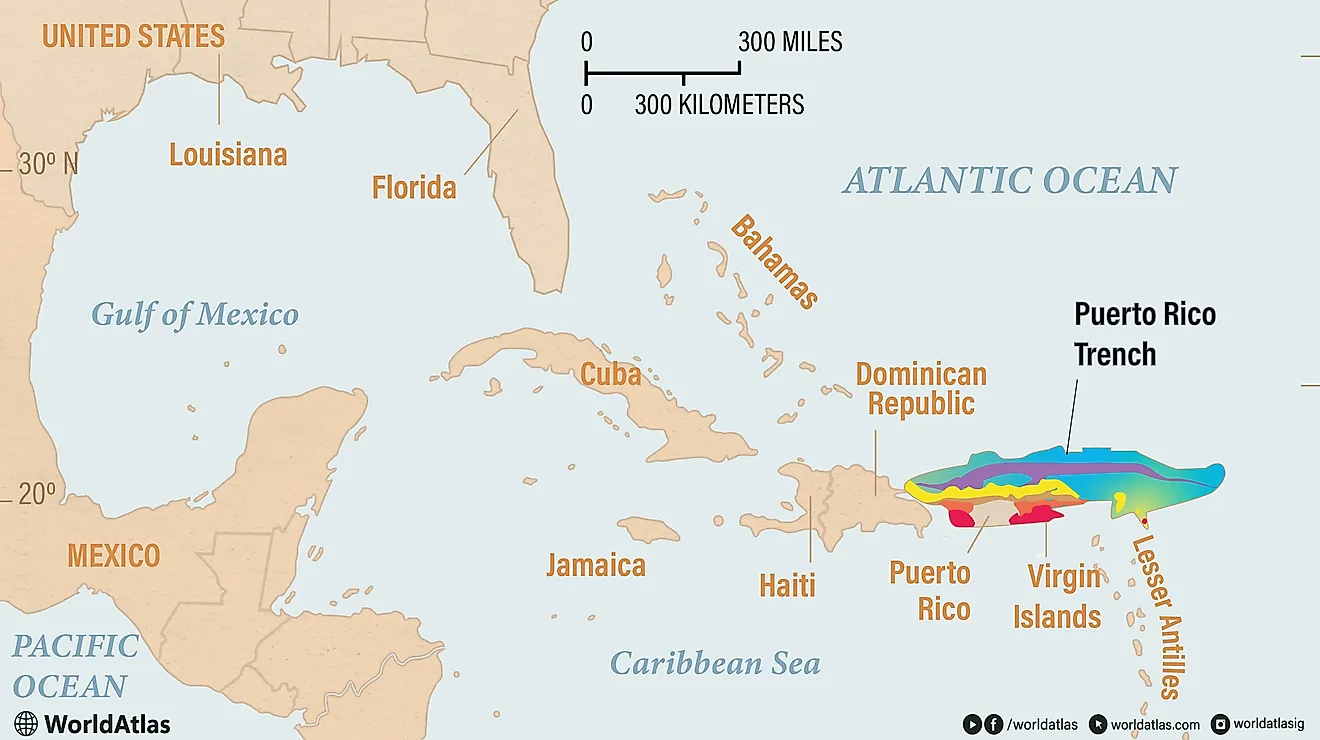
Guajataca Dam, Puerto Rico

Hurricane Maria severed a water-supply pipe at Guajataca in September 2017, cutting a connection between the reservoir and a treatment plant. Emergency pumping helped restore a water supply serving more than 100,000 people in northwestern Puerto Rico. Stabilization followed, but permanent repairs remained unfinished in 2026. The permanent repair project targets serious weaknesses in the embankment and the storm-damaged spillway. Some involve water eroding material away; others concern possible earthquake damage and material moving into openings in the surrounding rock. The planned work includes reinforcing the embankment and repairing the route floodwater takes out of the reservoir. The filtration plants benefiting from permanent repairs supply about 250,000 people, according to the Army's estimate.
El Capitan Dam, California

On the San Diego River east of Lakeside, El Capitan's safety problems limit one of the city's major reservoirs. The dam dates to 1935, and San Diego currently lists its condition as "poor." Earthquake stability concerns have required a lower operating level, reducing the amount of runoff that can be retained for drinking water. Concrete repairs to the spillway were completed in September 2024. A year later, state records still listed vegetation and debris removal as work in progress, alongside a seismic stability analysis. El Capitan uses a separate, ungated spillway: once the reservoir reaches its crest, water flows into the channel automatically. The downstream route enters El Monte Valley, where water released to manage the reservoir continues toward Lakeside along the San Diego River.
At Hodges, the lost water storage has also shut down a power plant. A pumped-storage system connects the lake to Olivenhain Reservoir, generating electricity as water flows downhill through turbines. The system was designed to produce power during peak demand and pump water back uphill during cheaper off-peak hours. The restrictions at Hodges have taken that 40-megawatt facility out of service, and the county water authority's fiscal 2026 operating plan kept it offline. In 2024, the authority terminated its power-purchase agreement with San Diego Gas & Electric because of the prolonged restrictions. Officials are now studying whether the generating facility can remain viable.