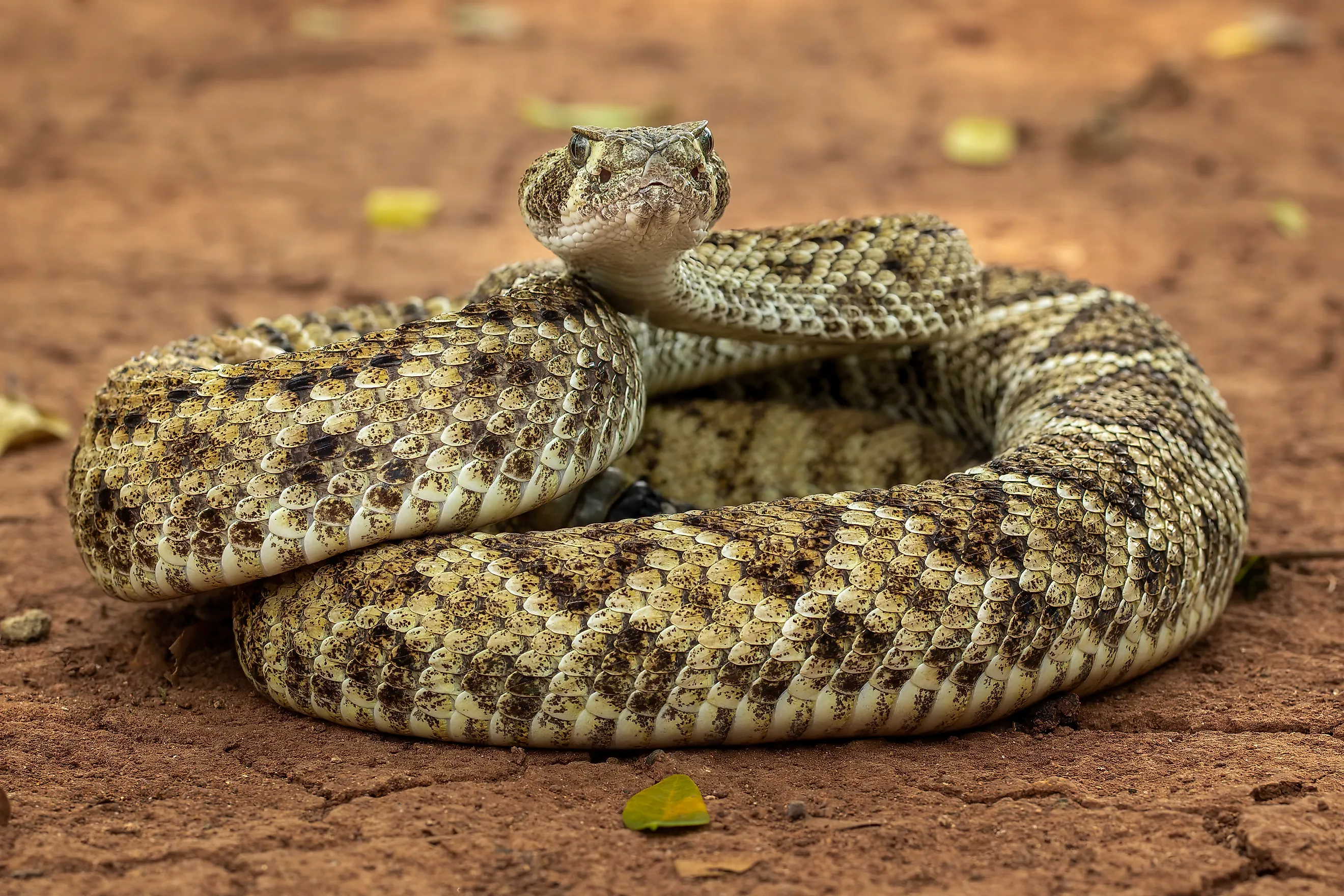
The American Mountains With The Most Rattlesnakes
Across the United States, rattlesnakes occupy a fairly wide range of habitats, from dry desert valleys and open grasslands, to woodlands, canyon bottoms, and even some mountains. Most species favor places that combine shelter with areas suitable for basking, including rocky outcrops, fallen timber, and south-facing slopes. Their distribution also changes quite a bit with elevation, temperature, vegetation, and prey availability, so even within a single mountain range, their habitat can often be concentrated in only a handful of particular zones. The peaks we will discuss here, however, include some of the country's most notable rattlesnake populations. Many are also located within popular state/national parks, making awareness all the more important to avoid a venomous bite.
Guadalupe Mountains, Texas

This range sits primarily within the Guadalupe Mountains National Park and rises abruptly from the Chihuahuan Desert in the far west of Texas, creating a perfect mix of boulder-filled canyons, desert flats, and higher-elevation forests that supports several rattlesnakes. The local National Park Service has recorded five native species, including western diamondback, black-tailed, and rock rattlesnakes, with secluded canyons providing the most important habitat for them. McKittrick Canyon especially stands out for its combination of steep limestone walls, desert vegetation, and a permanent stream, while the surrounding mountains contain numerous sheltered crevices and slopes as well.

Hikers (who tend to be the main human presence in the Guadalupe Mountains) traveling through McKittrick Canyon, Pine Springs, Dog Canyon, and other craggy areas will often encounter a rattlesnake or two, particularly where rocky cover and foliage abound, making proper footing and staying on trail when possible essential for safety reasons.
Guadalupe Peak, at 8,751 ft (2,667 m), is actually the highest point in Texas, allowing the environment around to change substantially between its desert base and pine-covered upper elevations. The 86,416-acre parkland also protects an extensive wilderness that gives plenty of other hardy wildlife, like several kinds of other non-venomous snakes, a large area to roam with limited development in the way.
Superstition Mountains, Arizona

The Superstition Mountains east of Phoenix contain some of Arizona's most recognizable and accessible desert terrain, with its volcanic cliffs, rocky gullies, and dense patches of unique desert vegetation. A great spot for reptiles, western diamondbacks are widespread across the range, while black-tailed rattlesnakes also occur in the surrounding Sonoran Desert.

At 160,200 acres, the Superstition Wilderness protects much of this mountainous environment from nearby urban development, leaving lots of surprisingly rugged habitat intact. Here, elevations climb from roughly 2,000 feet (610 m) near the desert floor to over 6,250 feet (1,905 m) at Mound Mountain, producing noticeable changes in both vegetation and temperature as you travel up.
Popular routes such as Peralta Trail, First Water Trail, and the trails around Weaver's Needle cross rocky slopes and desert washes where rattlesnakes commonly shelter beneath rocks or plants. Spring and fall generally bring more comfortable hiking conditions, but snakes can remain active during warm periods outside those seasons. With that, visitors should pay particular attention around rock piles, shaded crevices, and brush along any local trail regardless of the time of year.
Chiricahua Mountains, Arizona

The Chiricahua Mountains in southeastern Arizona jut sharply from the surrounding Chihuahuan Desert. They boast a variety of biomes, from rock-strewn canyons and grasslands to oak woodland and pine forest, which together support around 30 native species of snakes. As usual in the Southwest, when it comes to rattlers, western diamondbacks are the most common kind and occupy lower elevations, while black-tailed and twin-spotted rattlesnakes show up more in higher, mountainous zones. Banded rock and Mojave rattlesnakes also occur, though in narrower bands of habitat.

Much of the area maintains its pristine condition under the protection of Chiricahua National Monument, which encompasses 12,025 acres of the range's distinctive rhyolite formations, including the rock spires and narrow passages around Echo Canyon and Massai Point. Farther south, the Coronado National Forest covers much of the broader range, with trails crossing oak-lined slopes, drainages, and open grasslands.
This quiet range is known for its exceptional elevation gradient, going from about 4,000 feet (1,220 m) near its base to over 9,750 feet (2,972 m) at Chiricahua Peak. With that in mind, resident rattlesnakes are most likely to be encountered in warmer, low-down locales, particularly around loose rock and dense shrubs.
The Rocky Mountains, Colorado/New Mexico/Utah/Montana/Wyoming

The Rocky Mountains stretch across several states and provinces, but their share of rattlesnakes is concentrated mainly in its relatively warmer, lower-elevation valleys and foothills. As a result, prairie rattlesnakes can be seen locally from Montana through Wyoming and into Colorado and New Mexico, favoring dry grasslands, inclines, sagebrush, and open woodland. In Yellowstone National Park, for example, a park not really known for its reptile presence, they are restricted largely to the lower, warmer Yellowstone River area, including Reese Creek, Stephens Creek, and the aptly named Rattlesnake Butte.

Coiled prairie rattlesnake tongue out.
Farther south, however, western rattlesnakes show up in increasingly large numbers across the board, while places like Dinosaur National Monument in Colorado and Utah also feature notable amounts of prairie rattlesnakes and midget-faded rattlesnakes.
Location is obviously important across this vast chain of mountains, as Rocky Mountain National Park itself (and most other alpine parklands like it) has no documented rattlesnake population, illustrating how quickly high-elevation conditions often limit the range of these cold-blooded predators.
The Appalachian Mountains, Georgia and North Carolina

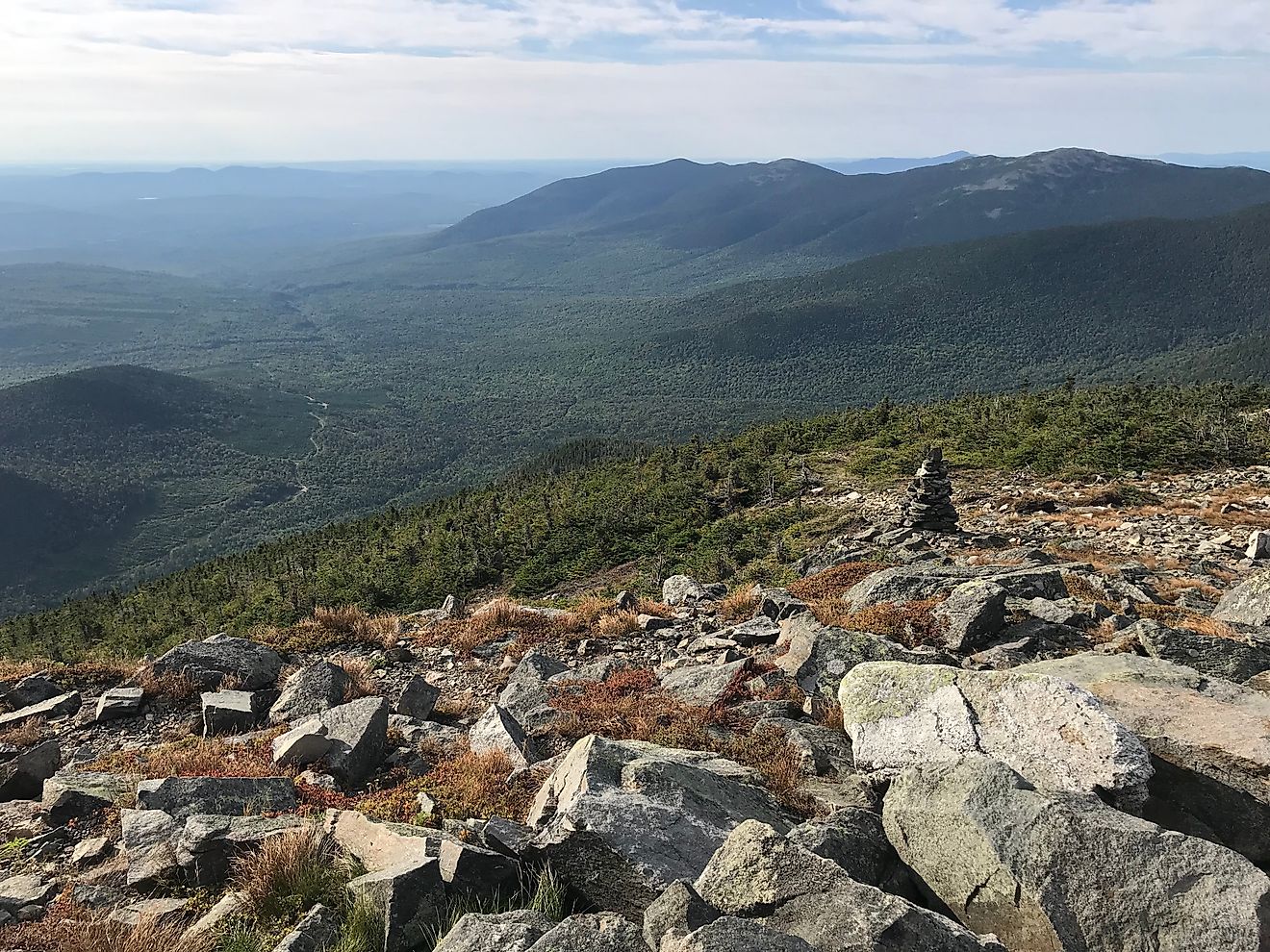
The Appalachian Mountains span across a broad stretch of the eastern United States, from Pennsylvania south through Virginia, West Virginia, Tennessee, North Carolina, and Georgia. The focus here is on the latter two, as they both have the greatest concentration of rattlesnakes by far.

Unlike the desert snakes found farther west, timber rattlesnakes favor this region's forested mountains, rocky ridges, and talus slopes that warm in the sun when not being rained on. The distribution of the eastern dwelling species is still highly localized, though, with den sites often centered around only the most exposed rock formations and steepest inclines. In the southern Appalachians, populations occur at elevations ranging from low valleys to more than 5,000 ft (1,524 m), depending on latitude and local conditions.
Great Smoky Mountains National Park has one of the most studied populations of timber rattlers, housing groups that also bleed into sections of the Blue Ridge and Allegheny Mountains. Here, they typically emerge from winter dens in spring, then travel considerable distances during the later spring and summer months before returning to the same general denning areas in autumn.
Keep Your Eyes Peeled for Rattlesnakes in these Wildernesses
From the arid Sonoran Desert to lush Appalachian ridges, there are a number of rugged areas in the United States where rattlesnakes are just one of many dangers. Elevation, levels of exposure, vegetation, and available shelter determine where they thrive, although, being the hardy critters they are, these factors can clearly vary widely. On the other hand, many snakes in general spend little time near mountain summits, instead favoring temperate foothills, valleys, and more open terrain. Given the fact that the above-mentioned places are quite popular with sightseeing human visitors, too, understanding these habitat patterns not only helps explain rattlesnakes' surprisingly broad distribution, but can better ensure your safe travels as well.