The US Valleys With The Most Rattlesnakes
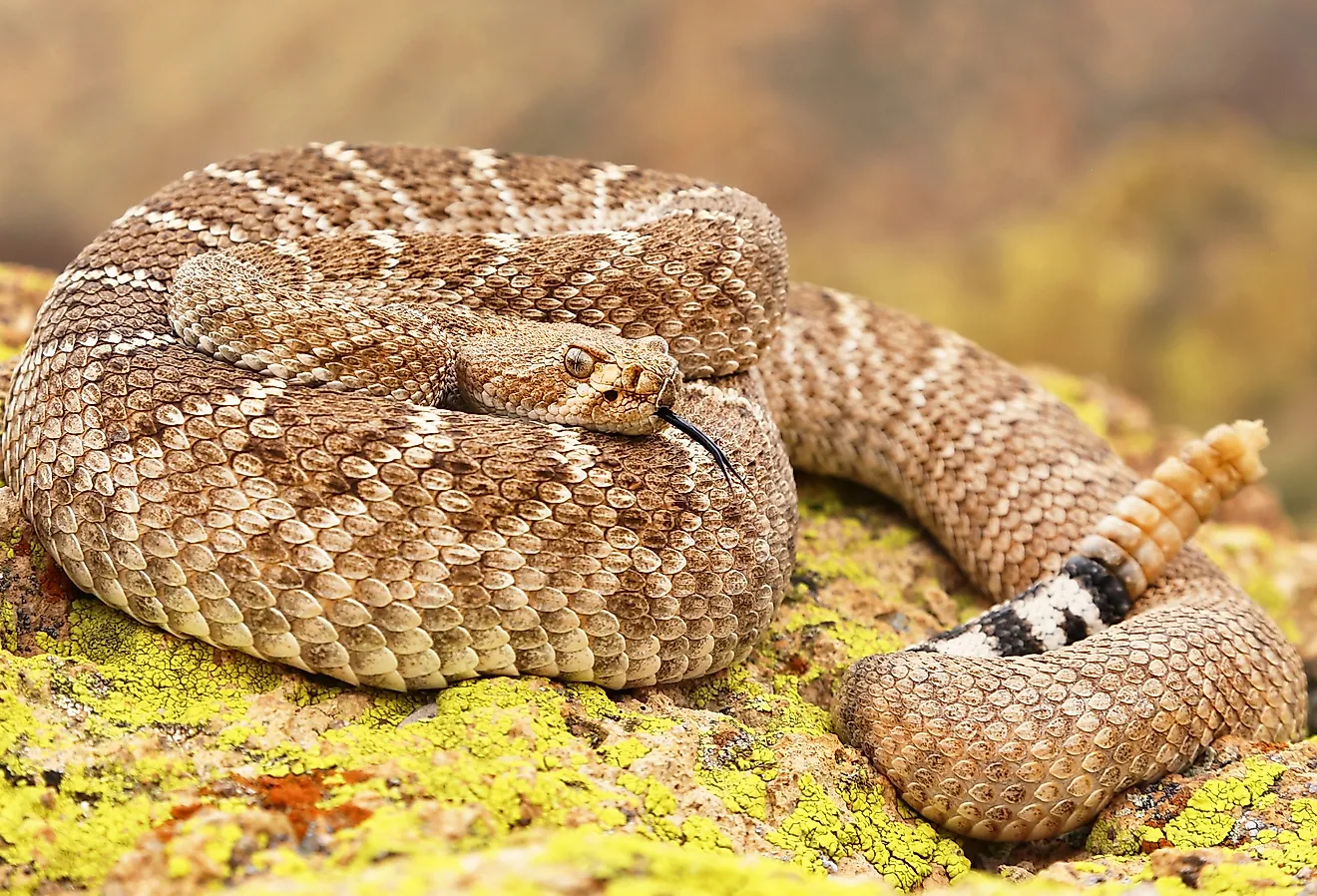
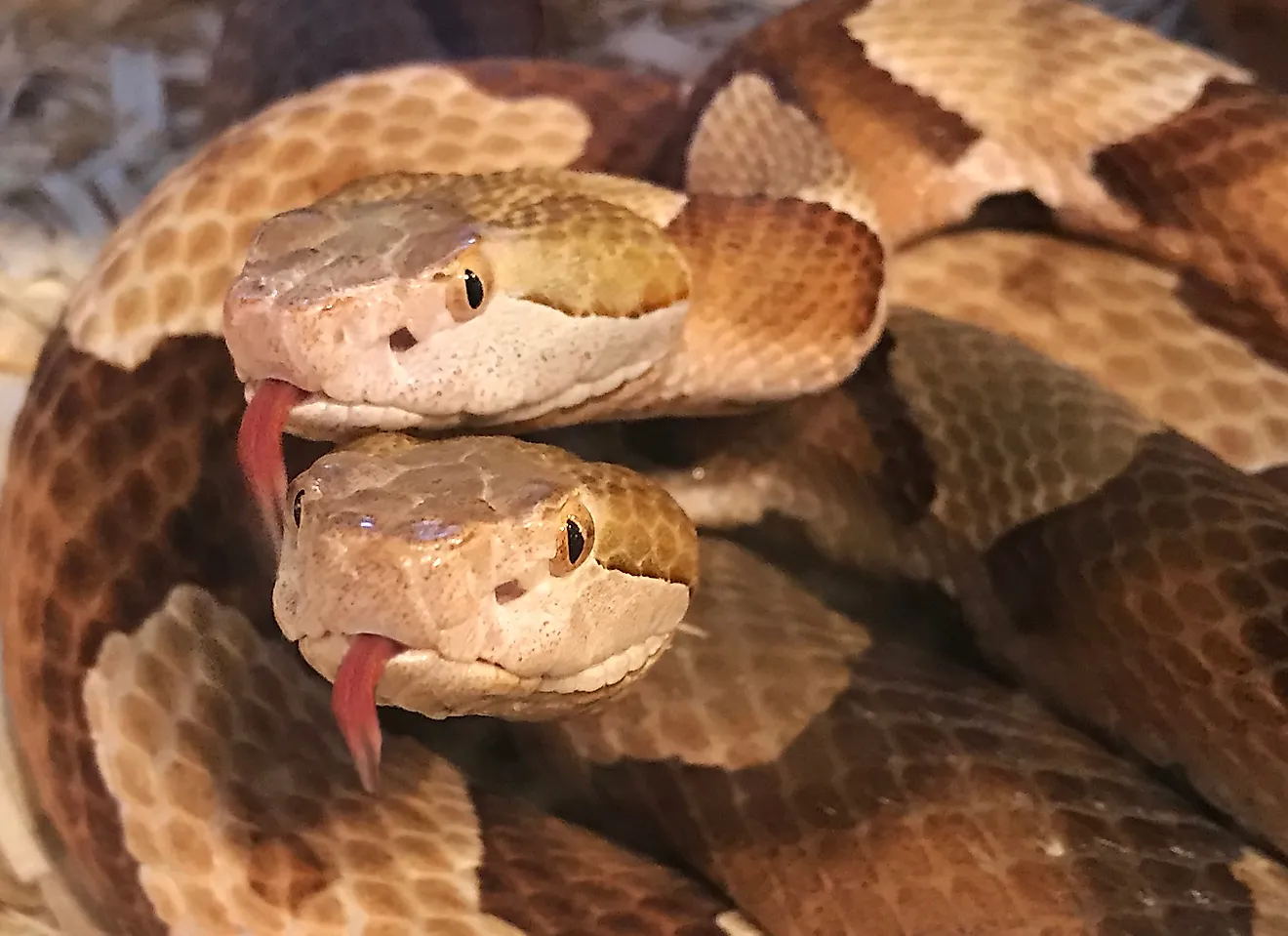
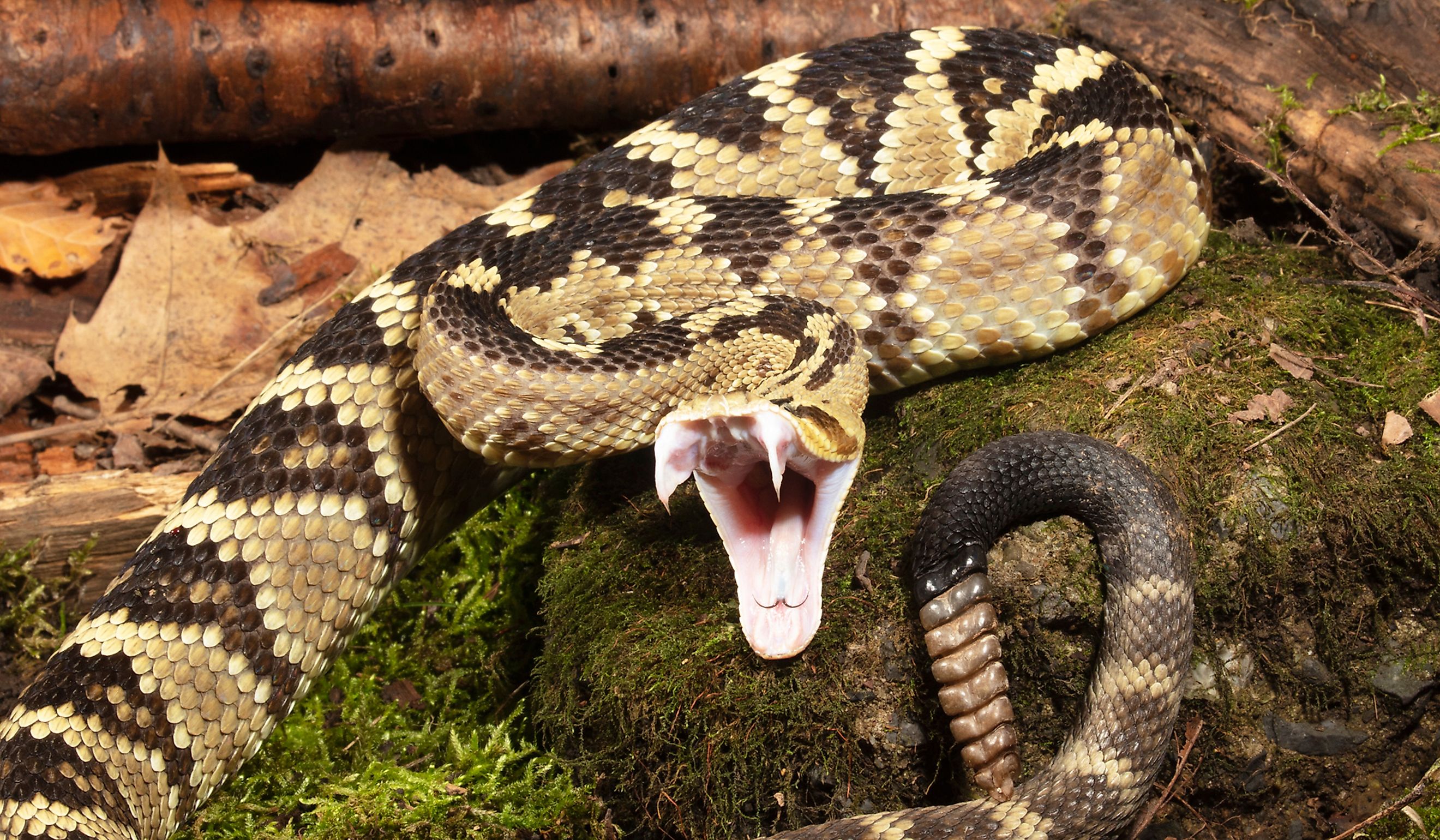
Rattlesnakes flourish in several valleys across the western and southwestern United States, where desert-like conditions supply a surprising amount of prey and shelter for these reclusive predators. Some valleys host several species, while others are dominated by the likes of western diamondbacks, prairie rattlesnakes, or Great Basin rattlesnakes. Their distribution also depends on local habitat, with sandy regions favoring different snakes than wooded foothills or rocky cliffs. For the people who visit, whether for science or leisure, encounters vary with temperature, season, and proximity to dens, including along hiking trails and roads.
Death Valley, California

Death Valley boasts significant populations of rattlesnakes across its array of sandy flats, mesquite thickets, and rock-strewn foothills. Sidewinders thrive in the sandy terrain, while panamint rattlesnakes generally stick to foothills and mountain slopes. Mojave rattlesnakes also occur at times in Death Valley National Park, but the National Park Service considers them rare and restricted to its southern half.

Watch the ground at the Mesquite Flat Sand Dunes, where sidewinders often leave unique J-shaped tracks that can reveal their movements across the sand. This sideways movement limits contact with hot sand. These snakes also hunt lizards and small mammals, sheltering in rodent burrows or partially burying themselves beneath the surface.
Activity for these reptiles centers on dawn and dusk, shifting into nighttime during warmer weather. Visitors exploring the dunes should watch where they step regardless of the time of day, avoid approaching snakes for photographs, and leave any resting animals plenty of room to move away.
Rincon Valley, Arizona

Rincon Valley's saguaro forests and gravelly washes extend along the southern edge of Saguaro National Park's Rincon Mountain District, just outside of Tucson. Western diamondbacks are fairly common in the park, occupying desert habitats where favorite foods like rodents and other small animals are found. Black-tailed rattlesnakes inhabit Sonoran Desert uplands, too, including rocky ground among saguaros, although they range into mountain woodlands.

The valley's Hope Camp Trail follows ranch roads past Deer Camp and Hope Camp, where windmills and ranching equipment remain. Starting at Loma Alta trailhead, hikers can explore this lower desert terrain beneath Tanque Verde Ridge and Rincon Peak. The Ridgeview Trail offers a shorter alternative, covering 2.2 miles (3.5 km) round trip with views into rocky side canyons.
Along these routes, keep hands clear of rock crevices and check shaded resting spots before sitting, as rattlesnakes do not always sound a warning when approached.
Lower Rio Grande Valley, Texas

Western diamondbacks thrive in the Lower Rio Grande Valley's dry thorn scrub, with notable populations at Laguna Atascosa National Wildlife Refuge and Palo Alto Battlefield National Historical Park. But like anywhere in the country, their distribution varies with habitat. Local naturalists report fewer encounters in the denser woodlands of Sabal Palm Sanctuary and Resaca de la Palma State Park. Texas indigo snakes also live in the region and prey on rattlesnakes, adding another predator to a food web sustained partly by small mammals.

At Palo Alto, staff have found rattlesnakes near the visitor center, where irrigated vegetation can attract prey. Farther west, the La Puerta tract of Lower Rio Grande Valley National Wildlife Refuge supports western diamondbacks among gravel and caliche hillsides. Its unusual barretal vegetation includes barreta, blackbrush, Mexican oregano, and tasajillo, which often make great hiding spots for these critters. You can similarly keep an eye out for roadrunners, crested caracaras, Texas tortoises, and javelinas in this thorny terrain.
Coachella Valley, California

Red diamond rattlesnakes, Mojave green rattlesnakes, and southwestern speckled rattlesnakes are frequently sighted in and around the Coachella Valley, where sandy desert meets the expanding neighborhoods of cities like Palm Springs and Indio.

Like in nearby Death Valley, sidewinders also inhabit the Coachella Valley Preserve. This variety reflects the diverse habitats remaining between developed areas, from boulder outcrops to creosote scrub and dunes. The approximately 1,900-acre Coachella Valley Ecological Reserve protects windblown sand deposits used by a number of different reptiles, rodents, and insects. The surrounding preserve shelters Coachella Valley fringe-toed lizards, which escape predators by diving beneath the sand. Nearby, Thousand Palms Oasis also hosts native palms where groundwater reaches the surface along local faults connected to the broader San Andreas Fault.
Agricultural and urban development have reduced these specialized habitats, making the protected desert parcels important for wildlife beyond the palm groves, golf courses, and residential streets of the valley.
Yakima River Valley, Washington

Western rattlesnakes call the abundant hills and basalt formations along the Yakima River home, namely the canyon between Ellensburg and Yakima. Craggy rock crevices provide idyllic winter dens, with snakes concentrating around these shelters before dispersing into surrounding feeding grounds when it comes time to eat.

Across much of the Columbia Basin, emergence begins in April, making spring a significant period for activity near den sites. With that, the Umtanum recreation site carries an explicit rattlesnake advisory and has a footbridge across the river leading toward Umtanum Creek Canyon. Hikers commonly pass through shrub-steppe and creekside vegetation here, while the steeper Umtanum Ridge Crest route climbs above the river.
Bighorn sheep also occupy these slopes, and birds of prey hunt over the open ground. Farther along the Yakima River State Scenic Byway, Big Pines, Lmuma Creek, and Roza offer additional riverside recreation areas within the same dry canyon environment used by these snakes.
Salt Lake Valley, Utah

Great Basin rattlesnakes inhabit the Salt Lake Valley's foothills, including the slopes above Salt Lake City. The city actually identifies them as its most common rattlesnake species and notes that individuals return to the same winter dens year after year. They feed primarily on rodents in the brushy terrain bordering neighborhoods and recreation areas.

Further along the valley's eastern edge, the Bonneville Shoreline Trail crosses Wasatch foothills where exposed rocks and vegetation can conceal resting snakes. Moreover, the Living Room Trail, starting near the Natural History Museum of Utah, climbs through scrub oak toward a pleasant viewpoint overlooking the valley. Its stone seating makes checking crevices before sitting an especially sensible idea. Dogs should also remain leashed on these foothill routes.
Also of note for anyone interested in local hydrology, the Bonneville Shoreline Trail follows portions of the ancient Lake Bonneville shoreline, marking terrain that stood beside a much larger body of water tens of thousands of years ago.
Middle Rio Grande Valley, New Mexico

At Petroglyph National Monument, rattlesnakes appear both in ancient rock carvings and among the volcanic boulders themselves. This stretch of the Middle Rio Grande Valley contains plenty of western diamondbacks and prairie rattlesnakes, with diamondbacks identified by park staff as the more common species overall. Their habitat includes the broken basalt escarpment along Albuquerque's West Mesa, formed by lava flows approximately 200,000 years ago.

Keep in mind that spring and summer bring the greatest likelihood of snake encounters here. Rinconada Canyon's 2.2-mile (3.5 km) round-trip trail is a highly recommended walk, as it follows the escarpment past roughly 300 visible petroglyphs, including animal imagery. Many carvings were made by ancestral Puebloans, while later inscriptions reflect Spanish settlement and livestock grazing. Knowing that, being mindful of respecting these historic landmarks is just as important as protecting the natural environment. But back to the main subject, this route combines sandy ground with views of dark volcanic rock, where collared lizards also bask alongside the numerous resident snakes.
Keep an Eye Out for Rattlers in These Beautiful Valleys
Given their venomous bites, rattlesnake encounters are a practical consideration when exploring these valleys, especially where trails cross hills and dense scrub. It's best to stay on marked routes, check the ground before sitting, and keep dogs leashed. If a snake does happen to block your path, stop and give it room to leave, and never reach beneath rocks or try to move a rattlesnake out of your way yourself.