The American Mountains With The Most Venomous Snakes
Venomous snakes that inhabit mountains across the United States typically belong to the viper family, including rattlesnakes and copperheads. These snakes use rocky outcrops, talus slopes, and crevices on mountainsides to overwinter, sometimes sharing denning sites with other species. In Colorado, prairie rattlesnakes (Crotalus viridis) range through the grasslands and shrublands of North Table Mountain. Camelback Mountain in Arizona is home to rattlesnakes within the Phoenix metropolitan area. Farther east, timber rattlesnakes (Crotalus horridus) live in the forested mountains of New York and Pennsylvania. These five mountains across four states show where rattlesnakes and copperheads den, bask, and hunt.
North Table Mountain, Colorado

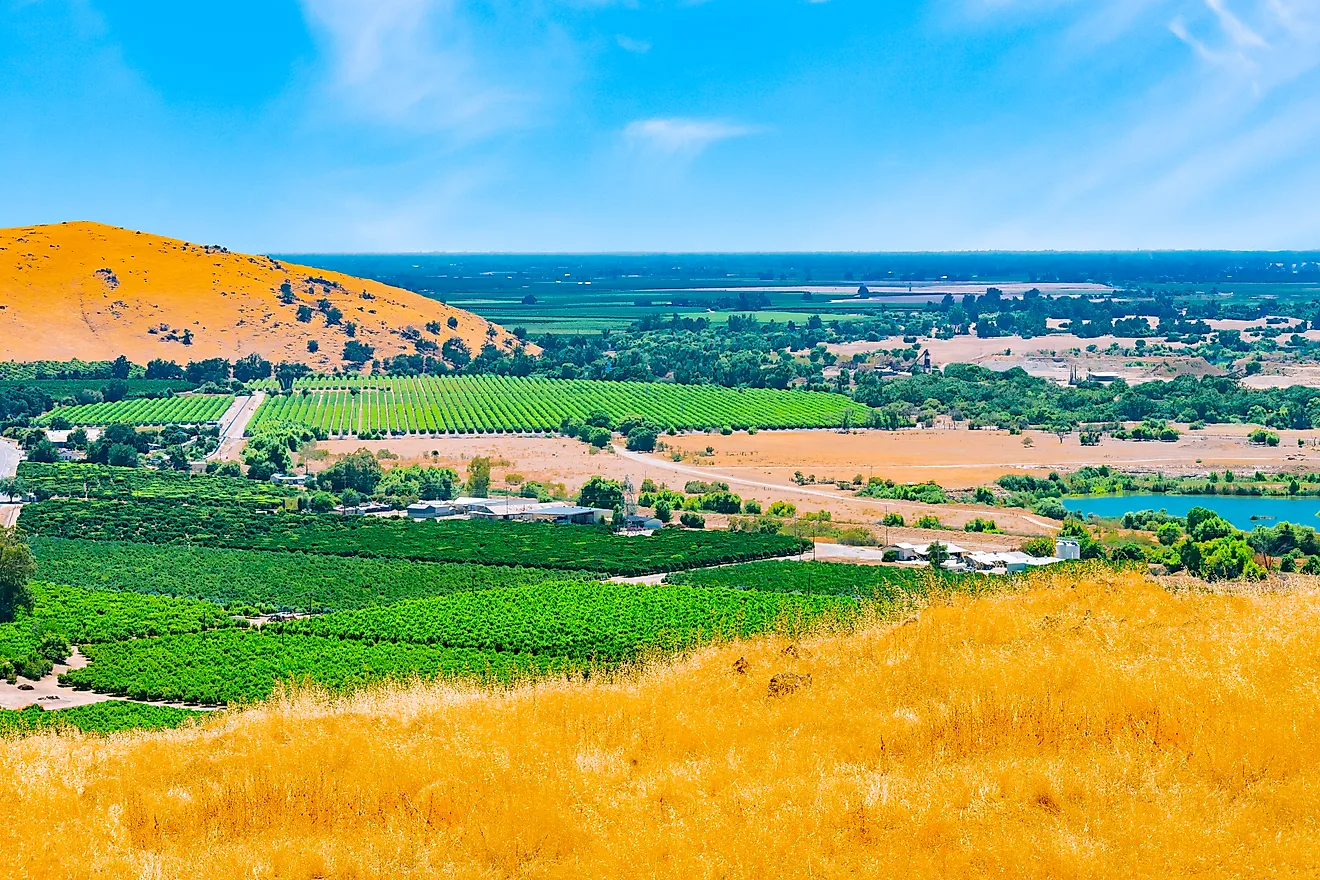
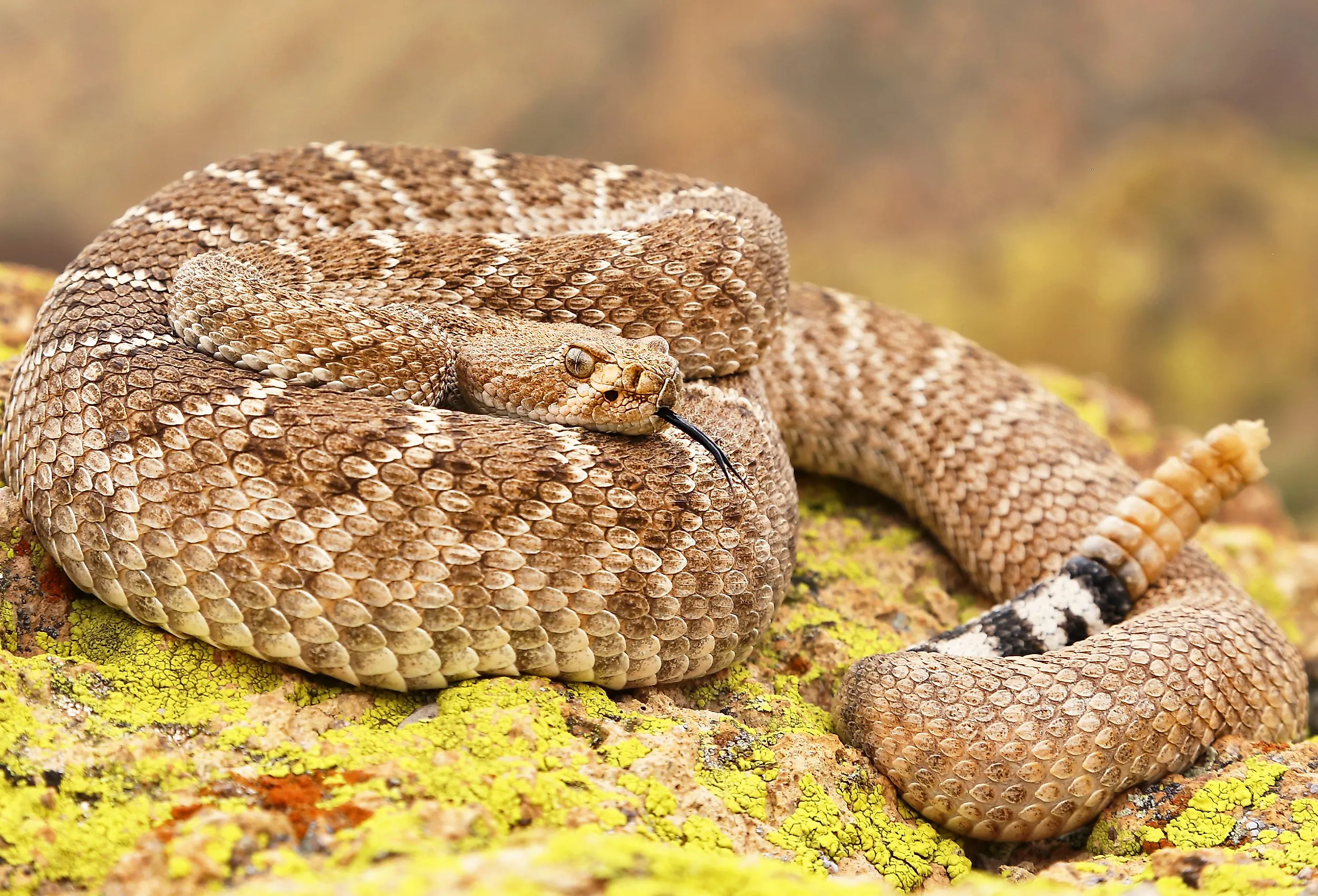
North Table Mountain is a mesa rising to approximately 6,555 feet (1,998 meters) near Golden, Colorado, along the eastern edge of the Rocky Mountain foothills. The mountain lies within North Table Mountain Park, where rocky slopes, grasslands, and shrublands are home to prairie rattlesnakes. Prairie rattlesnakes occur across much of Colorado, with upper elevation limits generally ranging from 7,500 to 9,500 feet (2,286 to 2,896 meters), depending on the region.

North Table Mountain supports an established prairie rattlesnake population that has been studied by Jefferson County Open Space. Research documented the snakes using nearly all habitat types within the study area, including rocky terrain and shrublands. The mountain contains multiple known denning sites where rattlesnakes shelter during colder months. During their active season, prairie rattlesnakes may be encountered basking on trails and rocky ledges or seeking cover beneath rocks and vegetation.
Camelback Mountain, Arizona

Camelback Mountain is one of Phoenix's most prominent natural landmarks, reaching a summit elevation of 2,704 feet (824 meters). Two main hiking routes, Echo Canyon Trail and Cholla Trail, climb its steep, rocky slopes, with the summit approximately 1,400 feet (427 meters) above the surrounding trailheads. Despite being surrounded by urban development, the mountain retains native Sonoran Desert habitat that supports rattlesnakes and other desert wildlife.

Southwestern speckled rattlesnakes (Crotalus pyrrhus) are associated with rocky desert mountains in the Phoenix region, while western diamondback rattlesnakes (Crotalus atrox) inhabit a wider range of Sonoran Desert environments, including areas near residential neighborhoods. Tiger rattlesnakes (Crotalus tigris) also occupy rocky mountain slopes in parts of the surrounding region. Urban development has increasingly isolated Camelback Mountain from neighboring natural areas, making its remaining desert land important for local wildlife populations.
Split Rock Mountain, New York

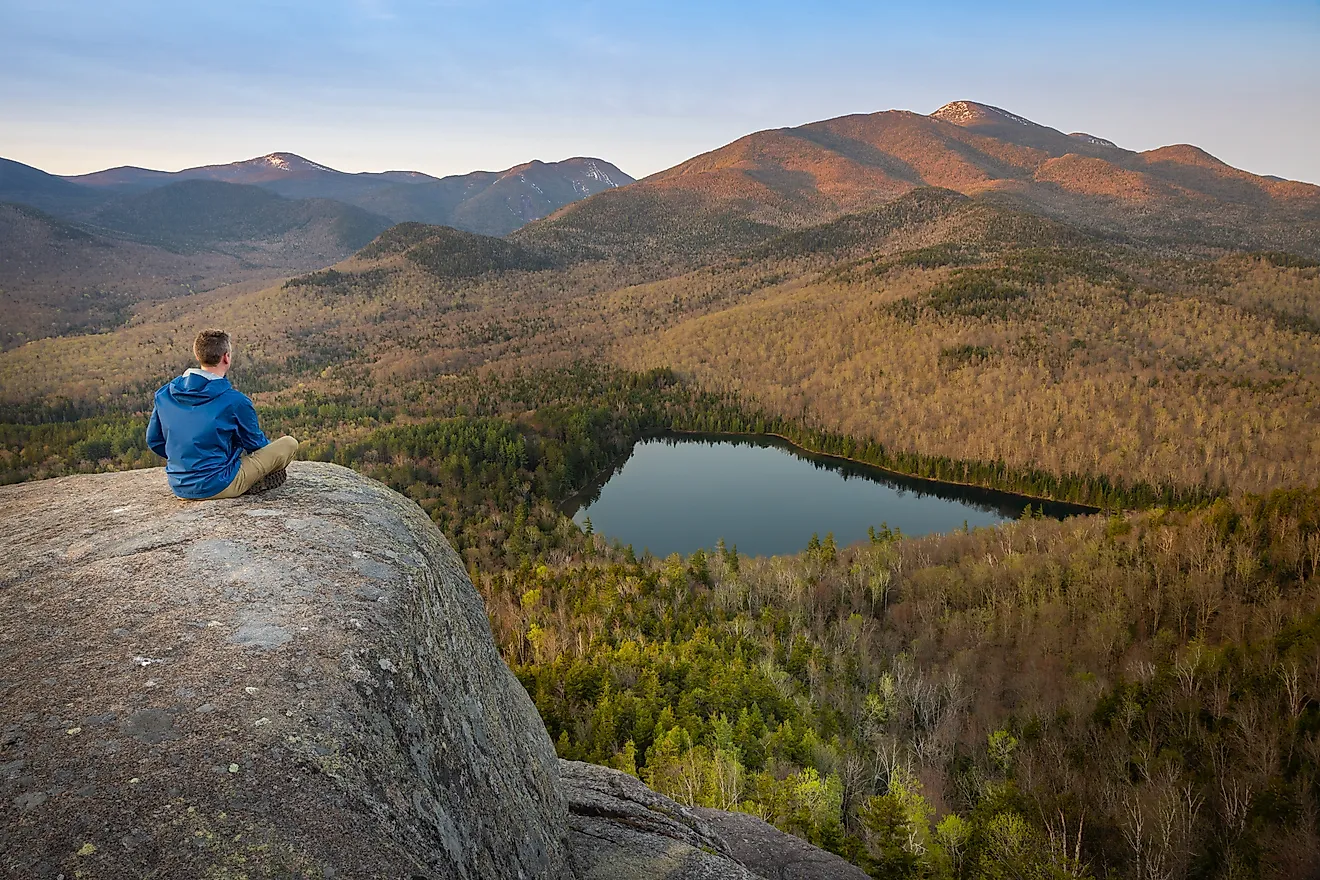
Far to the northeast, Split Rock Mountain is located in Split Rock Mountain Wild Forest in the eastern foothills of the Adirondack Mountains, along Lake Champlain. The North Rim and Robin's Run trails form a 4.5-mile (7.2-kilometer) loop, while additional side trails extend the hike to about seven miles (11 kilometers). The mountain reaches an elevation of roughly 1,020 feet (311 meters). Split Rock Mountain supports one of the northernmost breeding populations of timber rattlesnakes along the East Coast.

Timber rattlesnakes in northeastern New York use several distinct settings throughout the year. Southeast-facing talus slopes below cliffs offer winter denning sites, while nearby open rocky or grassy areas serve as basking, shedding, and birthing locations. Northern hardwood forests supply summer foraging grounds. Split Rock Mountain contains these terrain types, allowing rattlesnakes to move between seasonal habitats. During warmer months, snakes may be encountered basking on exposed rocks near trails and overlooks.
Tremper Mountain, New York

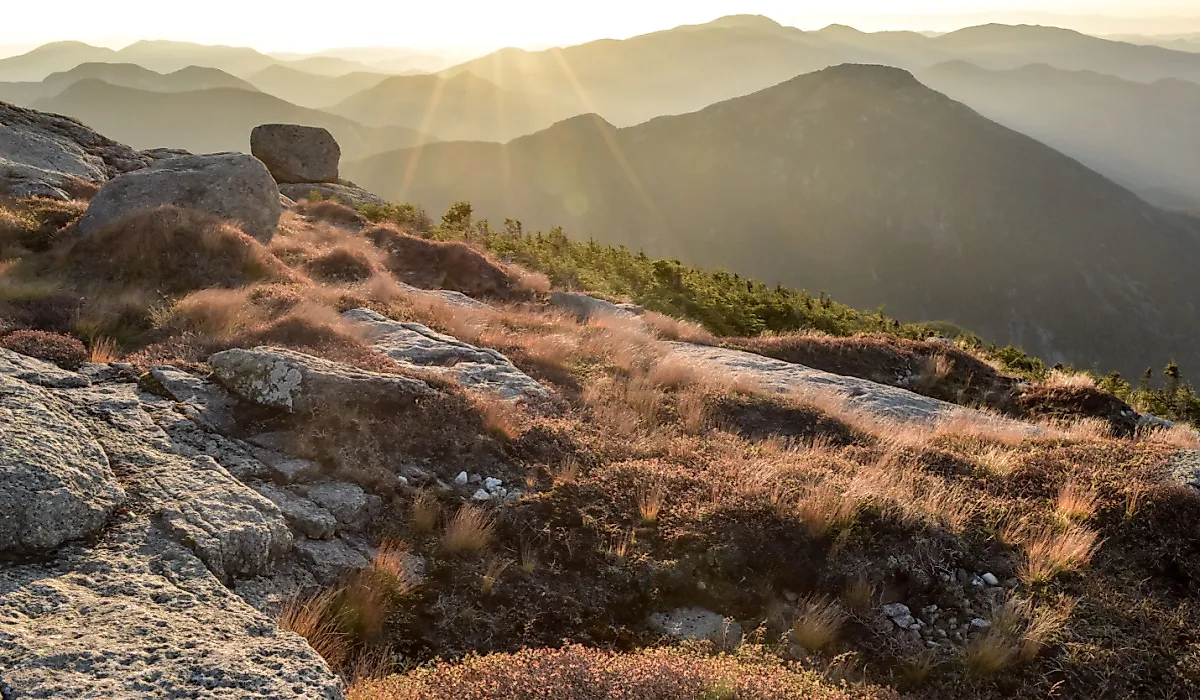
South of Split Rock Mountain, in the Catskill Mountains, Tremper Mountain rises to some 2,740 feet (835 meters). A roughly 2.75-mile (4.4-kilometer) trail climbs from the parking area to the summit, where a historic 47-foot (14-meter) fire tower offers panoramic views of the surrounding forested hills. A former bluestone quarry at an elevation of around 1,500 feet (457 meters) is a known timber rattlesnake denning area.

Timber rattlesnakes generally emerge from their winter dens in spring and remain active through the warmer months before returning to overwintering sites in the fall. The rocky slopes and forested terrain of Tremper Mountain suit these snakes well. Although rattlesnakes are closely associated with rocky areas and denning sites, they may also be encountered elsewhere along the mountain's trails while moving between seasonal sites.
Kings Gap, Pennsylvania

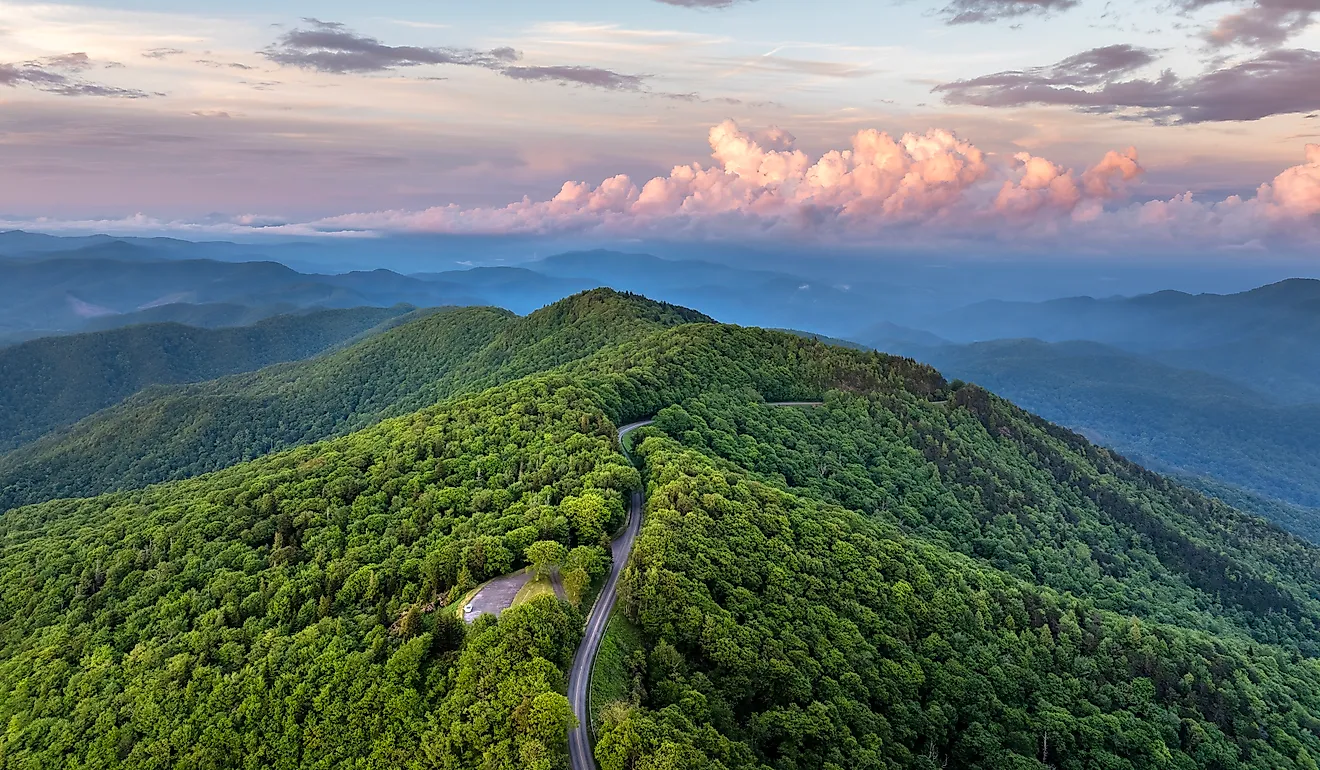
Southwest of the Catskills, Kings Gap Environmental Education Center encompasses 2,531 acres of forest, with elevations ranging from approximately 700 feet (213 meters) to 1,400 feet (427 meters). Located on South Mountain, at the northern end of the Blue Ridge Mountains in south-central Pennsylvania, the property features extensive forests and panoramic views of the Cumberland Valley, particularly from the Cameron-Masland Mansion.

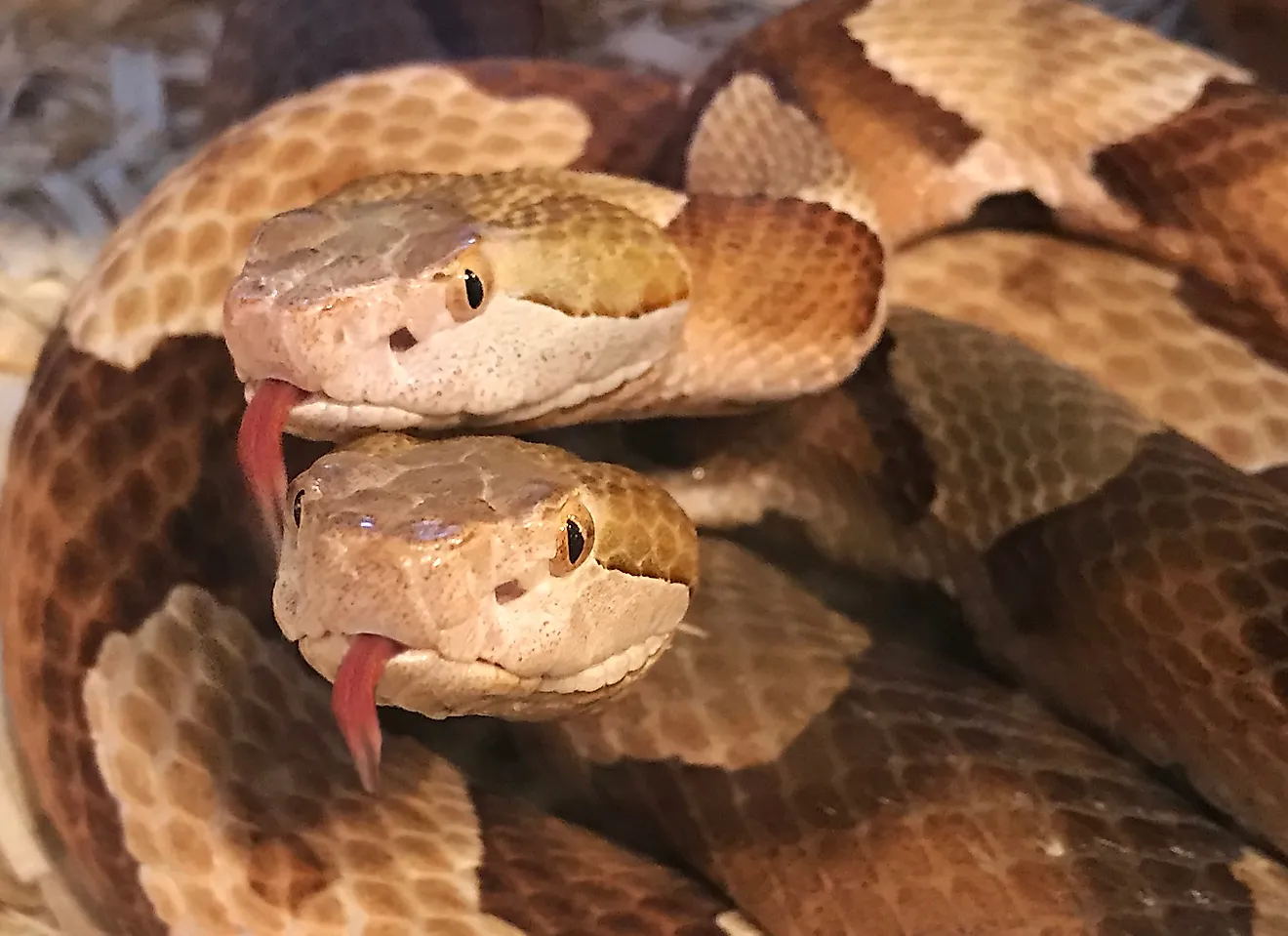
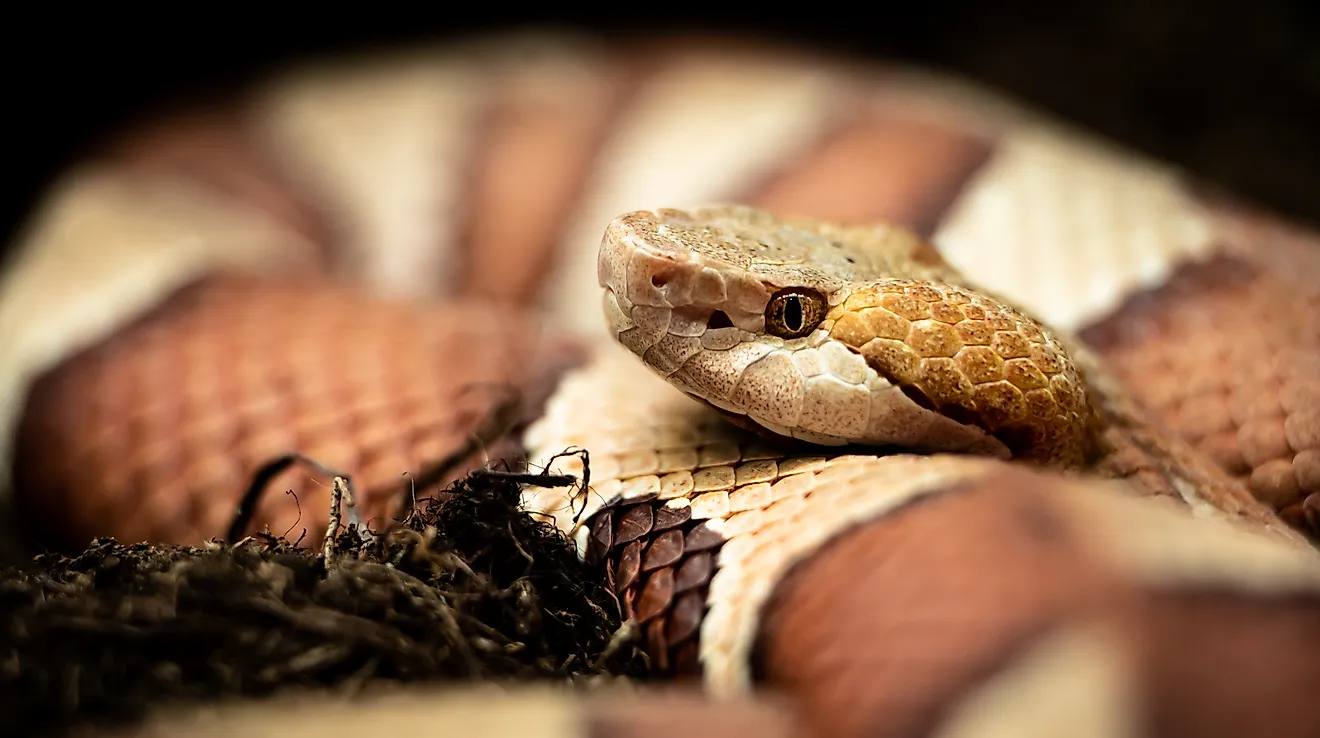
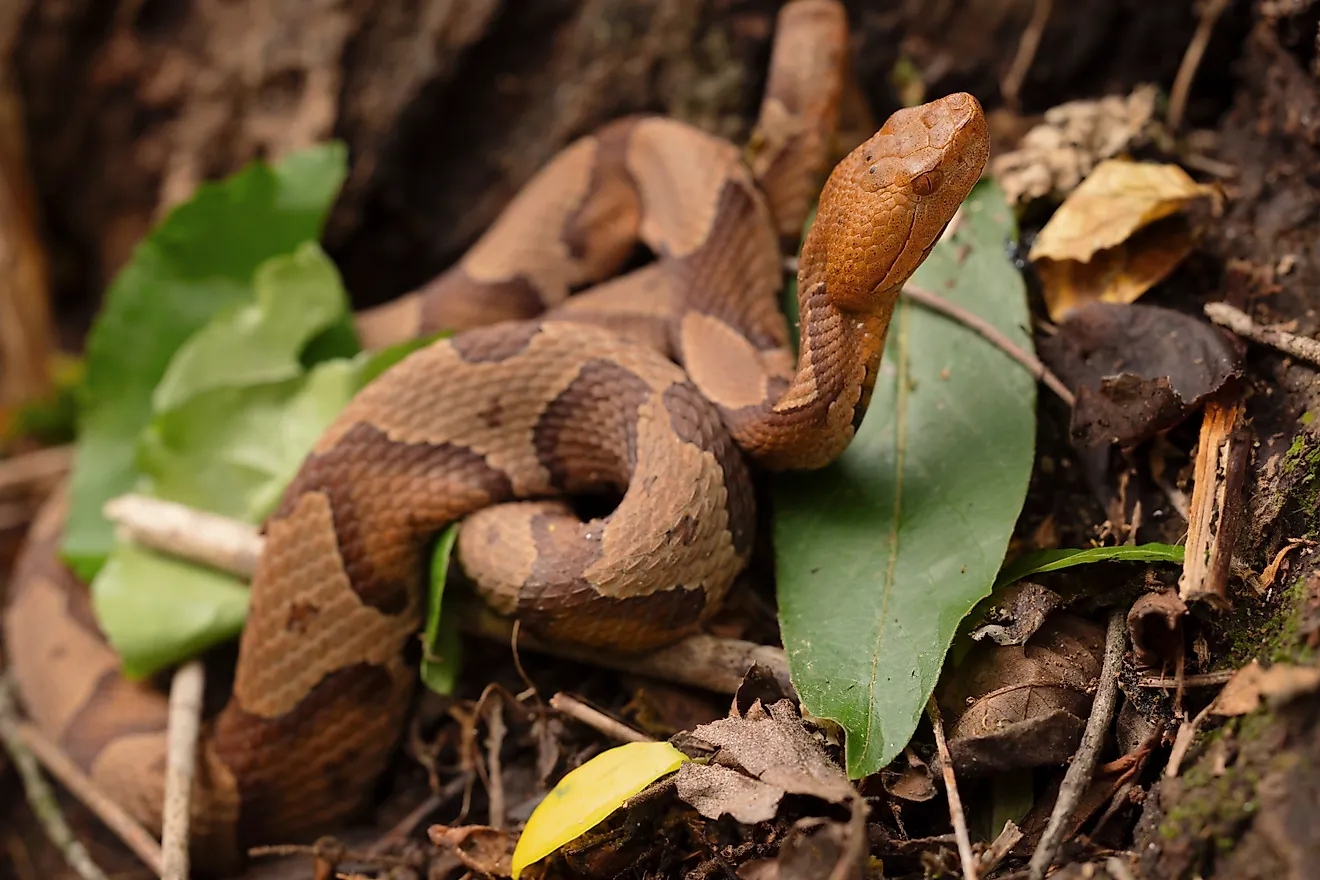
Both timber rattlesnakes and northern copperheads (Agkistrodon contortrix) inhabit Kings Gap. The Pennsylvania Department of Conservation and Natural Resources reports that both species sometimes hunt rodents along the stone walls surrounding the mansion during the summer. Copperheads are widespread throughout much of Pennsylvania, while the timber rattlesnakes of South Mountain form an isolated population. Both species use sheltered rocky ground for overwintering and may share suitable winter denning sites.
Mountainous Venomous Snakes
Venomous snakes occupy a variety of mountain landscapes across the United States. Prairie rattlesnakes use the grasslands and rocky slopes of Colorado, while desert mountains in Arizona are home to several rattlesnake species. In the East, timber rattlesnakes shelter in the rocky forests of New York and Pennsylvania. These snakes play important ecological roles as predators of rodents and other small animals. Although encounters along hiking trails are possible, maintaining a safe distance allows both visitors and snakes to remain undisturbed.