The Most Dangerous Animals In Death Valley
If Death Valley's scorching temperatures won't get you, then the wildlife will. At least, that's the common sentiment.
In reality, animals are unlikely to harm humans in Death Valley National Park unless other circumstances are at play that trigger defense responses, such as a misplaced step on a rattlesnake den or scorpion, or if an invasive mammal gets too close to humans to get food.
Out here in the remote Death Valley, a venomous bite or sting can become life-threatening quickly, meaning it's important to be aware of these animals.
Burros

Also known as donkeys or wild asses, burros are well suited to life in Death Valley due to originating from the deserts of Northern Africa. However, these burros are considered an invasive species, as they take up water holes and overgraze vegetation. One burro eats an average of 6,000 pounds of vegetation annually.
They were not originally from Death Valley but were brought in by miners in the 19th century moving to California to seek gold. They are also aggressive and will drive off animals that approach them, and can display aggressive behaviors towards humans.

This behavior is in part driven by visitors who try to feed or interact with the burros. This can in turn encourage aggressive behavior from burros who may get far too close to hikers to get food. In general, they are territorial creatures and are more likely to stand their ground when threatened.
Because of these behaviors and their status as an aggressive species, the National Park Service (NPS) has made several efforts to eliminate them, ranging from airlifting them to sanctuaries to killing them.
Mojave desert sidewinder

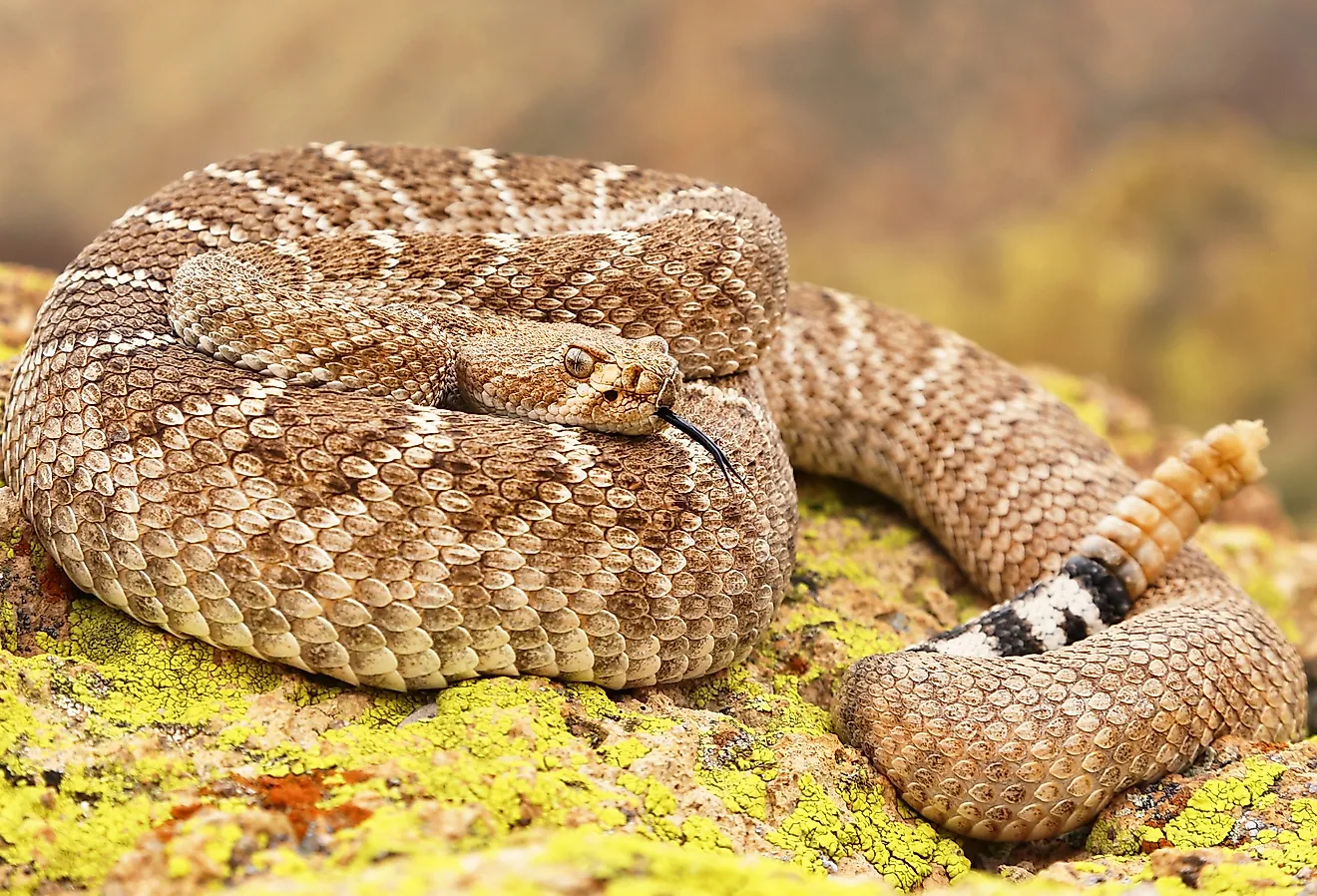
The Mojave desert sidewinder is a rattlesnake that is part of the Crotalus genus of pit vipers. It grows from 1.5 feet to three feet long, which is smaller than the other two rattlesnakes on this list on average. It gets its name from its specialized movement as it winds through the sand in an 'S' shape.
This sidewinding not only allows it to move quickly through the sand, but it also helps minimize its body exposure to the hot surface. They come out at dawn and dusk for most of the year, but may turn nocturnal during the summer months.
During the day, they will either submerge themselves underneath the sand or hide in burrows. One can see signs of them in the sand through their J-shaped tracks.

The sidewinder is venomous, with hemotoxic and cytotoxic properties that damage cells and blood vessels. However, they typically don't have enough venom to kill a human, as they average about 33 milligrams of toxin, and it takes 40 milligrams to kill someone. In addition, their defensive bites against humans only deliver a tiny percentage of venom.
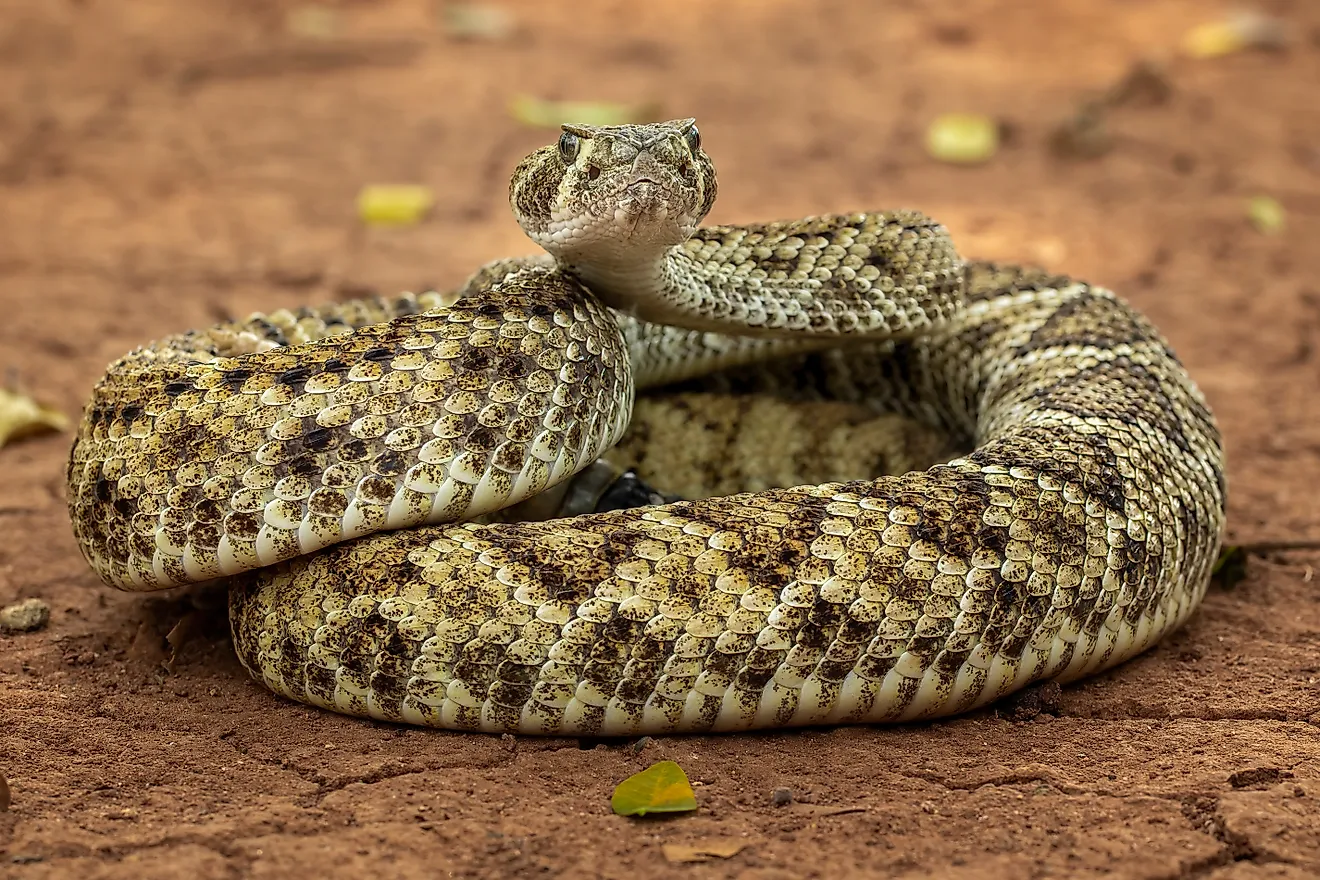
Panamint rattlesnake
Until recently, the panamint rattlesnake was believed to be a subspecies of the speckled rattlesnake, but this was updated due to genetic research that showed it did not breed with the speckled rattlesnake. It lives at a higher elevation than the sidewinder, ranging from 1,000 to 7,300 feet in elevation in rockier areas. This means one is unlikely to encounter it at the lower sections of Death Valley.
Much like the sidewinder, it adjusts its activity depending on the season, becoming more nocturnal during summer months. It grows from 23 to 52 inches and primarily feeds on mice, rats, and gophers.
It has a stronger venom profile than the sidewinder, possessing both hemotoxic and neurotoxic properties. Neurotoxins can directly impact breathing and muscles, and typically require multiple doses of antivenom treatment.
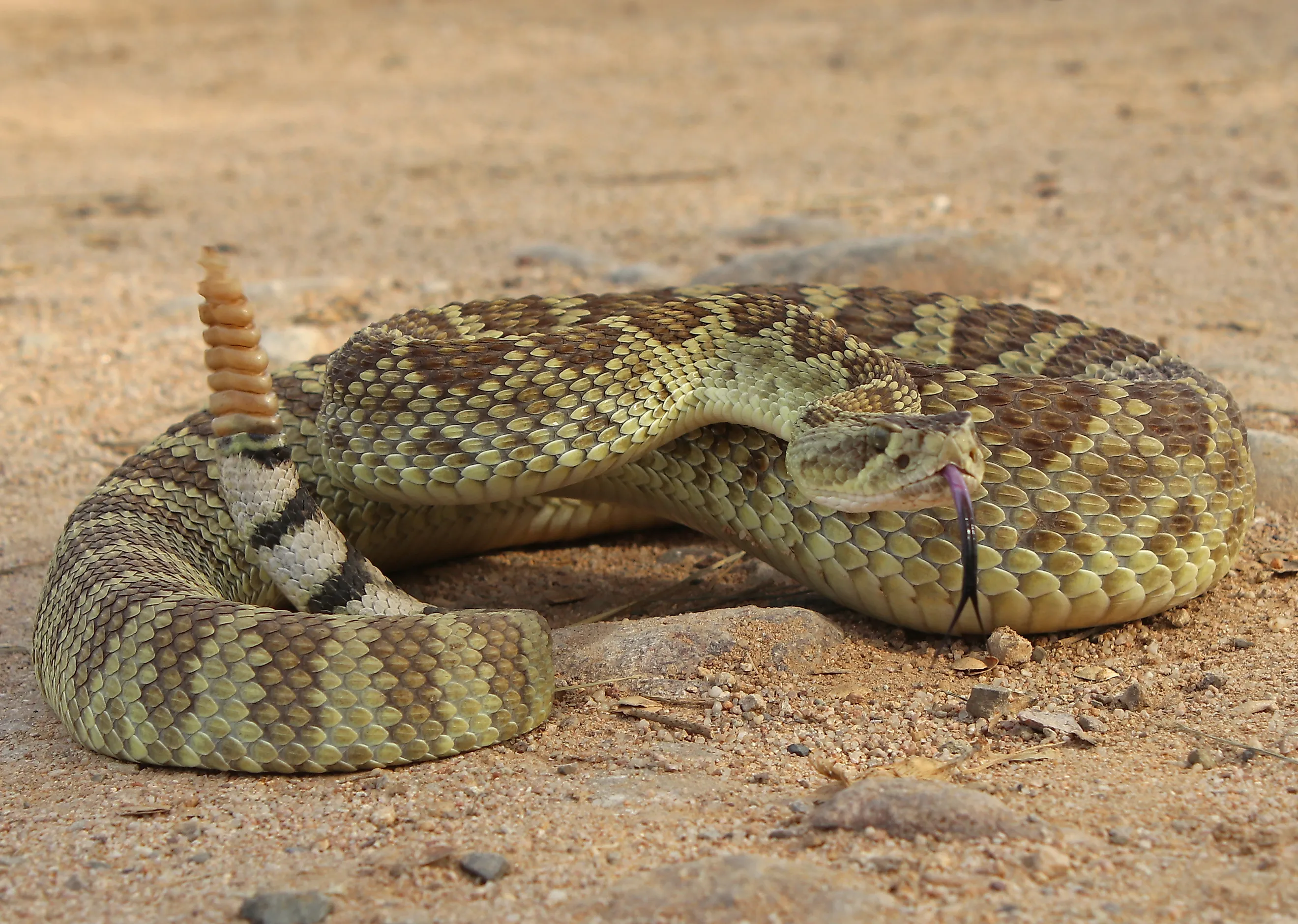
Mojave rattlesnake

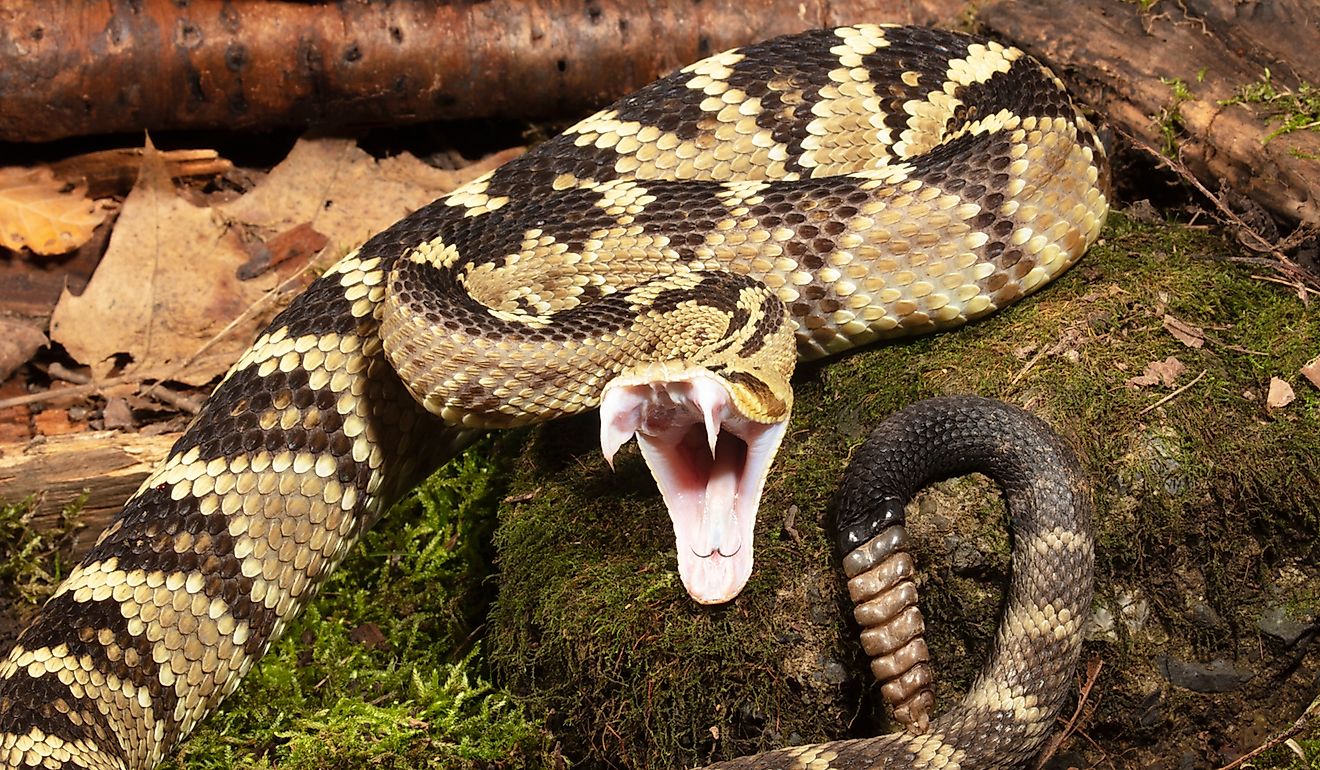
The Mojave rattlesnake is a rare sight in Death Valley National Park, only living in the southern half of the park. They can live from sea level to 8,000 feet in deserts or on the slopes of mountains. It is sometimes called a Mojave green rattlesnake due to its slight green shades.
Hikers will likely be grateful that this snake is rare in the park due to its size and potent venom. It can grow as large as 54 inches, and it contains a mixture of cytotoxic, neurotoxic, and hemotoxic venom.

Mojave rattlesnakes differ in how much of each type of venom they produce, which comes from the Mojave toxin, a neurotoxin that impacts nerve-to-muscle transmission, snake venom metalloproteinases that target the bloodstream, and cytotoxic venom that kills cells.
Bites from these snakes, although rare, can be very dangerous and can kill humans. In most cases, they avoid humans, but they are more active during mating season from March to May and from August to early October, making bites more of a possibility.
There is no direct data on how many Mojave rattlesnakes bite humans, although California did report a rise in overall snake bites in the early months of 2026 due to warmer spring temperatures bringing snakes out of hibernation earlier than expected.
Scorpions

There are many species of scorpions that live in Death Valley, including a recently catalogued variety known as Wernerius inyoensis, which is only 0.6 inches long. Researchers are able to discover and identify smaller scorpions through ultraviolet light, as scorpions glow green when exposed to it.
The largest scorpion in Death Valley is the giant desert hairy scorpion, known to grow up to seven inches long. Scorpions do share common behaviors as nocturnal creatures who come out at night to hunt for prey. During the day, they dig burrows to stay cool.

Although these scorpions have a fearsome reputation, the ones found in Death Valley aren't lethal. They don't have enough venom to kill humans and will only strike humans if threatened. Much like snakes, they often don't inject as much venom in a defensive sting as in one against prey. However, a sting can cause immediate burning and numbing.
When treating a scorpion sting, one should wash it with soap and water and manage pain through over-the-counter medicine.
Should these animals concern visitors?
In a certain sense, one should be aware of animals to avoid intruding on or bothering them, but in another, deaths caused by animals are extremely rare. The vast majority of deaths that occur in Death Valley National Park are due to vehicle accidents or extreme temperatures.
In reality, the best way to stay safe from these animals is to not harass them, such as by throwing items at them or trying to handle them, especially snakes. If one gets bitten on a trail, it will be much more challenging to get help or be transported to the hospital. In order to handle this desert, one should always travel in a group, be aware of one's surroundings, and not interact with or feed any wildlife.