The Oldest Mountain Range In The United States
Mountains feel like the most permanent things on Earth, but they are born, they grow, and they slowly wear away, which means they carry ages just like everything else. By that measure, the United States is home to some of the oldest mountains on the entire planet. The headline answer to which range is oldest is a famous one, though it comes with a genuine geological twist, depending on exactly what you mean by the word "oldest." One range is the oldest as a mountain range, while an entirely different set of peaks is built from far older rock. Here is the story of the oldest mountain range in the United States.
The Answer: The Appalachian Mountains

The oldest mountain range in the US is the Appalachian Mountains, the long, rolling chain that runs some 2,000 miles down the eastern side of the continent, from Newfoundland all the way to Alabama. The range as we know it began forming around 480 million years ago, during the Ordovician period, which makes it one of the oldest surviving mountain ranges anywhere on Earth. It is far older than celebrated ranges like the Rockies, at roughly 80 million years, or the Himalayas, at around 50 million, both of which are practically infants by comparison. When geologists call the Appalachians ancient, they mean it on a timescale that is genuinely hard to picture.
Once Taller Than the Himalayas

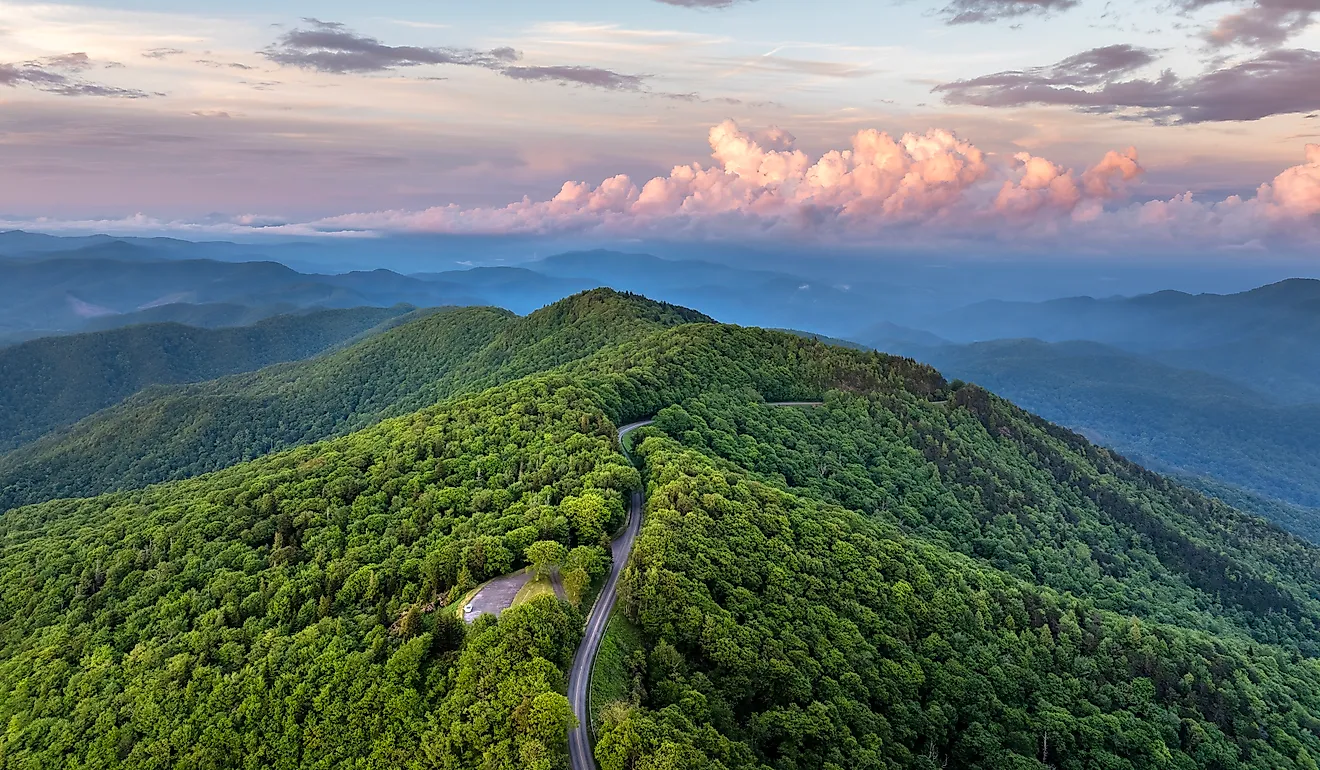
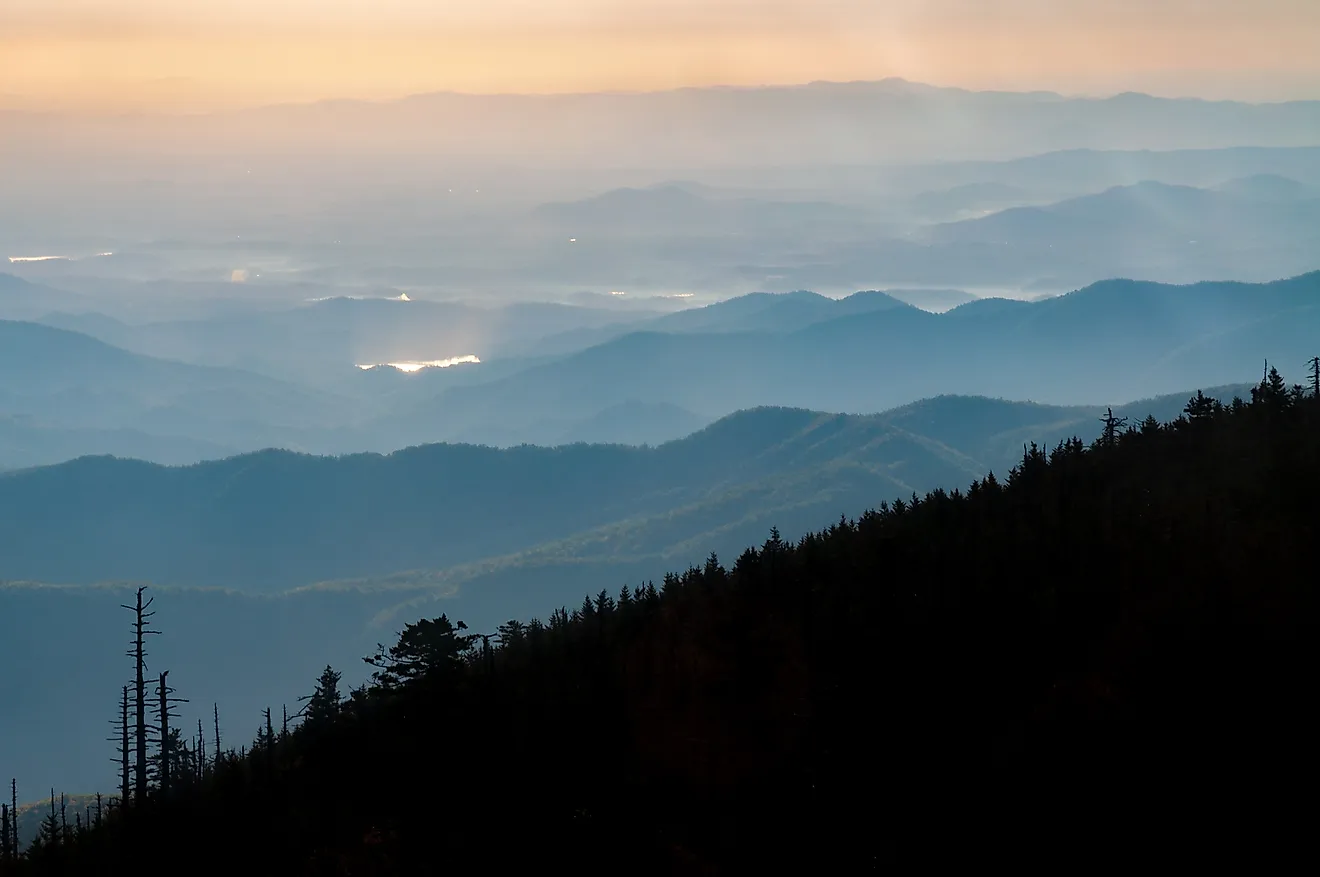
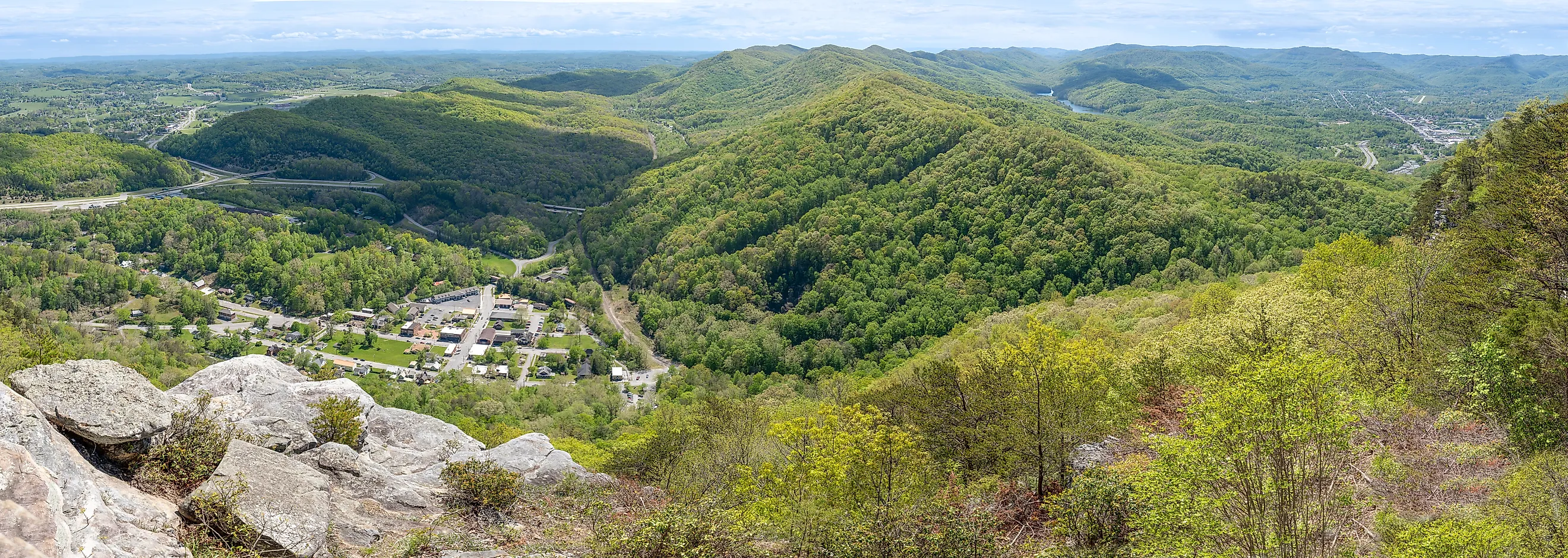
It is easy to look at the Appalachians' soft, forested ridges today and assume they were always modest, but they were once absolute giants. Around 300 million years ago, when the collision of the ancient landmasses that became North America and Africa pushed the range to its peak, the Appalachians may have stood as tall as the Himalayas, with summits topping 20,000 feet. What we see now is the worn-down stump of that colossus. Hundreds of millions of years of wind, water, and ice have ground those towering peaks down to their present size, so that even Mount Mitchell, the highest point in the eastern US, now reaches only about 6,684 feet. Their gentle, rounded shape is not a sign of youth at all, but of extreme old age.
Born From Colliding Continents

The Appalachians were built the way most great ranges are, by continents crashing together in slow motion. Their story actually begins more than a billion years ago, but the range itself was raised by a series of three separate mountain-building events, known as orogenies, starting around 480 million years ago. The grand finale came when the supercontinent Pangaea assembled and the landmasses slammed shut, crumpling the crust upward into that Himalaya-scale range. When Pangaea later broke apart, it scattered pieces of the very same ancient mountain system across the globe, leaving its relatives standing today in Scotland, Scandinavia, and even Morocco.
But Some US Rock Is Far Older

Here is the twist. While the Appalachians are the oldest mountain range, they are not actually made of the country's oldest mountain rock. For that, you have to look west, and toward the middle of the continent. The Black Hills of South Dakota and Wyoming rest on Precambrian granite roughly 1.8 billion years old, and Missouri's St. Francois Mountains, the ancient volcanic remnants rising over the Ozarks, are built from rock around 1.5 billion years old, several times older than the Appalachians. The distinction is a technical one: those peaks are made of far more ancient stone, but the Appalachians are the oldest range still standing as a continuous, true mountain chain. Which one counts as "oldest" simply depends on whether you are measuring the range or the rock beneath it.
An Ancient Range Full of Life

All of that age has given the Appalachians something genuinely priceless: time. Because the range largely escaped being bulldozed by the last ice age's glaciers in its southern reaches, it became a refuge where life could persist and diversify for ages, and today it ranks among the most biologically rich temperate regions anywhere on Earth. The southern Appalachians are famously the salamander capital of the world and shelter some of the oldest forests on the continent. The range shaped American history too, standing as a formidable barrier that long hemmed in the early colonies, and today it carries the roughly 2,000-mile Great Smoky Mountains and the Appalachian Trail along its spine. Old, worn, and quietly magnificent, it is a mountain range that has outlasted nearly every other on the planet.