Endemic Species
An endemic species is a plant, animal, or other organism that exists in the wild only within a single defined geographic area. The area can be very small (a single mountain, lake, or island) or relatively large (an entire continent, in the case of Australia), but the defining condition is that the species lives naturally in that place and nowhere else. Endemism concentrates in regions where geographic isolation has allowed independent evolution: islands, peninsulas, isolated mountain ranges, deep lakes, and high-altitude habitats. Continents tend to share species across their interior because there is nothing to stop animal and plant movement, but the moment a barrier (water, mountain, climate, time) cuts a population off from its relatives, endemism becomes likely. Endemic species are also disproportionately vulnerable to extinction because they have nowhere else to retreat to. Approximately 75% of the documented animal extinctions of the past 500 years involved species that were endemic to a single small range.
Where Endemism Concentrates

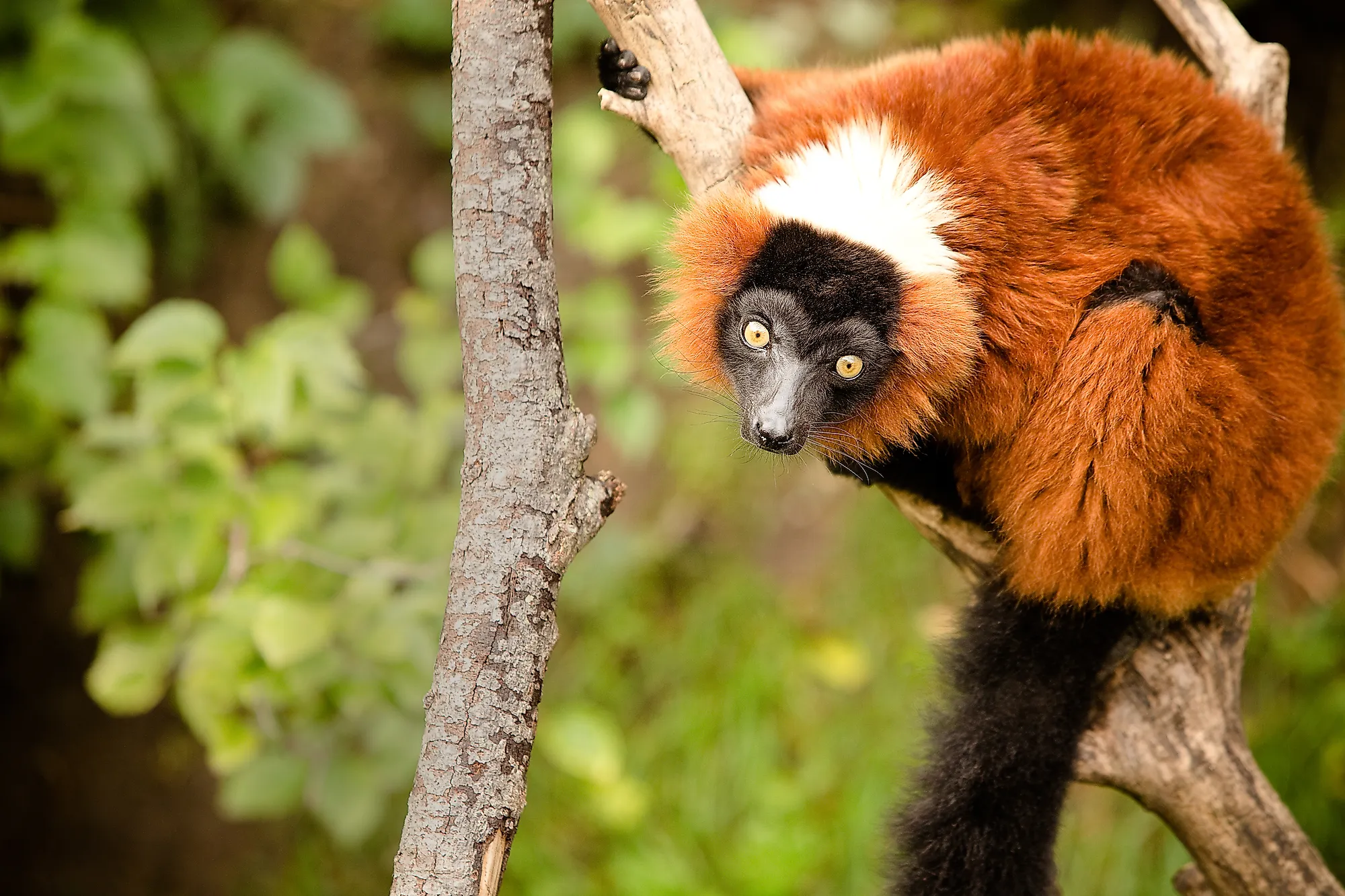
The most endemic-rich regions on Earth are islands and isolated continents. Australia is approximately 87% endemic for its terrestrial vertebrates: most of its mammals, including the platypus, the echidnas, the kangaroos, the koala, and all wombats, are found nowhere else on Earth in the wild. The Hawaiian Islands are around 90% endemic for their native flora, although the introduction of foreign species since 1778 has drastically reduced the proportion of endemic individuals actually present today. Madagascar separated from continental Africa approximately 165 million years ago and from India approximately 88 million years ago, and is now home to entire endemic families: all of its lemurs (about 100 living species), almost all of its frogs, the entire family Indriidae, and the fossa (Madagascar's largest native carnivore). The Galápagos Islands are nearly entirely endemic for their land reptiles, including the marine iguana Amblyrhynchus cristatus (the only sea-foraging lizard in the world) and the Galápagos giant tortoises.

Other notable endemic-rich regions include New Zealand (where almost all of the native bird fauna is endemic, including the kiwi, the kākāpō, the kea, and the takahē), the Cape Floristic Region of South Africa (which has roughly 9,000 plant species, about 70% of them endemic, on an area smaller than Portugal), the Caribbean islands collectively, Sri Lanka, the Western Ghats of India, the Philippines, and Sulawesi. The combined pattern is that islands and biologically distinctive continental regions account for a vastly disproportionate share of global endemism per unit of land area.
Biodiversity Hotspots And The Plant-Endemism Threshold

The formal concept of a "biodiversity hotspot" is more specific than informal use of the term suggests, and it is built on plant endemism rather than animal endemism. The category was introduced by British ecologist Norman Myers in a 1988 paper, refined by Myers and Conservation International in a 2000 paper in Nature, and now uses two strict criteria. A region qualifies as a biodiversity hotspot only if it contains at least 1,500 endemic species of vascular plants (more than 0.5% of the global total) and has lost at least 70% of its original natural vegetation. The vascular-plant threshold matters because plants are the foundation of the food web: where plant endemism is high, animal endemism almost invariably follows.
By the current Conservation International accounting, 36 regions worldwide qualify as biodiversity hotspots. These regions cover only about 2.4% of Earth's land surface but contain endemic populations of approximately 60% of the world's plant, bird, mammal, reptile, and amphibian species combined. Several hotspots far exceed the minimum threshold: the Tropical Andes hotspot in South America contains approximately 15,000 endemic vascular plant species, and the Sundaland hotspot of Indonesia, Malaysia, and Brunei contains a similar number. The shared characteristic of all 36 is severe habitat loss: by definition, they have at most 30% of their original vegetation remaining, and in several cases (the Philippines, the Atlantic Forest of Brazil, the California Floristic Province) the figure is closer to 10%.
How Species Become Endemic

Biogeographers distinguish two broad pathways by which a species becomes restricted to a single region. The first pathway is called autochthonous endemism. An autochthonous endemic evolved in the place where it now lives, and its range corresponds to the area where its ancestors diversified. Most island endemics fall into this category: the Galápagos finches that Darwin observed in 1835 diversified from a single mainland ancestor that colonised the islands and then radiated into approximately fifteen modern species, each adapted to a different niche. Madagascar's lemurs are another classic autochthonous case: the ancestor of all modern lemurs is thought to have rafted to Madagascar from continental Africa approximately 50 million years ago and to have diversified into approximately 100 living species there.
The second pathway is allochthonous endemism, also called paleoendemism in some literature. An allochthonous endemic was once widely distributed but is now restricted to a single area because its other populations have been lost, usually through climate change, habitat destruction, or extinction. The Père David's deer (Elaphurus davidianus) was once distributed across the river plains of northeastern China but survived only in the Imperial Hunting Park near Beijing by the 1860s; the species is now functionally endemic to managed reserves, although its modern restricted range has nothing to do with its original biogeography. The Coelacanth (Latimeria chalumnae), believed extinct for 65 million years until it was rediscovered off South Africa in 1938, is endemic to a small range in the western Indian Ocean as the relict survivor of a once-widespread group.
The two categories are not always cleanly separable. A species may have evolved in place (autochthonous) but then have its range further reduced by recent habitat loss, producing a contemporary distribution narrower than its original one. Most endemic species in heavily fragmented regions like the Atlantic Forest of Brazil show a mixture of both processes.
Why Endemics Go Extinct So Fast

Endemic species are unusually vulnerable to extinction for a mechanical reason that has nothing to do with adaptation: when an organism lives in only one place, anything that damages that one place damages the entire global population. A widely distributed species can lose 90% of its habitat and survive in the remaining 10%. An endemic species that loses 90% of its habitat has lost 90% of its global population, with no separate reserve populations elsewhere to recover from. Habitat destruction is the largest single threat: agriculture, logging, mining, urbanisation, and infrastructure development collectively account for the bulk of recorded endemic-species declines. Invasive species are the second largest threat, particularly on islands, where introduced rats, cats, mongoose, snakes, and grazing mammals have driven dozens of endemic bird and reptile species to extinction since the 18th century. Climate change is the third, and is now reshaping every other threat by accelerating range shifts that endemic species, by definition, cannot follow.
The 75% figure cited at the start of this article (the share of documented post-1500 animal extinctions that involved endemic species) reflects the fundamental geometry of the problem. The dodo (endemic to Mauritius), the great auk (endemic to North Atlantic islands), the moa (endemic to New Zealand), the Caribbean monk seal (endemic to the Caribbean basin), and the thylacine (endemic to Tasmania) were all single-region species before they were lost. Conservation that focuses on widespread species rather than narrow endemics misses where most of the extinction risk actually concentrates.
Conserving Endemic Species

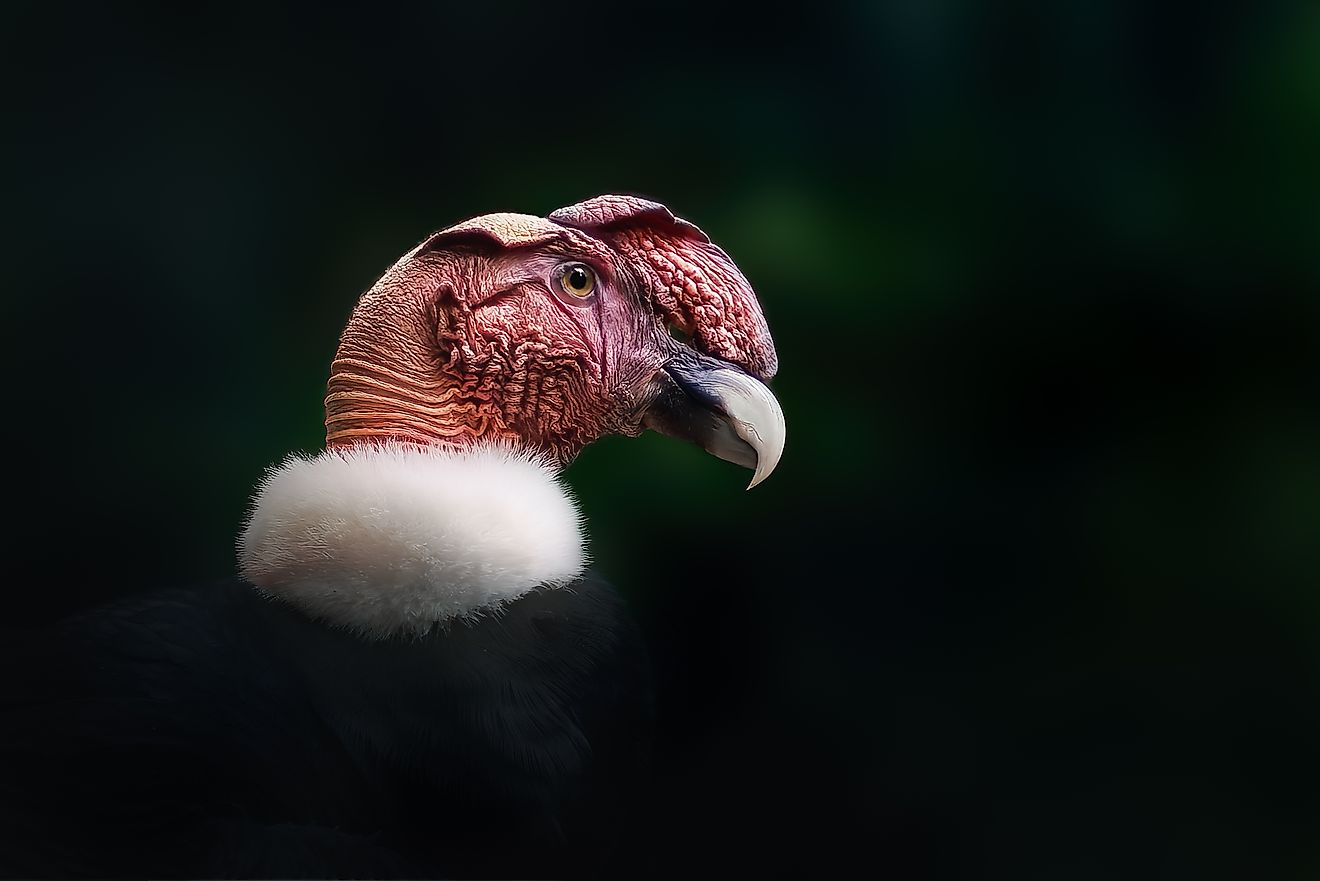
Conservation of endemic species typically operates at three levels: protected-area designation (preserving the specific habitat where the species lives), invasive-species removal (especially on islands, where eradication of rats, cats, and goats has restored several endemic bird populations), and ex situ programmes such as captive breeding and seed banking. The most successful programmes combine all three. The California condor recovery (down to 27 individuals in 1987, now over 500) and the kakapo recovery in New Zealand (from 51 individuals in 1995 to approximately 250 by the mid-2020s) are landmark examples of all three operating in coordination. The Mauritius kestrel recovery from four individuals in 1974 to over 400 by 2000 is another. The common feature of these recovery cases is sustained, multi-decade work in the specific place where the species lives. There is no general approach to endemic-species conservation that bypasses the requirement to protect the actual range, however small that range is. The 36 designated biodiversity hotspots cover only 2.4% of the world's land but contain the majority of the world's threatened terrestrial vertebrate species. The arithmetic of where conservation effort has the greatest leverage points consistently in the same direction.