The Free Ferries Still Running In America
Ferry transportation has been part of American history for centuries, with the Rocky Hill-Glastonbury Ferry in Connecticut dating back to 1655. While many historic ferry crossings have been replaced by bridges and tunnels, others remain important connections between communities separated by rivers, bays, and other waterways. Better yet, some are still completely free to ride.
Across the country, state and local transportation agencies operate free ferries that serve commuters, tourists, and rural communities. Some, like New York City's Staten Island Ferry, carry millions of passengers annually, while others transport a handful of vehicles across remote stretches of water. These eight free ferry services span distances as great as the Gulf Coast of Texas and the Columbia River in Washington, offering easy crossings and fresh views along the way.
Staten Island Ferry

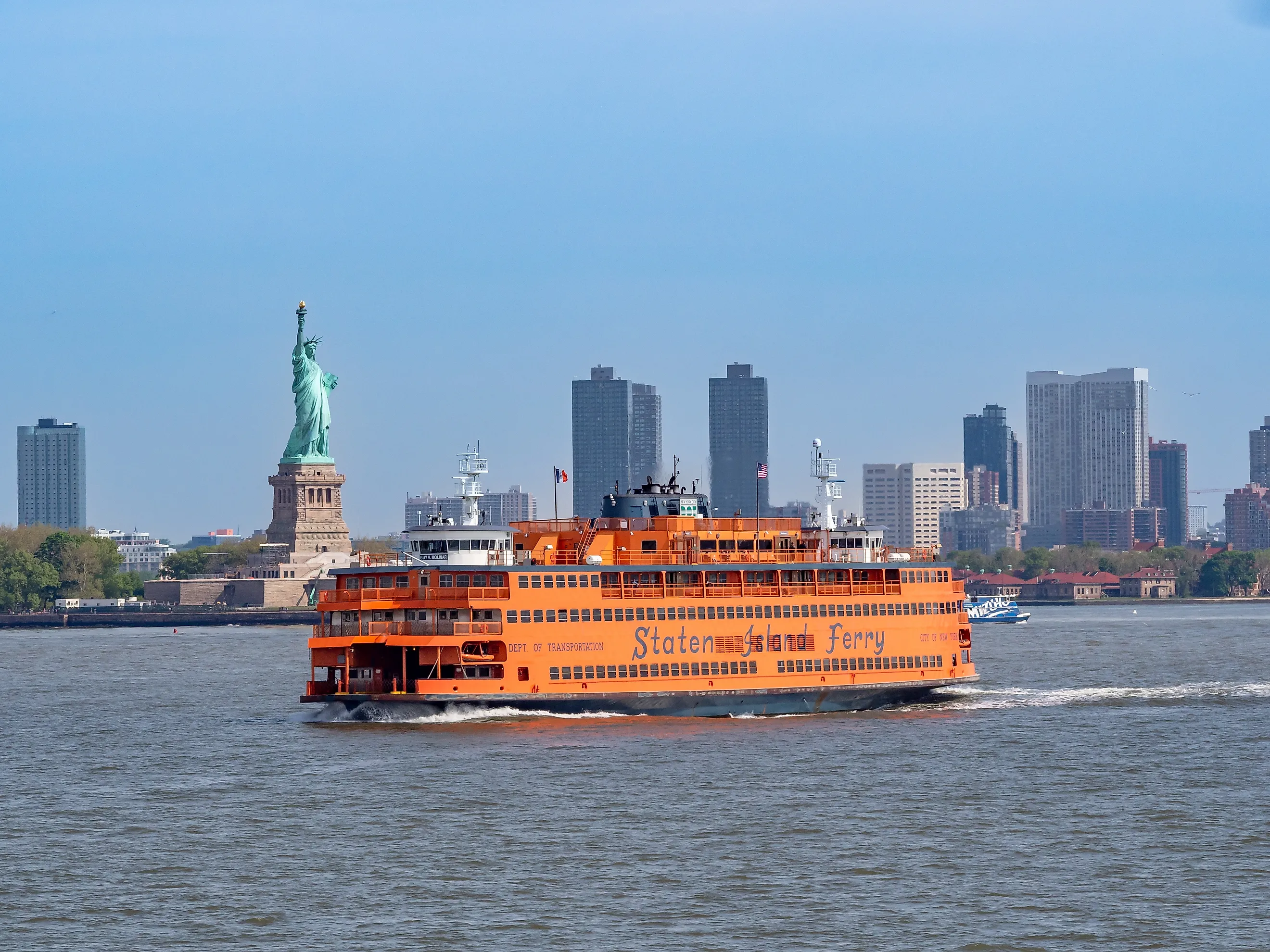
Among America's most recognizable free ferry services, the Staten Island Ferry connects St. George Terminal on Staten Island with Whitehall Terminal in Lower Manhattan. Operated by the New York City Department of Transportation, it carries approximately 45,000 passengers on an average weekday and more than 16 million annually. The ferry operates 24 hours a day, seven days a week, providing a key connection for Staten Island residents who work or travel in Manhattan. Unlike the vehicle ferries elsewhere on this list, the Staten Island Ferry carries pedestrians and does not transport private automobiles.
Ferry transportation has a long history in New York Harbor, where Indigenous peoples traveled by canoe long before European settlement. Regular ferry services later connected Staten Island with Manhattan, and New York City began operating the modern municipal service in 1905. The ferry became free to passengers in 1997 and remains a popular attraction for visitors seeking views of the Statue of Liberty, Ellis Island, and the Manhattan skyline. The crossing takes approximately 25 minutes, with departures every 15 to 20 minutes during weekday rush hours and generally every 30 minutes during less busy periods.
Galveston-Port Bolivar Ferry

The Galveston-Port Bolivar Ferry is one of Texas's best-known free ferry services, transporting motorists and pedestrians between Galveston Island and the Bolivar Peninsula. Operated by the Texas Department of Transportation, the ferry connects two sections of State Highway 87 across Galveston Bay. The 2.7-mile crossing takes approximately 20 minutes, and the service runs 24 hours a day, seven days a week. At least one vessel operates around the clock, with additional ferries added during busy periods. During summer and holiday traffic, as many as five vessels may be operating to accommodate demand.
The journey also doubles as a sightseeing opportunity. Passengers can spot dolphins, pelicans, and large commercial ships traveling through Galveston Bay. Other sights include the historic Bolivar Lighthouse and Fort Travis near the peninsula. Ferry service began here in 1930, although travelers originally paid a toll until the crossing became free in 1950. Today, passengers can drive their vehicles aboard or park at either terminal and walk onto the ferry. However, travelers should anticipate longer waits during busy summer weekends, when vehicle queues can sometimes exceed two hours.
Merrimac Ferry

Farther north, the Merrimac Ferry provides a free crossing of the Wisconsin River between Merrimac in Sauk County and Okee in Columbia County. Operated by the Wisconsin Department of Transportation, the ferry connects two sections of Wisconsin Highway 113 and accommodates cars, motorcycles, bicycles, and pedestrians. The crossing takes approximately seven minutes, and the vessel can transport up to 15 cars at a time. Wisconsin's only free ferry provides a useful transportation link for residents and travelers exploring the area around Lake Wisconsin. In 2025, the ferry carried more than 200,000 vehicles, bicycles, and pedestrians.
Unlike the year-round ferries in New York and Texas, the Merrimac Ferry is seasonal, generally operating from April through November. During its operating season, it runs 24 hours a day, seven days a week, except on Wednesdays from 9 a.m. to 10 a.m. for refueling. The current vessel, COLSAC III, takes its name from Columbia and Sauk counties, which the ferry connects. The crossing also offers views of the Wisconsin River and the surrounding countryside. Travelers planning a trip during early spring or late autumn should check the Wisconsin Department of Transportation's updates to confirm that the ferry is operating.
Keller Ferry

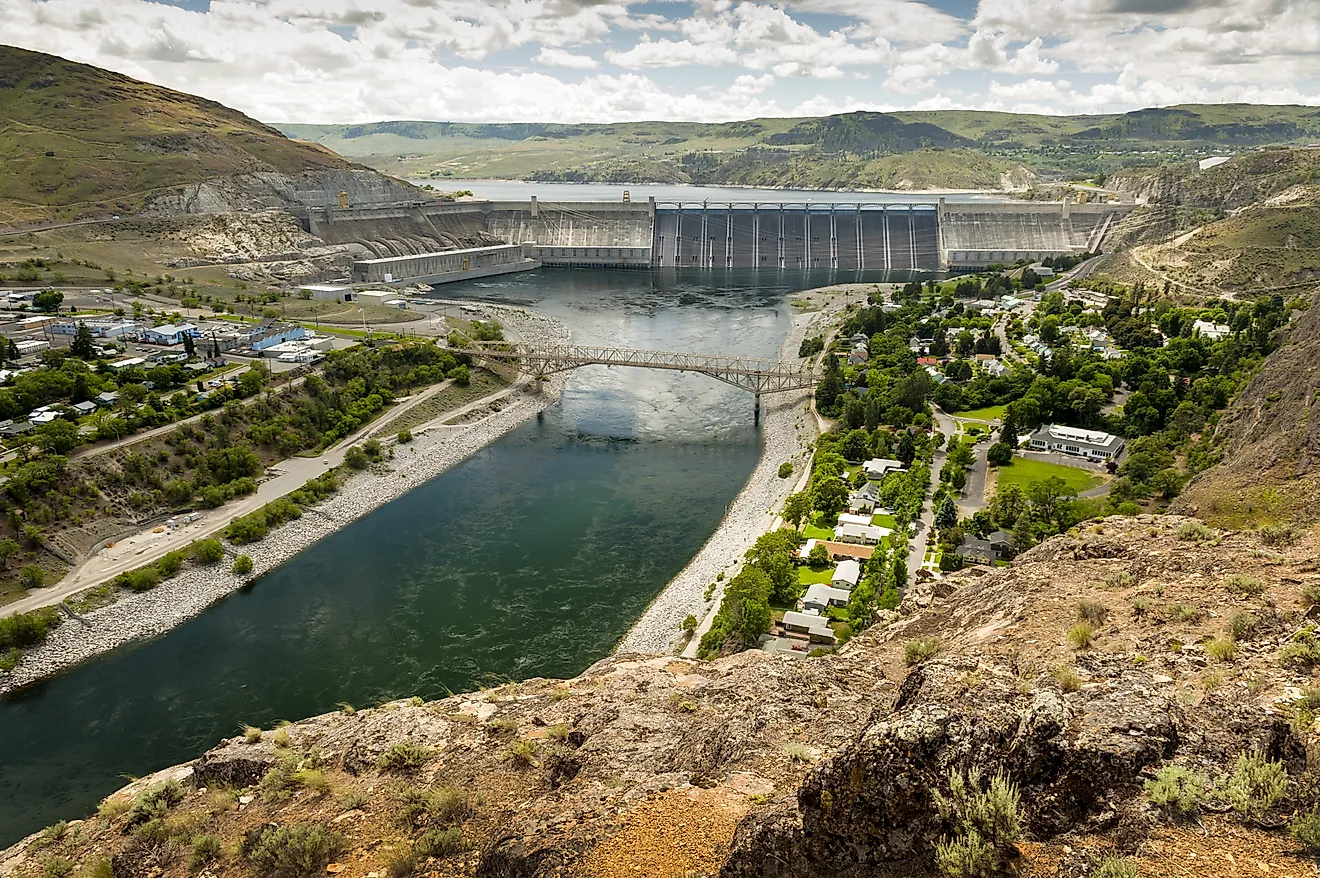
While Washington State is well known for its passenger and vehicle ferries on Puget Sound, the Keller Ferry offers a free crossing much farther inland. Operated by the Washington State Department of Transportation, the ferry connects two sections of State Route 21 across the Columbia River, which separates Lincoln County from Ferry County. The crossing takes place on Lake Roosevelt, the reservoir formed by Grand Coulee Dam. The service primarily accommodates vehicles traveling along this rural highway, although pedestrians and cyclists can also board. Approximately 50,000 to 60,000 vehicles use the crossing annually.
The Keller Ferry operates seven days a week, but unlike many other free ferries, it does not run around the clock. Its regular operating hours are 6 a.m. to midnight, leaving a six-hour period overnight without service. The ferry provides a direct connection between communities that would otherwise require a substantial drive around the reservoir. Passengers can take in views of the Columbia River and the surrounding hills during the crossing. Because the route serves a relatively remote part of northeastern Washington, checking the operating schedule before traveling is essential.
Illinois River Ferries

In southwestern Illinois, two free ferry services operated by the Illinois Department of Transportation carry passengers and vehicles across the Illinois River. The Brussels Ferry and Kampsville Ferry normally operate 24 hours a day, seven days a week, although flooding, ice, and other conditions can temporarily interrupt service. Both crossings connect sections of the regional road network, allowing motorists to travel between communities without taking lengthy detours. The Kampsville Ferry carries Illinois Route 108 across the river, while the Brussels Ferry links the Brussels area of Calhoun County with Illinois Route 100 on the opposite shore.
Both ferries take their names from nearby communities and reflect the region's long history of river transportation. Before bridges connected many towns along the Mississippi, Illinois, and Ohio rivers, ferries were essential for moving people, livestock, and goods between communities. Although several commercial ferries in the region still charge passengers or vehicles, the Brussels and Kampsville crossings remain free to the public. Travelers can enjoy views of the Illinois River and its surrounding wooded bluffs while making these short crossings.
Peel Ferry

The Peel Ferry in northern Arkansas is another free crossing that connects communities separated by a large body of water. Operated by the Arkansas Department of Transportation, it carries vehicles and passengers across Bull Shoals Lake along Arkansas Highway 125, near the community of Peel. The ferry provides a connection between the southern and northern sections of the highway, allowing motorists to continue toward the Missouri state line. No tickets or reservations are required, and vehicles are loaded on a first-come, first-served basis. Because capacity is limited, motorists may occasionally have to wait for another crossing.
Although the Peel Ferry serves a functional transportation purpose, it also offers a scenic journey across Bull Shoals Lake. The reservoir is surrounded by forested hills and rocky shorelines, making the crossing a draw for visitors exploring the Arkansas Ozarks. Unlike the 24-hour ferries in Illinois and Texas, the Peel Ferry operates during daytime hours rather than overnight. Travelers should check the latest schedule before planning a trip, especially if they expect to arrive in the late afternoon. The crossing also remains a working example of free public transportation in the region.
Jamestown-Scotland Ferry

Back on the East Coast, the Jamestown-Scotland Ferry provides a free crossing of the James River in Virginia, connecting James City County on the northern shore with Surry County on the southern shore. Operated by the Virginia Department of Transportation, the ferry runs 24 hours a day, seven days a week, including major holidays. The crossing takes approximately 20 minutes, and no tickets or reservations are required. For local residents, the ferry provides a vital transportation connection between communities on opposite sides of the river. It also offers travelers an alternative to driving a much longer route around the waterway.
The ferry is well suited to visitors exploring Virginia's Historic Triangle, which includes Jamestown, Williamsburg, and Yorktown. The northern landing is near Jamestown Settlement, a living-history museum devoted to the early English colony and the region's Indigenous history. Travelers can combine a ferry crossing with visits to nearby historic attractions while looking out across the James River. Although the service operates around the clock, departure times vary, and waiting periods can increase during busy travel periods. The Virginia Department of Transportation advises passengers to check the current schedule before arriving, particularly during the summer.
Free Rides Across The Water
Free ferries continue to connect communities across the United States, on the busy waters of New York Harbor as well as the quiet lakes and rivers of rural America. Some operate around the clock, while others follow seasonal or daylight schedules, but each provides a practical alternative to driving around a waterway. For travelers, these crossings also offer an opportunity to see historic landmarks, coastal scenery, and river landscapes from a different perspective. Used by workers and visitors alike, these eight free ferry services prove that a memorable journey does not always require a ticket.