Where Alligators Go When Lakes Freeze
An alligator can survive beneath a sheet of ice with only its nostrils exposed to the air. At the Shallotte River Swamp Park near Ocean Isle Beach, North Carolina, this unusual winter behavior has turned frozen water into an unexpected wildlife spectacle. The reptiles do not migrate to warmer waters or spend the entire winter swimming around in search of food. Instead, falling temperatures slow their metabolism, leaving them largely inactive while they wait for conditions to improve. This cold-weather survival strategy, called brumation, helps explain why an alligator can appear frozen in place while still alive.
Alligators Seem To Freeze In Place
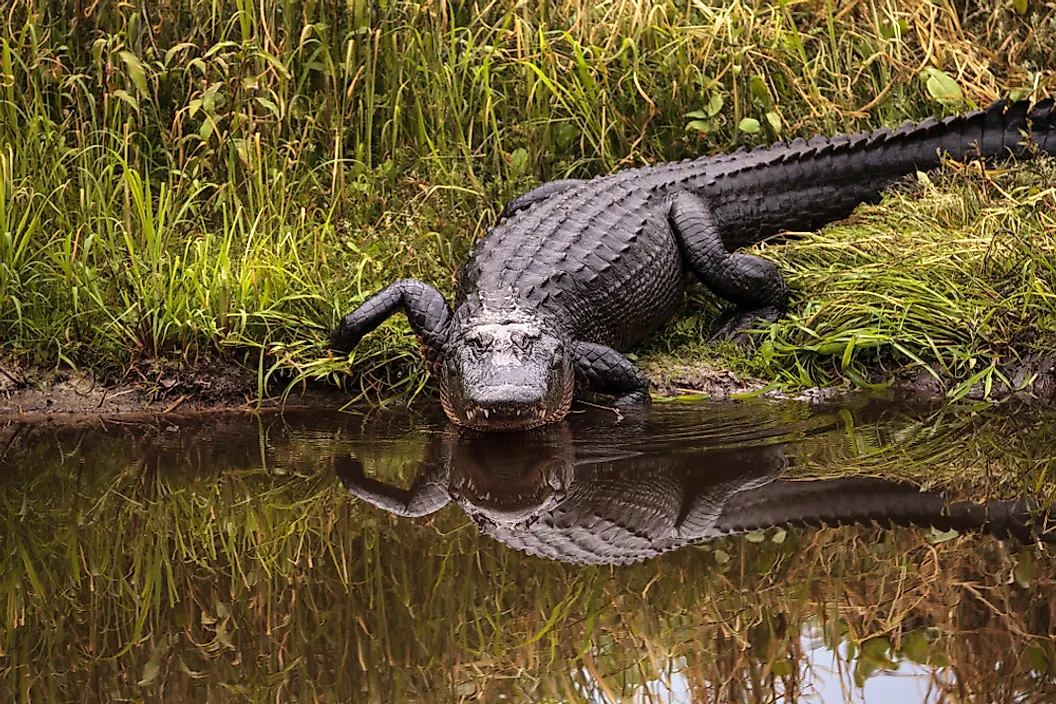
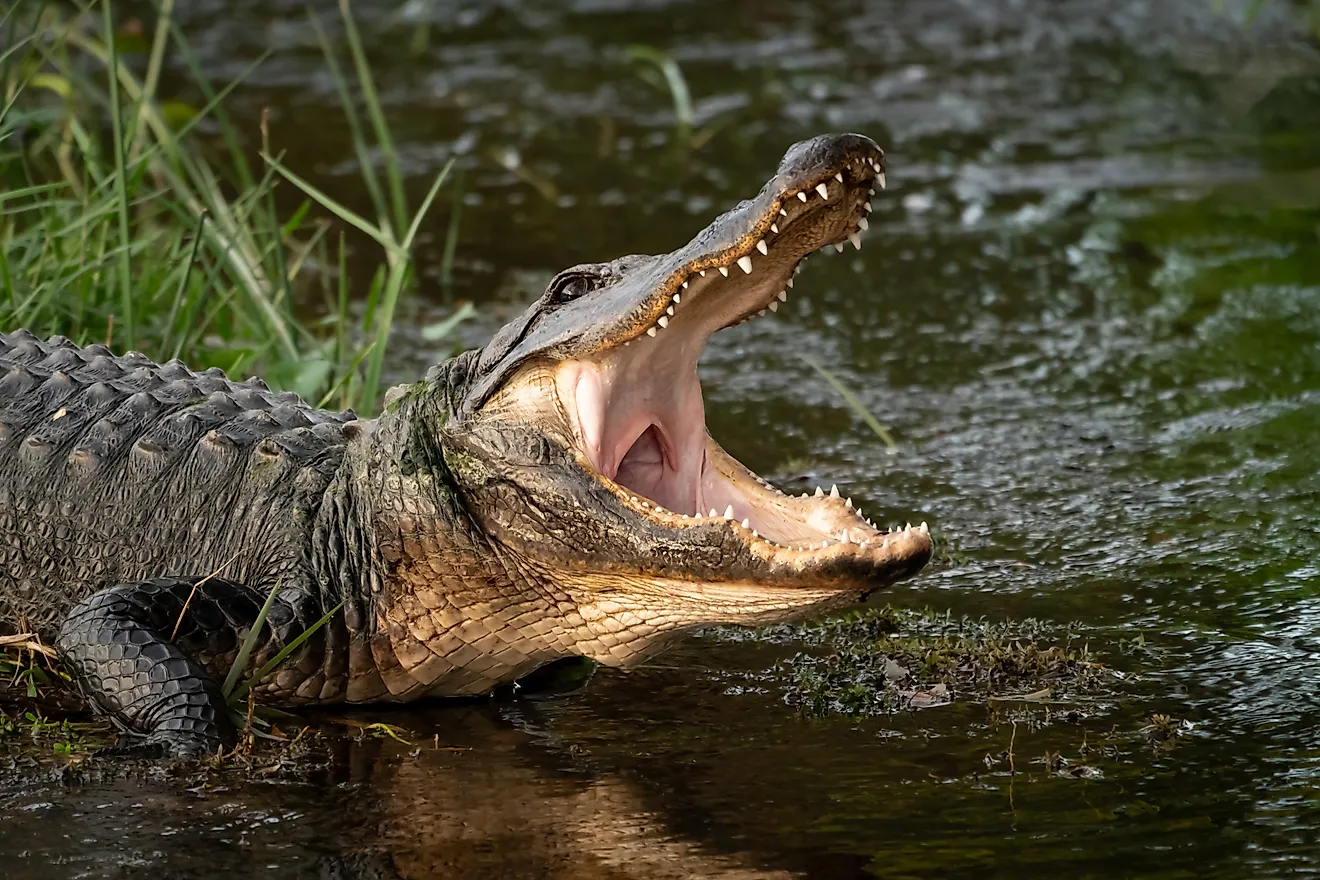
American alligators (Alligator mississippiensis) depend on their surroundings to regulate their body temperature. As temperatures fall, they become less active and may enter brumation, a dormant state similar to hibernation. The Florida Fish and Wildlife Conservation Commission reports that alligators become dormant when temperatures drop below approximately 55 degrees Fahrenheit.
During this period, an alligator may rest underwater or retreat into a burrow along the bank. It does not need to hunt as frequently as it does during warmer months, when its body uses more energy. Cold water can therefore become a place to wait out winter rather than a reason to leave the lake. The alligator can become active again when conditions warm, although a brief sunny afternoon does not necessarily end its dormancy.
The Trick To Surviving

As the surface of a lake or pond begins to freeze, an alligator may position its snout above the water, allowing ice to form around it while keeping its nostrils exposed. The alligator's eyes and nostrils sit high on its head, an adaptation that allows it to breathe while the rest of its body remains underwater. During periods of cold-induced dormancy, an alligator's heart rate and metabolism can slow dramatically, reducing the energy it needs to survive until conditions improve.
The Shallotte River Swamp Park saw this behavior during a January 2019 cold spell, when 18 alligators at the park were observed with their snouts protruding above the frozen water. The ice around their snouts locked them in place, and they remained largely motionless until temperatures rose and the ice melted.
Life At The Northern Edge

The Shallotte alligators live in the state that marks the northern extent of their species' range. According to the North Carolina Wildlife Resources Commission, the species ranges from the state's coast to southern Florida and west to central Texas, growing less common farther north along that coast. Even so, the commission hears of alligators from as far north as Kill Devil Hills or Manteo once or twice a year. Researchers consider temperature the most important environmental factor limiting how far north the species can live.
Life at that edge comes at a cost. The commission reports that the state's alligators grow much more slowly than those in states farther south, and a commission biologist has noted that they also reproduce at an older age. A 2016 study in the Journal of Herpetology suggests a relatively short growing season may restrict breeding and nesting. The commission also considers these northern populations more vulnerable to local extinctions than those in southern states.
Alligator Holes And Refuge

Not every alligator spends cold weather beneath a sheet of ice. Some remain submerged in water that is warmer than the freezing air above, while others retreat into muddy hollows and burrows along the bank. The Smithsonian's National Zoo explains that alligators dig these burrows along waterways, and some can extend up to 65 feet, providing shelter in both extreme heat and cold. Other animals may also use abandoned burrows for protection. Alligators also excavate depressions known as alligator holes, which retain water during dry periods and provide important habitat for other wetland animals.
Warming Weather Brings Them Back

Brumation does not last for any set amount of time. Local temperatures and weather conditions influence when an alligator becomes active again. As its surroundings warm, its metabolism and activity increase, allowing it to resume basking, feeding, and moving through its habitat. The Florida Fish and Wildlife Conservation Commission also notes that alligators are most active at temperatures between 82 and 92 degrees Fahrenheit. People who encounter an alligator in winter should observe it from a safe distance. A motionless animal is not necessarily dead, and a reduced activity level does not make these animals harmless. Alligators can respond to disturbances even during colder weather.
The Lake Is Still Their Habitat
A frozen lake does not necessarily drive its alligators away. Instead, these reptiles conserve energy, use underwater refuges, and sometimes keep their nostrils exposed above the ice to continue breathing. Their winter survival depends on the conditions around them, and prolonged cold can still pose a threat. When temperatures rise, an alligator that appeared frozen beneath the surface may become active again and return to bask along the same shoreline.