5 Snake-Filled Waters In The Southern United States
The warm climates and rich biodiversity of America’s southern states make the region a haven for snakes of all kinds. Across the South, rivers, swamps, and marshes create ideal habitat for species ranging from cottonmouths and rattlesnakes to massive invasive Burmese pythons. In places like the Florida Everglades or Louisiana’s cypress swamps, snakes thrive in the thick vegetation and muddy banks that define these landscapes. Travelers heading to southern destinations should stay aware of the local wildlife, especially when exploring shorelines or wetlands. Here are five snake-filled waters in the Southern United States.
The Everglades, Florida

A sprawling wetlands ecosystem in southern Florida, the Everglades are the largest surviving subtropical wilderness in the country. They are also home to a diverse range of species, including alligators, panthers, manatees, and snakes. This unique habitat is protected by Everglades National Park, which covers 1.5 million acres of forest, swamp, wetlands, and marine environments.
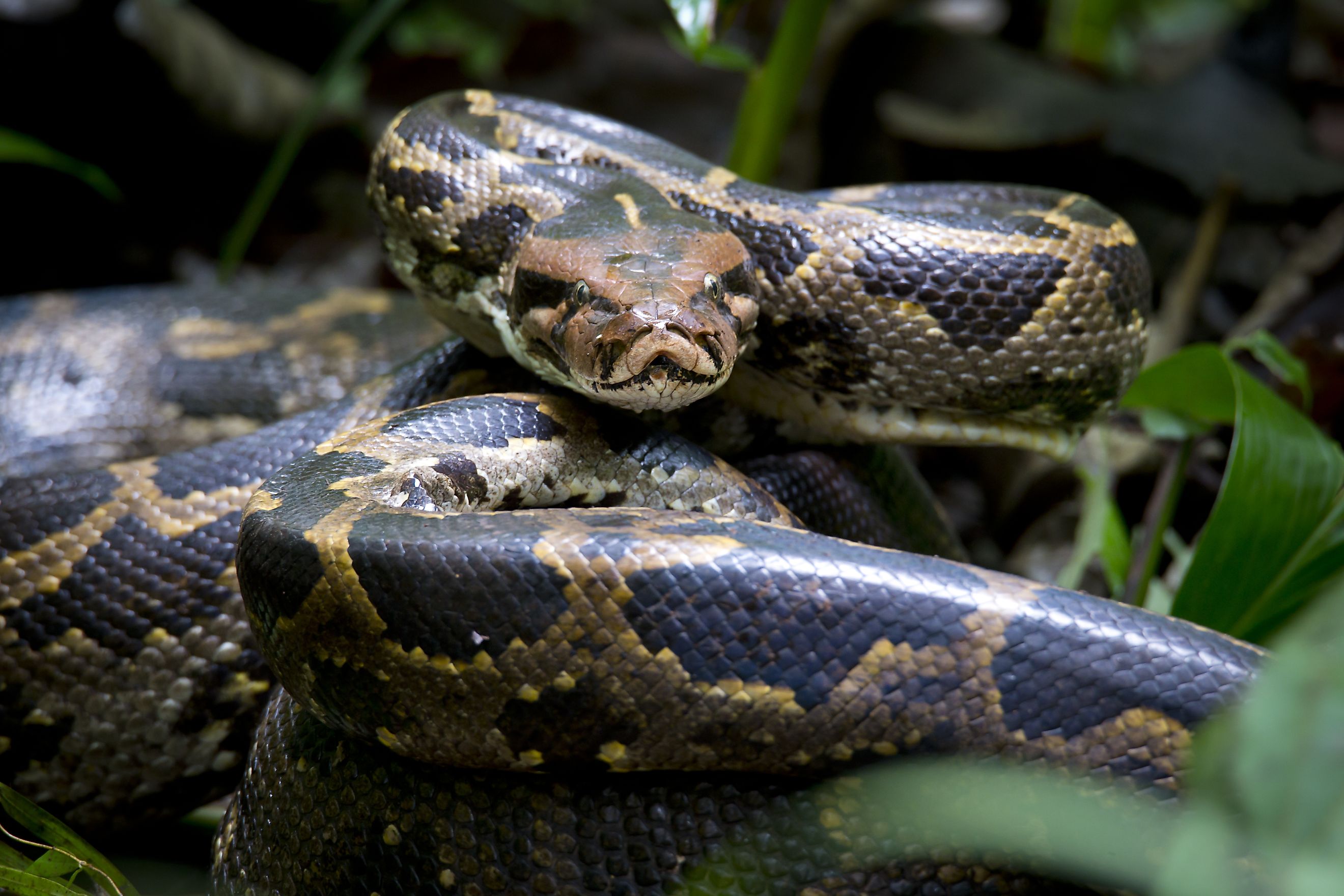
The University of Florida reports 23 snake species in the Everglades Agricultural Area, four of them venomous, while Everglades National Park has a broader reptile inventory. The venomous species include the Coral Snake, Florida Cottonmouth, Pygmy Rattlesnake, and the Eastern Diamondback Rattlesnake. These scary serpents aren’t the only ones to watch, however. Two large, non-native species have also made an appearance in the Everglades, the thick-bodied Boa Constrictor and the huge Burmese Python. The latter has been a major challenge for Everglades conservationists because Burmese pythons prey on native wildlife, and adult snakes have few natural predators in South Florida (the largest caught in Florida measured over 18ft long). Likely pets who were accidentally or intentionally released, the pythons have been in the Everglades National Park for over a decade.
Brazos River, Texas

The Brazos River is the longest river flowing entirely within Texas and runs about 840 miles to the Gulf of Mexico. It is home to a number of Texan snakes, including the Timber Rattlesnake, Cottonmouth, Copperhead, and Western Diamondback Rattlesnake.
The river is such a snake hotspot that it even has its very own species. The Brazos watersnake is found only along the upper portions of the Brazos River drainage in Texas and is recognized as threatened by the Texas Parks and Wildlife Department. If you glimpse this snake on your visit to the river, you’re encouraged to report it so conservationists can get a better idea of its habits and habitats. You can identify them from their four rows of dark dorsal spots that run along their body, giving them a checkerboard appearance. The snake also has a distinctive pink or orange-colored belly and a yellow or cream neck.
Lake Guntersville, Alabama

At over 69,000 acres, Lake Guntersville is Alabama’s largest lake and one of the state’s most popular recreation areas. The lake is known for its nesting population of Bald Eagles, as well as its large bass, which attract anglers from across the country. That’s not the only wildlife to look out for, however. The lake’s diverse ecology and pristine shoreline make it a paradise for both land and water snakes.
There are approximately 40 snake species in Alabama, and 6 of them are venomous. There are several pit vipers at Lake Guntersville, including Timber Rattlesnakes, Copperheads, and Cottonmouths. The latter is a semi-aquatic viper with a nasty bite. Also known as water moccasins, they get their name from the white interior of the mouth, which they may display when threatened. Their preferred habitats are wetlands and waterways, and they can sometimes be seen sunning themselves on rocks or logs at the water’s edge.
Honey Island Swamp, Louisiana

Honey Island Swamp in Louisiana is one of the most pristine and untouched river swamps in the country. Stretching over 27 miles in eastern Louisiana, this unique cypress-tupelo gum swamp is packed with fascinating wildlife, including alligators, turtles, and bald eagles. There are also quite a few snakes slithering through the subtropical wetlands.
Louisiana’s water snakes include the venomous Cottonmouth and the harmless Banded Water Snake. These two are often confused with each other as they’re both dark-colored water snakes. But there are some important differences. Cottonmouths, like most pit vipers, have a triangular head and narrow, cat-like eyes. Cottonmouths also have a white line from the corner of their eye to their mouth. Banded Water Snakes aren’t venomous, but you still should keep your distance. These feisty water snakes will release a disgusting odor when they feel threatened to deter any predators.
Chattahoochee River, Georgia

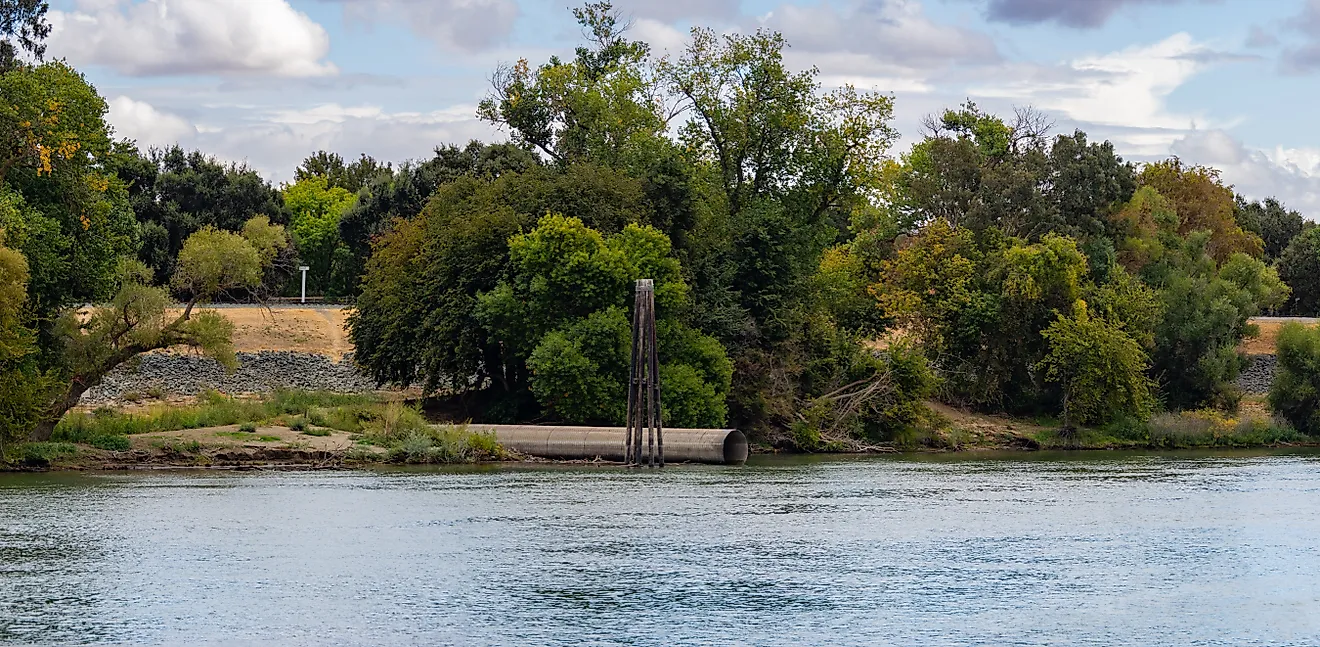
The Chattahoochee River in Georgia runs 434 miles from the southern Appalachian Mountains to Lake Seminole at the Florida border. The rich biodiversity of the river valley is protected by the Chattahoochee River National Recreation Area, a preserve that offers boating, floating, fishing, and hiking and biking trails for those wanting to enjoy the river’s scenic shoreline.
Visitors should watch their step on the trails. The area is a snake hotspot with over 20 species recorded in the park. These include the Timber Rattlesnake and Copperhead, along with one of Georgia’s most eye-catching species, the Red Belly Snake. These small, secretive snakes have a bright orange or red underside and measure up to 10 inches long. If you’re visiting the Chattahoochee River, you’re most likely to encounter Georgia’s most common snake, the Eastern Garter Snake. These snakes love moist, grassy environments and are frequently found near ponds, streams, and rivers. They are non-venomous and can be identified by the three yellow stripes running down their back.
Staying Safe Down South
The South is known for its history, charm, and hospitality. It’s also home to some of America’s most stunning natural wonders, from ancient swamps to coastal mangroves. In areas like these, it’s important to strike a balance between public use and preservation. The general rule when exploring wilderness areas is to leave no trace. Take care not to disturb any local wildlife, including snakes. If you see one sunbathing by the shore or curled up on a trail, keep your distance. Despite their scary reputation, snakes are not aggressive by nature. They would much rather flee from a predator than confront it. If you’re in grassland or other areas where there is a lot of natural debris, watch your step. Snakes can hide out in logs, rock piles, and crevices, so never put your hands or feet somewhere you don’t have visibility. Above all, don’t let snakes stop you from enjoying all the South has to offer. With a few common-sense precautions, visitors and snakes can both enjoy the many dazzling landscapes of the deep south.