5 Snake Hotspots In Alabama
Many think of Alabama’s swamps and their resident American alligators when this southern state comes to mind, but its surprisingly varied landscapes create some of the region's biggest hotspots for seeing snakes in the wild, too. From huge swathes of pine woodlands and rolling ridges up north to river deltas on the Gulf Coast, Alabama's terrain actually supports a wide range of species adapted to all sorts of conditions.
This guide will highlight these specific zones, explaining what makes each area so attractive to snakes, and where you are most likely to encounter these slithery reptiles while exploring this state's diverse natural systems.
Bankhead National Forest

Bankhead National Forest encompasses an interesting range of habitats, from countless riparian corridors to densely wooded ridge tops, each of which supports some of Alabama’s most active snake populations. Its various hardwood forests, rocky bluffs, meandering waterways, and the overall Sipsey Wilderness create conditions favored by both nonvenomous and venomous species, as well as the prey they rely on for sustenance.
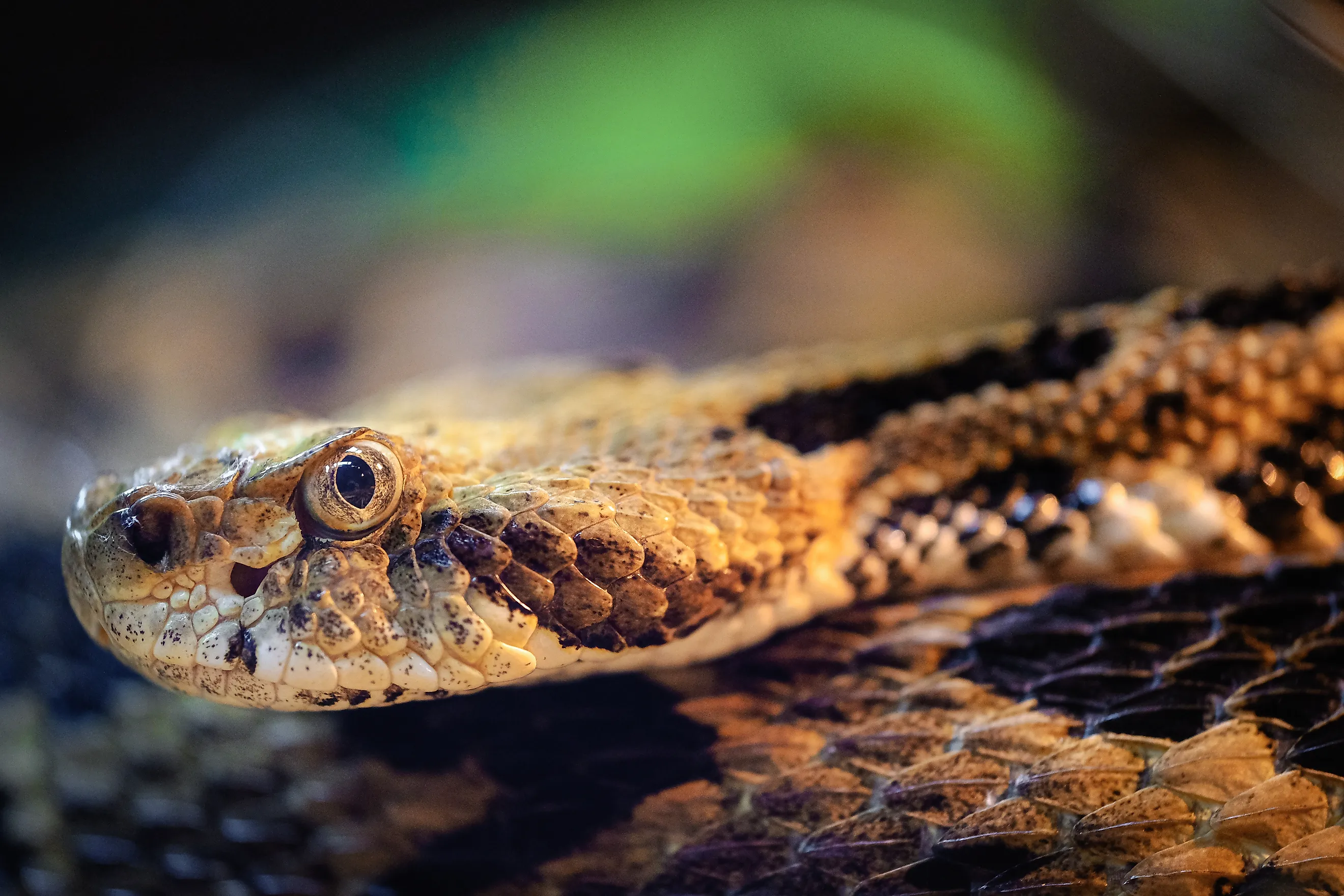
The forest’s web of shaded ravines holds lots of moisture, creating a lively scene that also attracts the kinds of creatures that rat snakes, kingsnakes, and garter snakes hunt along leaf litter and fallen logs, namely frogs and other small reptiles/amphibians. On the other hand, timber rattlesnakes and copperheads tend to use the rocky slopes and ledges of this federally protected area for shelter, while water snakes concentrate, of course, along lakes, ponds, and tributaries such as Borden Creek.
Visitors have a higher chance of spotting snakes during warm months when tourism is also most active, especially in late spring and early fall. With that, Bankhead’s ecological variety makes it one of the most reliable locations in Alabama for observing the state's wildlife, from reptiles to fish, mammals, birds, and more.
Mobile-Tensaw Delta & Upper Delta Wildlife Management Area

The Mobile-Tensaw Delta and Upper Delta Wildlife Management Area (WMA) form one of the Deep South's richest reptile environments, shaped by the region's temperate swamps, backwater channels, marshes, and picturesque cypress forests. Its warm, humid conditions and constant water flow also create prime habitat for a wide range of snakes adapted to wet terrain, as well as many of the creatures they eat.
Cottonmouths and various types of water snakes are common along bayous and oxbows, where they hunt fish, frogs, and small turtles. Conversely, the slightly higher natural levees and pine ridges support rat snakes, kingsnakes, and coachwhips that move between dry ground and adjacent wetlands depending on water levels.
Sitting right beside the busy city of Mobile, these deltas frequently see human encounters along boat ramps, boardwalks, and edges of slow-moving creeks, where visitors looking for a weekend getaway often walk. Early morning and late afternoon are especially lively times, so plan accordingly and always watch your step around here.
Little River Canyon National Preserve

Little River Canyon National Preserve boasts a distinct set of snake-friendly habitats, exemplified by steep sandstone cliffs, pine-blanketed uplands, and the clear, fast-moving Little River that keeps the area quite lush. With a total of 18 species recorded, the canyon rim offers dry, sun-exposed terrain where species such as coachwhips and kingsnakes hunt along rocky breaks and open pine glades.
In contrast, the shaded canyon floor hosts cooler pockets that are more desirable to rat snakes, garter snakes, and other predators that like to move through downed trees and a constant supply of leaf litter. Along the river itself, water snakes often concentrate near shoals, side pools, and boulder fields where hiding spots are abundant, and where fish, amphibians, and small mammals can be preyed upon easily.
Note that the days from late spring through early fall are when you are most likely to see a snake or two, and that the preserve’s mix of elevation changes and tightly packed microhabitats further makes sightings even more regular, especially on rim trails and scenic pull-offs.
Conecuh National Forest

Conecuh National Forest offers a different kind of snake hotspot than Alabama’s northern mountain or southern delta regions, this time molded by longleaf pine stands, wiregrass prairies, and a network of bogs. Moreover, the forest’s sandy soils warm up quickly in sunlight, drawing species such as coachwhips, pine snakes, and kingsnakes to hunt across the extensive open pinelands that are spread throughout. The park's more moisture-rich zones, including pond edges and pitcher plant bogs, then attract water snakes and other species that rely primarily on amphibian-based sources of food.
A notable number of transitional zones within the forest, where higher, drier areas meet bog margins, produce an environment that biologists commonly see snakes shifting between. Knowing that, many sightings can be expected along forest roads, burn units, and the perimeters of shallow ponds near elevated patches. Given the fact that camping and hiking are so popular in Conecuh National Forest, caution should not be relegated only to scientists and firefighters, but to any outdoor enthusiast in this part of Alabama as well.
Will You See Snakes While at These Destinations?

Alabama’s broad range of snake habitats, especially the locations mentioned above, offers the most dependable conditions for sightings should you wish to see them in their natural environments (or if you wish to avoid these kinds of places altogether). Whether along rivers, in dense forests, or across canyon rims, these hotspots give all who come opportunities to observe these unique reptiles in a pristine setting. We just recommend you follow all safety precautions while doing so.