5 Snake-Filled Waters In New South Wales
The Australian state of New South Wales (NSW) is home to some of the world's most venomous creatures, including snakes. Sharing its southern border with Victoria along the Murray River, stretching to the subtropical forests of the north, and flanked by a long stretch of Pacific coast to the east, the state offers no shortage of cover for snakes, venomous or otherwise.
NSW's watery habitats are especially attractive to several species. Whether it's the rocky riverbanks of the Murray or coastal getaways like Jervis Bay, you'll find some of Australia's more than 200 snake species working the edges of the state's most important bodies of water.
Murray River

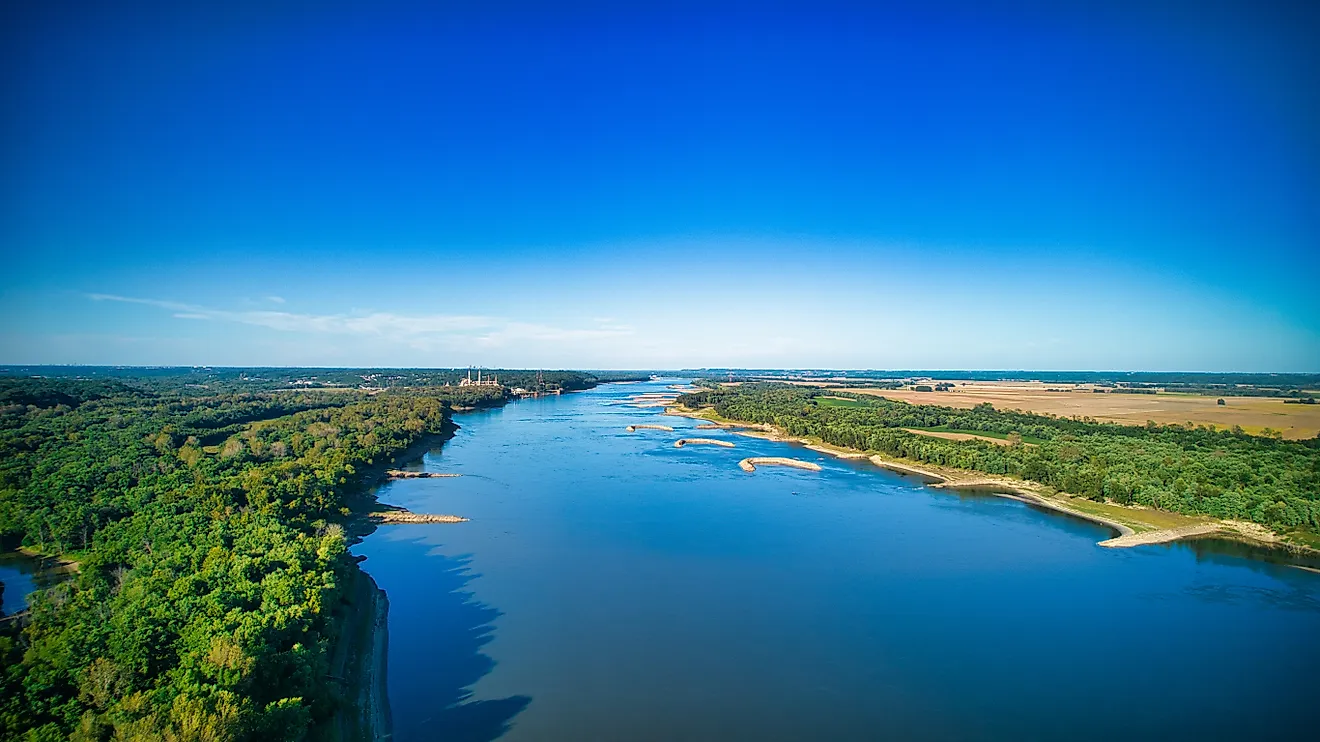
Australia's longest river, the Murray flows more than 1,500 miles from its headwaters in the Snowy Mountains of southern NSW to its mouth at the Southern Ocean in South Australia. For most of its course, the Murray marks the boundary between NSW and Victoria, draining the entire Murray-Darling Basin in the process. Roughly 46 snake species use the river or its riparian zones for habitat.
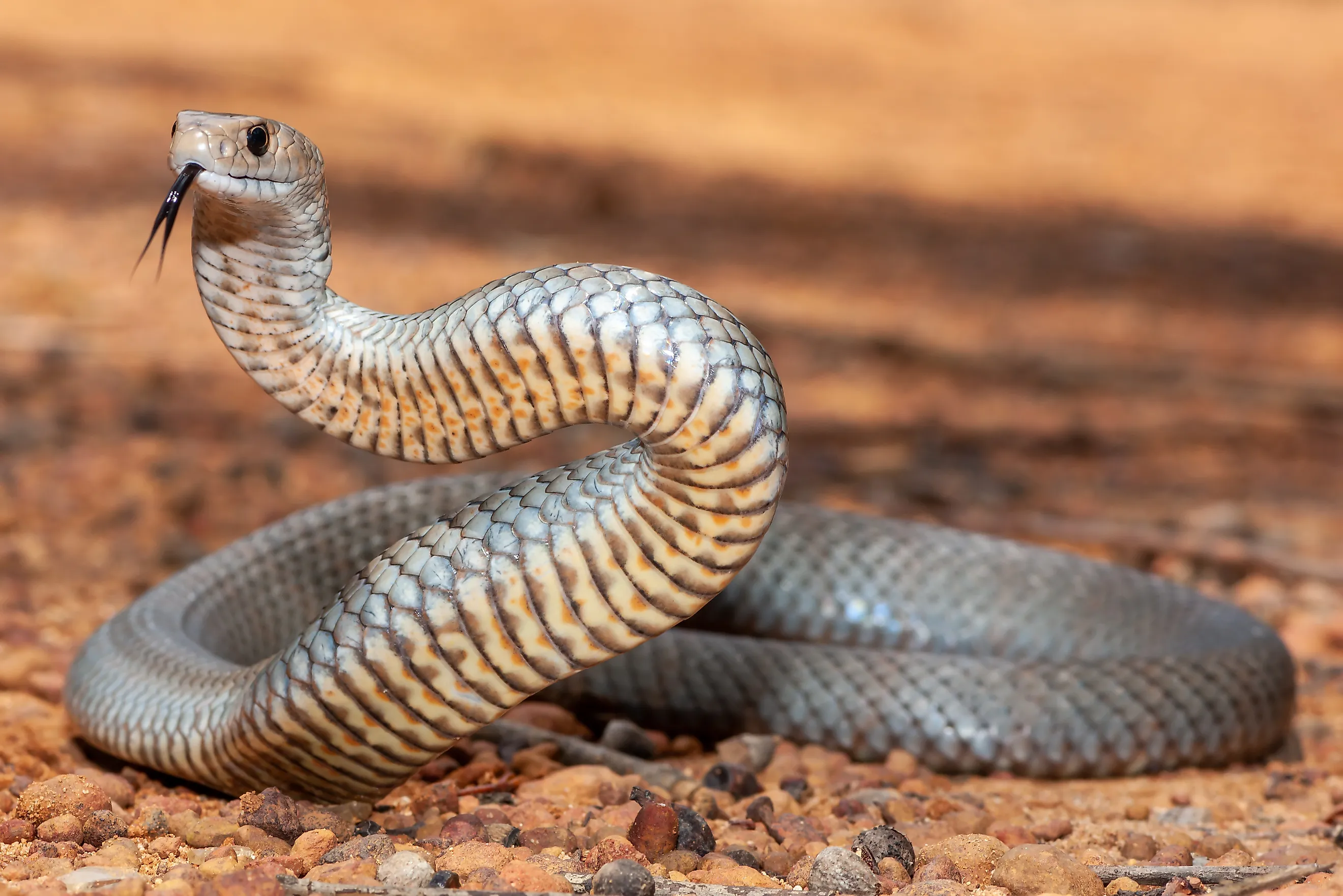
Three species are most commonly sighted: the eastern tiger snake (Notechis scutatus), the eastern brown snake (Pseudonaja textilis), and the red-bellied black snake (Pseudechis porphyriacus). All three are venomous. The eastern brown carries the second-most toxic venom of any land snake on earth (behind only the inland taipan) and is responsible for more snakebite fatalities in Australia than any other species. It's fast, alert, and when cornered will rear off the ground with its jaws spread.

The riverside towns of Albury, Corowa, and Wentworth provide access to the Murray's floodplain country, where red gum woodland and seasonal wetlands offer prime foraging for all three species. The red-bellied black snake (up to four feet long, with glossy black scales and a vivid red or pink belly) prefers the wetter parts of the floodplain where frogs are abundant. Despite their venom, they're shy and almost always retreat from human contact.
If you do explore the Murray, particularly the more ecologically intact stretches of Murray Valley National Park and the Barmah-Millewa Forest, watch where you place your hands, feet, and paddles. Both areas are popular with canoeists, birders, and campers, and the hollows in red gum logs along the banks provide ideal hiding spots for snakes. Wear closed shoes, check before sitting on logs or rocks, and give any snake you spot room to move.
Lake Macquarie

Twice the surface area of Sydney Harbour, Lake Macquarie is the largest coastal saltwater lagoon in Australia. Known locally as Lake Mac, the lagoon is ringed with suburbs, nature reserves, and low scrubby bushland. Its single channel to the Tasman Sea passes through Swansea, and the lagoon and surrounding land support around 23 snake species. The mix of connected bushland, rock ledges, hollow trees, and proximity to water sustains both venomous and non-venomous populations around the lake.

The two species most often encountered around Lake Mac are the eastern brown and the red-bellied black. Eastern browns turn up in drier grassy areas, the margins of bushland reserves, and even backyards. Red-bellied blacks prefer the wetter edges of the lake, creek lines, and areas of thick groundcover.
Lake Mac is also one of the few places in NSW where you'll find the diamond python (Morelia spilota spilota). Although non-venomous, this is a substantial snake: adults average around 6.5 feet but can reach 9 to 10 feet, with rare records up to 13 feet. Its dark olive to black body is patterned with clusters of yellow or cream scales arranged in rough diamond-shaped rosettes. The diamond python holds two records: it's the most southerly occurring python species in the world, and it occurs at higher altitudes than any other Australian python. It hunts possums, rats, and birds.
The Swansea Heads area on the ocean side of the channel and the Glenrock State Conservation Area to the south are both known for snake activity, especially as temperatures rise from September onward. In the built-up suburbs around the lake, snakes most often turn up in overgrown gardens, under garden debris, and in the roof voids of homes adjacent to bushland.
Jervis Bay

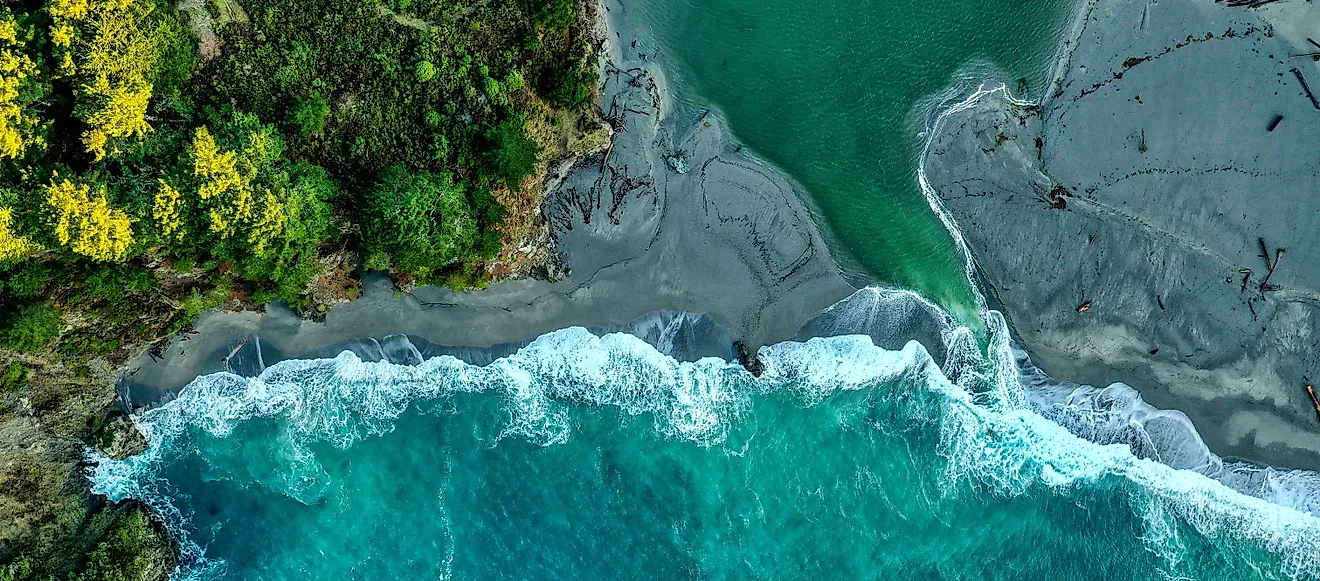
Located south of Sydney, Jervis Bay is one of NSW's most popular coastal destinations. Famous for the bright white silica sand at Hyams Beach, the bay is bounded to the west by Booderee National Park. The 25-square-mile reserve protects a mix of eucalyptus forest, heathland, coastal dunes, and freshwater wetlands that support red-bellied black snakes, eastern browns, diamond pythons, and small-eyed snakes.

The bay is also home to the yellow-bellied sea snake. It grows to about three feet, sports a bright yellow underside against a dark upper body, and can swim at speeds of around three feet per second. Its venom is highly toxic, but bites are rare and almost always involve handling. If you encounter one washed up on the beach, give it space and let it be.
Lake Cowal

Covering 32,000 acres at full capacity, Lake Cowal is the largest natural inland lake in NSW and an ephemeral system: water levels swing dramatically depending on seasonal rainfall and upstream flows. When the lake fills, it draws tens of thousands of waterbirds, including pelicans, ibis, egrets, and ducks, along with the birders who follow them.
More than 30 reptile species have been documented at Lake Cowal, including several snakes. The eastern bandy-bandy (Vermicella annulata) is a striking black-and-white banded snake with an unusual defensive display: when threatened, it flips its body into a series of rigid loops to confuse predators. Nocturnal and primarily fossorial (spending most of its life underground), it's rarely seen.
Less reclusive is the blue-bellied black snake (Pseudechis guttatus), which basks openly along the lake margins. Identified by its iridescent blue-black scales, it's venomous and should be given a wide berth. Another venomous resident worth knowing is the king brown, also called the mulga snake (Pseudechis australis). Up to eight feet long, it occupies the open woodland and grassland surrounding the lake rather than the water itself.
Shoalhaven River

The Shoalhaven River winds 203 miles north and east before emptying into Shoalhaven Bight on the Pacific Ocean near Nowra. The diversity of habitats, running from the river's forested upper reaches through pastoral midlands and into a coastal estuary, makes it one of the most snake-rich waterways in NSW.
Three venomous species are commonly associated with the lower estuary: the red-bellied black, the tiger snake, and the eastern brown. The estuary's mix of mangrove-fringed channels, reed beds, mud flats, and grassy fringes is prime hunting ground, with frogs, skinks, and small mammals topping the menu.

The eastern small-eyed snake (Cryptophis nigrescens) is another resident worth knowing. Small but venomous, it shelters under logs, rocks, and debris. Bites are uncommon, but at least one human fatality has been documented from the species. The marsh snake, also called the black-bellied swamp snake (Hemiaspis signata), is also venomous. This slender, dark-coloured snake is identified by a pale stripe running from the eye to the back of the head, and it hunts close to the water's edge during the day.
Snakes and Water in New South Wales
Together, these five bodies of water make a clear case for how widely NSW snakes thrive in aquatic environments. From the country's longest river to a saltwater bay on the Pacific, the state's waterways support venomous and non-venomous species alike. If you plan to visit any of these places, basic snake awareness (closed shoes, alert footing, no handling) is the practical takeaway. Most encounters end without incident when both parties have time to retreat.