The Most Feared Ancient Cavalry Units
Cavalry transformed the ancient battlefield long before the Middle Ages gave rise to armored knights. From the Iranian plateau to the North African desert, mounted warriors reshaped strategy, logistics, and imperial ambition. Yet some cavalry forces stood apart, not merely effective, but feared. Their reputations were forged through speed, shock, and psychological dominance, and their legacies echo in the works of ancient historians such as Herodotus, Polybius, Arrian, and Xenophon. This article examines five of the most formidable cavalry forces before 500 AD, each chosen for its tactical innovation, geopolitical impact, and enduring military significance.
The Scythian Horse Archers (c. 7th-3rd century BC)

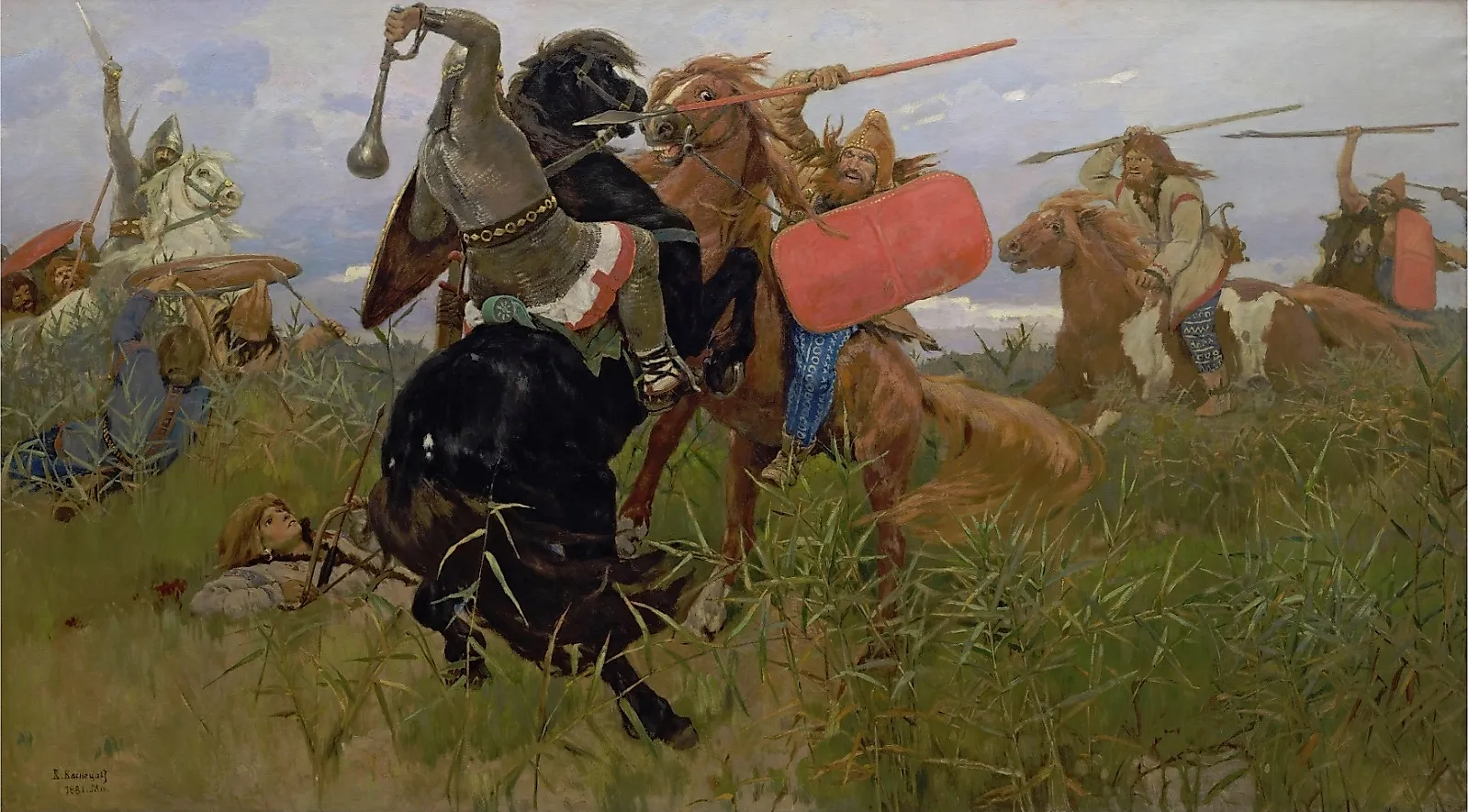
The Scythians, nomadic peoples of the Pontic‑Caspian steppe, were among the earliest cavalry cultures to perfect mounted archery, a skill that astonished Greek observers. They also used a powerful and relatively new type of bow, the composite bow, made from different layers of wood, and much more powerful than a regular wooden bow. The different layers increase the forces and energy when the string is released. Herodotus describes them as “None who attacks them can escape, and none can catch them if they desire not to be found,” a concise summary of their battlefield philosophy.
Historical Context
Emerging around the 7th century BC, the Scythians dominated the Eurasian steppe corridor, controlling trade routes and raiding settled kingdoms. Their society revolved around the horse; even children learned to battle from horseback at a young age. They were nomadic people who lived in wagons and, as a result, were naturally mobile. They loved their horses and began to develop more efficient ways of riding and moving larger herds over long distances to new grazing grounds. The horses were well looked after, and they're also buried. Almost all buried horses were killed with a hard blow of a pointed axe to the head, which is regarded as a humane method of killing a horse. It indicates that Scythian society prized horses and ultimately chose to put them down with love and care.
Significance

The Scythians pioneered the composite bow on horseback, enabling accurate fire while moving at high speed. Their tactics, feigned retreats, encirclements, and constant harassment became the template for later nomadic empires. A Byzantine writer described the deadly effect of mounted archers that could shower hundreds of deadly arrows within a few minutes. They did not let up until they had achieved the complete destruction of their enemies, and some classical writers even state that they dipped their arrows in poison.
Impact
The defeat of Persian forces under Darius I (as described by Herodotus) demonstrated the limits of traditional infantry armies against mobile steppe cavalry. The Scythian model influenced later Sarmatians, Parthians, and Huns, making them foundational to the evolution of mounted warfare.
The Achaemenid Persian Cavalry & Elite Horse Guards (c. 6th-4th century BC)

Historical Context
The Persian Empire under Cyrus the Great and Darius I relied heavily on cavalry to control its vast territory. Persian nobility were trained riders, and the empire’s wealth allowed for exceptional equipment such as scale armor, powerful bows, and long spears. Persian cavalry originally fought as light cavalry, heavily influenced by Scythian mounted archery traditions in the early stages, and later adopted heavier armor as the cavalry evolved.
Significance
Persian cavalry excelled in combined‑arms coordination, integrating horse archers, lancers, and chariot contingents. Xenophon’s Cyropaedia praises their discipline and maneuverability. Tactical changes were driven by environmental conditions, social structures, and prolonged conflict, especially with the Greeks.
Impact
At the Battle of Marathon (490 BC) and later at Plataea (479 BC), Greek sources emphasize the threat posed by Persian cavalry, whose mobility nearly overwhelmed hoplite formations. Their tactics influenced later Hellenistic cavalry reforms, including those of Alexander the Great. By the 460s-450s BC, Persian cavalry in western satrapies began adopting heavier armor, including horse armor (chamfrons, peytrals, thigh guards). Their primary weapon became the palton, a dual‑purpose spear for thrusting and throwing.
Alexander the Great’s Companion Cavalry (Hetairoi) (4th century BC)

Historical Context
Few cavalry units in antiquity achieved the mythic status of the Macedonian Companion Cavalry, the elite strike force of Alexander’s army. Philip II reorganized Macedonian society to produce a professional cavalry corps drawn from aristocratic families. Alexander inherited and perfected this system.
Significance
The Companions were the first true heavy shock cavalry in the Western world. Armed with the xyston (a long thrusting spear) and protected by bronze armor, they executed decisive charges at the exact moment enemy lines faltered. The cavalry was drawn primarily from the Macedonian nobility and was organized into regional squadrons. They were tightly bound to the King through personal loyalty, and the cavalry's elite status was not merely military but also political, forming the core of Alexander's aristocratic support.
Impact

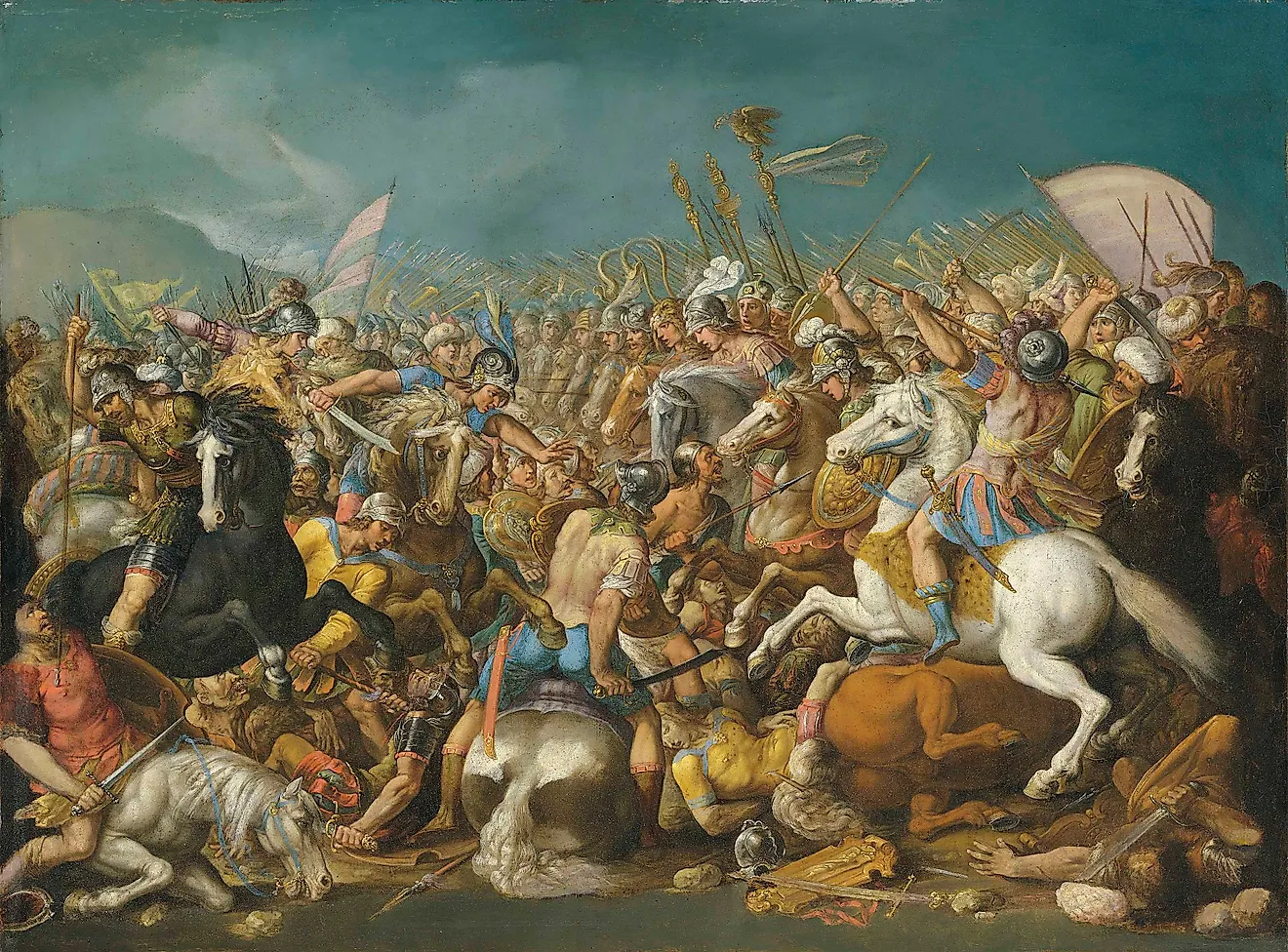
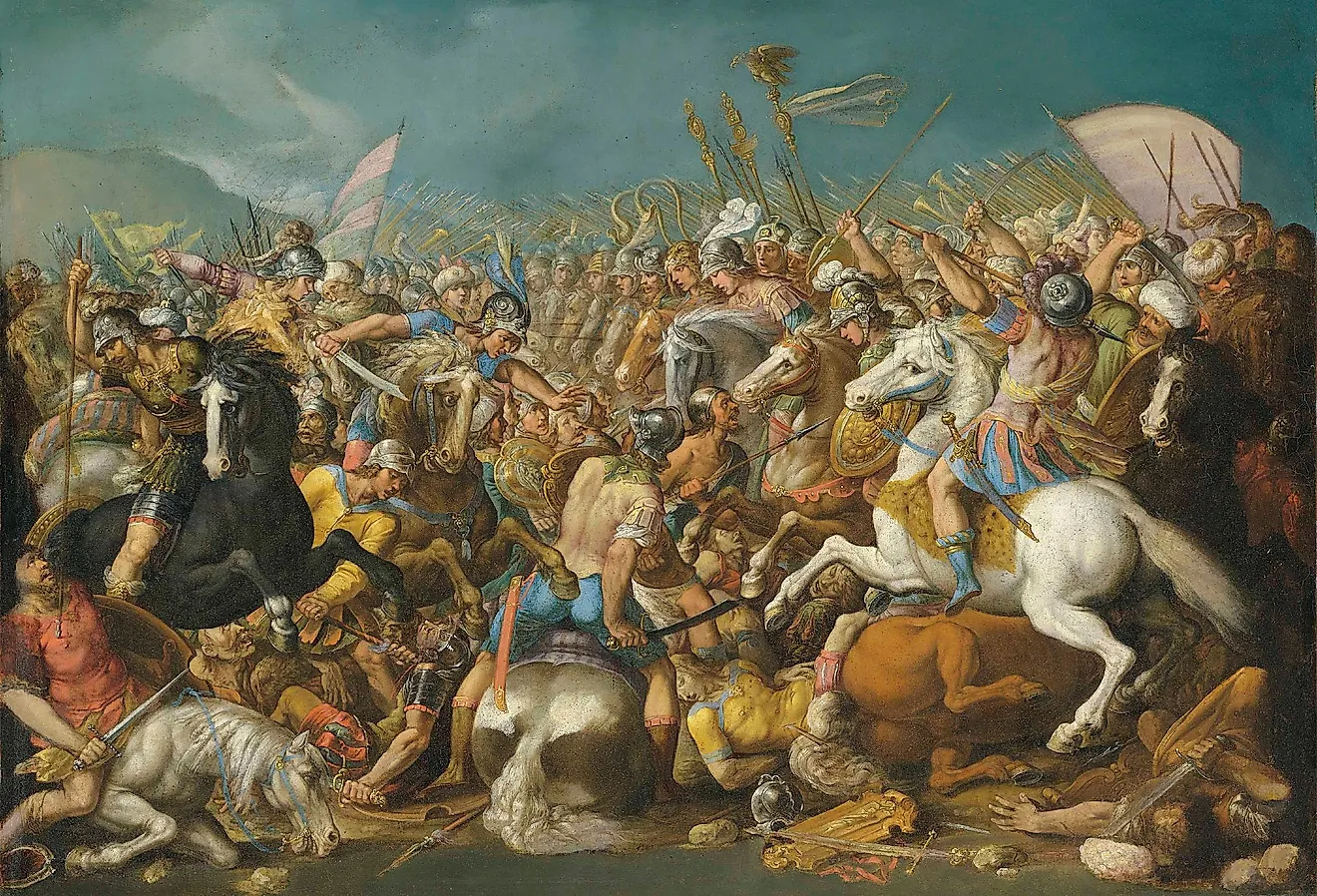
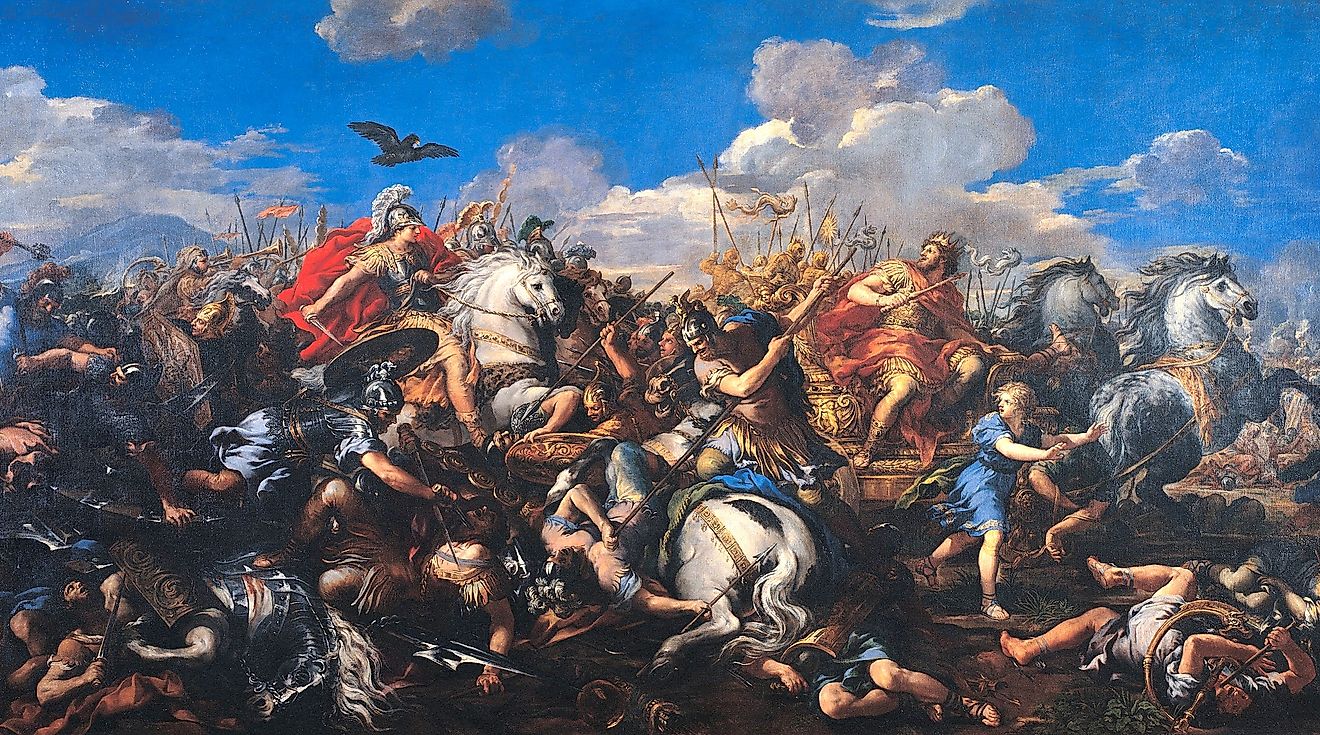
At Issus (333 BC) and Gaugamela (331 BC), the Companions, often led personally by Alexander, smashed through Persian lines, enabling encirclement and collapse. Arrian’s Anabasis repeatedly highlights their discipline and psychological effect. Their legacy shaped Hellenistic successor states and influenced Roman cavalry reforms centuries later. The tactical features include a wedge formation that allowed rapid maneuvers and a concentrated force at a single point. In addition, it had coordinated charges timed with infantry advances. It was also involved in the direct targeting of enemy commanders or weak points, using momentum rather than missile fire, and was used as both a tactical and a psychological weapon.
The Numidian Light Cavalry (c. 3rd-1st century BC)

Historical Context
If the Companions embodied shock, the Numidians embodied speed. Hailing from modern Algeria and Tunisia, they were unmatched as skirmishers. Numidian tribes were semi‑nomadic pastoralists whose horsemanship impressed both Carthaginians and Romans. Polybius describes them riding without saddles or bridles, controlling their horses with astonishing precision.
Significance
Numidian cavalry specialized in hit‑and‑run tactics, javelin harassment, and rapid disengagement. They were the perfect counter to heavy infantry and cumbersome cavalry. The cavalry was extremely lightly equipped, which gave them unmatched mobility. They had no saddle, no stirrups, a minimum of tacks, no armor, with some small shields, and they liked javelins. They may have a short sword or dagger as a backup weapon.
Impact

During the Second Punic War, Hannibal’s Numidian allies repeatedly humiliated Roman cavalry. At Cannae (216 BC), their flanking maneuvers helped encircle and annihilate the Roman army. Later, Rome incorporated Numidian units into its own forces, recognizing their indispensable value. Their influence persisted into the Imperial era, where light cavalry became essential for reconnaissance and pursuit. They could ride and lose formations, ride in circles, and maintain constant pressure on the enemy. The main purpose was to screen the enemy, conduct reconnaissance, pursue the enemy, disrupt other enemy cavalry units, and break the enemy's formations.
The Parthian Cataphracts (c. 3rd century BC-3rd century AD)

Historical Context
If any cavalry unit embodied fear itself, it was the Parthian cataphract, a fully armored horseman capable of delivering devastating charges. The Parthian Empire, rising after the fall of the Seleucids, fused Iranian nomadic traditions with Hellenistic military structures. Their elite cavalry, the cataphracts, were drawn from noble families and equipped at enormous expense. It also featured full-body armor for horses, high-quality weapons, retainers, and support personnel. They were not ordinary troops but a prestigious unit representing the military and social elites of the Parthian Empire.
Significance
Cataphracts were among the earliest examples of true heavy cavalry, with both rider and horse encased in scale armor. They wielded the kontos, a long two‑handed lance capable of piercing shields and armor. However, it required two arms and was wielded either under the arm or over it. It required exceptional horsemanship and training and can be devastating in a high-speed charge. The armor that they wore was extremely resilient to missile fire and close-combat weapons
Impact
At the Battle of Carrhae (53 BC), Parthian cataphracts and horse archers annihilated a Roman army under Crassus. Plutarch describes Roman soldiers frozen in terror as armored riders crashed into their formations. The Parthian model influenced Sassanian, Armenian, and later Byzantine cavalry, shaping the future of armored warfare. The army employed several units, including horse archers, which were highly mobile and with composite bows, to harass and encircle the exhausted enemies. The cataphracts delivered the decisive blow once the enemy was weakened, charging in dense formations. It targeted key points in the enemy line, and this combination created a flexible, adaptive, and deadly tactical system unmatched in the ancient Near East.
Why These Cavalry Units Were Feared
Across cultures and centuries, fear emerges from several qualities, including mobility that defied conventional warfare. The Scythians and Numidians demonstrated that speed and maneuverability could defeat even the most disciplined and experienced infantry. Shock power shattered formations, as in the Macedonian Companion cavalry, and the Parthian cataphracts proved that armored cavalry could deliver decisive battlefield breakthroughs. Their tactical innovations forced empires to adapt, including the Persian combined-arms cavalry, with Parthian horse archers working alongside cataphracts, reshaping military doctrine in the ancient era. Before 500 AD, these cavalry forces were not merely effective; they were transformative. Their influence shaped the armies of countless other states, laying the foundations for medieval and early modern cavalry traditions.