The Most Advanced Ancient Civilizations by Technology
Technological innovation in the ancient world emerged independently across continents as societies responded to environmental pressures, political ambitions, and cultural needs. Before 500 AD, several civilizations distinguished themselves through remarkable achievements in engineering, mathematics, metallurgy, writing, and urban planning. These innovations shaped their societies and influenced later cultures across the globe. Some of their creations, like the pyramids of Giza, the Pantheon, and the ancient Persian Royal Road, still stand today. By examining the technological accomplishments of Mesopotamia, Egypt, the Indus Valley, China, Greece, Rome, Persia, and Nubia, we gain a clearer understanding of how early human ingenuity laid the foundations for modern civilization.
Mesopotamia: Foundations of Writing, Mathematics, and Engineering

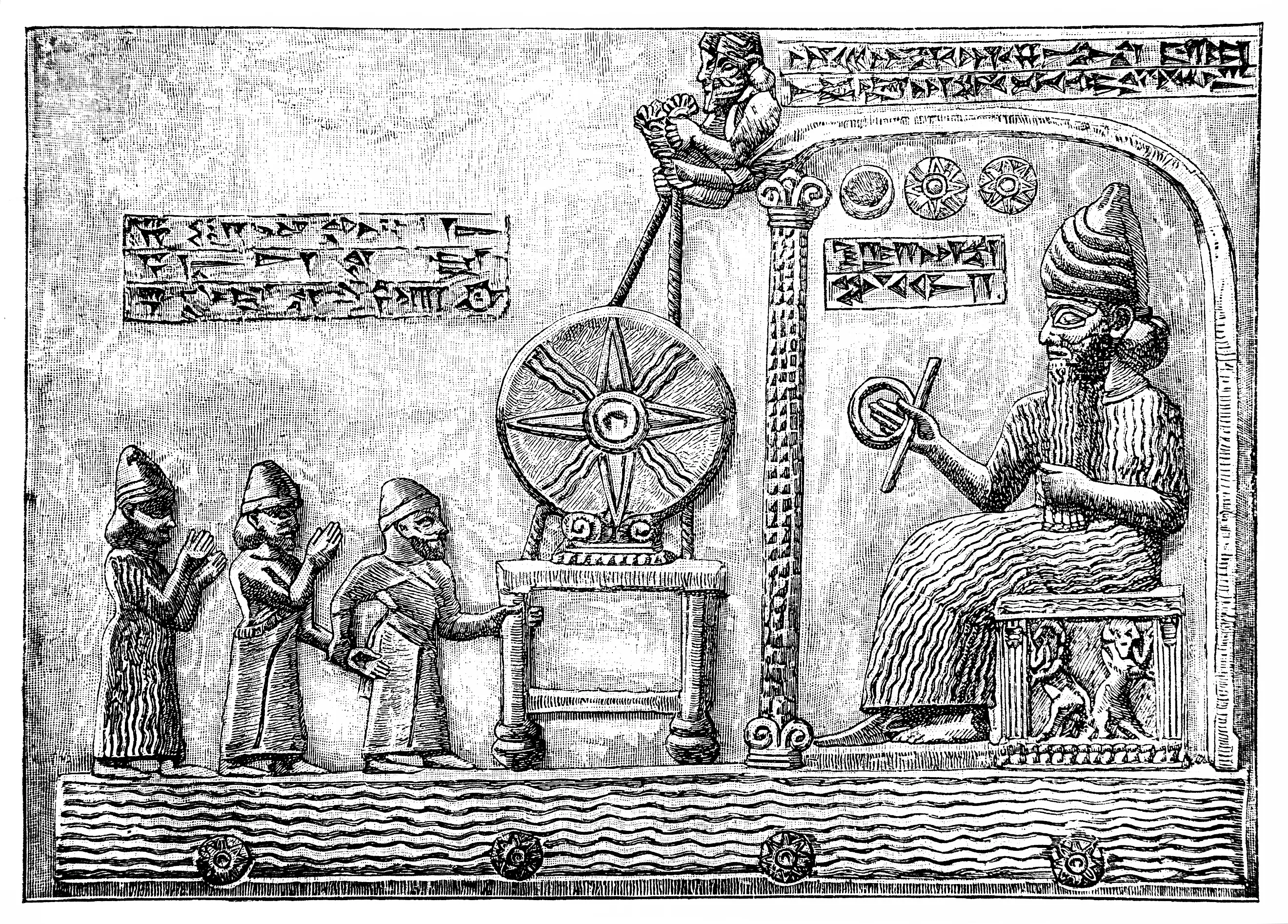
Ancient Mesopotamia, located between the Tigris and Euphrates rivers, is often regarded as the birthplace of many foundational technologies. Around 3200 BC, the Sumerians developed cuneiform writing, one of the earliest known writing systems. This innovation transformed economic and administrative life by enabling the recording of laws, contracts, and literature such as the Epic of Gilgamesh. Writing also facilitated the development of complex governance structures and taxation systems. Mesopotamians invented the wheel, initially for pottery and later for transport, which revolutionized mobility and trade across the region. Their mastery of bronze metallurgy supported the creation of durable tools and weapons, while their irrigation systems allowed agriculture to flourish in an otherwise arid environment. Mesopotamian scholars made significant advances in mathematics and astronomy, producing star catalogues, early algebraic methods, and sophisticated calendars. These innovations had a lasting influence, shaping the technological and administrative practices of later Near Eastern empires and laying the groundwork for future scientific traditions.
Ancient Egypt: Monumental Architecture and Medical Innovation

Ancient Egypt’s technological achievements were deeply connected to the centralized power of the pharaohs and the annual flooding of the Nile. The construction of the pyramids, particularly the Great Pyramid of Giza, required extraordinary precision in geometry, surveying, and logistics. Egyptian engineers used ramps, levers, and carefully measured stone blocks to create structures aligned with astronomical points. Their medical knowledge, preserved in texts such as the Edwin Smith Papyrus, demonstrates an empirical approach to anatomy, trauma treatment, and surgical procedures unmatched elsewhere in the ancient world. Egyptians also pioneered the use of papyrus, which facilitated record‑keeping and communication long before paper became widespread. Their shipbuilding techniques enabled long‑distance trade with the Levant and the land of Punt, expanding Egypt’s economic and cultural reach. The technological legacy of Egypt influenced Greek and Roman architecture, medicine, and administrative practices, while their monumental structures remain enduring symbols of ancient engineering brilliance.
The Indus Valley Civilization: Urban Planning and Sanitation Systems

The Indus Valley Civilization (2600-1900 BC), located in modern Pakistan and northwest India, developed one of the world’s earliest and most sophisticated urban cultures. Cities such as Mohenjo‑Daro and Harappa were laid out on precise grids, with standardized brick sizes and advanced drainage systems that included covered sewers and private bathroom features unmatched in many parts of the world until the modern era. The Harappans also created standardized weights and measures that facilitated trade across their vast territory, indicating a high degree of administrative coordination. Their metallurgy included copper, bronze, and tin, and their artisans produced finely crafted ceramics, jewelry, and beadwork. Although their writing system remains undeciphered, archaeological evidence suggests a complex and organized society capable of large‑scale planning. The Indus Valley’s emphasis on sanitation, standardization, and urban design continues to influence modern city planning and hydraulic engineering.
Ancient China: Metallurgy, Paper, and Mechanical Innovation

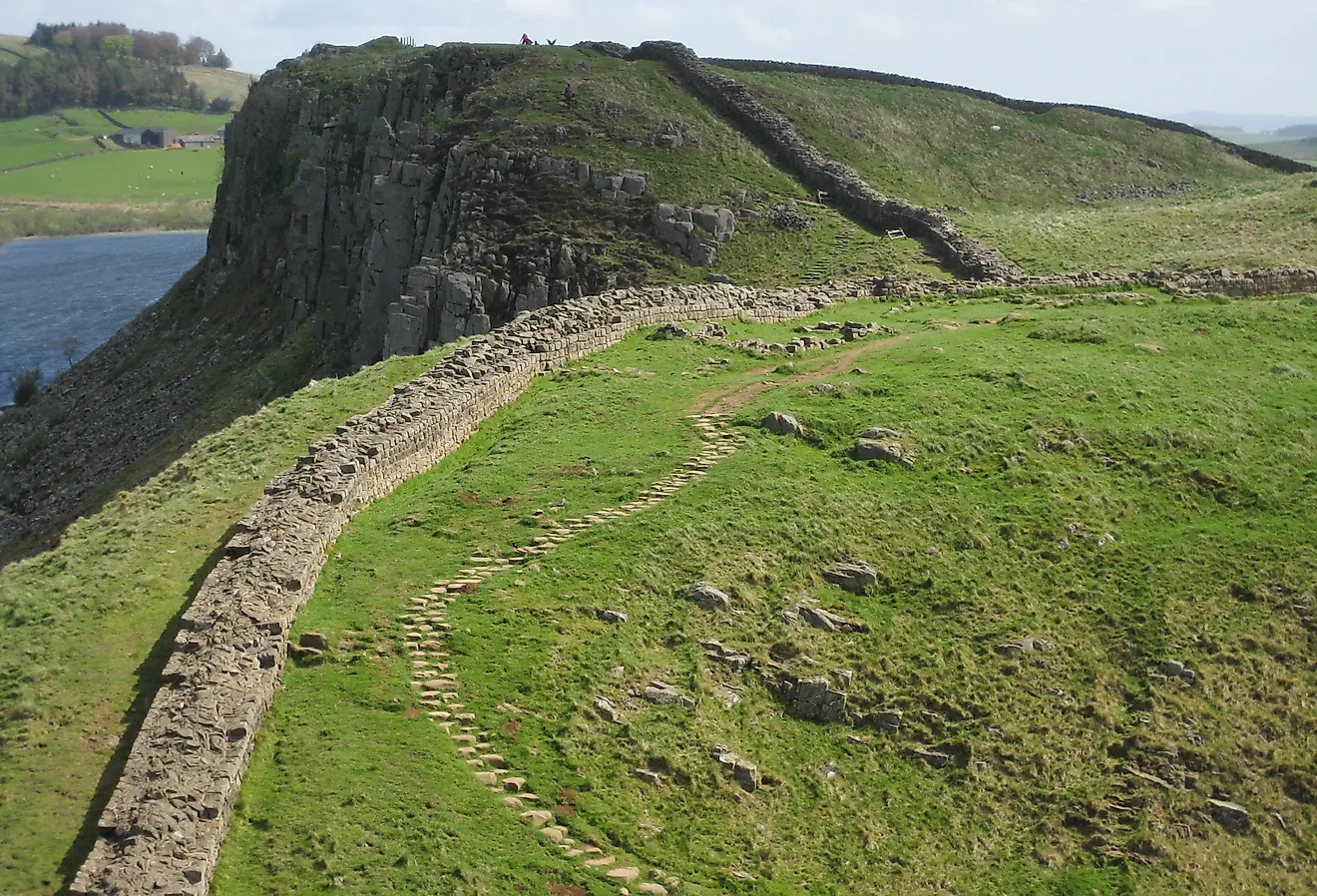
From the Shang Dynasty through the Han Dynasty (c. 1600 BC-220 AD), ancient China was one of the most consistently innovative civilizations in world history. The Shang were renowned for their bronze casting, producing ritual vessels of exceptional artistic and technical sophistication. By the Zhou period, Chinese metallurgists had developed cast iron, centuries before it appeared in Europe. During the Han Dynasty, China produced a series of groundbreaking inventions, including paper, which transformed literacy and bureaucratic administration. Chinese engineers also created the world’s first seismograph, advanced agricultural tools such as the iron plow, and early navigational instruments that prefigured the magnetic compass. The crossbow, a major military innovation, allowed Chinese armies to dominate their rivals. Large‑scale infrastructure projects, including the early Great Wall and extensive canal systems, demonstrated the empire’s capacity for coordinated engineering. These technologies spread across Eurasia through trade routes such as the Silk Road, influencing societies from Persia to Rome and contributing to the global exchange of scientific knowledge.
Ancient Greece: Mathematics, Mechanics, and Scientific Thought

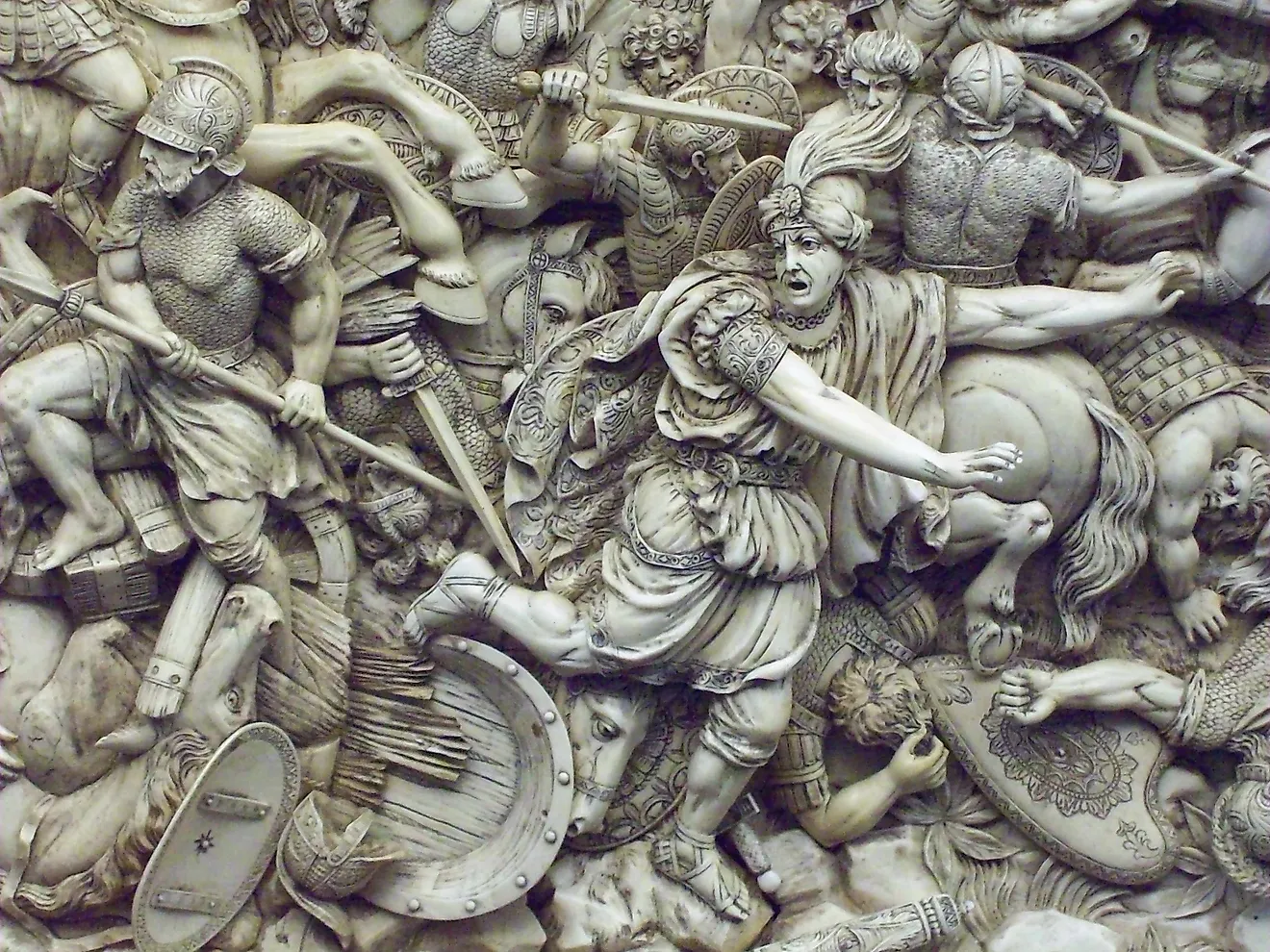
Ancient Greece made extraordinary contributions to theoretical science and mechanical innovation. Greek mathematicians such as Euclid and Archimedes laid the foundations of geometry, hydrostatics, and mechanics, producing principles that remain central to modern engineering. Archimedes’ inventions, including the screw pump, compound pulleys, and war machines, demonstrated a sophisticated understanding of physical principles. Greek architects developed the classical orders, such as the Doric, Ionic, and Corinthian, and perfected techniques such as entasis to correct optical illusions in large structures. They also built water clocks, early steam devices such as Hero of Alexandria’s aeolipile, and automata that showcased their mechanical creativity. Greek scientific thought profoundly influenced Roman engineering and later Islamic and European science, making Greece a cornerstone of Western intellectual history.
The Roman Empire: Applied Engineering and Infrastructure

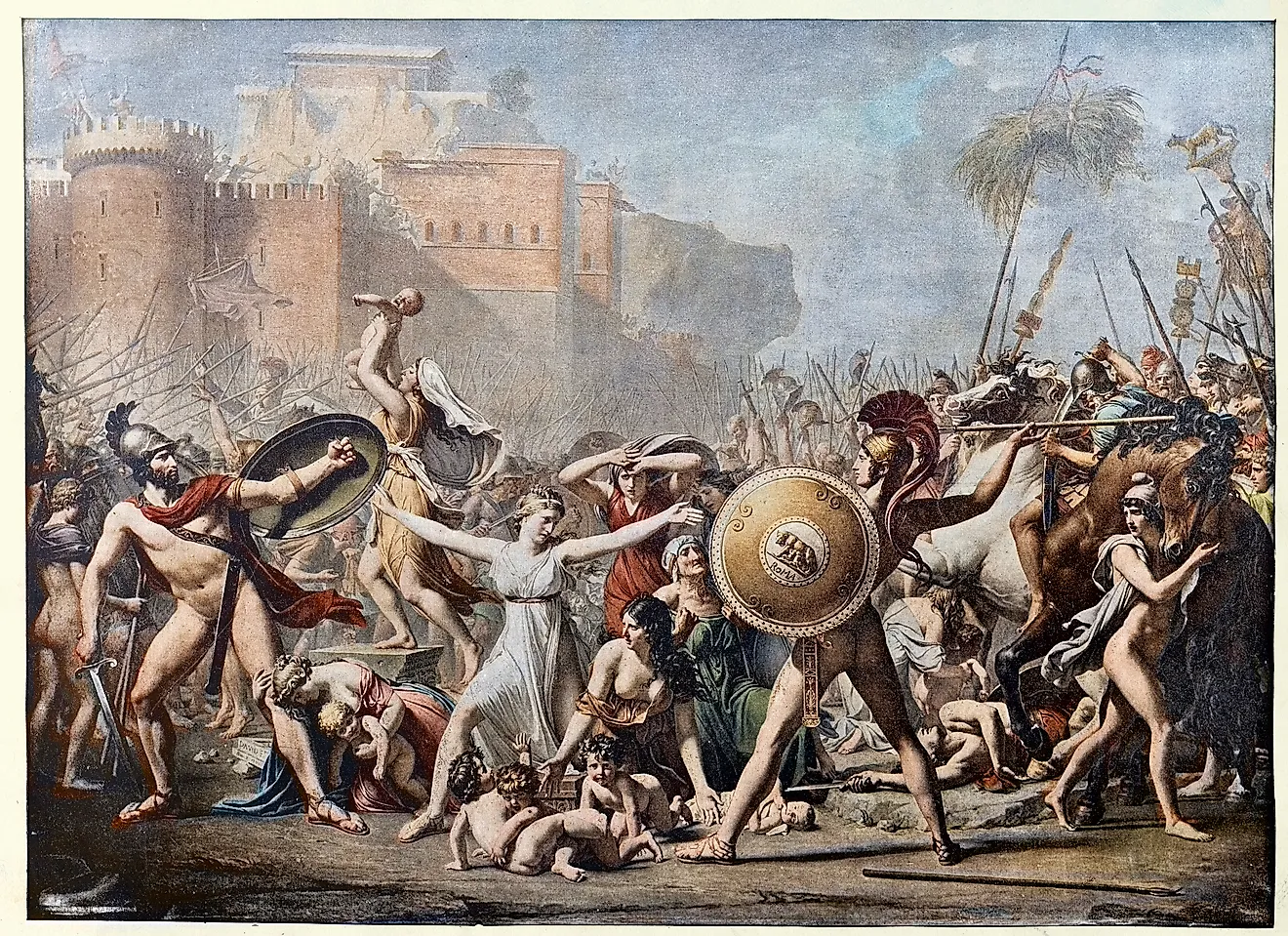
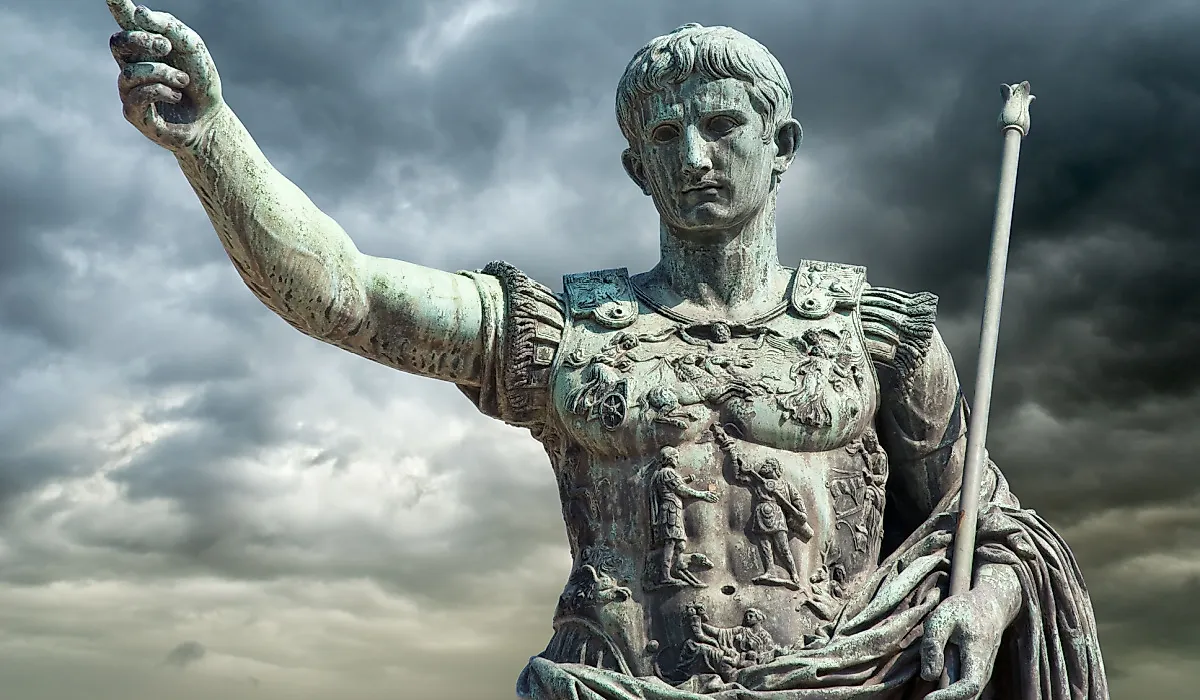
The Roman Empire excelled in applied engineering, integrating technologies from earlier civilizations into a vast imperial infrastructure. Their development of hydraulic concrete enabled the construction of durable structures such as the Pantheon and aqueducts. Roman roads, built with layered stone and gravel, facilitated rapid military movement and trade across thousands of kilometres. Aqueducts delivered clean water to cities, while sewer systems like the Cloaca Maxima improved sanitation. The Romans also developed advanced military technologies, including siege engines, standardized weapons, and logistical systems that allowed them to maintain control over a vast territory. Their engineering achievements shaped European infrastructure for centuries, influencing modern civil engineering, architecture, and urban planning.
Ancient Persia: Irrigation, Roads, and Administrative Engineering

The Achaemenid Empire (550-330 BC) employed the qanat system, an underground irrigation network that transported water across arid landscapes using gravity alone. This technology enabled agriculture and urban life in regions with minimal rainfall and spread across the Middle East, North Africa, and Central Asia. Persians also built the Royal Road, a 2,700-kilometre communication and trade route supported by relay stations that facilitated rapid message delivery. Their administrative innovations included standardized taxation, coinage, and record‑keeping, which helped maintain cohesion across a diverse empire. Persian engineering and governance influenced later Islamic and Central Asian states, demonstrating the long‑term significance of their technological achievements.
Nubia and Kush: Ironworking and Architectural Innovation

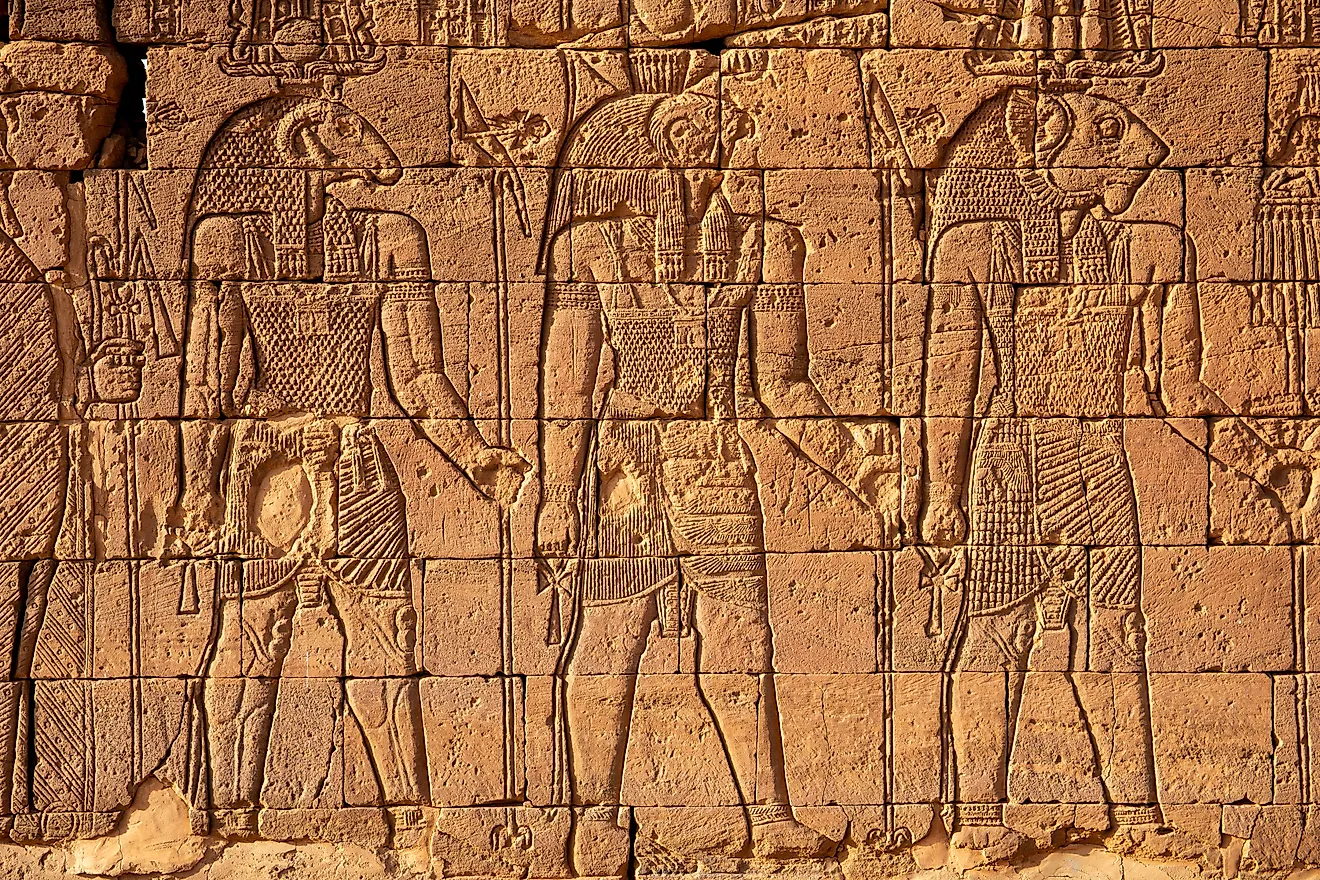
Ancient Nubia and the Kingdom of Kush, located in modern Sudan and southern Egypt, were major centers of iron production, sometimes surpassing Egypt in metallurgical skill. They developed unique forms of glazed quartzite, advanced ceramics, and distinctive pyramids at Meroë. Their strategic location along the Nile facilitated trade with sub‑Saharan Africa and the Mediterranean, while their iron tools supported agriculture and warfare. Kushite archers were renowned in antiquity, and their technological achievements contributed to the cultural and political landscape of the Nile Valley. Nubian ironworking influenced African metallurgy for centuries, highlighting the region’s importance in ancient technological history.
Before 500 AD, human civilizations across the globe developed remarkable technologies that shaped their societies and influenced future generations. Mesopotamia pioneered writing and the wheel; Egypt mastered monumental engineering; the Indus Valley created sophisticated urban systems; China revolutionized metallurgy and papermaking; Greece advanced theoretical science; Rome perfected applied engineering; Persia engineered irrigation and administration; and Nubia excelled in ironworking. These civilizations demonstrate that technological innovation is a global, multicultural phenomenon whose legacies continue to inform modern engineering, science, governance, and urban planning.