10 Fascinating Facts About Ancient Egypt You Didn’t Know
Ancient Egypt left behind feats of engineering that modern science still struggles to explain. The Great Pyramids and the Sphinx draw most of the attention. But the civilization’s spirituality also shaped writing systems, political structures, and ways of life that lasted thousands of years. There’s far more to Egypt than its monuments. The facts ahead pull from technology, culture, and ideas about identity that may change how you think about Egypt.
A Lesser-Known Ancient Wonder

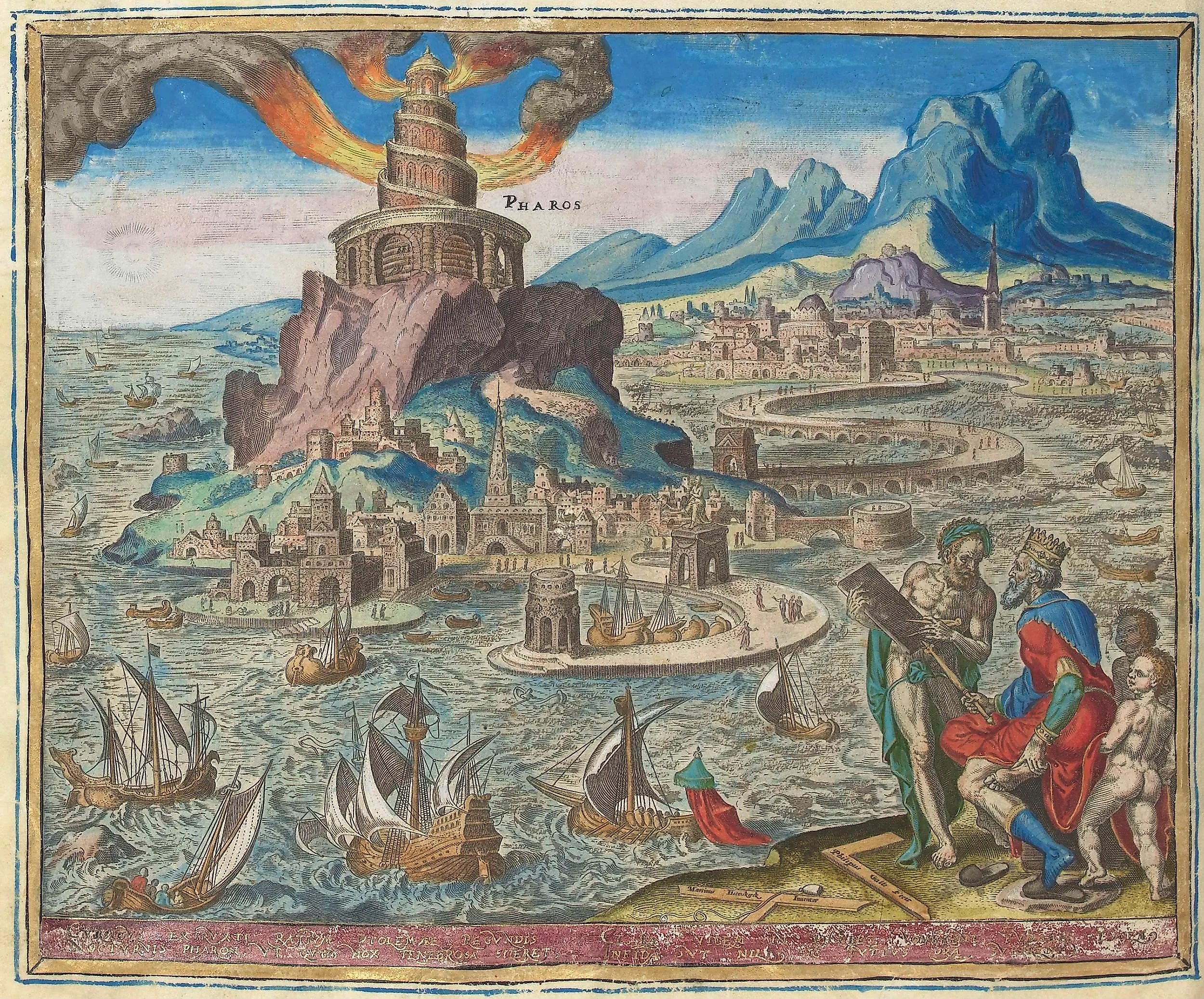
The lifeblood of Ancient Egyptian civilization was the Nile River, and at the western edge of the Nile River delta sat a small island called Pharos directly opposite Alexandria. Pharos was home to the Lighthouse of Alexandria, which was estimated to stand over 330 feet tall. This would have made it one of the tallest known structures in the ancient world. The building was commissioned shortly after Alexander the Great’s death by Ptolemy the First, and finished by his son, Ptolemy II Philadelphus, with a total construction time of 12 years. At the top was a furnace, lit during the night, and a mirror, which reflected light during the day, helping ships to navigate the treacherous reefs and shoals of the delta. For a modern example of what the lighthouse would have looked like, the George Washington Masonic National Memorial in Alexandria, Virginia, was built to similar specifications, standing roughly the same height.
The Egyptians Developed One Of The First Writing Systems

When Egypt unified, its government faced logistical issues like tracking food supplies, taxes, and religious declarations. An early form of writing, hieroglyphics, was developed to address these bureaucratic challenges, further uniting Egypt under the rule of the pharaohs and helping create a highly organized and centralized state. Hieroglyphics also formalized laws and preserved scientific, cultural, and historical knowledge, all key to day-to-day functioning and to organizing large-scale building projects like the pyramids. Writing was far from commonplace at the time, amounting to a form of power almost like magic to the literate minority. Hieroglyphics were one of the earliest writing forms, helping inspire the Phoenician alphabet, which in turn paved the way for the Greek alphabet, and set the stage for the 26 letters we use in English today.
The Pyramids Were Built Over A Thousand Years

While they often went up quickly, Egyptian pyramids were not all built at once, nor by a single pharaoh, taking over a thousand years to construct in distinct phases. While they shared a purpose in helping facilitate pharaohs’ transition to the afterlife, their design, size, and construction methods evolved significantly over time. The first pyramids were built between 2,670 and 2,650 BCE. Smaller and jagged in their construction, they were an important first step but unimpressive compared to what followed.
The next hundred years saw experimentation, with sharper angles and “smooth sides” used to various degrees of success. The largest pyramids were built in Giza from 2,560 to 2,490 BCE. Their designs perfected, these were a massive national undertaking that drained Egypt’s resources. Pyramid building declined in scale and quality over subsequent centuries. The last pyramid was built by Pharaoh Ahmose I in the 1,500s BCE.
Women Had More Rights Than In Many Other Ancient Societies

Egypt was hardly a model of gender equality, but it granted women more rights than many other ancient societies. Unlike Greece and Rome, women were considered legal individuals rather than dependents of men. They could own property, make contracts in their own name, and buy or sell land or goods. Women could also initiate divorces. While disenfranchised in many ways, women could occupy a wide range of occupations, including weavers, priestesses, musicians, and administrators. In some rare cases, women even held political power, the most famous example being Cleopatra from 51 to 30 BCE. Ancient Egypt was patriarchal, but it was not unheard of for women to hold positions of power and status.
Tutankhamun Was (Relatively) Unimportant

Tutankhamun was the pharaoh of Egypt for a short period, from 1,332 to 1,323 BCE. In the spirit of rebellious teenagers the world over, most of his policies involved reversing the decisions of his father, Akhenaten. For example, when Akhenaten tried to move Egypt towards worship of one God, Aten, Tutankhamun reverted to more polytheistic religious practices and worked to restore withered diplomatic relations with the Mitanni. Beyond that, Tutankhamun died at the age of 18 or 19 before he was able to do much of consequence. Despite his short life, he remains ever-present in popular historical memory due to the discovery of his tomb by British archaeologist Howard Carter in 1922. Almost completely untouched, it provided key insights into Ancient Egypt. So really, Tutankhamun’s real legacy is more from what happened after his death than what took place during his life.
Egypt Was One Of The Longest Lasting Civilizations In History
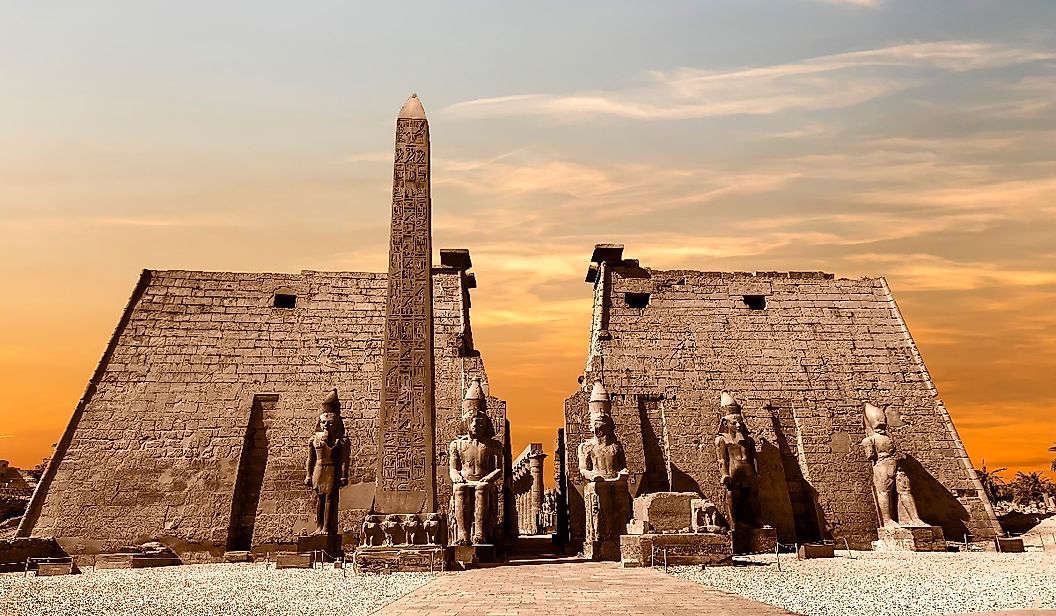
The longevity of Ancient Egyptian civilization is hard to comprehend. It lasted from 3,150 BCE to 30 BCE, a period of over 3,000 years. For reference, Greece’s cultural, political, and military peak lasted about 500 years, while Rome existed for 1,200 to 2,200 years, depending whether you count the fall of the Western or Eastern Empire as its end. To put that in perspective, the birth of Jesus is closer to 2026 than it is to the beginning of Ancient Egypt. What made it last so long? While Egypt experienced many different civilizational iterations, a semi-consistent political, cultural, and religious identity persisted throughout, helping hold the civilization together in the face of external change.
The Pyramids Were Ancient Even To The Egyptians
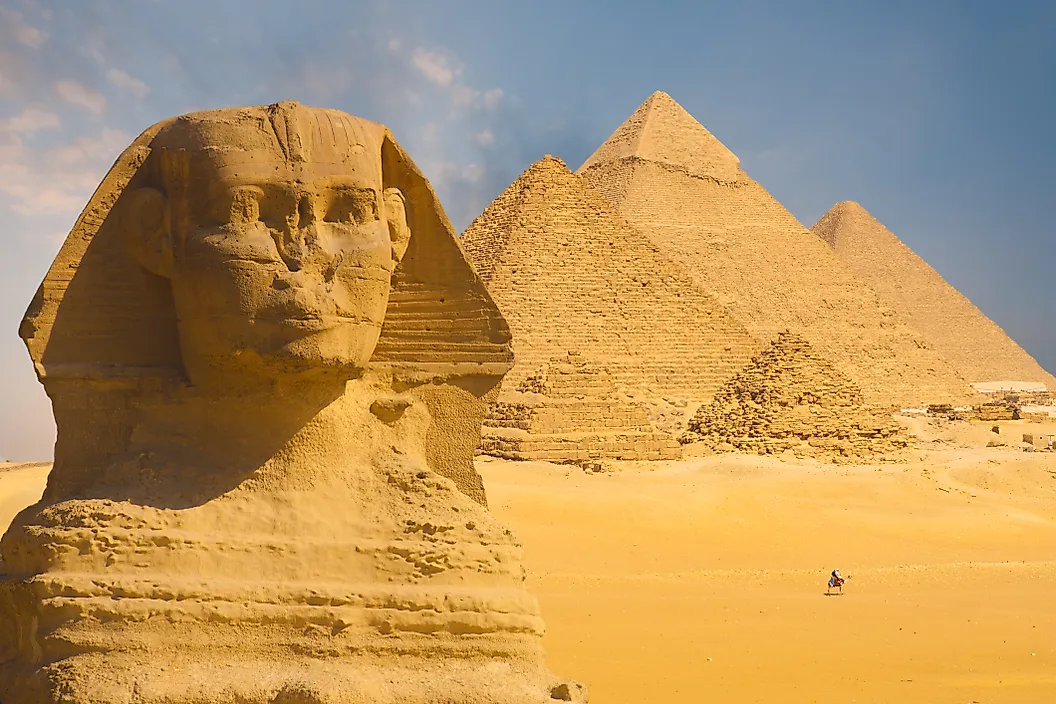
Due to its longevity, several aspects of Egyptian civilization were ancient to the Egyptians themselves. Cleopatra reigned 1,500 years after the last pyramids were built, approximately the same length of time between now and the fall of the Western Roman Empire. She also ruled 2,500 years after the construction of the pyramids of Giza. The Great Sphinx of Giza is thought to have been around for about 2,000 years before it was given the name “Sphinx” by the ancient Greeks, because it reminded them of the mythological beast by the same name. Though difficult to imagine in a period where all Egyptian dynasties are ancient, the pyramids held mythic and historical importance to Ancient Egyptians for thousands of years, since they were already relics of an ancient world.
Alexander The Great’s Golden Sarcophagus Robbery

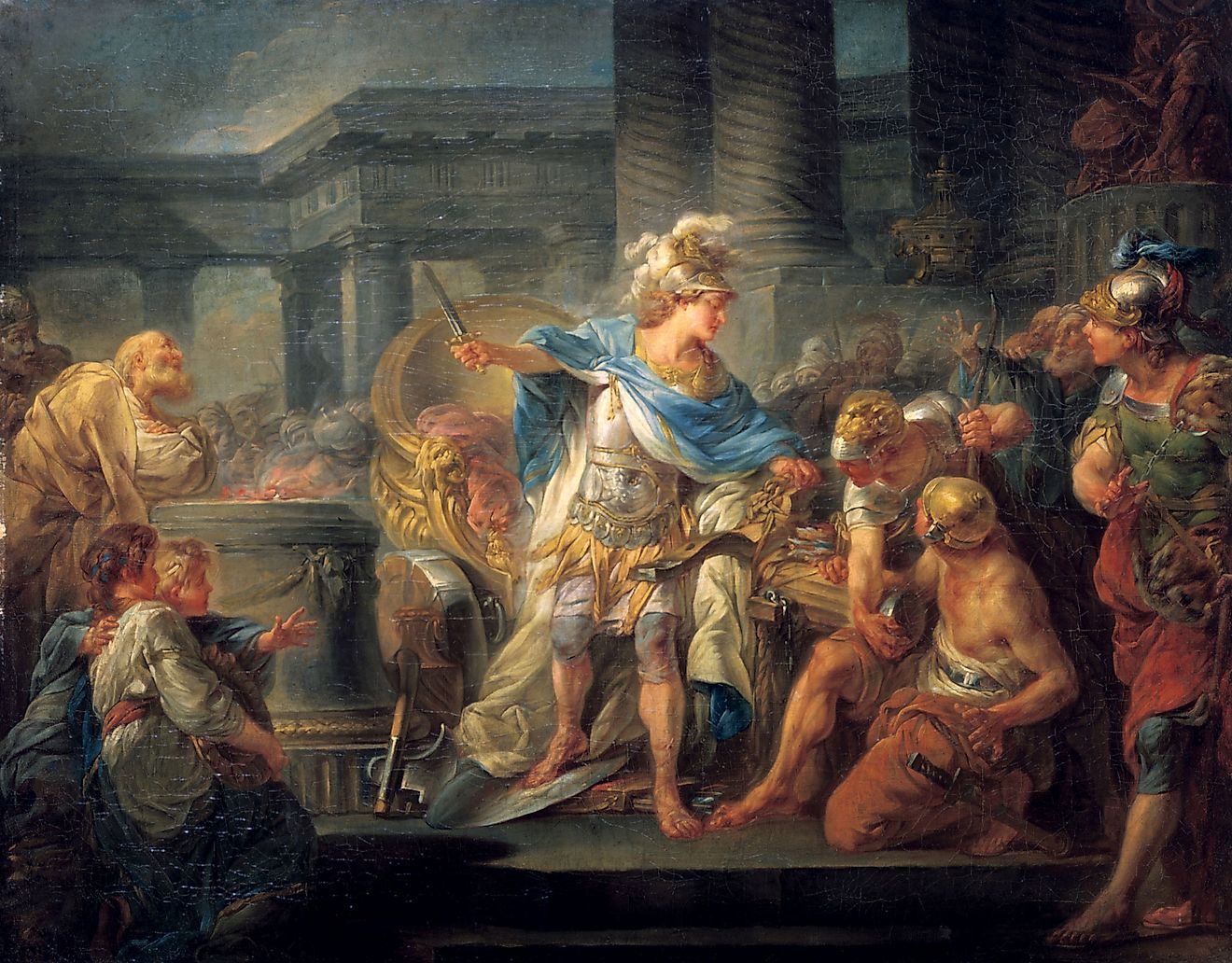
When the Macedonian king and ruler of Greece, Alexander the Great, reached Egypt in 332 BCE, he was treated as a liberator and founded the city of Alexandria. After his death at the young age of 32, he was placed in a gold, human-shaped sarcophagus filled with honey, which was then placed in another gold casket. While his funeral cortege was in transit to Macedon, Ptolemy stole the casket and took it to Memphis as a means of claiming legitimacy, marking the beginning of Ptolemaic Egypt. His successor, Ptolemy II Philadelphus, would eventually move Alexander’s sarcophagus to Alexandria, where it is thought to have remained until the period of late antiquity.
The Sabu Disk

In an age where we think science has everything figured out, there are aspects of Ancient Egypt we still can’t explain. One of the best examples is the Sabu Disk. Discovered in the Saqqara Necropolis in 1936, it is thought to have been a relic of the First Dynasty, somewhere between 3000 to 2800 BC. A finely shaped disk somewhat reminiscent of a steering wheel with three wide spokes, the Sabu Disk has no agreed-upon purpose, with theories ranging from an oil lamp to a water pump, ancient “Lazy Susan,” or some sort of propeller. But what really makes the Sabu Disk so fascinating is the degree of fine-grained detailed craftsmanship. Despite being made from fragile schist stone, it displays near-perfect symmetry, difficult to imagine being crafted without tools not commonly believed to exist among the Ancient Egyptians.
Cleopatra Was Not Egyptian

Cleopatra was the last pharaoh of Egypt, and also the last member of the Ptolemaic Dynasty. She was Greek, rather than Egyptian. As one of its most famous leaders, Cleopatra is a source of national pride in Egypt and is perceived as Egyptian in popular historical memory. Her story raises interesting questions about identity. What does it mean if a key national figure is not a member of that nationality? How do we understand the historical division between Europe and Africa, and North and South, if Cleopatra represented a merging of these civilizations? These questions give Cleopatra, and Ancient Egypt with her, continued relevance.