The Worst Atrocities In Ancient History
Historical atrocities have always attracted significant attention. This is particularly the case for those that occurred thousands of years ago. The lurid details, paired with their connection to a world so disconnected from our own, inspire both horror and imagination, and sometimes they even offer a bit of perspective. It’s therefore worth investigating the worst atrocities in ancient history. From the Neo-Assyrian reign of terror to the Roman destruction of Jerusalem, they all left an indelible mark on the ancient world.
The Neo-Assyrian Reign Of Terror (911 to 609 BCE)

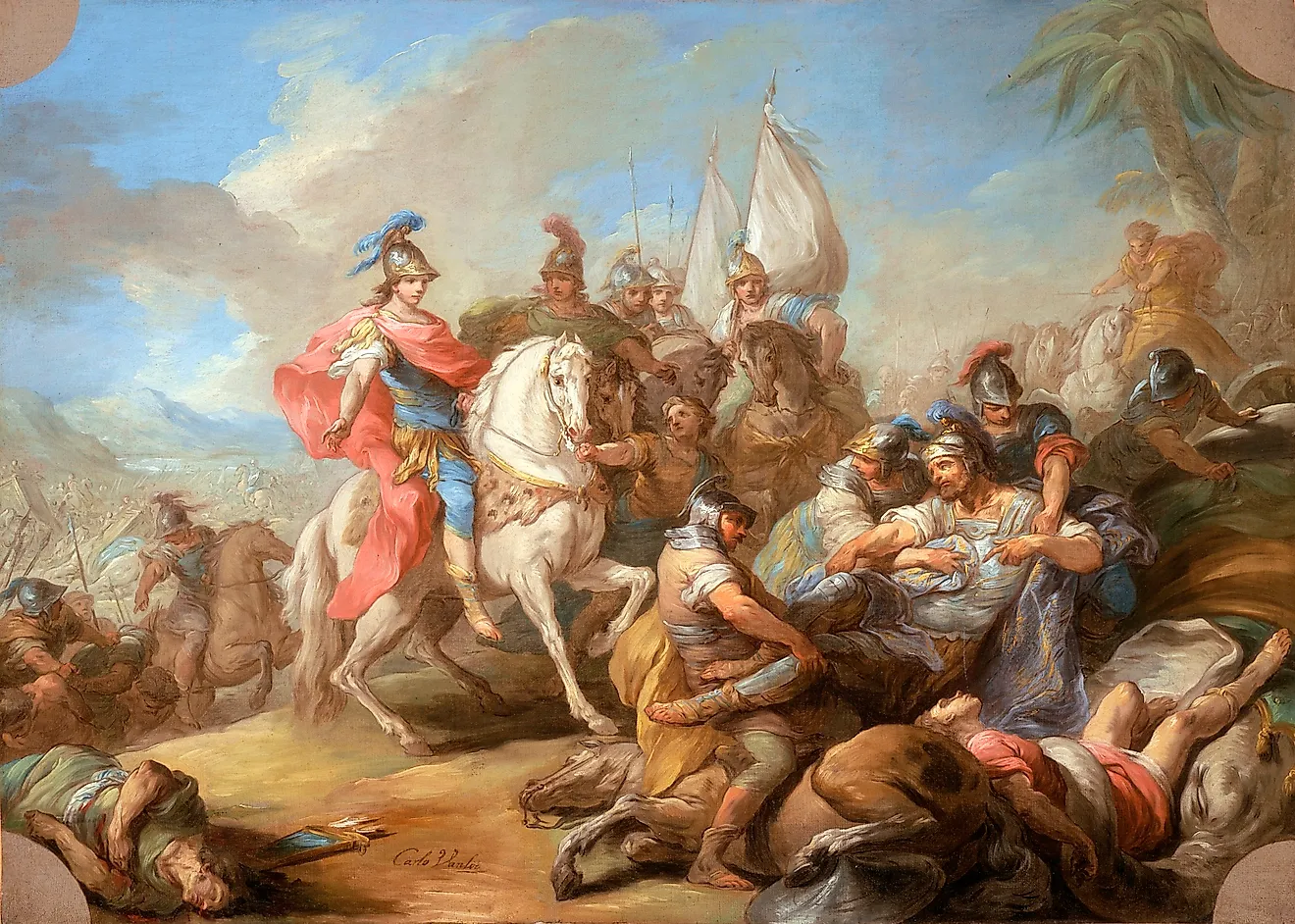
The Neo-Assyrian Empire was one of the largest powers of the ancient world. Spanning from Persia to Egypt to Anatolia, many historians consider it the first true world empire. The Assyrians accomplished this through their military dominance and sophisticated governmental administration. However, campaigns of terror were also crucial. The Assyrians utilized countless horrific methods to both break the wills of their enemies and discourage resistance amongst the populations they already controlled. Their torture techniques were particularly notorious. The Assyrians impaled people and skinned them alive. They also decapitated their enemies and displayed their heads in public.
Mass deportations were perhaps the most far-reaching Assyrian practice. Over the course of its nearly 300-year history, the empire is estimated to have deported around 4.5 million people. These transfers separated communities from their homelands, weakened local power bases, and supplied labor throughout the empire. Although the human cost was enormous and many deportees likely died from disease, hardship, and displacement, the primary goal was political control and economic integration rather than extermination.
The Destruction of Melos (416 BCE)

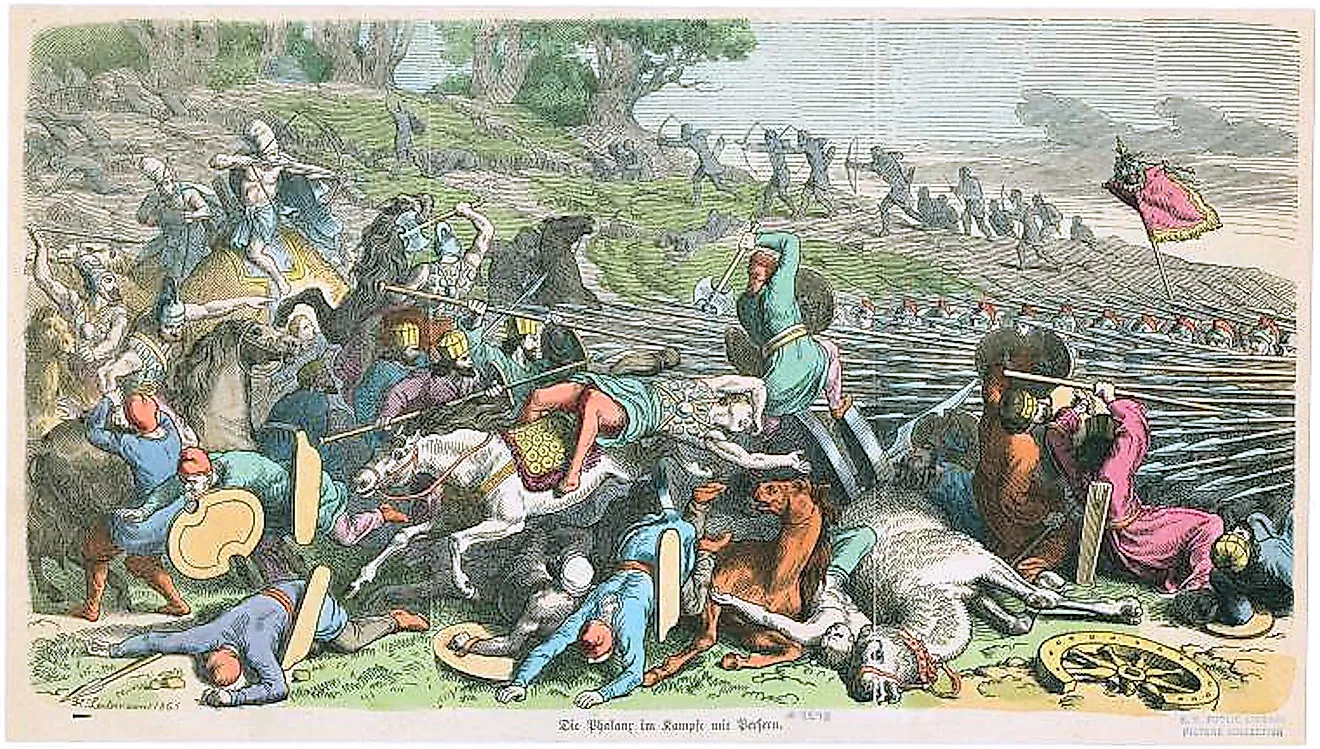
During the Peloponnesian War, Athens invaded the neutral island of Melos. Despite their city being renowned for its democratic values, the Athenians asserted that the Melians must submit when faced with overwhelming military superiority. The Melians responded by saying that they had the right to remain neutral and appealed to abstract concepts like morality, fairness, and the belief that the gods would protect them.
After negotiations failed, the Athenians besieged the island. As starvation spread, the Melians were forced to surrender unconditionally. The Athenians then murdered all the men, enslaved all the women and children, and repopulated the island with their own settlers. The Athenians defended their actions with the argument that "the strong do what they can, while the weak suffer what they must." This maxim forms the basis of political realism and continues to justify power politics to this day.
The Roman Destruction of Carthage (146 BCE)

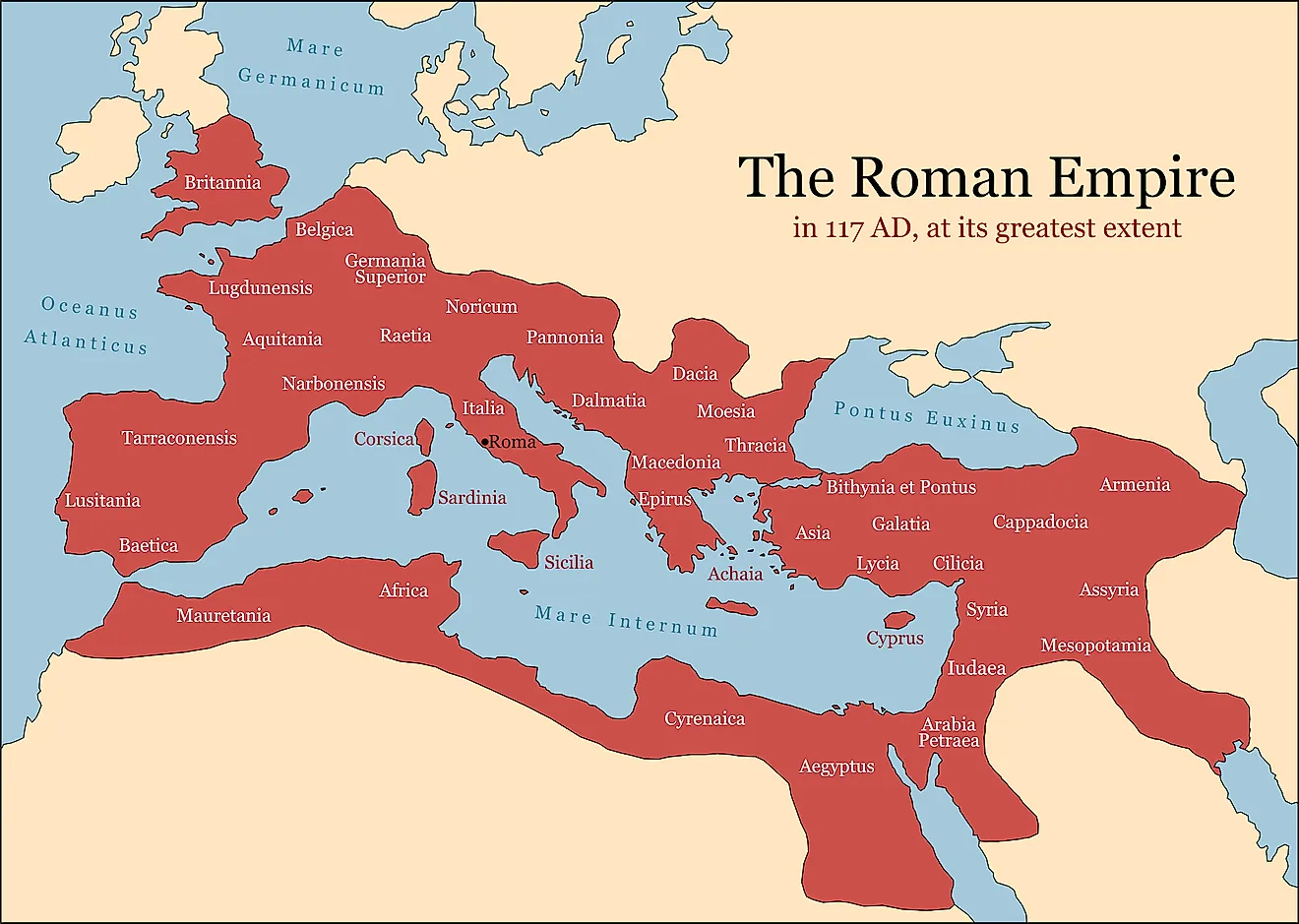
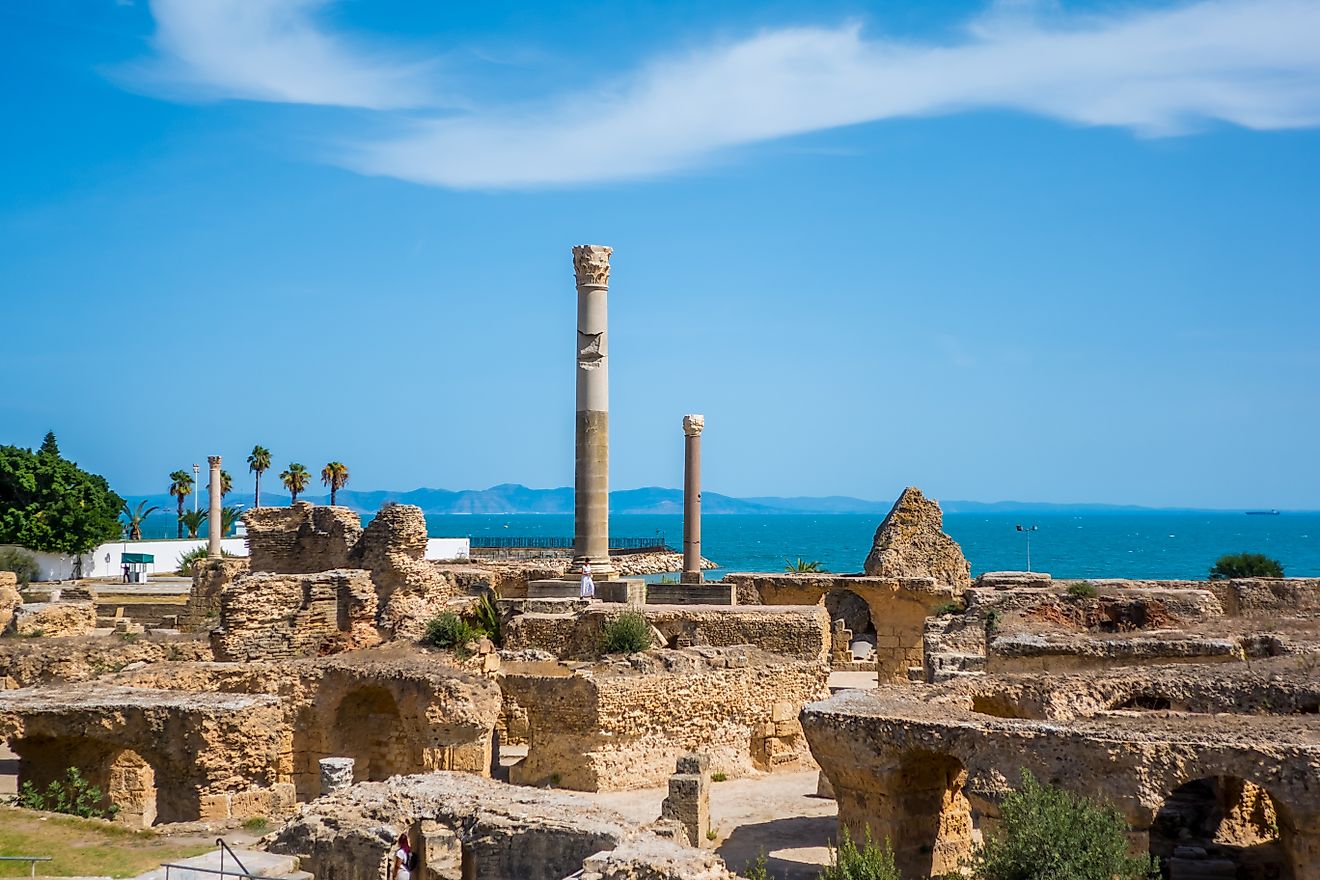
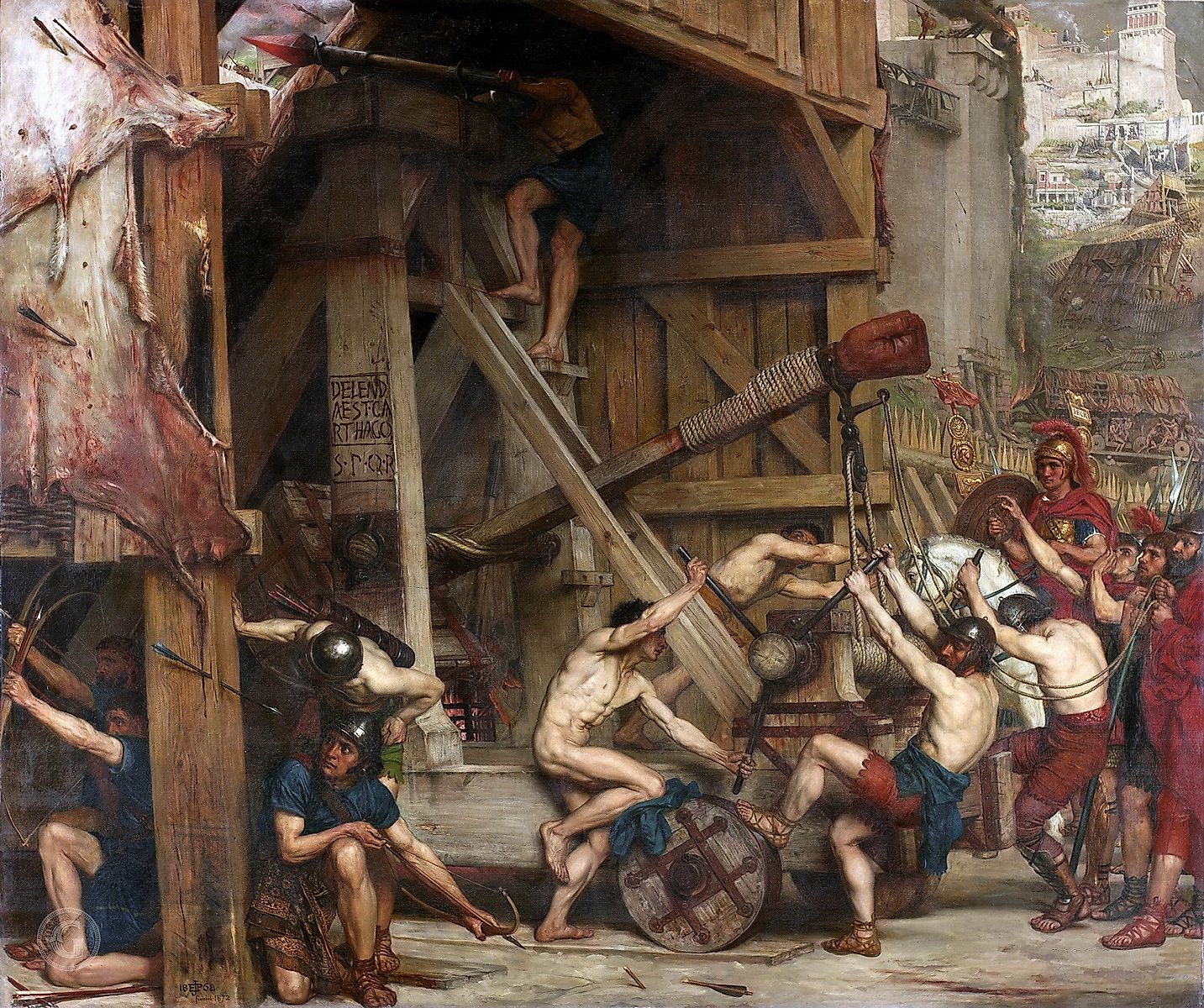
By 150 BCE, the Romans had been fighting the North Africa-based empire of Carthage for well over a hundred years. Driven by paranoia and sheer exhaustion, Rome set about to destroy it once and for all. It did so in the form of a brutal siege of the capital city. Lasting from 149 to 146 BCE, the Carthaginians successfully defended the city for two years.
The tide turned when General Scipio Aemilianus entered the picture. He implemented a sea blockade and built a dam to seal off the city’s harbor. This starved the Carthaginians of resources and allowed the Romans to breach the city in the spring of 146 BCE. Tens of thousands of Carthaginians died during the siege, while approximately 50,000 survivors were sold into slavery. Carthage itself was largely destroyed, marking the end of the Carthaginian state and Rome's final victory in the Punic Wars.
Julius Caesar’s Conquest of Gaul (58 to 50 BCE)

From 58 to 50 BCE, Julius Caesar led a campaign to bring Gaul (modern-day France and Belgium) under Roman control. In doing so, he played the various Celtic and Germanic tribes against each other, exploiting their natural divisions and preventing the emergence of organized resistance movements.
Caesar also utilized some far less justifiable tactics. He attempted to destroy several tribes, most notably the Eburones, while other groups, such as the Usipetes and Tencteri, suffered devastating losses. Caesar was also responsible for the mass enslavement of around one million Gauls. Finally, his usage of scorched earth and siege tactics led to widespread starvation and the deaths of many women and children. Later ancient writers, most notably Plutarch, claimed that as many as one million Gauls were killed and another million enslaved during the conquest. Some modern historians have argued that Caesar's campaign against the Eburones amounted to genocide, although this interpretation remains debated.
The Roman Destruction of Jerusalem (70 CE)

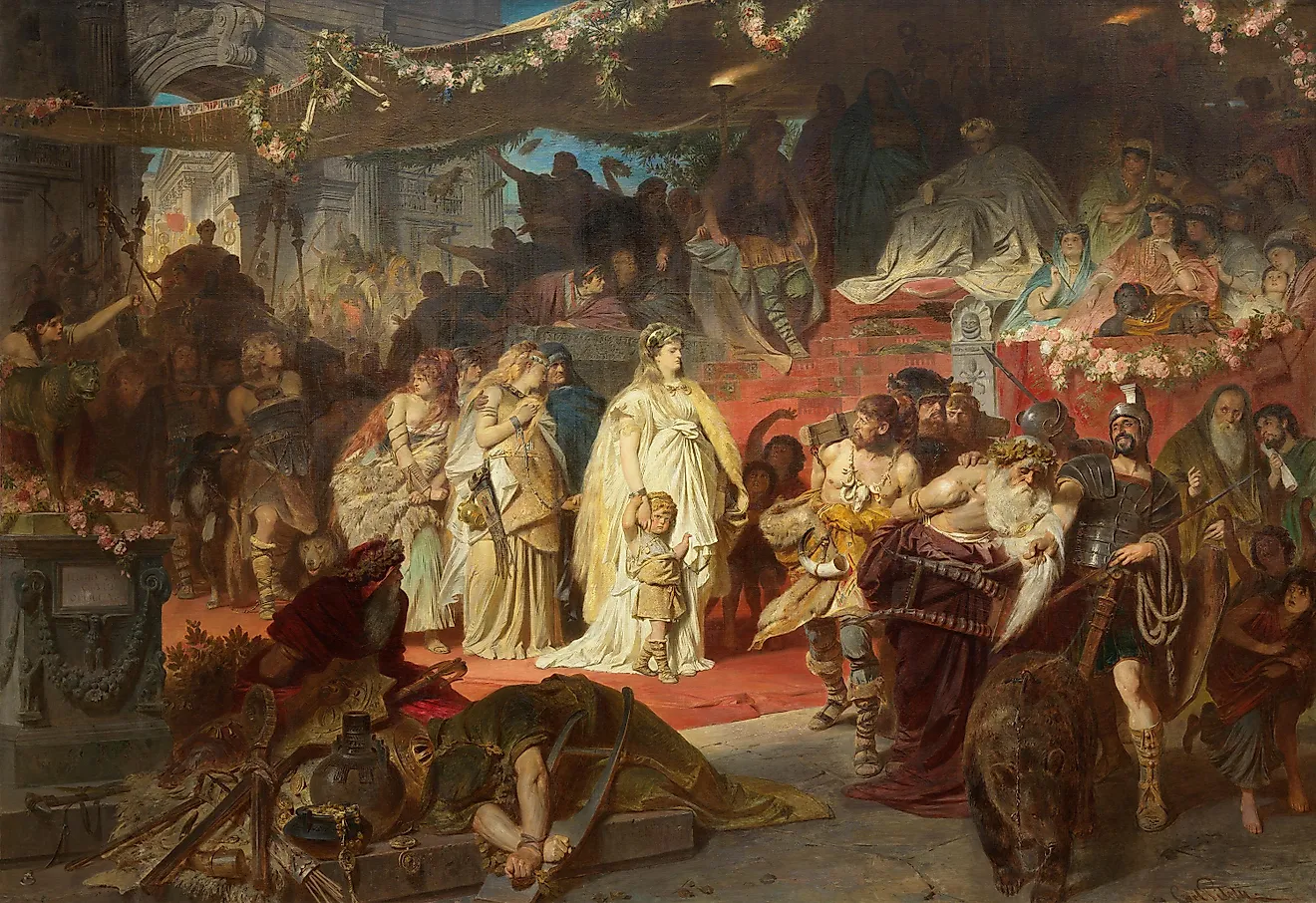
Ever since Judea became a Roman province in 6 CE, heavy taxation and Roman mismanagement contributed to tensions between the government and locals. This culminated in 66 CE when the Jewish population rebelled and expelled the Romans from Jerusalem. The Romans subsequently sent a massive army of between 50,000 and 70,000 to crush the rebellion.
Led by General Titus, the Romans blockaded the city by building a massive wall around it. Famine gripped Jerusalem, and people were forced to eat leather, grass, and garbage just to survive. After a siege that lasted months, the Romans breached the walls. The Second Temple was destroyed during the assault, while portions of the surrounding Temple Mount retaining walls survived. Much of the city was devastated, thousands were enslaved, and ancient sources report enormous loss of life, although the exact number remains disputed. The fall of Jerusalem profoundly shaped Jewish history and accelerated the growth of Jewish communities throughout the wider Mediterranean world.
Although separated by centuries and cultures, these atrocities reveal recurring patterns in human history, namely the pursuit of power, the suppression of resistance, and the devastating consequences of war. Whether carried out by empires seeking expansion or states determined to maintain control, each left lasting scars on the societies that were affected. Studying these events not only helps us understand the ancient world but also reminds us that the capacity for violence and its human cost have remained constant throughout history.