The State Parks With The Best Waterfront Campsites
You know it is a special morning when your tent flap opens onto water: coffee steam mixing with lake mist, or the tide pulling back from a beach warming after the cool of night. There are a handful of state parks that put campers closer to the water's edge than almost any national park can, often at a fraction of the cost and without the summer-long booking scramble.
From a Pacific lighthouse point to a spring-fed Texas river to a barrier island where wild horses wander between the tents, these 10 state parks all share one common theme: campsites where the water is the main event, not a side trip.
Cape Disappointment State Park, Washington

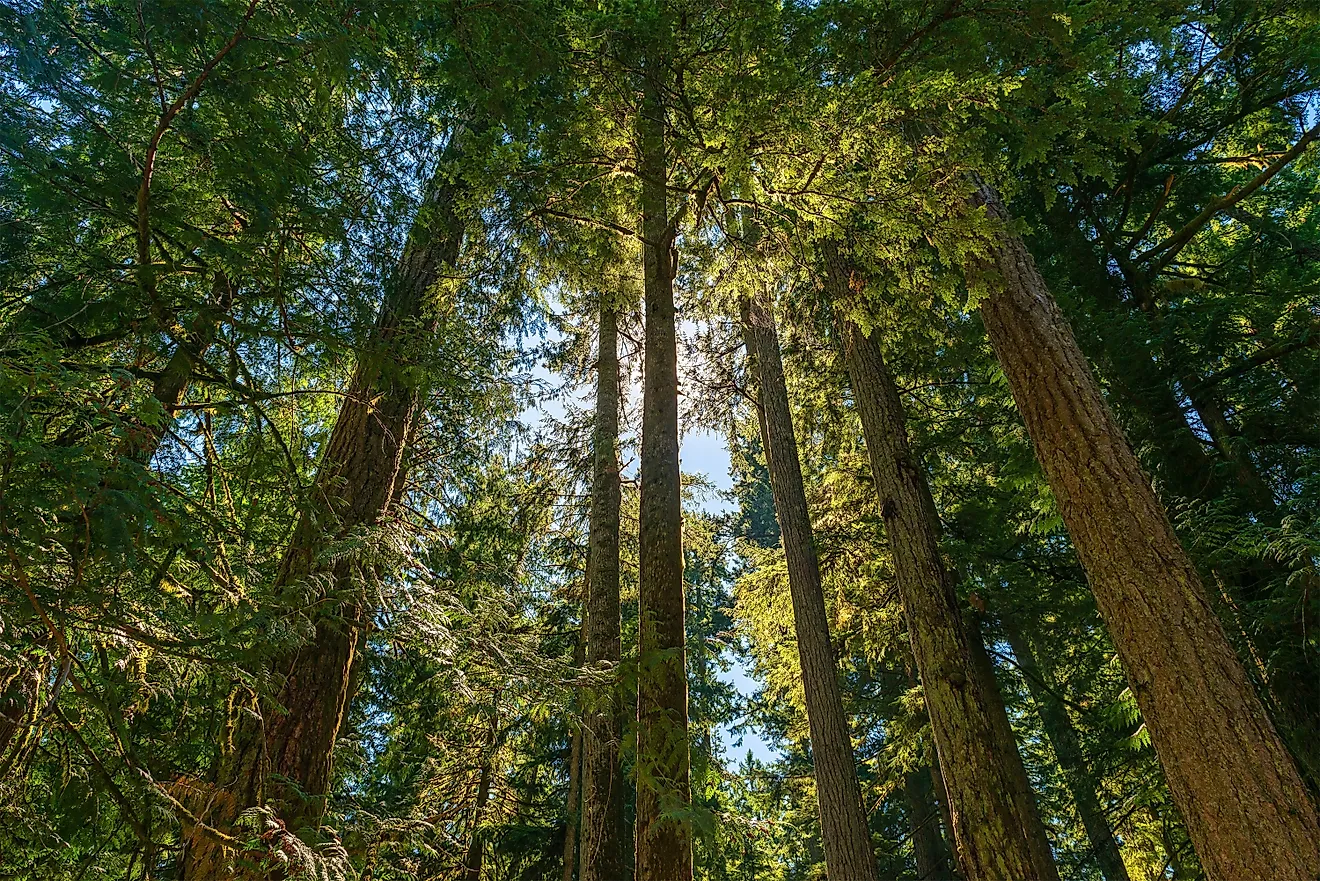
At the mouth of the Columbia River, where it collides with the open Pacific, Cape Disappointment State Park sprawls across more than 2,000 acres on Washington's Long Beach Peninsula. Its campground sits inside the loop system near Lake O'Neil, while Loops A, B, and C put campers a short walk from the open beach itself. The park takes its name from the treacherous river bar just offshore, once called "the graveyard of the Pacific," and it's home to two lighthouses, including the North Head Lighthouse and the 1856 Cape Disappointment Light, the oldest operating lighthouse on the West Coast.
Camping here means choosing between standard, partial-hookup, and full-hookup sites, plus five primitive hiker-biker spots, all managed by Washington State Parks and Recreation Commission. Day-use visitors arriving by vehicle generally need a Discover Pass, but registered overnight campers do not need one at the park where they are staying because parking is included with their camping registration. Visitors can hike coastal forest trails, explore WWII-era bunkers, or watch the sunset from North Head Lighthouse, open to visitors May through September. Swimming in the open Pacific Ocean isn't advised here, since the currents are genuinely dangerous, but Lake O'Neil offers a calmer alternative right in camp. Washington's Pacific coastline rewards the patient camper, and Cape Disappointment delivers that reward without the crowds of its national park cousins to the north.
D.L. Bliss State Park, California

D.L. Bliss State Park reopened for the 2026 season after a multi-year, roughly $5 million waterline replacement project closed it from 2023 through 2025. That closure only sharpened the appeal: campers have returned to find the same granite-studded shoreline, the same turquoise water clear enough to see 30 feet down, and roughly 150 campsites split across the Pine, Ridge, and Beach loops.
Perched on Lake Tahoe's west shore, the park's signature beaches, Lester Beach and Calawee Cove, sit close enough to camp that a morning swim requires no driving at all. From Rubicon Point, hikers can gaze more than 100 feet into the lake's depths or hike the Rubicon Trail, which connects D.L. Bliss to neighboring Emerald Bay State Park along a 5-mile cliffside route with wide-open lake views. As of 2026, camping runs $35 to $45 per night, depending on the loop, with day-use entry at $10 per vehicle; reservations through ReserveCalifornia.com open six months ahead and vanish almost as fast as they appear. Black bears are active in the area, and every site includes a metal food locker, a requirement rather than a suggestion. California's stretch of Lake Tahoe shoreline is one of the most photographed in the country, and D.L. Bliss puts a tent squarely inside that view.
Garner State Park, Texas

Ask a Texan where to camp on a river, and Garner is the go-to suggestion. Garner State Park stretches along nearly three miles of the spring-fed Frio River, whose constant 68-to-72-degree water stays cold enough for tubing and swimming through the height of a Hill Country summer. Camping areas include Rio Frio, Live Oak, River Crossing, and Shady Meadows, all of which offer water and electric hookups. Several sites sit directly along the riverbank.
The park's other calling card is its nightly summer dance at the historic pavilion, a Texas tradition dating back decades. Put your dancing shoes on and plan ahead: the gates can close as early as 8:30 p.m. once the crowd settles in. By day, the 1,849-foot Old Baldy overlook rewards hikers with a canyon view over the cypress-lined Frio. Managed by the Texas Parks and Wildlife Department, Garner is consistently one of the state's most reserved parks, and sites can sell out five months ahead of arrival dates, so this is not a same-week booking. Note that the Pecan Grove camping area, despite its popularity, sits back from the river and isn't considered waterfront; the Rio Frio and River Crossing loops are the ones to target for waterfront real estate. Texas boasts many swimming holes, but few offer the combination of cold, clear water and riverside camping that Garner offers.
Itasca State Park, Minnesota

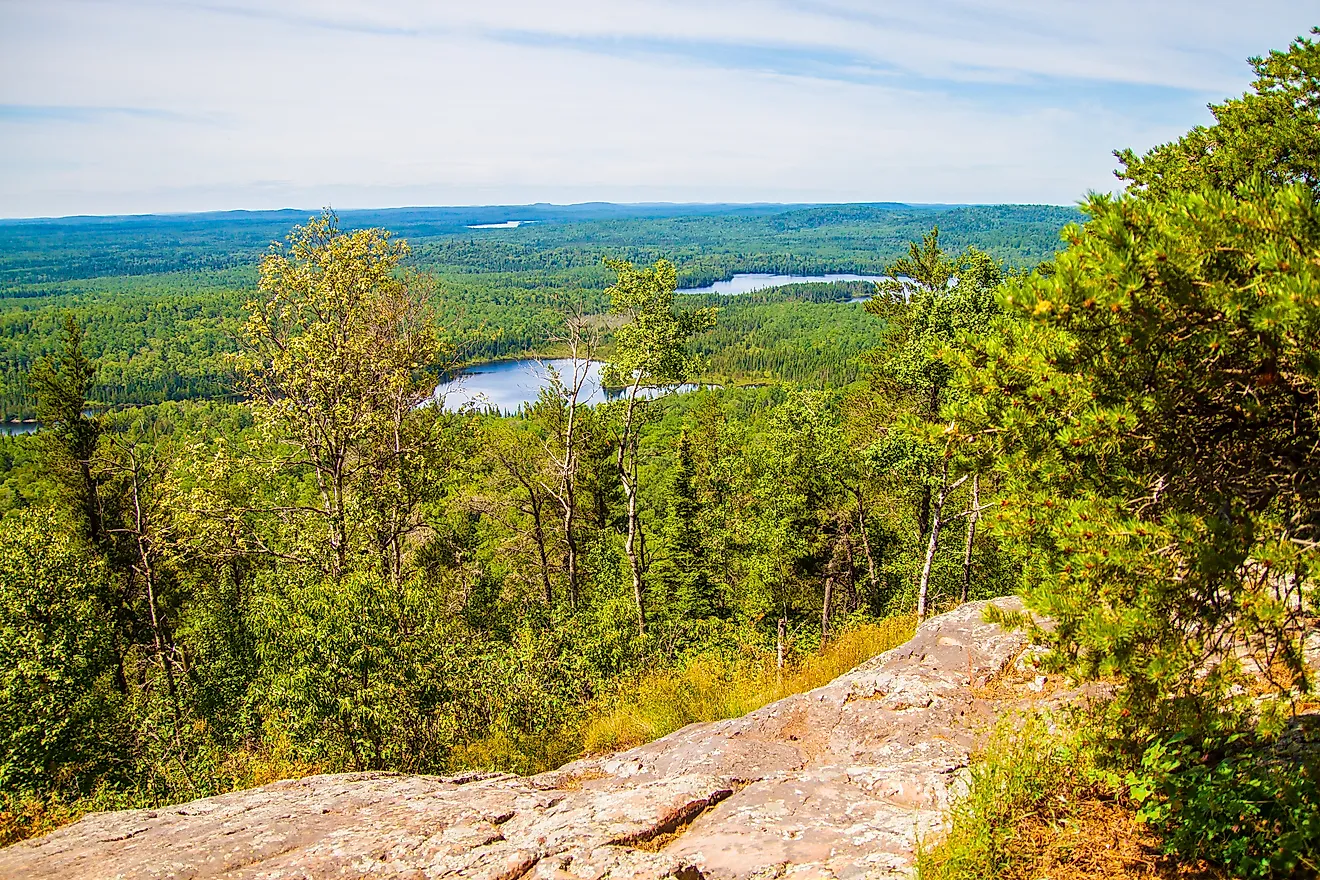
Every drop of the Mississippi River starts somewhere else, and that somewhere is Lake Itasca, inside Itasca State Park in northern Minnesota. Established in 1891, Itasca is Minnesota's oldest state park, spanning more than 32,000 acres and boasting more than 100 lakes. Its 223 drive-in campsites, 160 of them with electricity, are split across loops that include the aptly named Lakeview Loop, perfectly positioned for water views right from the tent pad.
Enjoy the novelty of walking across the birthplace of a continental river, a shallow rock crossing the National Park Service and state park agencies both mark as the Mississippi headwaters. Besides that, the park offers more than 28 miles of hiking trails through old-growth pine forest, a 100-foot fire tower with sweeping views, and the historic Douglas Lodge, built in 1905 and still serving meals lakeside. Campers can rent kayaks, canoes, or paddleboards to explore Lake Itasca directly from camp. Managed by the Minnesota Department of Natural Resources, the park draws more than 500,000 visitors a year, and the DNR has floated further campground expansion in a 2026 management plan update, so it's worth checking current site maps before booking. Few Minnesota destinations let you camp beside a lake that's also, technically, the start of the Mississippi River.
Letchworth State Park, New York

Known as the "Grand Canyon of the East," Letchworth State Park carries the Genesee River through a 17-mile gorge lined with cliffs up to 600 feet tall and home to three major waterfalls. The park's Highbanks Camping Area, on the gorge's west rim, hosts all 270 of the park's tent and trailer sites, positioned above the river rather than directly on its bank. That is worth knowing if "waterfront" means beach access for you. Here, swimming in the Genesee itself is not permitted.
What the campground lacks in beachfront, it makes up for in views: the seven-mile Gorge Trail threads along the rim with overlooks at nearly every turn, and side trails drop down toward the river's edge for a closer look at the falls. USA Today readers named Letchworth the best state park in the nation in 2015, and the honor is still touted in the park's own literature a decade later. Cabins, a swimming pool, and the restored Glen Iris Inn round out the lodging options for those who want river views without the tent. As of 2026, camping season runs from spring through fall, depending on the loop, and reservations go through the state park system. New York's Genesee River gorge is one of the most dramatic settings in the eastern United States for a campsite with a view, even if the water itself is a scenic distance below.
Hunting Island State Park, South Carolina

With five miles of Atlantic Ocean beach, a saltwater lagoon, and a campground close enough to the ocean that the surf is audible, Hunting Island State Park is South Carolina's single most-visited state park. A barrier island in the Lowcountry, the park offers around 100 campsites with water and electrical hookups, plus a walk-in tent area just a short stroll from the sand.
The park's most iconic feature is its black-and-white striped Hunting Island Lighthouse. Built in 1859 and rebuilt after the Civil War, the lighthouse was relocated 1.3 miles inland in 1889 to escape beach erosion. The erosion issue remains one of the highest rates on the East Coast, up to 30 feet a year in places. Visitors can climb the lighthouse for marsh and ocean views, paddle a kayak into the tidal creeks, or take the seasonal ferry to undeveloped St. Phillips Island. Natural beauty abounds here, with loggerhead sea turtles nesting on the beach from May through October, and alligators are a significant presence in the park's marshes and lagoon. Posted wildlife guidance is valuable reading before setting up camp. Reservations run through the South Carolina State Parks system and require a minimum two-night stay. Book ahead for the best spots, especially if you plan on visiting during busy summer weekends. Reservations open 11 to 13 months ahead of arrival. South Carolina's coastline has quieter beaches, but none pair proximity to the water with this much campground infrastructure.
Cumberland Falls State Resort Park, Kentucky

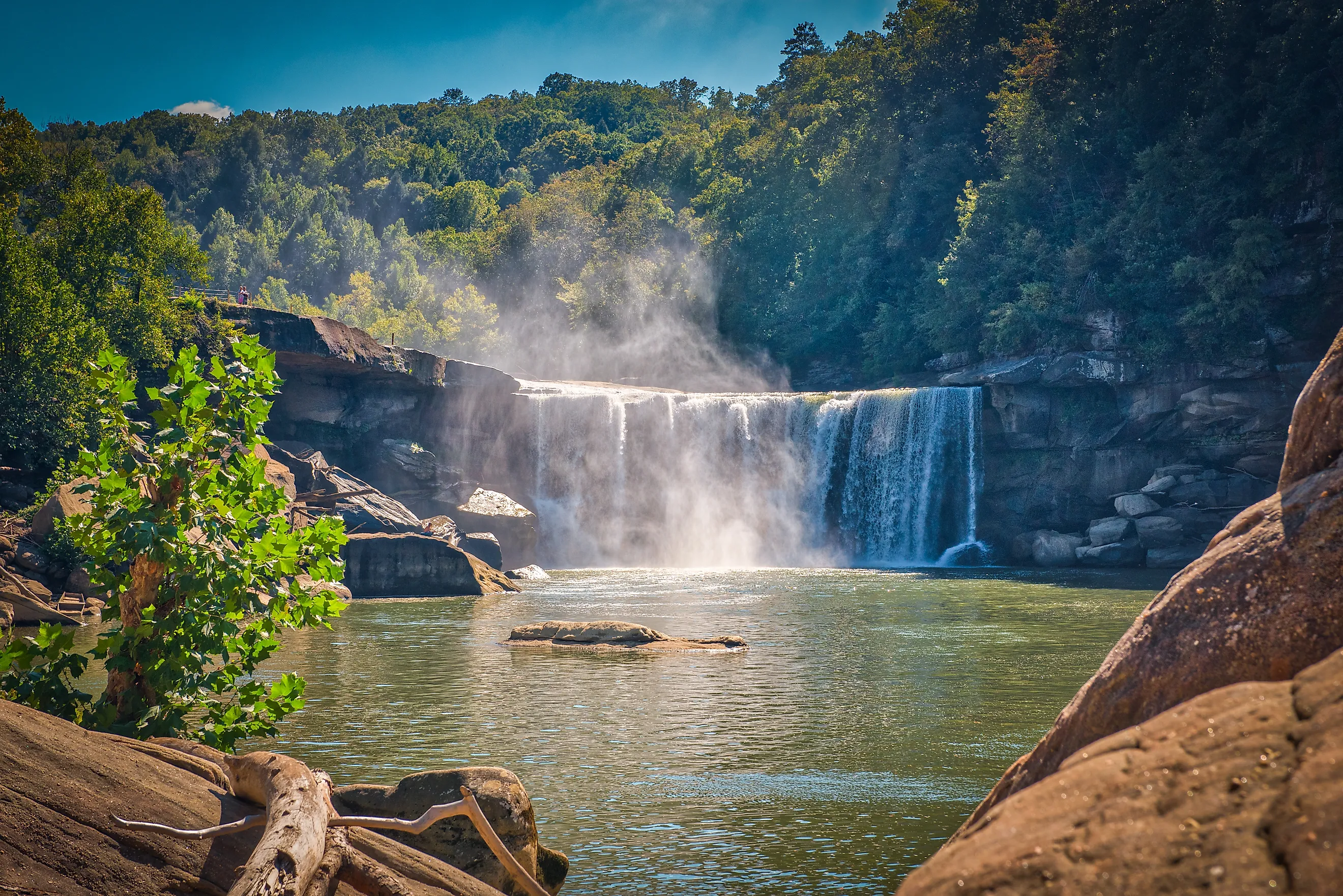
Waterfront camping trips promise a view of the water. But Cumberland Falls State Resort Park, set entirely inside Kentucky's Daniel Boone National Forest, promises something rarer: a shot at seeing moonlight bend into a rainbow. The 68-foot Cumberland Falls, nicknamed the "Niagara of the South," is one of the only places in the Western Hemisphere where a moonbow appears regularly on clear nights around the full moon.
The park's campground, open mid-March through mid-November, sits within walking distance of the falls and the Cumberland River gorge below it. Take note: sites accommodate 30-foot vehicles and a maximum of 8 campers per site. Besides the big falls, the park includes the smaller 44-foot Eagle Falls, miles of hiking trails through the gorge, whitewater rafting on the Cumberland River, and horseback riding concessions. The Kentucky Department of Parks also operates the on-site DuPont Lodge for travelers who want fall views without pitching a tent. As of 2026, campground golf cart permits run $25 a week or $100 annually, and campers must be at least 21 to book a site, a rule worth flagging for families traveling with adult children. Kentucky's only regularly occurring moonbow is reason enough to visit, and the campground puts that spectacle a short walk from the tent.
Assateague State Park, Maryland

Maryland has just one oceanfront state park, and it happens to come with wild horses. Assateague State Park occupies the northern end of Assateague Island, a barrier island bordered by the Atlantic Ocean on one side and the calmer Sinepuxent Bay on the other. Its campground offers roughly 340 sites, each with a fire ring and picnic table, positioned close enough to the dunes that beach access is just a short walk away.
The island's famous feral horses graze freely through the marsh, the beach, and occasionally the campground loops themselves. The horses are protected, and visitors are asked to keep at least 40 feet away, and no sugar cubes for these wild ones. The park also offers two miles of pristine Atlantic beach for swimming and surfing, plus calmer bayside coves for kayaking and canoeing through the marsh. Camping season runs from late April through late October and is managed by the Maryland Park Service; site bookings can be made up to a year in advance. Reservations are advisable, since the park is one of the most heavily booked on the Eastern Seaboard through summer. Maryland's only true oceanfront park manages to be both a beach campground and a wildlife refuge in the same 800-plus acres.
Wayfarers Unit, Flathead Lake State Park, Montana

Flathead Lake is the largest natural freshwater lake west of the Mississippi River in the lower 48 states. It is often compared to an inland sea with nearly 200 square miles of water framed by the Mission and Swan mountain ranges. The Wayfarers Unit of Flathead Lake State Park is a compact 67-acre property just south of Bigfork. Set within a mature mixed forest of pine and fir, these 30 sites, 7 of them designated for tents only, sit on the lake's northeast shore.
The park's rocky shoreline and cliff-top viewpoints are known for offering some of the best sunset views on the lake, with the Mission Mountains silhouetted across the water in the evening light. A short walk or bike ride puts campers in downtown Bigfork, a resort village with galleries, restaurants, and a summer playhouse for a rare combination of wilderness camping and walkable town access. Managed by Montana Fish, Wildlife & Parks, the campground has no hookups, and food storage in bear-resistant lockers is mandatory because both grizzly and black bears range throughout the Flathead Valley. Wayfarers also sits roughly 45 minutes from Glacier National Park's west entrance, making it a less-competitive base camp for travelers who'd rather skip the scramble for Glacier's own campsites. Montana's Flathead Valley offers plenty of lake access, and few campgrounds put visitors this close to the shoreline with a mountain town a few minutes away.
St. Andrews State Park, Florida

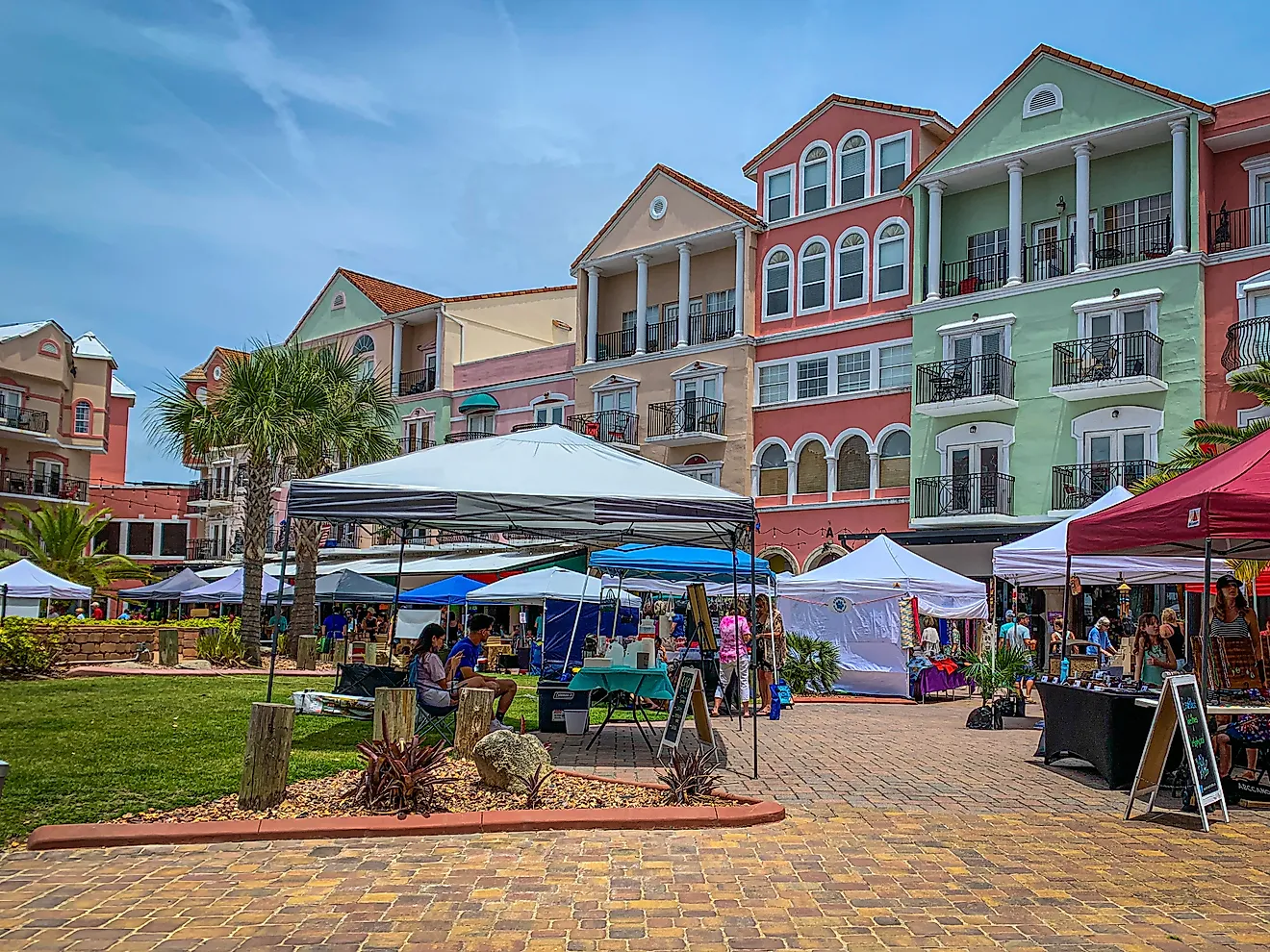
At the tip of the Panama City Beach peninsula, where St. Andrews Bay meets the open Gulf of Mexico,St. Andrews State Park offers something increasingly rare on Florida's coast: a public campground with sites directly on the water. The park's 158 campsites are split into East and West loops, and specific numbered sites (a detail worth checking against the current campground map before booking) sit right along Grand Lagoon, while others are set back but still close.
A former WWII harbor defense installation, the park still has two original gun mounts on display, one at the jetty and one on the Gulf side of the beach. Visitors can choose between the choppier, clearer water on the Gulf side or the calmer swimming conditions of the bay side. Adventurers can take the seasonal shuttle boat to the undeveloped Shell Island just offshore. A nature trail winds through freshwater swamp habitat where alligators are a regular sight, a reminder that "Gulf views" and "wildlife viewing" often overlap here. The campground underwent a full rebuild after Hurricane Michael in 2018, and as of 2026 sites can be reserved through Florida State Parks' online system. Make your plans in advance for this one, as waterfront spots fill first during peak season. Florida's Gulf Coast has no shortage of beachfront hotels, but true waterfront public camping like this is harder to come by, which is exactly what makes St. Andrews stand out.
Ten Different Ways to Wake Up Near Water
What ties these ten parks together isn't a single kind of water. It's the decision to put the campground as close to the shoreline, riverbank, or gorge rim as the terrain allows. A Pacific lighthouse point, a Sierra alpine lake, a Hill Country river, the literal source of the Mississippi, a barrier island shared with wild horses: each one turns "waterfront" into something truly fresh to experience. Best practice: before booking, check current fee schedules and reservation windows directly with the managing state agency, since prices, hookup availability, and seasonal closures change year to year. What doesn't change is the appeal of falling asleep to the sound of moving water and waking up already there.